


Every tattoo style has its own rules, tools, and technical demands. An artist who is exceptional at Japanese traditional may produce mediocre fine-line work, and vice versa. The most common mistake people make when getting tattooed isn't choosing the wrong design. It's choosing the wrong artist for the style they want.
This guide covers the major tattoo styles, what makes each one distinct, and how to find an artist who genuinely specializes in yours.
The Major Tattoo Styles
American Traditional
Bold black outlines, a limited palette of classic reds, greens, and yellows, and iconic imagery: roses, eagles, daggers, anchors, panthers. American traditional is built to last. The thick lines and dense color hold up over decades better than almost any other style. If you want something that will still look sharp at 70, traditional is a strong choice.
Japanese Traditional (Irezumi)
Large-scale compositions designed to flow with the body. Dragons, koi, tigers, chrysanthemums, waves, and wind bars. Japanese traditional work is typically done in sections that connect across the body, which is why sleeve and bodysuit planning matters. The color is bold and the shading is distinctive. Find an artist whose portfolio shows mastery of the subject matter, not just someone who can draw the motifs.
Fine Line
Single-needle or small-grouping work creating intricate, delicate designs with thin, precise lines. Often done in black and grey. Fine-line tattoos look stunning when fresh, but they require an artist with exceptional needle control. The fine lines that make the style beautiful are also the first to soften and blur with age. Good fine-line artists know how to build in longevity. Not all of them do.
Black and Grey Realism
Photorealistic images rendered in shades of black and grey through smooth, gradient shading. Portraits, animals, landscapes. This is one of the most technically demanding styles. The shading has to be flawless. Blotchy or patchy grey wash can't be fixed easily. Look at healed realism work in a potential artist's portfolio, not just fresh shots. The difference is revealing.
Neo-Traditional
A bridge between traditional and illustration. Bolder line work than fine-line, a wider color palette than classic traditional, and more complex subject matter. The aesthetic sits somewhere between a detailed drawing and a poster. Neo-traditional artists often have strong illustration backgrounds, and their portfolios tend to show it.
Blackwork
Any tattoo done entirely in solid black ink, from geometric and mandala work to large-scale abstract or tribal designs. Blackwork ranges from precise, architectural patterns to flowing organic shapes. Some artists specialize in sacred geometry, others in ornamental coverage. It's a broad category. Find someone whose specific approach within blackwork matches what you want.
Watercolor
Loose, painterly washes of color that mimic the look of watercolor illustrations, often without strong outlines. Beautiful when done well, but known to fade faster than other styles. A strong structural foundation beneath the color helps it hold longer. Our full guide to watercolor tattoos covers what to expect and how to make one last.
Illustrative and Sketch
Work that looks like a drawing or sketch rather than a polished tattoo. Loose linework, visible hatching, crosshatching for shading. The intentionally rough or incomplete look is the point. This style has grown with the rise of fine-art-trained tattooers who bring their drawing practice directly to skin.
How to Read a Portfolio
Healed photos are the only photos that count
Fresh tattoos look sharp in photos. The skin is swollen and the ink is sitting high in the tissue, which makes lines look crisper and color look more saturated than they'll appear once healed. An artist's real skill shows in healed work. Look for photos labeled "healed," typically posted months or years after the session. Do the lines still look clean? Is the shading smooth or patchy? Is the color still vibrant or has it grayed out?
If an artist's portfolio contains almost no healed work, that's worth noticing.
Specialism over range
An Instagram feed that shows flawless Japanese traditional work across dozens of posts is a portfolio of a specialist. A feed that shows a little of everything (some fine line, some color realism, some traditional, some lettering) might indicate someone who hasn't fully developed a speciality yet. For high-detail or technically demanding work, a specialist in your style will almost always outperform a generalist.
Consistency
Look across the whole body of work. Every piece should show clean line work, smooth shading, and appropriate saturation for the style. One exceptional piece surrounded by average work is a red flag. Consistent quality across a large portfolio is a green flag.
How to Find a Specialist
Instagram hashtags
Instagram is the main portfolio platform for working tattoo artists. Search style-specific hashtags combined with your location: #portlandfineline, #nycjapanesetattoo, #londonblackwork. You'll surface artists whose primary work is in that style, in your area, without wading through generalist feeds.
Follow the network
When you find an artist whose work you like, look at who they follow and who they tag. Artists pay attention to peers whose work they respect. The people an artist follows are often doing work at a similar or higher level. This is one of the most efficient ways to expand your shortlist.
Studio pages
Top tattoo studios typically curate their resident artists by style, or at least by quality. Find the studios in your area with strong reputations and work through the portfolios of their resident artists. You'll often find specialisms you wouldn't have discovered by searching hashtags alone.
The consultation
Once you've narrowed it down to one or two artists, the consultation is where you confirm the match. You'll discuss the design, the placement, the realistic scope of what's achievable, and get a quote. For a full breakdown of what to expect, read our tattoo consultation guide.
Booking and Session Prep
Every artist has their own booking process. Most post instructions in their Instagram bio or website: a booking link, a contact form, or a note that books are currently closed. Follow their process exactly. Unsolicited DMs asking to book, or ignoring the stated process, are common reasons artists decline to work with potential clients.
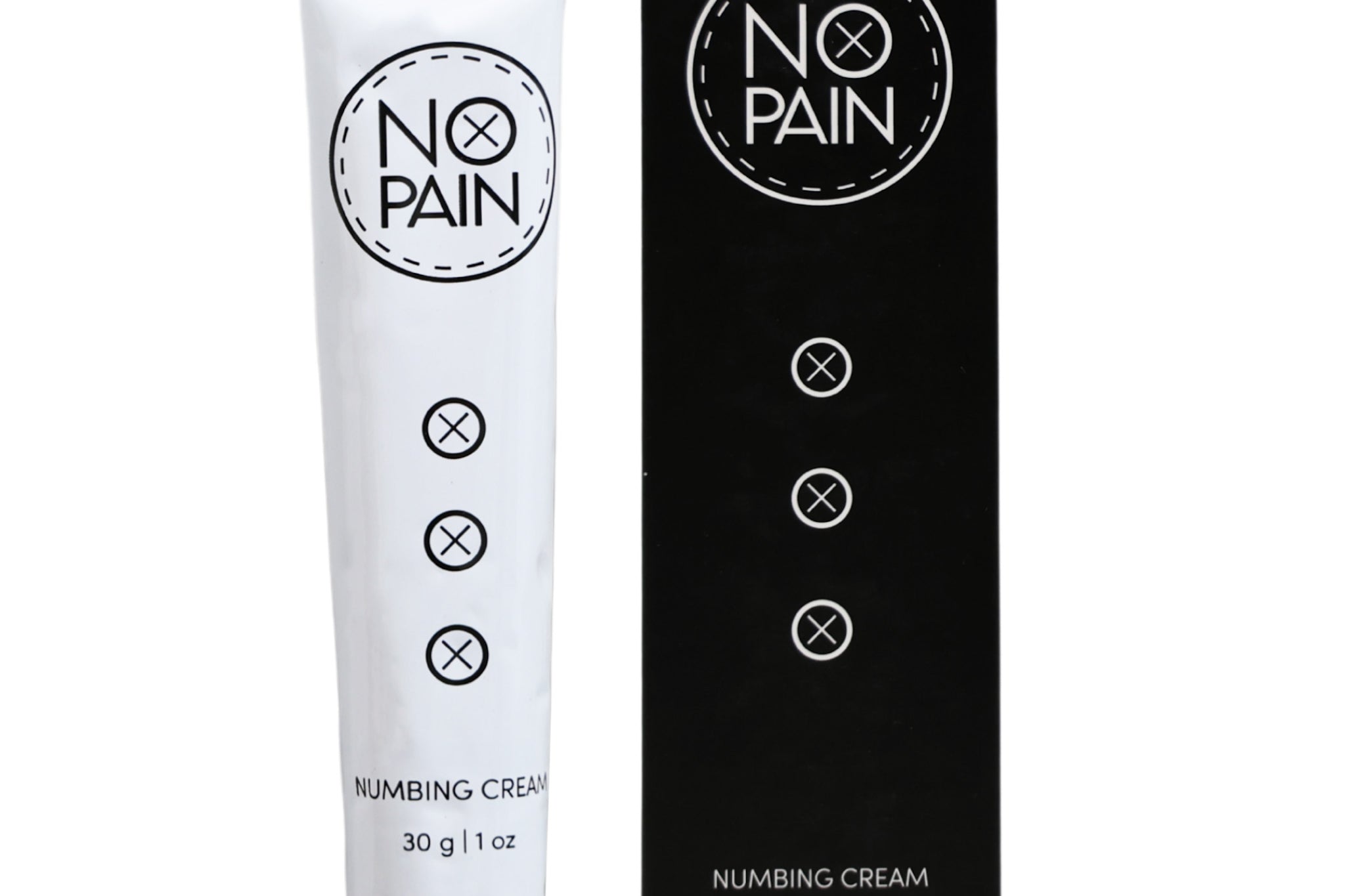
Once you're booked, session prep matters. Japanese traditional sleeves, blackwork coverage pieces, and realism portraits can all run three to six hours or longer. Longer sessions are harder to sit, and the pain compounds as the hours pass. Numbing cream applied before the appointment takes the edge off the first two to four hours, which covers most of the session for many styles.

Maximum-strength numbing in a thick, slow-absorbing base. Apply two coats, cover with cling film, and arrive already numb. Covers the first two to four hours, enough for most sessions and the hardest part of a longer one. 100% money-back guarantee.
For sessions running beyond four hours, the numbing spray handles the second half. Your artist applies it directly to the skin between passes. No wrap, no wait. Cream for the first part of the session, spray for the rest.
Aftercare
Good aftercare protects the work. This matters more for styles like fine line and color realism, where the detail and saturation you're paying for are most vulnerable to a poor heal. Thick scabbing, picking, or dryness during the first two weeks can pull ink out of the skin and leave the result patchy.
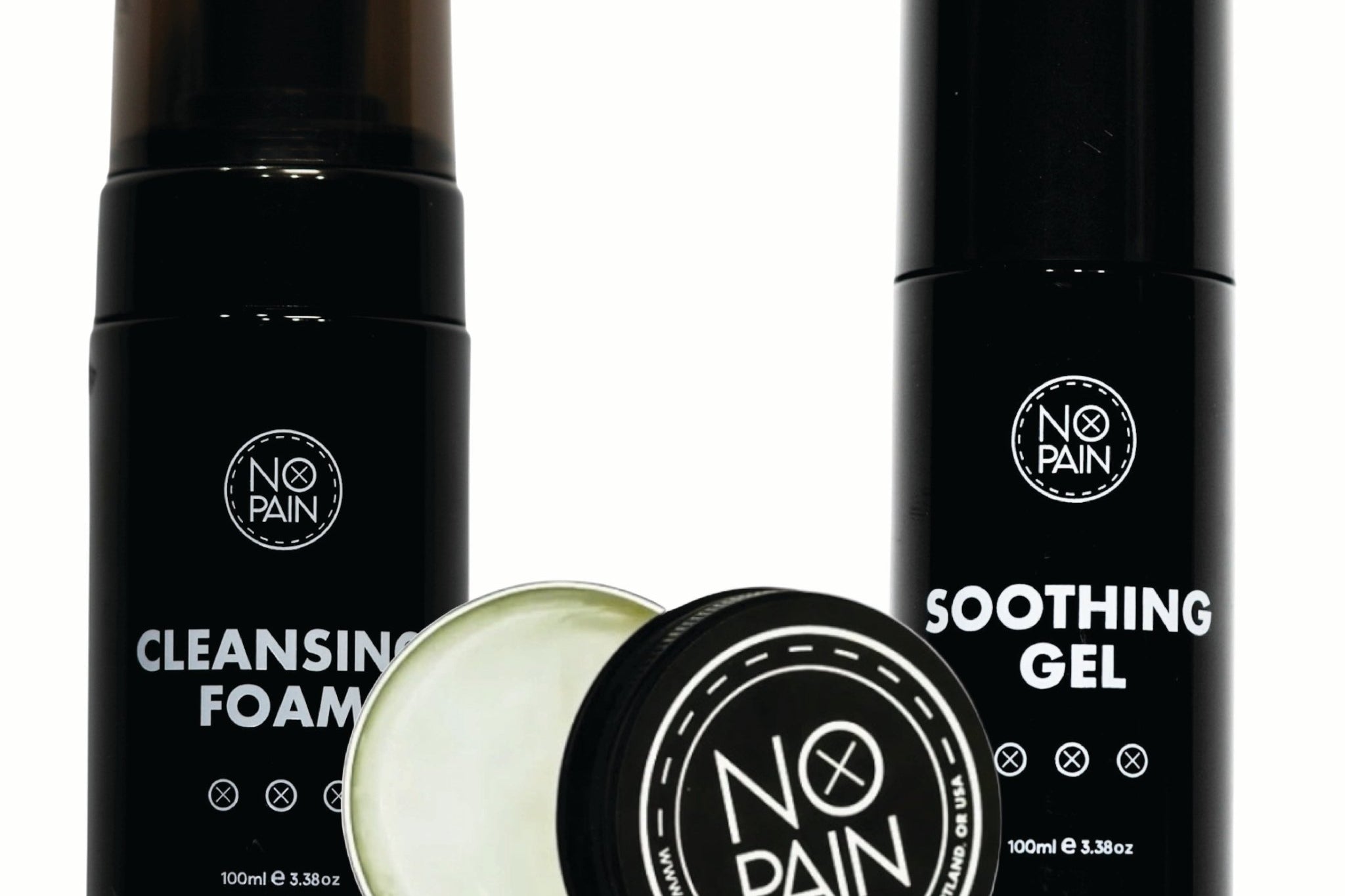
For the first three days, a lightweight soothing gel keeps the skin calm and prevents the surface from drying out too fast. From day three onward, switch to an aftercare balm in thin layers after each wash. Keep the new work out of direct sun until it's fully healed, and use SPF on healed color tattoos going forward.
Protect the Work You Waited For
The Aftercare Bundle covers the full healing routine: soothing gel for the first three days, aftercare balm from day three onward, and cleansing foam to keep the area clean. Everything the new tattoo needs to heal at its best.
Shop the Aftercare Bundle →Formulated at Historic Tattoo in Portland, Oregon. 100% money-back guarantee.
Frequently Asked Questions
What tattoo style lasts the longest?
American traditional and Japanese traditional hold up the best over time. Both rely on bold, thick outlines and dense, saturated color that resists the natural softening and spreading that happens to ink in the dermis over years. Fine-line and watercolor tattoos tend to fade fastest, especially without strong structural outlines anchoring the design. Placement matters too: high-friction areas like hands and feet fade faster than the upper arm or back regardless of style.
Can a tattoo artist work in any style?
Technically, yes. In practice, most artists who do their best work have spent years developing skill in a specific style or small number of styles. A Japanese traditional specialist who occasionally does fine-line work may produce fine-line results that are adequate but not exceptional. For high-quality outcomes, especially with technically demanding styles like realism or fine-line, seek out a specialist whose primary portfolio is in that style.
How do I know if an artist is right for my style?
Look at their portfolio and count how many pieces are in the style you want. If it's the majority of their work, that's a good sign. If it's one or two pieces among many different styles, proceed carefully. Ask to see healed examples specifically in your style. The consultation is also a chance to ask how many pieces they've done in that style and whether they have additional healed work they can share.
Should I go to a local artist or travel for the right specialist?
It depends on what you're getting. For a small, simple piece, a strong local artist is usually the right call. For a large or complex piece in a specific style (a Japanese back piece, a photorealistic portrait, an intricate geometric blackwork sleeve), the artist matters more than the location. Many people travel several hours or book appointments months in advance to work with the right specialist. The tattoo stays with you permanently; the inconvenience of travel is temporary.
What should I bring to a tattoo consultation?
Reference images are the most useful thing you can bring. Not a single image to copy exactly, but a collection that shows the style, the feel, the subject matter, and the placement you have in mind. The more specific you can be about what you like in each reference, the better the artist can understand your vision. Also bring a clear sense of your size preference and budget. Our consultation guide covers everything to prepare in detail.
How far in advance do I need to book a good tattoo artist?
It varies. Some artists have books open with availability in a few weeks. Others, particularly those who have built a following in high-demand styles, book out six months to a year in advance. Check their Instagram bio or website for current booking status. If books are closed, follow them and check back when they announce a new booking window. For a specific artist you're set on, the wait is usually worth it.