


UV radiation is the biggest cause of tattoo fading over time. A poor initial heal is the second. Everything else (moisturizing, placement, color choice) matters too, but those two variables do most of the damage. Here's what's actually happening to the ink in your skin, and what to do about it in the first month and every month after.
In this article
- Why tattoos fade
- Phase 1: Getting the heal right (month one)
- Phase 2: Lifetime protection
- What fades fastest
- Frequently asked questions
Why Tattoos Fade
Tattoo ink sits in the dermis, the second layer of skin below the surface. The body's immune system never fully accepts the ink particles there: it continues, very slowly, trying to break them down and flush them out over years and decades. Several things accelerate that process.
UV radiation. Sunlight penetrates to the dermis and breaks ink pigment particles into smaller fragments. The immune system then clears those fragments faster. This is why sun exposure is the single biggest factor in how quickly a tattoo fades. Colors go first. Blacks and dark greys last longest, but even they lose their depth without protection.
A difficult initial heal. If thick scabs form in the first two weeks and pull away with ink attached, that ink is gone permanently. Touch-ups can fix it, but a clean heal from the start is always better than recovering from a rough one. How you manage the first month has a direct effect on how the tattoo looks years later.
Skin quality and hydration. Dry, neglected skin doesn't hold ink as well as healthy, hydrated skin. The dermis needs good collagen structure and adequate moisture to keep pigment sharp. Long-term neglect shows up as blurring and color loss even without heavy sun exposure.
Placement. High-movement areas (hands, fingers, feet, inner wrists, elbows) put more mechanical stress on the dermal layer. The skin flexes constantly, which accelerates the migration of ink particles and causes blurring at the edges over time. These placements need touch-ups more frequently than still areas like the outer arm or calf.
Color type. Not all pigments are created equal. Lighter colors (yellow, pink, white, light blue) fade faster than dark colors because they contain less pigment density and are more susceptible to UV breakdown. Black and dark grey are the most durable tattoo colors, which is why traditional-style tattoos tend to age the best.
Phase 1: Getting the Heal Right (Month One)
You can't have a well-preserved tattoo without a clean first heal. The ink that's lost in the first four weeks doesn't come back without a touch-up. These are the three things that determine whether the heal goes well or badly.
Prevent thick scabbing
Thick, hard scabs are the main cause of ink loss during healing. They form when the fresh tattoo dries out too much in the first few days, and when they eventually pull away from the skin, they take pigment with them. The prevention is straightforward: keep the skin clean and consistently hydrated from day one.
In the first few days, a lightweight gel gives the skin what it needs without creating the sealed, overheated environment that can cause problems. Thin layer, twice a day, after each wash.

Lightweight cooling gel for the early healing phase. Keeps the skin hydrated without sealing the wound, which is what prevents thick scab formation and the ink loss that comes with it.
From day three through the end of the peeling phase, switch to a nourishing balm. The skin needs more than a cooling gel at this stage. A balm keeps the surface supple so the flaking skin separates naturally rather than cracking and pulling. For the full breakdown of each healing stage, the tattoo healing process guide covers what to expect week by week.
Prevent infection
An infection doesn't just hurt. It damages the tissue the ink lives in. Heavy inflammation, immune activity, and eventual scarring in an infected tattoo all affect how well the skin holds pigment long-term. Keep the tattoo clean: wash once or twice a day with a gentle fragrance-free cleanser, fingertips only, pat dry with a clean paper towel. Wash your hands before you touch it. Don't let pets near it. For what infection looks like versus normal healing, the infected tattoo guide has the detail.
No sun on a healing tattoo
For the first four weeks, keep the tattoo out of direct sunlight entirely. Don't apply sunscreen either: it's still an open wound, and sunscreen on a healing tattoo can cause irritation and interfere with the process. Cover it with loose clothing when you're outside. Once the surface is fully healed (around the four-week mark), sun protection becomes a permanent habit.
Phase 2: Lifetime Protection
Once the tattoo is healed, the goal shifts from healing to preservation. The two non-negotiables are sun protection and regular moisturizing.
Sunscreen, every time
Any time a healed tattoo is going to be exposed to the sun, it needs sunscreen. SPF 30 minimum, broad-spectrum (meaning it blocks both UVA and UVB). This isn't only for beach days. It applies to a daily walk, sitting on a patio, driving with your arm in the sun. UV exposure is cumulative. A tattoo that gets regular sun without protection will show it within a few years.
Apply the sunscreen 15 to 20 minutes before sun exposure and reapply every two hours if you're staying outside. For tattoos in hard-to-reach areas (back pieces, shoulder blades), having someone apply it for you is worth the effort.
Moisturize regularly
Healthy skin holds ink better than dry skin. After a tattoo is fully healed, applying a nourishing balm regularly keeps the dermis in better condition, which keeps the pigment looking sharper. It also makes the surface look better: hydrated skin has a healthy sheen that makes colors appear richer than the same tattoo on dry, flaky skin.

Nourishing shea butter balm for the peeling stage and beyond. Starts as a healing product and transitions into a long-term maintenance tool to keep the skin supple and the ink looking sharp.
Avoid prolonged soaking
Long soaks in pools, hot tubs, and baths soften the outer skin layer and leach moisture from the dermis. Occasional swimming isn't going to ruin a healed tattoo, but regular extended soaking accelerates the skin's aging in tattooed areas. Chlorine and salt water both have drying effects that compound with time. Shower instead of bath when you can, and moisturize after any prolonged water exposure.
What Fades Fastest
White and light pastel ink fades the fastest and often disappears or turns skin-toned within a few years, particularly without diligent sun protection. White ink is especially unpredictable: it can yellow, blur, or simply vanish depending on the individual's skin.
Yellow, pink, and light blue are the next most vulnerable. These are common in watercolor-style tattoos and fine-line work with color washes. Without consistent SPF, expect them to lose vibrancy within three to five years.
Red and orange sit in the middle range. They hold better than pastels but are more UV-sensitive than dark colors. Some red pigments also have higher rates of allergic reaction, which can cause inflammation that accelerates fading.
Dark blue, dark green, and purple are more durable than the above, though not as stable as black.
Black and dark grey are the most durable tattoo colors. Traditional-style tattoos with bold black outlines age better than almost any other style because of this. The outlines hold definition even as other elements shift, which keeps the piece looking intentional rather than blurry.
Placement compounds everything. A yellow tattoo on the outer arm with good sun protection will outlast the same yellow tattoo on a finger with none. The variables work together: high-movement placement plus light colors plus no SPF is the fastest route to a faded result.
Frequently asked questions
How quickly do tattoos fade?
It depends on the color, placement, and how well it's protected. A black tattoo on the outer arm with good aftercare and regular sunscreen can look sharp for decades. A light-colored tattoo on a high-movement area without sun protection may look noticeably faded within three to five years. The difference between a tattoo that still looks great at ten years and one that looks washed out is mostly about those two variables: UV exposure and placement.
Does sunscreen actually prevent tattoo fading?
Yes, meaningfully so. The UV breakdown of ink pigment is a documented photochemical process. Broad-spectrum sunscreen blocks the UVA and UVB rays that drive it. Studies on cosmetic tattooing and permanent makeup consistently show markedly slower color loss in sun-protected versus unprotected areas. It's the single highest-impact habit for tattoo longevity after the initial heal.
Can a faded tattoo be fixed?
Often yes. A skilled artist can do a color refresh or touch-up on a faded tattoo once the skin has fully settled (at least three to six months after the original session, and preferably longer for older tattoos). Some fading is more correctable than others: a tattoo that's faded evenly can often be refreshed directly. One that's blurred and migrated may need a design adjustment or cover-up instead. Consult with your original artist or one who specializes in reworks.
Do tattoos fade faster in summer?
Summer accelerates UV exposure, which is the main fading driver, so yes: unprotected tattoos fade faster during months with more sun exposure and outdoor activity. It's not the heat that causes the fading, it's the UV. Indoor UV exposure (windows, driving) is a factor year-round. The habit of applying sunscreen before any outdoor exposure matters more than the season.
Does moisturizing really help tattoo longevity?
Yes, though it's a supporting factor rather than the primary one. Chronically dry skin ages faster and holds ink less well than healthy, hydrated skin. The effect is gradual and compounding: a tattoo kept on well-moisturized skin over ten years will look better than the same tattoo neglected over the same period. Moisturizing is also the thing most within your control on a daily basis that doesn't require thinking about the weather.
What should I put on an old tattoo to make it look better?
Moisturize it consistently and keep it out of the sun. A good balm applied daily will improve the look of an old tattoo within a few weeks, just from improving the skin condition. Beyond that, if the tattoo has genuinely lost notable ink or clarity, that's a conversation with a tattoo artist about a touch-up. No topical product brings back ink that's been cleared by the immune system. It can only improve how the existing ink looks by improving the skin around it.
Everything You Need for a Clean Heal
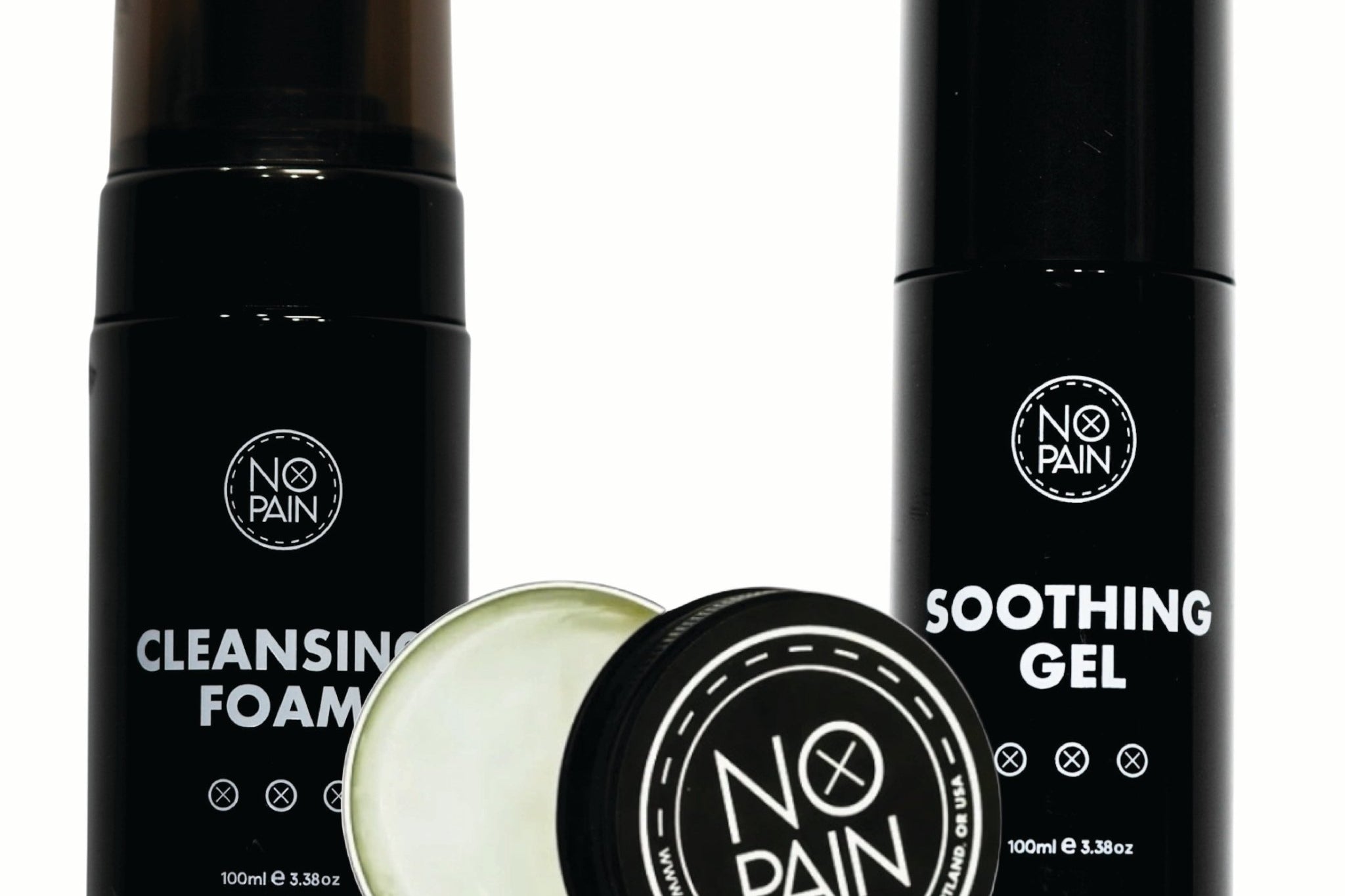
Cleansing foam, soothing gel, and aftercare balm. The right product for each stage, from day one through the peeling phase and beyond.
Shop the Aftercare Bundle →Formulated at Historic Tattoo in Portland, Oregon. 100% money-back guarantee.