


The surface looks healed in two to four weeks. The tattoo fully settles into its permanent appearance in two to three months. In between, it goes through stages that confuse almost everyone the first time: a milky haze, a dull film, colors that seem to have disappeared, lines that look softer than they did fresh. None of that is permanent. Here is what is actually happening at each stage and what you can do to make sure the final result looks its best.
In this article
- The visual stages of tattoo healing
- Why the milky phase fools people
- The full timeline at a glance
- What affects how quickly it settles
- How aftercare determines the final look
- Frequently asked questions
The Visual Stages of Tattoo Healing
Days 1-6: Open wound
Fresh off the needle, the tattoo looks its most striking. Colors are bold, lines are sharp, and the whole piece has an intense, glossy quality. This is partly because ink is sitting in both the upper layers of skin and the deeper dermis simultaneously. It is also because the skin is inflamed and the surface is still open. Redness, swelling, and clear or slightly tinted weeping fluid are all normal at this stage. The tattoo looks its best here, but this is not what the healed result will look like: it is brighter and more saturated than the final settled appearance will be.
Days 7-14: Peeling and the milky film
This is the stage that causes the most concern for first-timers. The damaged outer layer of skin begins to shed, peeling off in thin, semi-transparent flakes similar to a healing sunburn. Underneath, a fresh translucent layer of new epidermis forms over the ink. That new layer creates the milky, cloudy, or hazy appearance that makes the tattoo look faded, dull, or washed out. Colors that were vivid a week ago can seem to have disappeared. Black lines can look grey. The whole piece can appear soft and unclear. This phase is completely normal. The ink is still there, exactly where it was. You are just viewing it through a new layer of skin that has not yet fully settled and cleared. For a detailed explanation of this specific stage, see the milky phase guide. For the full peeling process and timeline, see the peeling guide.
Weeks 3-4: Clearing
The peeling stops. The milky film gradually fades. Colors begin to reassert themselves and lines look sharper again. The skin texture starts to normalize, losing the shininess and slight raised quality of earlier healing. At this point, most people would describe the tattoo as healed and looking normal. The surface skin has fully closed and regenerated. This is when the tattoo becomes socially visible. Most people stop covering it, start showing it, and consider the healing done.
Months 2-3 (and beyond): Full settlement
The visible healing is complete at weeks three to four, but the deeper layers are still stabilizing. The dermis, where the ink actually lives, continues to settle over the following weeks. Small remaining areas of subtle shininess resolve. The texture of the tattooed skin becomes fully indistinguishable from the skin around it. Color saturation reaches its true final state, which is slightly softer than it looked fresh but stable and consistent. This is the tattoo's permanent appearance. Large, heavily saturated pieces, or pieces with dense color packing, can take closer to four to six months to fully settle.
Why the Milky Phase Fools People
The milky phase is the single most common source of panic among people with healing tattoos. The reason it is so alarming is that the change can look dramatic: a tattoo that looked sharp and vibrant at one week can look faded and unclear at two weeks. It appears to be getting worse, not better.
What is actually happening is that the skin is doing exactly what it should. The body replaces the damaged outer epidermis by growing new cells from below, and those cells form a thin translucent layer over the tattooed dermis. Until that new layer fully settles and flattens, it scatters light instead of transmitting it clearly, creating the milky or hazy visual effect.
The phase typically lasts one to two weeks, sometimes a little longer for larger pieces or areas with denser ink. It resolves on its own as the new skin layer normalizes. Nothing you see during this phase is permanent. The tattoo you will have when it clears is the tattoo you paid for.
The Full Timeline at a Glance
Days 1-3: Inflamed, glossy, weeping. Looks bolder than the healed result will be.
Days 4-6: Redness and swelling subsiding. Surface starting to tighten. Itching begins.
Days 7-14: Peeling and milky phase. Tattoo can look faded, dull, or cloudy. This is normal.
Weeks 3-4: Milky haze clears. Colors return. Surface healed. Looks like the finished tattoo.
Months 2-3: Deeper layers settling. Texture normalizes completely. Final settled appearance reached.
Months 4-6+: For large or densely saturated pieces, full settlement may take longer.
What Affects How Quickly It Settles
Placement. Areas with more skin cell turnover, more friction, or more movement tend to take longer to clear through the milky phase. High-flex zones like elbows, wrists, and knees can extend the peeling and settling period compared to lower-movement areas like the outer arm or back.
Ink density and color. Heavily saturated pieces and solid color fills take longer to fully settle than black linework or lightly shaded designs. Dense color packing creates more initial trauma to the skin, and the healing layers above a densely packed area can take longer to fully normalize.
Individual skin type. Skin cell turnover rate varies between people and changes with age, hydration, and overall health. Younger skin generally moves through the healing stages faster than older skin, which tends to have a slower repair cycle.
Aftercare quality. The cleanliness and consistency of your routine in the first two weeks has a measurable effect on how smoothly and quickly the skin heals. Thick scabbing, picking, and inadequate moisture all extend the healing timeline and affect the clarity of the final result.
How Aftercare Determines the Final Look
You cannot speed up the milky phase or skip the peeling stage. What you can control is how much damage happens during healing and how clearly the ink shows through when the skin settles.
Thick scabs are the main threat to the final appearance. When the healing skin gets too dry, it forms raised, dense scabs instead of thin peeling flakes. Those thick scabs pull ink out of the dermis when they eventually separate, leaving behind patchy color, faded lines, or soft spots in the design. For more on why scabbing happens and how to prevent it, see the scabbing guide.
A lightweight gel in the first few days keeps the surface hydrated enough that the skin sheds in thin flakes rather than forming heavy scabs. This is the phase where consistent moisture makes the most difference to the final result.

Lightweight cooling gel for the raw first few days. Keeps the surface hydrated without trapping heat or blocking airflow, reducing the risk of the thick scabbing that pulls ink and clouds the healed result.
Starting around day three, as the surface closes and peeling begins, the skin needs a richer product to nourish the new epidermis as it forms. A shea butter balm applied consistently supports the new skin layer and helps it clarify faster. Skin that is well-moisturized through the milky phase clears more quickly and shows the ink more cleanly than skin that is allowed to dry out during peeling. For a complete week-by-week breakdown of the biological healing process and what the skin is doing at each stage, see the healing process guide.

Shea butter balm for the peeling and milky phase. Nourishes the new skin layer as it forms and helps the surface clarify so the colors show through at their best.
Frequently asked questions
How long does it take for a tattoo to look normal?
The surface looks healed and the tattoo looks like itself in two to four weeks. The deeper layers finish settling in two to three months, at which point the skin texture fully normalizes and the tattoo reaches its permanent appearance. Large or heavily saturated pieces can take up to six months for complete settlement. The most confusing period is the milky phase in week two, when the tattoo can look faded or cloudy despite being perfectly fine. That phase resolves on its own as the new skin layer settles.
Why does my tattoo look faded after healing?
If it is two weeks in, you are almost certainly in the milky phase. A fresh translucent layer of epidermis has formed over the ink and is making it look dull, grey, or washed out. This is temporary. The new skin layer continues to flatten and clarify over the following two weeks, and the colors return to visibility as it does. If the tattoo still looks genuinely faded at the three-month mark with no milky haze present, that is a healed result issue, possibly from thick scabbing, picking during healing, or ink that did not take fully in certain areas.
Is it normal for a tattoo to look worse before it looks better?
Yes, and specifically in week two. The fresh tattoo at day one or two is usually the most visually impressive version of itself. The milky and peeling phase in week two makes it look worse by comparison. Then it clears, and the settled result sits somewhere between the two: less dramatic than fresh but better-looking and more natural than the milky stage. Most people who have been through healing before recognize this pattern and are not alarmed by the midpoint. First-timers often are, until they understand what is happening.
Why does my healed tattoo look dull compared to fresh?
A fully healed tattoo always looks softer and slightly less saturated than a fresh one. When the tattoo is new, ink is sitting in both the upper dermis and the damaged surface layers simultaneously, which creates an artificially bold appearance. Once healing is complete, only the dermis ink remains, viewed through fully intact, healthy skin. That layer of healthy skin softens the look slightly. This is the permanent, accurate appearance of the tattoo. Colors can be protected from further mellowing long-term with consistent SPF use on exposed tattoos.
How long does the milky phase last?
Usually one to two weeks, beginning around day seven or eight. It can last slightly longer for larger pieces, dense color work, or placements on slower-healing areas. It resolves on its own as the new epidermis thins and settles. Keeping the skin well moisturized with a balm during this phase supports the new skin layer and can help it clear faster. Do not mistake the milky phase for permanent fading. The cloudiness is the skin layer, not the ink. For a full explanation of what is happening and how long it lasts, see the milky phase guide.
Does aftercare affect how the tattoo looks long-term?
Yes, and the first two weeks matter most. Thick scabbing, caused by inadequate moisture in the first few days, pulls ink out of the dermis when the scabs separate. Picking at peeling skin has the same effect. Both produce patchiness, faded spots, and soft lines in the healed result. Good aftercare, specifically keeping the skin hydrated with a gel in the first few days and switching to a balm from day 3, prevents the conditions that cause ink loss. The difference between careful and careless aftercare is visible in the healed tattoo.
Everything Your Skin Needs to Heal Right
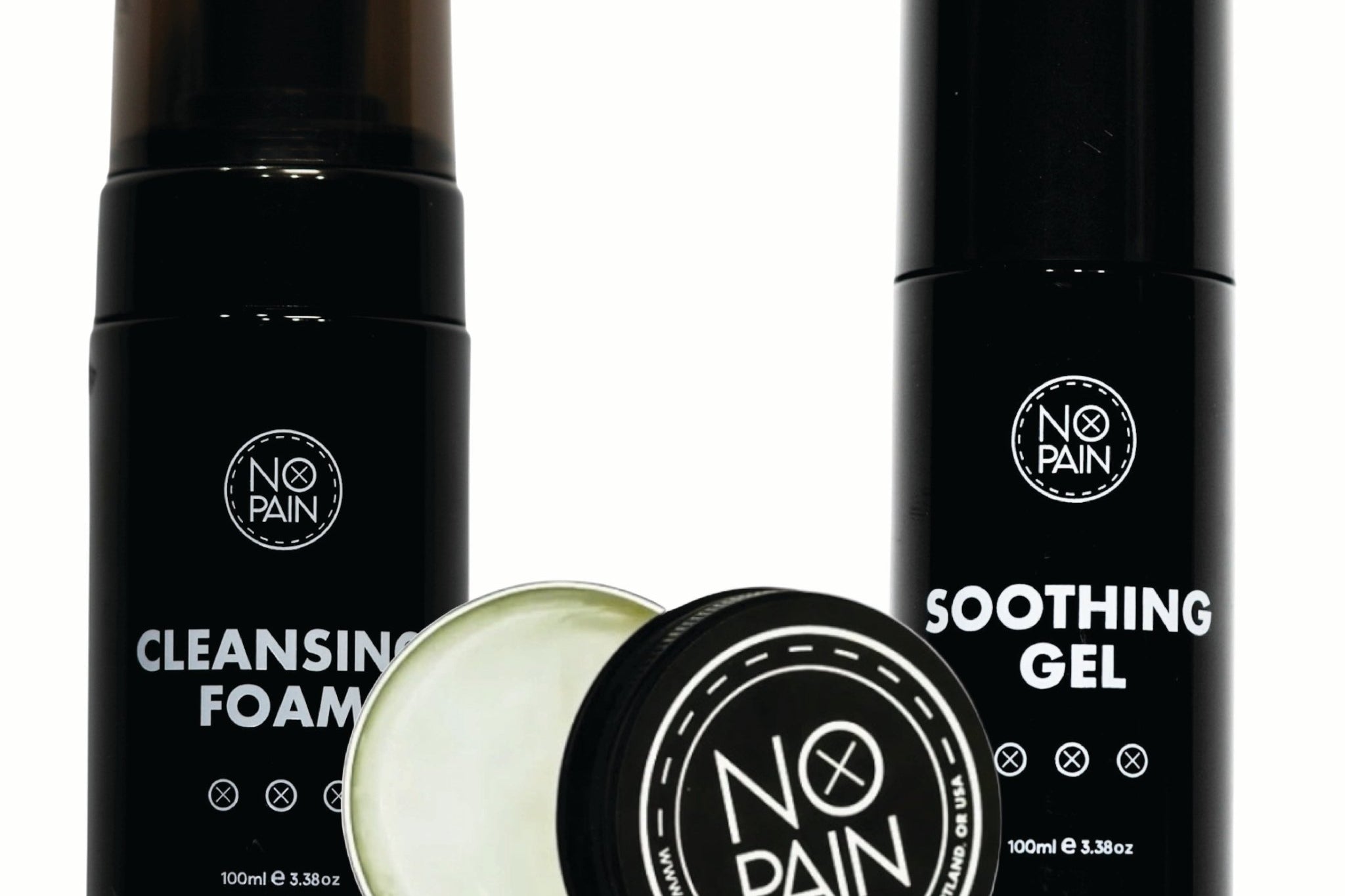
Cleansing foam, soothing gel, and aftercare balm. Each product covers the stage it's designed for, from day one through the end of the milky phase and beyond.
Shop the Aftercare Bundle →Formulated at Historic Tattoo in Portland, Oregon. 100% money-back guarantee.