



The peeling itself is not the problem. What you do while it is happening determines whether the tattoo heals cleanly or ends up patchy. Here is what to expect and how to handle it.
In this article
- Why tattoos peel
- The peeling timeline, day by day
- What normal peeling looks like
- The milky, cloudy phase
- What to do (and not do) while it peels
- Signs to actually be concerned about
- Frequently asked questions
Why Tattoos Peel
A tattoo needle deposits ink into the dermis, which is the stable second layer of skin below the surface. To get there, the needle has to puncture through the epidermis, the outer layer, thousands of times across the tattooed area. That outer layer sustains real damage during the session.
In the days that follow, your body identifies those damaged epidermal cells and begins shedding them to make room for new, healthy skin underneath. The peeling you see is that shedding process. The ink is not in those flakes. It is in the dermis below, locked in place. The flaking skin on the surface is the same process your body uses after a sunburn, just happening over a tattooed area.
The Peeling Timeline, Day by Day
Days 1 to 3: No peeling yet
The tattoo is still in its earliest healing stage. The skin will look red, feel tender, and may weep a small amount of plasma and excess ink. This is normal. Peeling has not started yet because the body is still sealing the wound before it begins shedding the outer layer.
Days 4 to 7: Peeling begins
This is when most people first notice flaking. The skin starts to look dry and tight, similar to a peeling sunburn. Small flakes of skin (often with a slight tint from the ink color underneath) begin to come off in the shower and on clothing. The tattoo may feel itchy. This is the beginning of the main peeling phase.
Days 7 to 14: Peak peeling
The most visible peeling typically happens in the second week. Larger flakes come off, the tattoo may look uneven, and the skin underneath may have a cloudy, milky appearance that can make the colors look dull or washed out. This is the stage that alarms most people. It is also completely normal, and more on that below.
Days 14 to 21: Peeling winds down
By the start of week three, visible flaking has usually stopped for most tattoos. The surface looks and feels closer to normal. Smaller pieces or those in low-friction areas may be fully done peeling. Larger tattoos, those on hands, feet, or joints, or pieces that had heavier initial scabbing may still have some peeling in this window.
After week 3: Surface healed, deep healing continues
The surface epidermis has finished regenerating, but the skin underneath is still settling. The tattoo may still look slightly hazy for another few weeks as the new epidermal layer matures. Full clarity and color vibrancy typically return by weeks four to six.
What Normal Peeling Looks Like
Normal peeling produces small, thin flakes of skin that are slightly tinted with the color of the ink beneath them. The flakes lift naturally in the shower or when clothing moves across the skin. The tattoo underneath may look patchy, uneven, or faded while this is happening. That is not permanent. It is a product of the new skin layer not yet being fully clear.
The peeling should not be painful. Itchy, yes. Tight, yes. But active pain, swelling that gets worse rather than better, or skin that looks inflamed beyond a normal flush is not part of the standard peeling process and warrants attention.
The Milky, Cloudy Phase
Around weeks two to three, many tattoos go through what is called the milky phase: the colors look washed out, the lines look blurry, and the whole piece seems like it has lost vibrancy. This happens because the new epidermal skin that formed underneath the peeling layer is not yet fully translucent. It has a slight opacity that mutes the ink underneath, like looking at it through frosted glass.
This phase is temporary and resolves on its own as the skin continues to mature. If your tattoo looks unexpectedly dull a few weeks after it heals, this is almost always the cause. For a detailed breakdown of what to expect during this stage, see our guide to the milky phase and why your tattoo looks cloudy or faded.
What to Do (and Not Do) While It Peels
Do not pick, pull, or peel the flakes
This is the one thing that causes permanent damage during the peeling phase. The flaking skin is still partially connected to the healing skin below it, and that lower layer still has ink settling in it. Pulling a flake off before it is ready can pull pigment out with it, leaving a light or patchy spot in the finished tattoo. Let the flakes come off on their own in the shower or through normal movement. Do not help them along.
Do not scratch
The itch during the peeling phase can be intense, but fingernails dragging across healing skin cause the same damage as picking: they can lift flakes prematurely and introduce bacteria to the still-open wound channels. The answer to the itch is moisture, not scratching.
Keep it clean
Wash the tattoo gently once or twice a day with a mild, fragrance-free cleanser during the peeling phase. Use your fingertips only, no washcloths or scrubbing. Pat dry with a clean paper towel rather than a cloth towel, which can snag on peeling skin. The skin is still healing and still susceptible to infection even though the surface looks more settled.
Moisturize consistently
A well-moisturized tattoo peels more smoothly, itches less, and forms fewer thick scabs. Apply a thin layer of aftercare product after each wash and whenever the skin feels tight or dry. The goal is to keep the skin hydrated without smothering it. A thick, occlusive layer that does not absorb is too much; a thin coat that soaks in and leaves the skin feeling comfortable is the right amount.

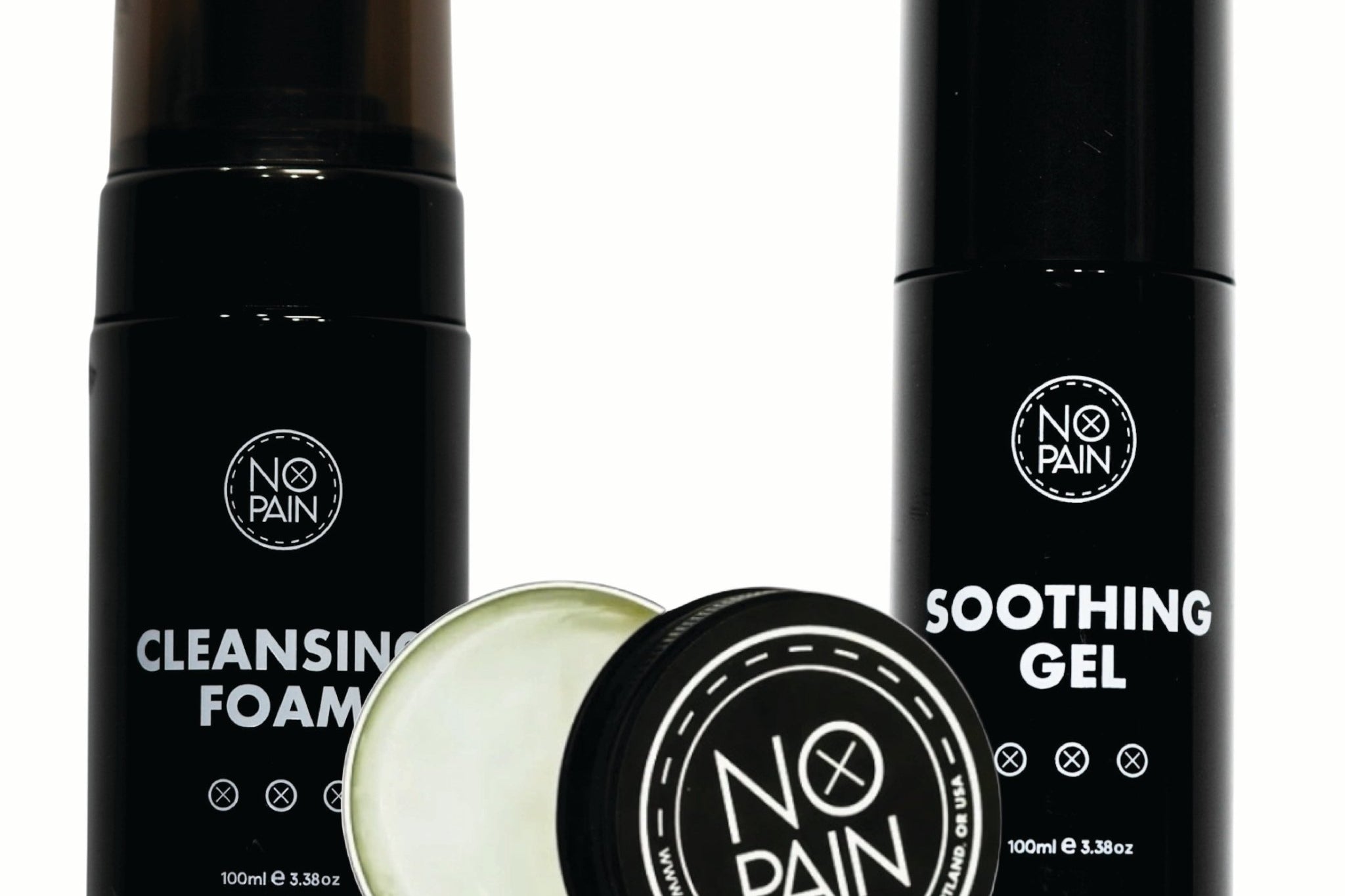
A light, water-based gel that absorbs quickly and delivers a cooling effect that takes the edge off the peeling-phase itch without leaving a heavy residue. Apply whenever the skin feels tight or the urge to scratch becomes difficult to ignore. Works well under clothing because it does not feel greasy.
Stay out of the sun
UV exposure on healing skin both slows the healing process and causes premature ink fading. Keep the tattoo covered with loose clothing when you are outside during the peeling phase. Do not apply sunscreen to skin that is still peeling, as the ingredients can irritate the open wound channels. Sunscreen is appropriate once the peeling is fully done and the surface has closed.
Avoid soaking
Pools, oceans, hot tubs, and baths are off limits while the tattoo is peeling. Soaking softens the scabs and peeling skin and causes them to detach before they are ready, which pulls ink with them. A quick shower is fine. See our full guide on when you can swim after a tattoo for the complete timeline.
Signs to Actually Be Concerned About
Most of what happens during the peeling phase is normal and does not require any intervention. A few things are worth taking seriously.
Increasing redness that spreads beyond the tattoo border, rather than gradually fading, is a sign of infection. Swelling that gets worse after the first two or three days, rather than better, is also a warning sign. Warmth, discharge, or an unusual smell from the tattoo area in the second week are not part of normal healing. Fever alongside any of those symptoms warrants a visit to a healthcare provider, not a wait-and-see approach.
A tattoo that looks patchy, uneven, or has light spots after it has fully healed, on the other hand, is a healing result, not an infection. That is worth discussing with your artist, who may want to do a touch-up once the skin has fully settled at the six-week mark.

Soothing Gel for the itch and daytime hydration when you need something light under clothing, Aftercare Balm for deeper moisture in the evenings or when the skin is feeling especially dry and tight. Both are formulated for healing tattoos and free from fragrance, alcohol, and ingredients that irritate compromised skin.
Frequently asked questions
How long does tattoo peeling last?
For most tattoos, the visible peeling phase lasts about one week, with the most intense flaking happening between days 7 and 14. Smaller tattoos or those in low-friction areas may finish peeling sooner. Large pieces, tattoos on hands, feet, or joints, or skin that tends to form thicker scabs may peel for two to three weeks. After the visible peeling stops, the skin continues to settle for several more weeks, which is why tattoos sometimes still look slightly hazy into week three or four.
Is it normal for tattoo peeling to look like it is falling off in big pieces?
Yes. The size and appearance of the flakes varies a lot depending on where the tattoo is, how large it is, and how your skin heals. Some people see only light, fine flaking. Others see larger pieces that lift at the edges. Both are within the normal range as long as the skin underneath is not raw, bleeding, or showing signs of infection. The key thing is not to pull the pieces off before they detach on their own.
My tattoo looks faded and dull while it is peeling. Is the ink coming out?
The ink is not coming out. What you are seeing is the new layer of epidermal skin forming over the dermis where the ink sits. This new skin layer is not yet fully clear, which gives the tattoo a milky, washed-out appearance. As the skin matures over the following weeks, the opacity clears and the colors come back. If the tattoo still looks faded several weeks after the peeling has fully stopped, that is worth mentioning to your artist as a possible touch-up candidate.
Can I put lotion on a peeling tattoo?
Yes, and you should. Keeping the skin moisturized during the peeling phase reduces itching, helps the flakes come off more smoothly, and gives the skin underneath better conditions to heal. Use a fragrance-free, alcohol-free product designed for healing skin. Apply a thin layer after washing, not so much that it sits on the surface without absorbing. Regular body lotion often contains fragrances or preservatives that irritate healing skin, so it is worth using something formulated for the purpose.
What happens if I accidentally scratch my peeling tattoo?
One light scratch is unlikely to cause permanent damage. The concern is repeated scratching or picking, which can lift flakes before they are ready to come off and pull ink out with them, creating light or patchy spots in the finished tattoo. If you scratched and the area looks irritated or a small amount of ink came off with the skin, keep the area clean, moisturized, and leave it alone. Watch it for signs of infection. A single incident is usually not catastrophic, but the habit is.
Why is my tattoo only peeling in some spots and not others?
Uneven peeling is completely normal. Different parts of the tattoo may have been worked more heavily than others, the needle depth varies across a piece, and skin thickness is not uniform. Areas with more shading or detail often peel more than lightly worked sections. Areas that experience more friction from clothing or movement may also peel differently than areas that stay covered and still. The final result does not depend on all areas peeling at the same rate.
Keep the Peeling Phase Under Control
The right aftercare product makes the itch manageable and keeps the skin hydrated enough that flakes come off cleanly. Soothing Gel for day-to-day relief, Aftercare Balm for deeper overnight moisture.
Shop the Aftercare Bundle →Free shipping on orders over $35.