


Finger tattoos fade faster than tattoos anywhere else on your body. That's not a flaw in the placement. It's anatomy. The skin on your hands behaves differently from skin on your arm or thigh, and that difference shows up in how long the tattoo holds its definition. Here's what drives the fading, what a realistic lifespan looks like, and how the first six weeks of aftercare determine how well yours lasts.
In this article
- Why finger tattoos fade faster
- How long finger tattoos actually last
- The healing timeline
- Aftercare that makes a real difference
- Frequently asked questions
Why Finger Tattoos Fade Faster
Four things make the fingers a uniquely difficult place to hold tattoo ink long-term.
Constant movement and flexing. Your fingers bend at the knuckle dozens of times every hour. That constant flexing puts mechanical stress on the skin, which causes micro-cracking during the healing phase and ongoing wear on the dermis afterward. Each time the skin folds and unfolds, it disrupts the layer where the ink sits. Ink on your outer arm sits in relatively stable skin; ink on your finger sits in skin that never stops moving.
Thin skin with less underlying structure. The skin on your fingers is among the thinnest on your body, with minimal fat or muscle tissue underneath. Tattoo ink is deposited into the dermis, a deeper layer, but thinner skin means that layer is closer to the surface and more exposed to the processes that break down pigment. The dermis on a finger is also more tightly bound to the underlying structures, which affects how ink distributes and settles.
Rapid cell turnover. Your hands are exposed to everything: soap, sanitizer, sunlight, friction, temperature changes. The skin responds by regenerating faster than almost anywhere else on your body. Rapid cell turnover is the same process that gradually moves surface pigment out of the dermis. What takes years on your shoulder happens in months on your fingers.
Constant friction and contact. Consider what your hands touch in a single day: phones, keyboards, fabric, door handles, tools. That friction is ongoing mechanical abrasion that wears away the skin surface and accelerates the loss of definition in fine lines and details. Side-of-finger placements and knuckle tattoos take the most punishment.
How Long Finger Tattoos Actually Last
With good aftercare and touch-ups, a finger tattoo can hold its general design for several years. Without touch-ups, most finger tattoos look noticeably faded within two to three years. Fine lines and small text lose definition fastest; bold, thick linework holds slightly longer.
The typical realistic arc looks like this: the tattoo heals and looks its sharpest in the first few months. By year one, softening is usually visible. By year two or three, the lines have spread and the contrast has dropped. By year four or five without intervention, the design may be hard to read clearly.
Touch-ups every one to three years are standard practice for finger tattoos. Many artists include this in their consultation, not to discourage you, but to make sure you go in knowing that a finger tattoo is an ongoing commitment, not a once-and-done piece. The better your original heal, the better the touch-up result.
The Healing Timeline
Finger tattoos heal in two distinct phases, and both matter for how the tattoo looks long-term.
Surface healing: weeks one to three. The skin closes, the weeping stops, and the peeling and flaking phase runs its course. This phase looks similar to healing on any other placement, but it's more vulnerable because of constant hand use. The skin is more prone to cracking from finger flexion, and the frequent hand washing required by daily life is both necessary for cleanliness and drying for the wound. During this phase, aftercare has to be more frequent and more consistent than it would be for a placement that stays covered and still.
Full settling: weeks four to eight. The deeper dermis finishes stabilizing the ink and the skin texture returns to normal. This is the phase where a lot of ink loss happens if the early healing went poorly. Thick scabs from inadequate moisturizing, cracking from dryness, and disrupted peeling from over-soaking all contribute to patchy results. What the tattoo looks like at week eight is roughly what it will look like going forward until natural fading begins. For the biology of what's happening during these phases, see the healing process guide.
Aftercare That Makes a Real Difference
Finger tattoos demand more aftercare discipline than other placements, not less. The healing environment is harder, and the margin for error is smaller.
Washing. You have to wash your hands. That's unavoidable. When you do, use a gentle, fragrance-free liquid soap. Try to direct the lather toward your palms and away from the tattooed fingers when possible, especially in the first week. Rinse thoroughly and pat dry completely before applying anything to the tattoo. Never leave the area damp.
Moisturizing after every wash. The frequent hand washing that a healing finger tattoo demands dries the skin out faster than any other placement. Apply a very thin layer of aftercare balm after every wash, once the skin is completely dry. The emphasis is on thin: a faint sheen, not a coating. Over-moisturizing a finger tattoo causes moisture-trapping and milia. The goal is to replenish what the washing takes out, not to add extra layers on top.
No soaking. No baths, no swimming, no prolonged dish washing without gloves. Brief contact with water during hand washing is unavoidable; submersion is not. Soaking causes the skin to become waterlogged and compromises the surface layer that the ink is settling into. Even a few minutes of sustained water exposure can cause real ink loss during the first few weeks.
Protect from friction where you can. This one is harder to control, but it's worth being mindful of. Tight-fitting gloves, rough-textured fabrics, and high-grip activities put direct mechanical stress on the healing skin. Where you can reduce unnecessary contact in the first three weeks, do so.
For the most common aftercare mistakes that apply across placements, see the aftercare mistakes guide.

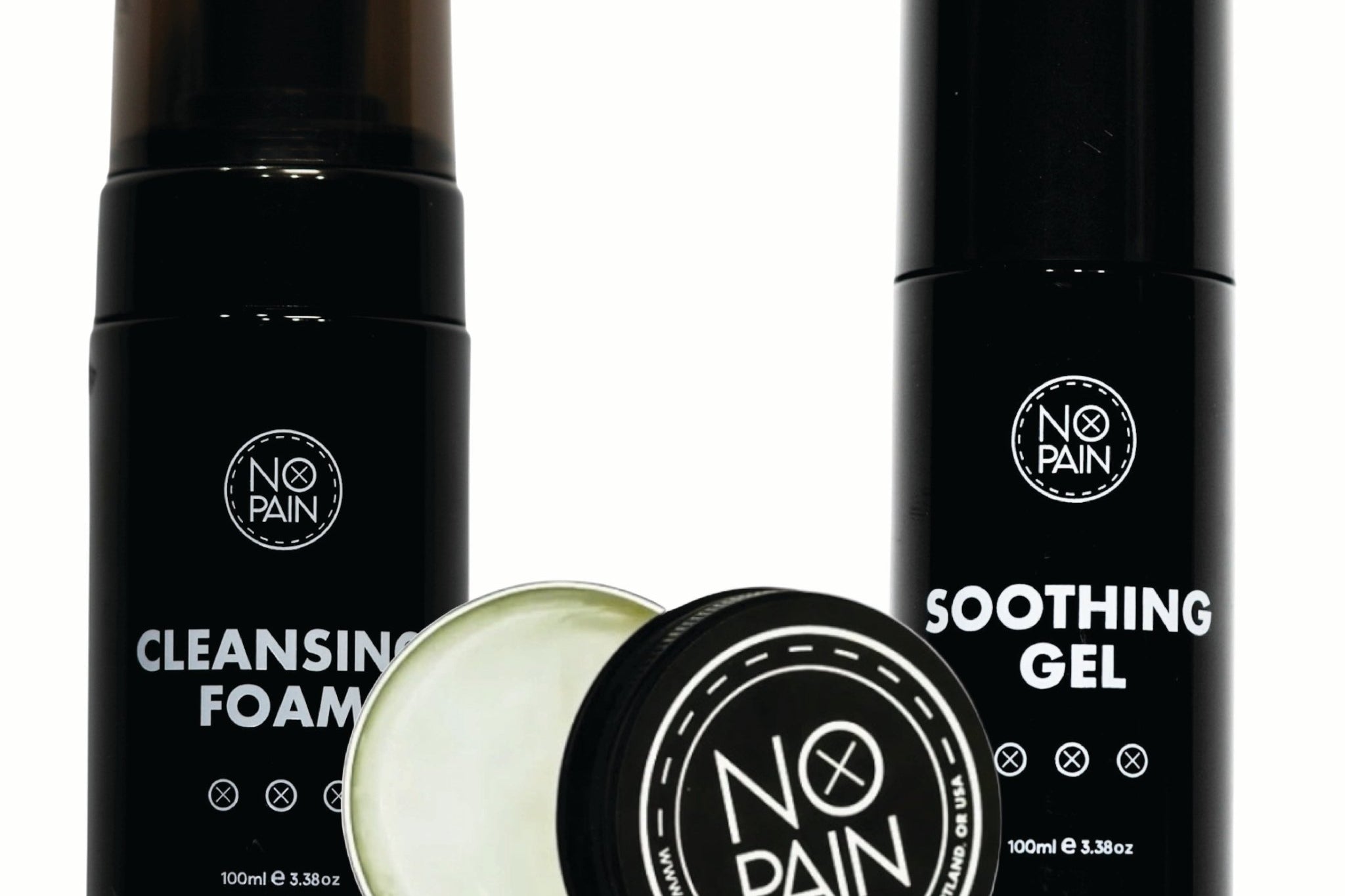
A nourishing, fragrance-free balm that replenishes moisture without trapping it. For finger tattoos, this is the right aftercare product from day three onward: lightweight enough to apply after every hand wash, nourishing enough to counter the dryness that hand washing causes. Apply a faint sheen each time. No fragrance, no dyes, no harsh alcohols.
Frequently asked questions
Do finger tattoos fade completely?
Not completely, but they fade more than tattoos anywhere else on the body. Without touch-ups, most finger tattoos become noticeably softer and less defined within two to three years. Fine line work and small text lose their crispness fastest. Bold, thick linework lasts somewhat longer. With periodic touch-ups every one to three years, a finger tattoo can hold its design for much longer, though it will always require more maintenance than placements on the arm, thigh, or back.
How long does a finger tattoo take to heal?
Surface healing takes two to three weeks for most people: the weeping stops, the peeling finishes, and the skin closes. Full settling, where the ink stabilizes in the dermis and the skin returns to normal texture, takes four to eight weeks. During both phases, the finger tattoo demands more consistent aftercare than other placements because of the constant hand washing, flexing, and friction involved. The quality of the heal in weeks one through six has a direct effect on how long the tattoo holds its definition.
Why do finger tattoos fade so fast?
Four main reasons: the skin on fingers is thin and has less underlying tissue for ink to settle into; fingers flex constantly, putting mechanical stress on the dermis; the rapid cell turnover rate on hands moves ink out of the dermis faster than stable skin areas; and constant friction from daily activities wears away surface definition over time. These factors are anatomical and unavoidable. They affect every finger tattoo regardless of the artist or pigment used. The best approach is to go in understanding this and planning for touch-ups.
What style of finger tattoo lasts longest?
Bold, solid linework and simple shapes hold better than fine line work, gradients, or small detailed text. Fine lines are the most prone to spreading and fading because the initial line width is so narrow that any loss of definition makes the design unreadable. A tattoo that starts with thick, confident lines has more room to soften without losing its form. Artists who specialize in finger tattoos will often recommend bolder designs for exactly this reason.
Can numbing cream be used for finger tattoos?
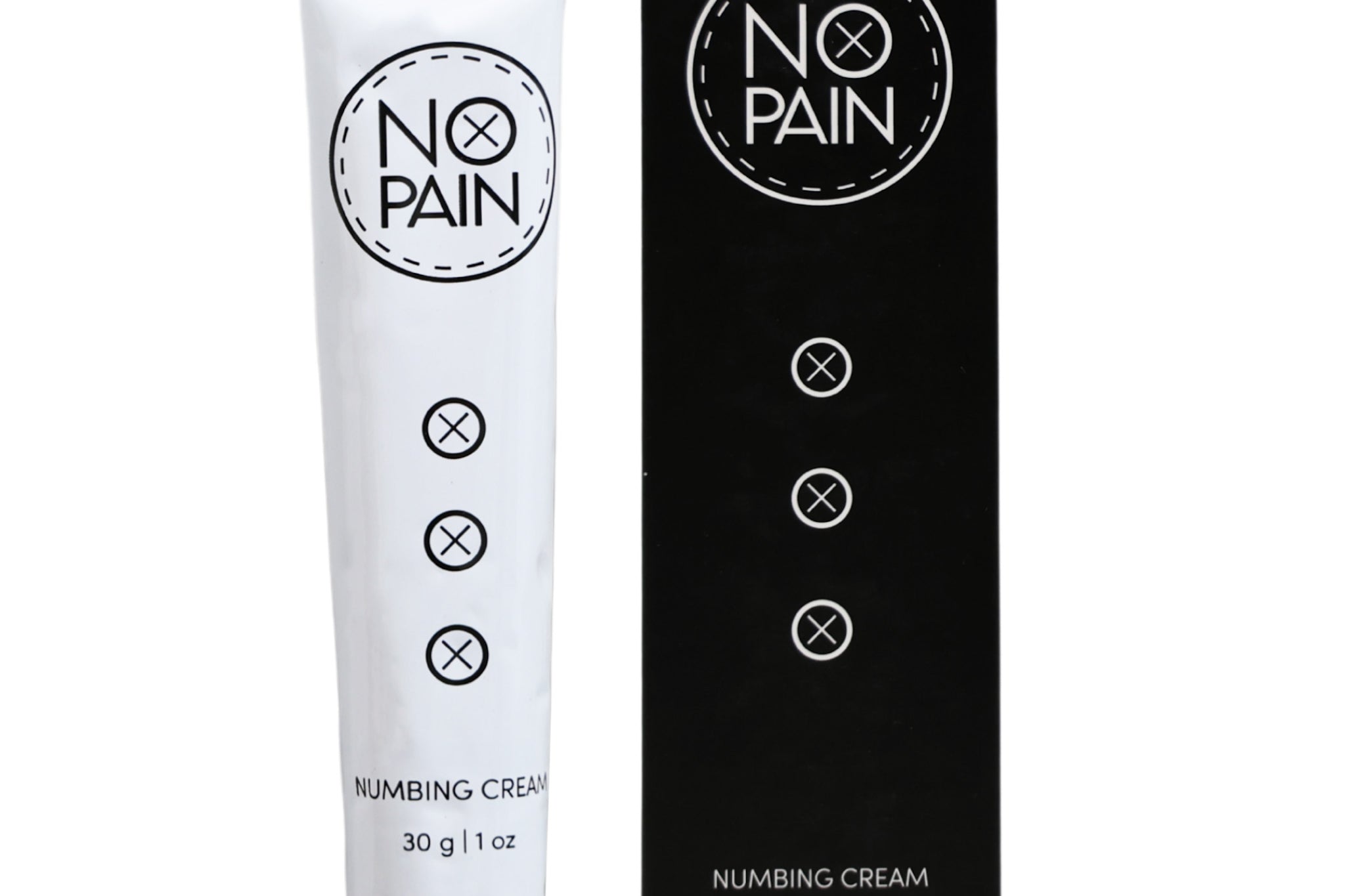
Yes. A maximum strength lidocaine cream applied correctly (thick coat, cling wrap, 90 to 120 minutes before the appointment) works on finger placements. Thin skin on the fingers often absorbs numbing cream efficiently, which means good results are common. The main practical challenge is wrapping individual fingers, which is more fiddly than wrapping larger areas, and your artist or a helper can assist with this. If pain is a concern, numbing cream makes the session more manageable and lets you stay still, which directly affects line quality.
Does placement on the finger affect how long a tattoo lasts?
Yes. The side of a finger (the lateral surface, between the front and back) tends to hold ink better than the top of a knuckle. Knuckle skin flexes the most and takes the most direct friction from daily contact. The inner finger sees the most grip friction. The side of the finger, while still a challenging placement, is slightly more sheltered. Palm-side tattoos are even more prone to fading than any of these; the skin on the palm regenerates extremely fast and the friction is intense. Your artist can advise on which specific finger placement gives the design the best long-term chance.
Two Products, Two Phases
The Aftercare Bundle includes the lightweight soothing gel for the first few days (when the wound needs to breathe) and the nourishing balm from day three onward (when the skin needs consistent hydration after every hand wash). For a healing finger tattoo, having both on hand means you're covered from day one through full settling.
Shop the Aftercare Bundle →Formulated at Historic Tattoo in Portland, Oregon. 100% money-back guarantee.