
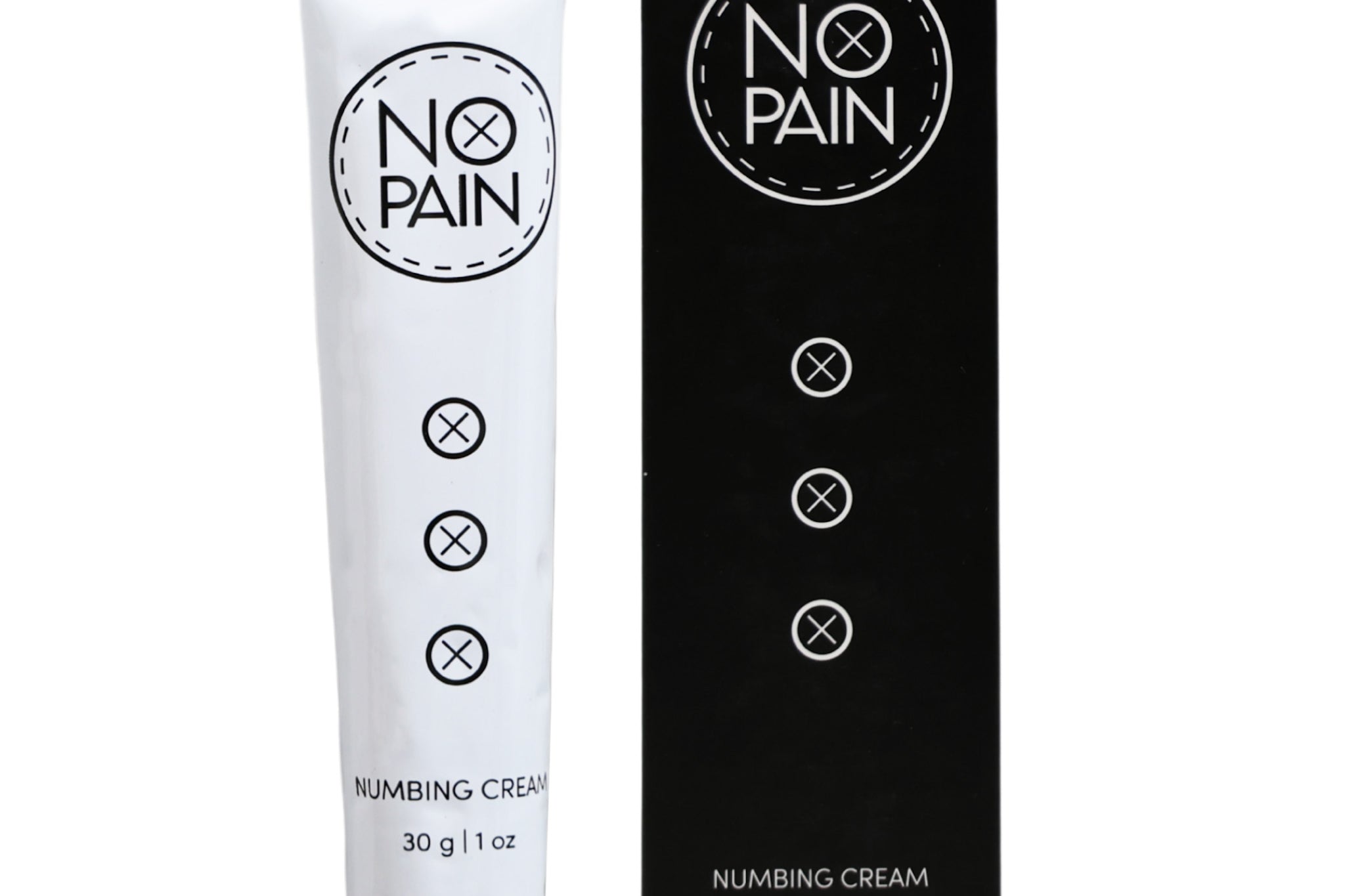

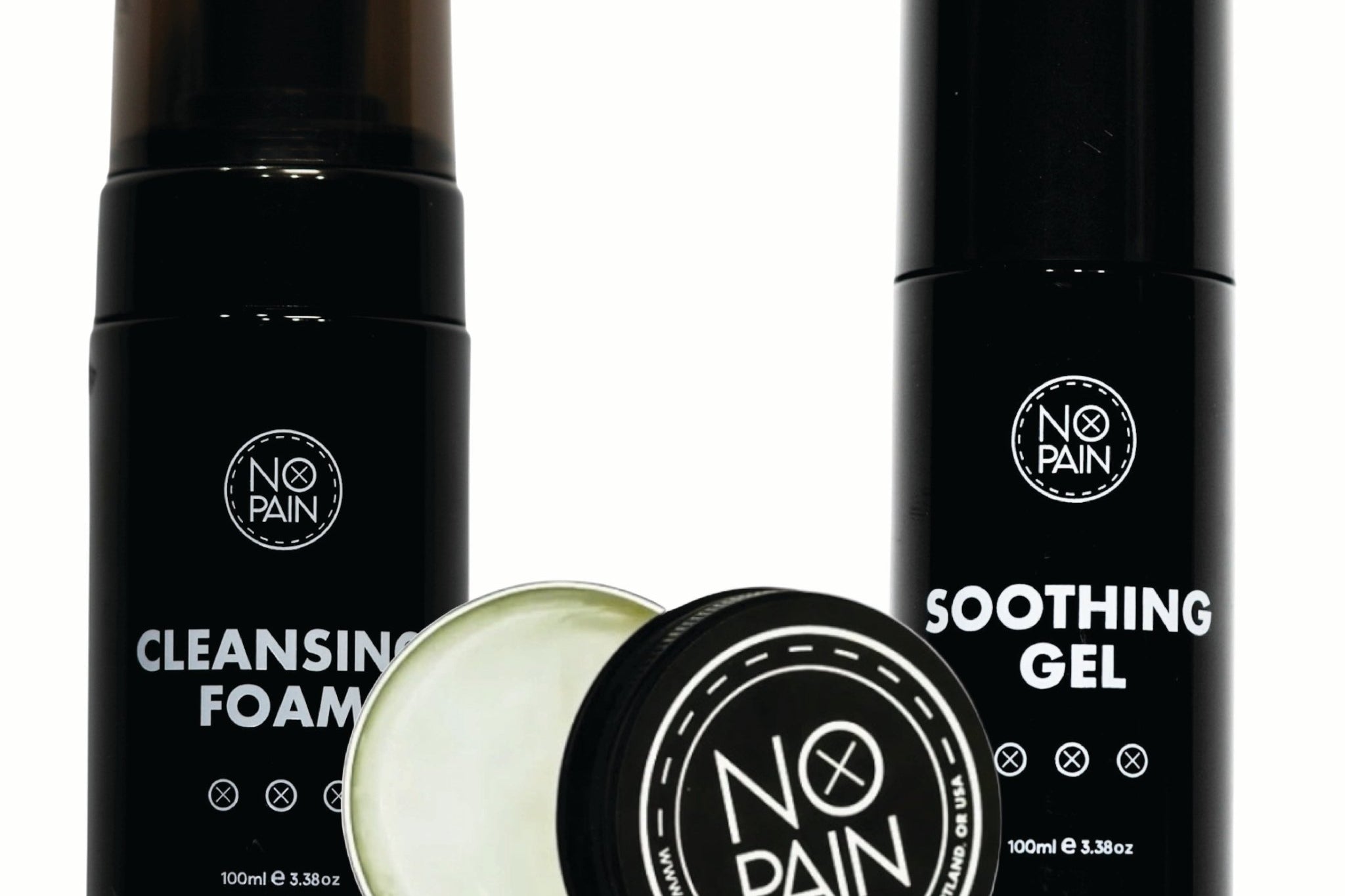


Laser tattoo removal is more painful than most people expect going in. The sensation is different from getting tattooed — more intense per pulse, more acute — and that catches a lot of people off guard. Many stop partway through a removal course because they cannot sustain the discomfort session after session. Numbing cream changes that. Applied correctly before your appointment, it makes the procedure manageable, lets you stay still, and helps your technician do better work in less time.
Here is what you need to know about using numbing cream for laser tattoo removal.
In this article
- Why laser removal hurts more than getting a tattoo
- How numbing cream works for laser removal
- How to apply numbing cream before a laser session
- How numbing cream improves your results
- Caring for your skin after the session
- Frequently asked questions
Why Laser Removal Hurts More Than Getting a Tattoo
Tattooing works through repetitive needle punctures — a consistent, abrasive sensation that most people describe as a hot scratch or a cat dragging its claws across the skin. It is uncomfortable but rhythmic, and the body often habituates to it over the course of a session.
Laser removal works differently. Each pulse delivers an intense burst of light energy directly to the ink pigments in your dermis. The pigment absorbs this energy rapidly, heats to a high temperature, and shatters. That thermal reaction is what your nerves register — not a scratch, but a sharp, hot snap. Each pulse is brief but acute, and because there is no rhythm to adapt to, the body does not habituate the way it does to a needle.
The result is that removal sessions are often described as more painful than the original tattoo — especially on sensitive areas or older, denser ink that requires more energy per pulse to break down.
How Numbing Cream Works for Laser Removal
Numbing cream works by blocking nerve signal transmission at the site of application. The active ingredient — lidocaine — temporarily prevents pain signals from reaching the brain. This is the same mechanism that makes numbing cream effective for tattooing. For laser removal, it works identically.
The key is getting the lidocaine deep enough. Tattoo ink sits in the dermis, not the surface epidermis. To numb effectively at that depth, the cream needs to absorb slowly under an occlusive covering — cling film — over a 90 to 120 minute window. A thick, slow-absorbing formula builds deeper, more sustained numbness than a fast-absorbing cream that peaks and fades before you reach the clinic.
Once the numbing takes effect, the sharp thermal snap of each laser pulse registers as pressure rather than pain. You can remain still, the technician can work steadily, and the session runs the way it should.
How to Apply Numbing Cream Before a Laser Session
The application process for laser removal is identical to the process for tattooing.
Start with clean skin. Wash the area with mild soap and warm water, then dry it completely. Apply a thick, consistent layer of numbing cream — thick enough that you cannot see the skin underneath it — across the full area being treated. Cover immediately with cling film to create a seal, and leave it in place for 90 to 120 minutes.
Timing matters. Rushing this window reduces how deeply the lidocaine penetrates and compromises the numbing effect. Apply at home before leaving for your appointment so the cream is fully active when you arrive. When you reach the clinic, the technician will remove the cream with their standard prep solution before beginning the session.

How Numbing Cream Improves Your Results
Pain management during laser removal is not just about comfort. It affects the quality and efficiency of the treatment.
When a session is painful, clients flinch, tense, and request frequent breaks. Each interruption disrupts the workflow and can make it harder for the technician to track coverage accurately. Over a treatment area with inconsistent passes, some ink gets more energy than others, and the removal process becomes uneven.
When pain is managed, you stay still. The technician can move across the tattoo in steady, consistent passes without interruption. The work is more precise, coverage is more even, and sessions run to completion rather than stopping early. Over the course of a full removal course — which typically requires multiple sessions — that consistency adds up to better ink clearance and potentially fewer sessions overall.
Caring for Your Skin After the Session
Post-laser skin is in an acute inflammatory state. The pulses have delivered controlled thermal trauma to the dermis, and the body responds with redness, swelling, and sometimes small surface blisters in the first 24 to 48 hours. This is normal and expected — it is part of how the removal process works.
The priority in the first few days is reducing inflammation, keeping the skin clean, and protecting it from further irritation. Apply a soothing, cooling product immediately after the session and continue using it through the first few days while the acute phase subsides. Once the initial inflammation settles, shift to a moisturizing aftercare product to support the skin as it heals and regenerates.
Keep the treated area out of direct sun. UV exposure on post-laser skin can cause hyperpigmentation — dark patches that are difficult to reverse and that compromise the clarity of the healed result. Cover the area with clothing or apply high-SPF sunscreen once the skin has closed and stabilized.

Frequently asked questions
Does numbing cream work for laser tattoo removal?
Yes. The same lidocaine-based numbing cream used for tattoos works for laser removal. The mechanism is identical: lidocaine blocks nerve signal transmission in the treated area, reducing the perception of pain. Applied correctly under cling film for 90 to 120 minutes before your session, it significantly reduces the sharp thermal sensation of each laser pulse.
Is laser tattoo removal more painful than getting a tattoo?
Most people find it more painful, yes. Tattooing creates a rhythmic abrasive sensation the body can adapt to. Laser removal delivers sharp, intense thermal pulses that the nervous system cannot habituate to the same way. The sensation is often described as a hot rubber band snap — brief but acute. Location and ink density affect how intense it feels, but numbing cream addresses both scenarios effectively.
How long before my laser appointment should I apply numbing cream?
Apply it 90 to 120 minutes before your session. This gives the lidocaine enough time to penetrate to the depth of the dermis under an occlusive covering (cling film). Applying it any later reduces how deeply it works and compromises the numbing effect during the session.
Can I use numbing cream at every laser session?
Yes. There is no reason to limit numbing cream to one session. Using it consistently across your full removal course makes the process more sustainable — which is one of the main reasons people complete their removal rather than stopping midway.
Will my laser technician have a problem with me using numbing cream?
No — and most will appreciate it. A client who is still and relaxed is easier to work on than one who is flinching and requesting breaks. Let your technician know before the session so they can adjust their prep process accordingly. They will wipe the cream off with their standard prep solution before beginning.
What should I put on my skin after laser tattoo removal?
In the first few days, use a lightweight, soothing product to reduce inflammation and keep the skin calm. Avoid anything heavy, fragrance-heavy, or with active ingredients like acids or retinol until the skin has healed. Keep the area out of the sun. Once the acute phase passes, a gentle moisturizing aftercare product supports the skin as it heals between sessions.
Make the Process Actually Manageable
Apply before your session. Stay still. Let your technician do their best work.
Shop Numbing Cream →