


Tattoo blowout is what happens when ink gets pushed past the dermis and into the fat layer underneath. Instead of sitting in the stable middle layer where it belongs, the ink spreads outward. The result: crisp lines go fuzzy, shading bleeds into the surrounding skin, or dark spiderweb-like tendrils appear under a clean outline.
It's permanent, in the sense that the ink has already moved. But it is fixable: cover-up, rework, or laser. Here's how to tell if that's what you have, what caused it, and what your options are.
In this article
- What is tattoo blowout?
- Blowout vs. normal healing: how to tell the difference
- What causes tattoo blowout?
- What to do right now
- Can tattoo blowout be fixed?
- Frequently asked questions
What Is Tattoo Blowout?
Your skin has three layers. The epidermis is the outer layer you can see, the one that constantly sheds and renews. Below that is the dermis, the stable middle layer where tattoo ink is supposed to live. Below that is the hypodermis: fat and connective tissue.
A tattoo blowout happens when an artist deposits ink too deep, past the dermis and into the hypodermis. The fat layer doesn't hold ink in place. Instead of staying put, the ink particles spread in every direction. Under the skin you'll see blurring, smearing, dark halos around outlines, or ink that looks like it's bleeding outward from the design.
It's different from a tattoo that looks rough while healing. A blowout is a structural problem (the ink is in the wrong layer), not a surface issue that clears up as the skin settles.
Blowout vs. Normal Healing: How to Tell the Difference
This is the question most people have in the first week or two. The answer depends on where the blurring is and how it changes.
Normal healing looks like this: Colors appear dull, cloudy, or slightly washed out. There may be swelling or puffiness that makes lines look less crisp than they did in the studio. These are surface-level changes. As the epidermis repairs itself and the outer skin layer matures, the tattoo sharpens and the colors return. Give it four to six weeks before drawing any conclusions about how the finished tattoo looks.
Blowout looks like this: Dark smearing or spreading around the edges of lines, ink that appears to be seeping into the skin beyond the actual design, or spiderweb-like tendrils extending outward from outlines. These don't improve as the tattoo heals. They stay. Sometimes they become slightly less noticeable over time as the ink disperses, but the blurring doesn't reverse.
Bruising looks like this: A blue-purple discoloration in the skin around the tattoo, usually fading in one to two weeks. Bruising is caused by blood pooling under the skin during the session, not by ink spreading. It can make a tattoo look smeared while it's present, but it's temporary and unrelated to blowout.
If you're not sure, wait. If you're still seeing spreading ink at the four-to-six week mark after your session, with no improvement, it's likely a blowout.
What Causes Tattoo Blowout?
The root cause is always the same: ink ended up too deep. How that happens varies.
Needle depth and angle. This is the most common cause. When a needle goes in too deep, it penetrates through the dermis and deposits ink below it. The right depth is a few millimeters. A small margin. Angle matters too. A needle held at the wrong angle can slice at the skin differently than expected, driving ink into the subcutaneous layer rather than the dermis. Getting this consistently right takes time and experience. Less experienced artists make these errors more often, especially on tricky placements.
Thin-skin placements. In areas where skin is thin, the distance between the dermis and the hypodermis is smaller, and the margin for error shrinks. The inner wrist, ankles, tops of hands and feet, fingers, and ribs are higher-risk placements not because the technique is different but because the anatomy leaves less room. A needle depth that's perfectly calibrated for the upper arm can be too deep on the wrist.
Skin that's loose, stretched, or difficult to hold. Some areas don't offer a firm, stable surface. If the skin is loose or if it shifts during tattooing, the needle depth becomes harder to control. Areas with more natural movement or skin laxity: inner elbows, undersides of arms, backs of knees.
Over-working the skin. Repeated passes over the same area can push previously surface-deposited ink deeper over time, or damage the dermal structure in a way that causes ink to shift. This is more of a secondary contributor than a primary cause, but it's a reason experienced artists monitor their passes carefully.
The honest version: most blowouts are technique errors. A well-executed tattoo on a thin-skin placement can heal perfectly. A poorly executed one on a forgiving placement can still blow out.
What to Do Right Now
If you've identified a blowout, the tattoo itself can't be un-blown-out with aftercare. The ink has already moved. But proper aftercare does two things: it prevents infection or heavy scabbing from making the existing blowout worse, and it puts your skin in the best condition for whatever correction you pursue later, whether that's a rework, cover-up, or laser sessions followed by new work.
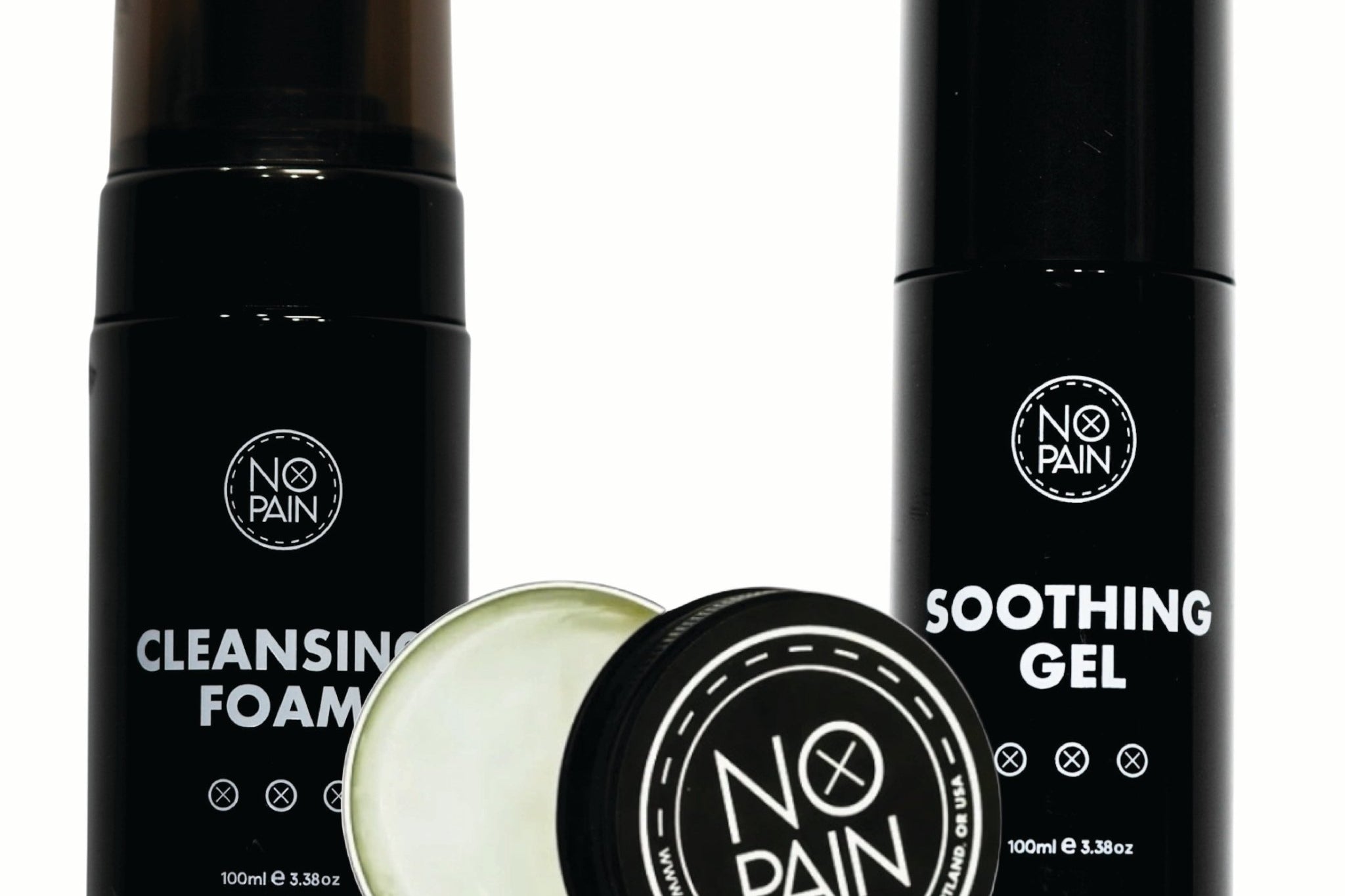
Keep the fresh tattoo clean and moisturized during the healing window. Wash once or twice a day with a gentle, fragrance-free cleanser, pat dry, and apply a thin layer of soothing gel for the first several days. Thin is the word: you want the skin to breathe. A thick coating seals the wound and creates conditions for bacterial growth.

Lightweight cooling gel for the first days of healing. Calms inflammation without sealing the wound or trapping heat the way heavy ointments do. Keep the skin clean; give it the best chance to heal.
Once the peeling stage begins (days seven to fourteen), switch to a nourishing balm. A hydrated tattoo itches less, which means you're less likely to scratch or pick. Picking at a blowout-affected tattoo can disrupt the skin surface and make the visual result worse, not better.

Nourishing shea butter balm for the peeling stage. Keeps skin supple enough that flakes separate naturally, reducing itch and the urge to pick.
Can Tattoo Blowout Be Fixed?
Yes, though not by reversing the spread. Once ink has moved into the fat layer, it stays there. What can be fixed is how the tattoo looks. You have three options.
Wait and reassess. Before doing anything, let the tattoo fully heal. Four to six weeks minimum. What looks like a major blowout while fresh and swollen can look considerably less severe once the skin settles. Some blowout ink disperses over time and becomes less concentrated, making it slightly less visible. Don't rush into a decision while the tattoo is still actively healing.
Cover-up or rework. The most common fix. A skilled artist can redesign around the blowout, using the spread ink as negative space or folding it into a larger design. Background elements (shading, texture, patterns) can absorb blurry edges and make the blowout invisible within a more complex composition. This isn't a patch job; it requires planning the right design for your specific blowout shape and placement. Look for an artist who has fixed blowouts before and who can show you healed cover-up work.
Laser removal. Laser can target the spread ink particles and break them down so the body flushes them away. You may not need to remove the whole tattoo. A few sessions can often fade the blowout area enough that it's no longer visible, or reduce it to the point where a much simpler cover-up becomes possible. Laser before a cover-up is a common two-step approach for severe blowouts.
What doesn't work: topical treatments, skin lightening creams, or any product claiming to fade or lift tattoo ink. These won't reach the hypodermis where the spread ink lives.
Frequently asked questions
How do I know if my tattoo is blowing out or just healing?
The key difference is what changes over time. Normal healing (cloudiness, dullness, temporary puffiness) improves as the tattoo settles. Blowout spreading doesn't reverse as you heal. If you're still seeing ink seeping outward from lines or dark halos around the design at the four-to-six week mark after your session, that's a blowout. Bruising in the first one to two weeks can look similar but clears on its own. Wait for a fully healed tattoo before drawing conclusions.
Can tattoo blowout get worse over time?
The initial ink deposit doesn't keep spreading indefinitely, but it may diffuse slightly in the months after the tattoo. The biggest risk is making it worse yourself: picking at the healing skin, scratching aggressively, or letting an infection develop can damage the dermal structure and affect how the surrounding skin holds ink in any future rework. The spread ink itself is static once healing is complete; it won't keep migrating years later.
Is tattoo blowout the artist's fault?
Usually yes, in the sense that technique is the primary cause. But it's worth understanding what you're blaming. Artists who are newer and still calibrating their needle depth and angle make this error more often. Thin-skin placements genuinely increase the difficulty. A very experienced artist can still produce a blowout on a particularly challenging placement. What you can control going forward is choosing an artist whose healed portfolio shows consistently clean linework, especially on the placement you want.
What tattoo placements are most blowout-prone?
High-risk areas are those with thin skin and a narrow margin between the dermis and the fat layer. Inner wrists, the tops of hands and feet, fingers, ankles, the inner bicep, and ribs are the most commonly cited problem zones. This doesn't mean you can't get a good tattoo in these areas. It means they require more precise technique, and you should be more selective about your artist for these placements. (Full placement guide here.)
Does aftercare affect blowout?
Aftercare can't fix a blowout that's already happened, but it affects how the tattooed skin heals around it. An infected or heavily scabbed tattoo can lose surface ink and alter the appearance of the tattoo in ways that make the blowout look worse. Good aftercare (clean, moisturized, don't pick) gives the skin the best chance to heal cleanly and leaves the least disrupted surface for any future rework or cover-up.
How long should I wait before getting a blowout covered up?
Wait until the tattoo is fully healed: surface and deeper dermal healing. Four weeks of active care covers the surface; the dermal layer takes three to six months to fully stabilize. Most artists won't touch up or rework a tattoo before three months, ideally four to six. Going back too early means the skin is still changing, and neither you nor the artist can accurately assess what the blowout looks like in its final state. Use that time to research artists experienced in cover-up work.
Heal It Right
Whether you're dealing with a blowout or just want to protect your work, proper aftercare matters. Cleansing foam, soothing gel, and nourishing balm. Everything you need from day one through full healing.
Shop the Aftercare Bundle →Formulated at Historic Tattoo in Portland, Oregon. 100% money-back guarantee.