


The elbow ditch has a reputation, and it's earned. This is one of the spots collectors warn first-timers about, and one of the few placements where experienced people who've sat through ribs and spines still say they weren't prepared for it.
The reason isn't mysterious. The inner elbow is where a major nerve network sits closest to the skin surface, with almost nothing between the needle and the nerve. What you feel isn't diffuse pain. It doesn't settle down the way most placements do after the first few minutes. Here's the full breakdown: why it hurts, what it actually feels like, how to get through the session, and what to expect from the heal.
In this article
- Why the elbow ditch hurts so much
- What the pain feels like
- Pain rating
- What the session is like
- Numbing strategy
- Healing challenges
- Frequently asked questions
Why the Elbow Ditch Hurts So Much
Three things combine here, and all three point in the same direction.
The main factor is the nerve density. The median nerve and the medial cutaneous nerve of the forearm both pass through the inner elbow crease. They're close to the surface, with very little protective tissue between them and the skin. When the tattoo needle works that area, it's stimulating major nerve pathways directly rather than working over muscle or fat that would diffuse the sensation. This is why the elbow ditch feels electric in a way that other arm placements don't.
Second is the skin. The skin in the inner elbow is genuinely thin. It doesn't get sun, doesn't get much physical contact, and hasn't developed the same toughness as the outer arm or the forearm. Less skin between the needle and the nerves means the sensation hits with less filtering.
Third is the crease itself. A fold is not a flat surface. The needle is in consistent contact with skin on both sides of the crease at once, and the anatomy concentrates the sensation in a way that flat placements don't. The deepest part of the fold, right at the tightest point, is consistently the most intense section.
What the Pain Feels Like
Sharp and electric. Not a dull ache, not bone vibration. A clean, acute sting with a shooting quality on deeper passes that travels outward rather than staying put. A lot of people feel it in the forearm even though the needle isn't touching the forearm. That's the nerve pathway doing what it does.
The other thing that catches people off guard: it doesn't adapt. Most placements get easier as the session goes on. Your nervous system adjusts to the input, adrenaline kicks in, and the pain plateaus at something manageable. The elbow ditch stays sharp because the nerve concentration is consistent across the whole crease, not isolated to one spot you can get past. You don't really get a break from it.
People who've sat through ribs, spine, and sternum without much issue still frequently say the elbow ditch surprised them. It's a qualitatively different type of pain - one that's harder to breathe through.
Pain Rating
Consistently 8 to 9 out of 10. The deepest part of the crease is where most people hit their limit. The slightly flatter skin on either side of the fold sits maybe a notch lower, but nothing in the area is comfortable. For comparison: the outer bicep is a 3. The inner bicep is a 6 to 7. The elbow ditch is in a different tier.
It sits below the knee ditch and the armpit on most rankings, but only slightly. The difference is that the knee ditch tends to produce more involuntary movement from the nerve response, which makes it harder on the artist as well as the client. The elbow ditch is harder to sit through mentally because the pain doesn't adapt. Both are near the top.
What the Session Is Like
The pain is the headline, but the logistics of the session add their own challenge.
Your arm needs to be extended and held relatively flat for the artist to work the crease properly. That means arm out, palm up, staying still. The first twenty minutes are fine. After that the position gets uncomfortable in its own right - arm fatigue stacks on top of pain from the needle. Most people start tensing the arm involuntarily as the session goes on, which tightens the skin and makes the work harder.
The better approach is to go completely limp and let the artist position the arm. Counterintuitive, but trying to "help" by holding the position yourself creates more tension, not less. When you need a break to shake the arm out, say so. Your artist has dealt with this. A ten-second reset is easier to work around than a canvas that keeps shifting.
For larger designs with heavy shading in the ditch, splitting the work across two sessions is worth considering. The skin in the crease is reactive, and fatigue compounds. Two focused sessions tend to produce better work than one long one.
Numbing Strategy
For most placements, numbing cream is a comfort upgrade. For the elbow ditch, it's the difference between a session you can actually sit through and one that gets cut short.
Here's why it works especially well here: the main source of pain is direct nerve stimulation. That's exactly what lidocaine blocks - it stops the pain signal at the nerve ending before it reaches the brain. On a placement where you're effectively tattooing over nerve tissue, that blocking effect is more complete than it is in areas where pain comes from bone vibration or general tissue trauma.
Apply maximum strength cream to the full crease area 60 to 90 minutes before your session, cover with plastic wrap, and arrive already numbed. The thin skin in the ditch absorbs well, so you get good penetration if you give it the full window. Don't apply at the shop and expect it to work in twenty minutes. It won't.
The formula matters. Thin creams peak early and wear off in the first 45 to 60 minutes - right when the hardest work is usually happening. A thick, slow-absorbing base builds to full depth and holds it. For a session running past two hours, secondary numbing gel your artist applies mid-session to broken skin extends the coverage window into the back half of the appointment.

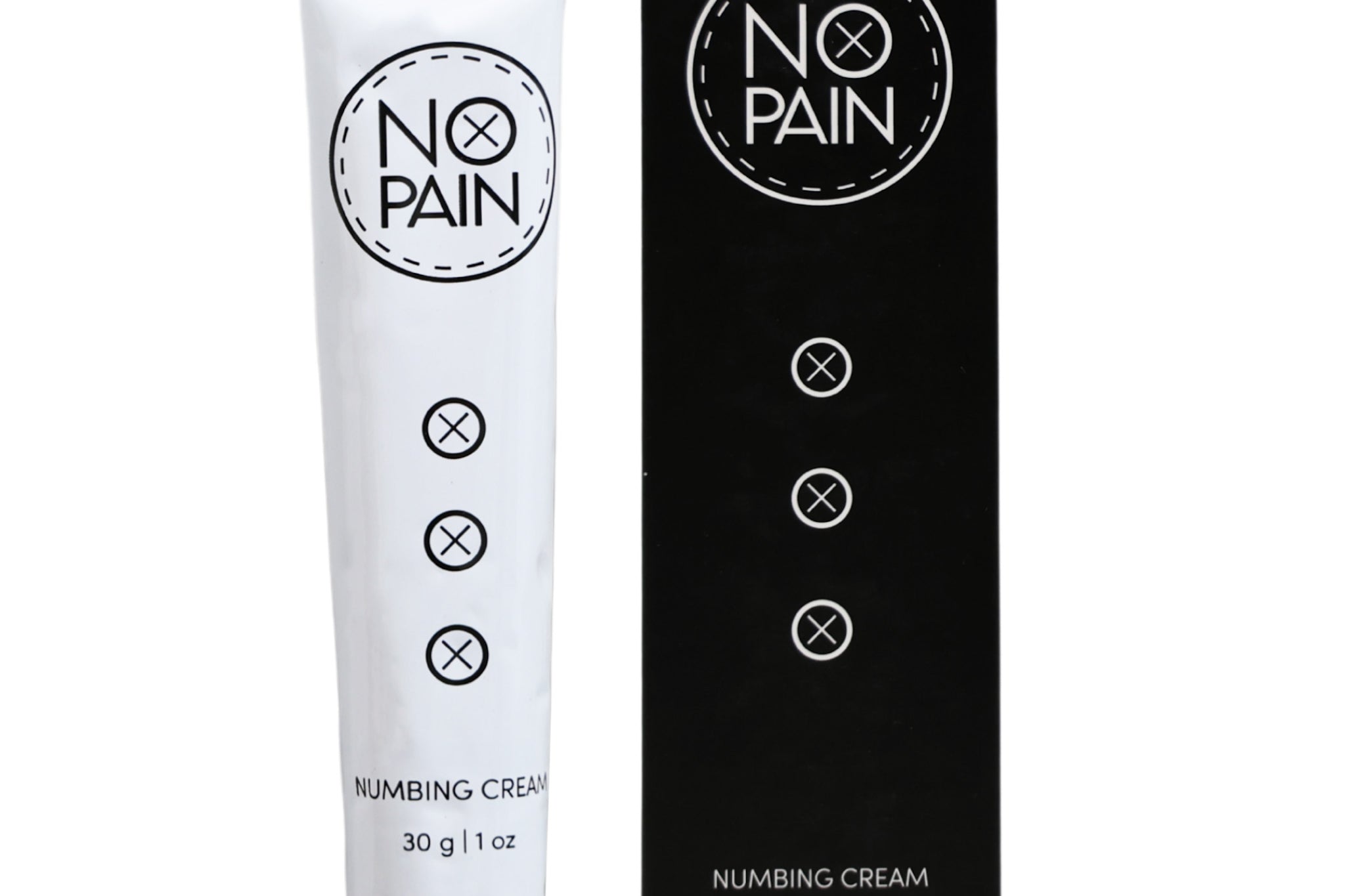
Maximum strength formula in a thick, slow-absorbing base that holds longer than thin creams that fade mid-session. The elbow ditch is one of the best arguments for numbing cream - the pain comes from direct nerve stimulation, and lidocaine blocks that at the source. Apply 60 to 90 minutes before your appointment, cover with plastic wrap, and arrive already numbed. Formulated at Historic Tattoo in Portland.

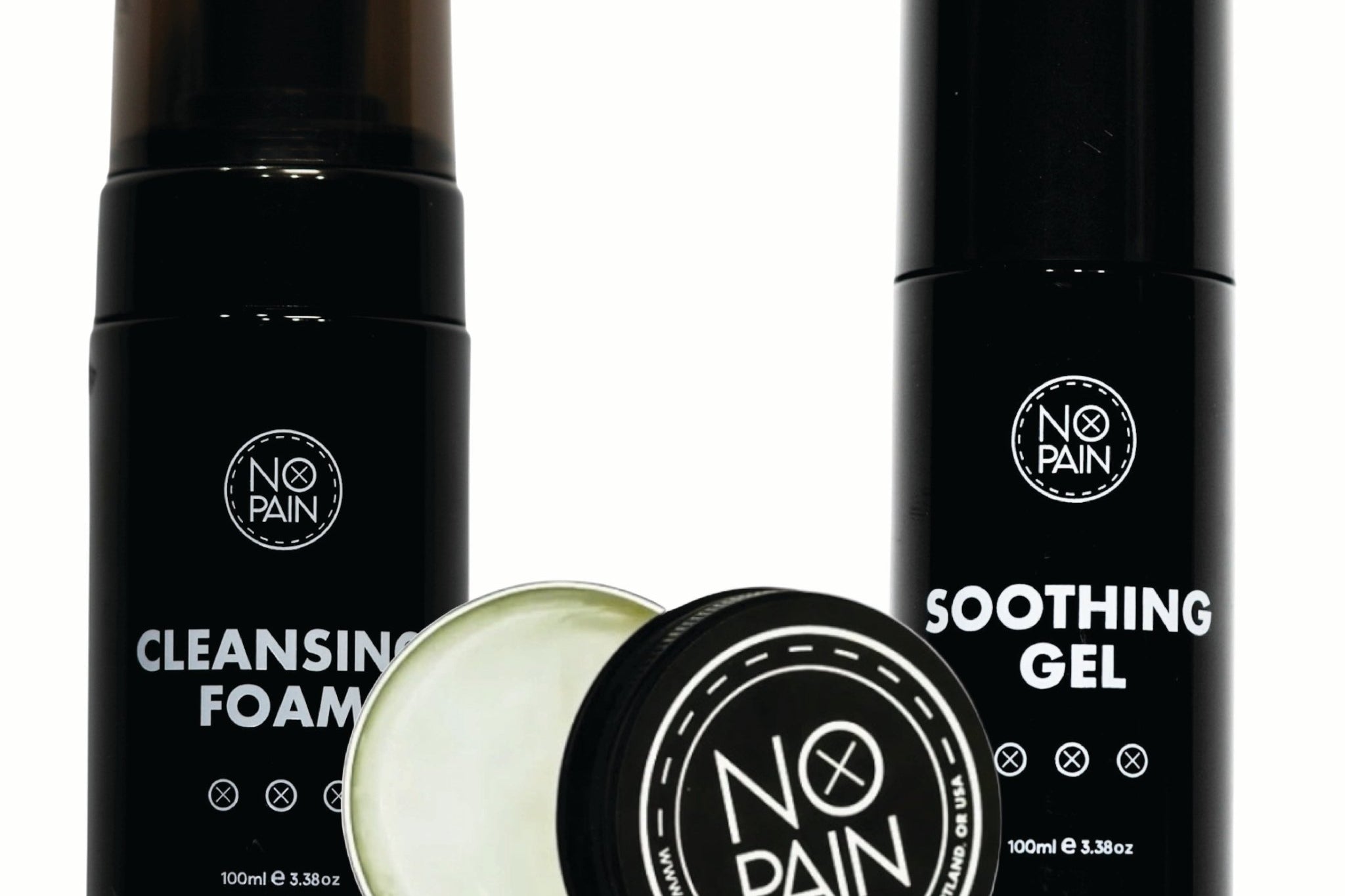
Pre-session numbing cream plus secondary numbing gel your artist applies to broken skin mid-session to re-numb and keep working. Together they cover the full sitting. For a detailed elbow ditch piece or anything with heavy shading in the crease, bring both. Formulated at Historic Tattoo in Portland.
Healing Challenges
The session is the hard part, but the heal has its own complications. The elbow ditch heals slower than most arm placements for one reason: the elbow never stops moving.
Every time you bend your arm, the skin in the crease folds and stretches. That happens dozens of times an hour just from normal daily activity. During the first two weeks of healing, that repeated flexion disrupts the closing skin. It creates micro-friction over the tattooed surface, increases the risk of cracking in the peeling phase, and can cause ink loss in fine-line work if the crease isn't kept properly moisturized.
Keep the arm extended as much as possible during the first week when you're not actively using it. Rest it on a flat surface rather than bent. When you sleep, try to stay off the bent-arm position. Not always controllable, but worth being aware of.
Moisturizing is more important here than in most other placements. Dry, cracked skin in a crease that bends constantly is where lines lose definition and shading goes patchy. Apply aftercare product in thin layers, more frequently, rather than one heavy coat that sits on the skin. The crease environment traps moisture, so you want absorption rather than surface buildup.
Expect surface healing to take three to four weeks rather than the standard two to three. The deeper layers take longer too. Don't rush back to gym work that requires heavy elbow flexion, climbing, or pulling before the surface is fully closed.

Water-based formula that absorbs cleanly rather than sitting on the skin surface. For a crease that bends constantly and traps moisture, absorption matters more than a heavy coat. Apply in thin layers more frequently during the first two weeks to keep the skin pliable without product buildup in the fold. Formulated at Historic Tattoo in Portland.
Frequently asked questions
How bad does an elbow ditch tattoo hurt?
Most people rate it 8 to 9 out of 10. The inner elbow crease has very thin skin over a dense cluster of nerves, including the median nerve and the medial cutaneous nerve of the forearm. The needle stimulates those nerve pathways directly, which produces a sharp, electric sensation that's harder to manage than the sustained ache you get from bone-contact placements. It also doesn't adapt over time the way some painful spots do. It stays sharp from first pass to last.
Why does the elbow ditch produce an electric sensation?
Because the needle is working directly over major nerve pathways rather than muscle or fat that would buffer the sensation. The median nerve and the medial cutaneous nerve of the forearm both run through the inner elbow close to the skin surface. When the needle hits that zone, it stimulates those nerves directly, which is why the sensation shoots outward into the forearm rather than staying localized. It's nerve pain, not tissue pain, and it feels different from everything else on the arm.
Can you use numbing cream on the elbow ditch?
Yes, and the elbow ditch is one of the best placements for it. Lidocaine blocks pain signals at the nerve endings - and since the main source of elbow ditch pain is direct nerve stimulation, the blocking effect is especially complete here. Apply maximum strength cream to the full crease area 60 to 90 minutes before your session, cover with plastic wrap, and let it fully absorb before you walk in. Tell your artist beforehand. Most are relieved when clients come in already numbed because it reduces involuntary arm movement and makes the work easier for both of you.
How long does an elbow ditch tattoo take to heal?
Three to four weeks for the surface, which is longer than most arm tattoos. The constant flexion of the elbow during daily activity slows healing in a way that doesn't affect more stable placements. Full dermal settling takes closer to two to three months. Keeping the arm extended when resting, moisturizing consistently, and avoiding heavy pulling or climbing exercises for the first few weeks all help the work hold cleanly.
Do elbow ditch tattoos fade faster?
Fine-line work in the crease can soften over time because the skin there flexes constantly. The same movement that slows healing also affects how ink settles long-term. Bold designs with heavier line weights tend to hold up better than delicate detail work in this location. Most artists working the ditch recommend slightly heavier line weights than you'd use on a stable surface, and a touch-up in the two-to-three-year range is more likely here than for placements with less skin movement.
Is the elbow ditch more painful than the outer elbow?
They're painful in different ways. The outer elbow is painful because of bone proximity - the machine vibrates through the olecranon and you feel it resonating through the arm. The ditch is painful because of nerves - it's sharp and electric rather than a grinding vibration. Most people find the ditch harder to manage in the moment because the pain is more acute and doesn't plateau. The outer elbow is more of a sustained, grinding discomfort. Both are difficult. Neither is a good first tattoo placement.
Numb the Nerve Pain Before It Starts
The elbow ditch is one of the few placements where numbing cream doesn't just take the edge off - it fundamentally changes the experience. Maximum strength formula, thick slow-absorbing base, 60 minutes before you sit down.
Shop Numbing Cream →Formulated at Historic Tattoo in Portland, Oregon.