


It depends entirely on where on the thigh. The outer thigh is one of the least painful places to get tattooed on the entire body, consistently rated 3 to 5 out of 10. The inner thigh is one of the most painful, at 8 to 9 out of 10, for reasons that are completely different from other high-pain spots. The gap between these two placements is larger than almost any other location-within-location comparison in tattooing.
If someone tells you thigh tattoos hurt, ask which part. If someone tells you thigh tattoos are easy, same question.
In this article
- Outer thigh: why it's one of the easiest spots
- Inner thigh: why it's one of the hardest
- Back of the thigh
- Zone summary
- How to reduce thigh tattoo pain
- Healing a thigh tattoo
- Frequently asked questions
Outer Thigh: Why It's One of the Easiest Spots
The outer thigh is protected by the quadriceps, which is one of the largest and most developed muscle groups in the body. On top of that muscle mass sits a layer of fat and relatively thick skin that gets daily conditioning from clothing, movement, and sun exposure. The result is a placement with natural padding in every direction and very little direct nerve exposure at the surface.
The major sensory nerves of the thigh, including the femoral nerve and its branches, run primarily on the medial (inner) side. The outer thigh sits away from these nerve highways, which is why the sensation there is much duller and more diffuse than on other high-pain bony or nerve-dense spots. Most people describe it as a sustained scratching sensation with some burning over prolonged shading, rather than the sharp electric feeling you get from the inner elbow or the shin.
This is why the outer thigh is so often recommended as a placement for a first large tattoo. The skin holds ink well, the surface is broad and relatively flat for the artist to work on, and you can sit comfortably for a long session without the pain escalating in the way it does on more sensitive placements. A three-to-four-hour session on the outer thigh is realistic for most people without numbing. That is not the case for almost any other spot at the same duration.
Inner Thigh: Why It's One of the Hardest
The inner thigh is the anatomical opposite of the outer thigh in almost every way that matters for tattooing. The skin is considerably thinner, the area has very little muscle mass directly beneath it compared to the quad, and it sits directly over the path of the femoral nerve and the medial femoral cutaneous nerve, which supply sensation to a large portion of the inner leg. These nerves are close to the surface here in a way they are not on the outer thigh.
The result is a sharp, biting, burning sensation that most people rate as genuinely difficult regardless of their general pain tolerance. The inner thigh does not produce the bone vibration you get from the shin or the spine; it produces nerve-level pain from very direct stimulation of surface nerve tissue. On the most sensitive areas near the groin, many people also notice an involuntary flinching response that the outer thigh almost never produces.
Why the inner thigh is harder to sit through
Beyond the raw pain level, the inner thigh has a mechanical challenge that compounds everything else. The skin in this area is naturally looser and less taut than on the outer thigh, particularly in the upper inner portion. The artist is working on a surface that moves slightly with muscle activation, which is why many artists will ask the person to lie on their side with the leg positioned to maximize skin tension. Even with ideal positioning, the inner thigh is one of the less stable canvases on the body, which can affect both how easy the session is to get through and how cleanly fine lines lie.
This is also why numbing cream makes more difference on the inner thigh than almost anywhere else on the leg. The primary pain source is nerve stimulation in thin skin, which is exactly what lidocaine targets.
Back of the Thigh
The back of the thigh, the hamstring area, falls between the outer and inner for most people and comes in at 5 to 7 out of 10. The hamstring has reasonable muscle mass, which provides more cushioning than the inner thigh, but the skin is thinner and less conditioned than the outer thigh, and the nerve supply is more complex, with the posterior femoral cutaneous nerve running directly down the center of the back of the thigh.
The upper back of the thigh near the gluteal fold can be particularly sensitive, since the skin is thinner and the nerve is closer to the surface in that region. The mid-hamstring area is typically the most comfortable part of the back of the thigh. The knee crease at the bottom of the thigh, where the back of the leg folds, has its own sharp character from the tendons and concentrated nerve endings at the joint, similar to the back of the knee.
Zone Summary
Outer thigh: 3 to 5 out of 10. Large, well-padded surface. Good muscle and fat coverage. Major nerves sit medially. Excellent for long sessions and large designs. One of the most artist-friendly spots on the body.
Inner thigh: 8 to 9 out of 10. Thin skin directly over medial nerve pathways. No significant muscle padding. Loose skin that requires specific positioning. High-pain zone that also presents healing challenges. Numbing cream produces the biggest results here of anywhere on the thigh.
Back of thigh (mid-hamstring): 5 to 7 out of 10. More sensitive than the outer thigh, less sharp than the inner. Posterior femoral cutaneous nerve runs the length of this area. Upper portion near the glute fold is more sensitive; mid-hamstring is the most manageable. Knee crease is its own separate challenge.
How to Reduce Thigh Tattoo Pain
For the outer thigh, most people do not need numbing cream unless the session is very long or they have low pain tolerance in general. The placement is forgiving enough that standard prep covers it: eating beforehand, staying hydrated, booking a morning appointment.
For the inner thigh, numbing cream makes a substantial difference. The pain there is nerve-driven and surface-level, which is precisely what lidocaine blocks at the nerve ending. People who go into an inner thigh session numbed describe a pressured sensation rather than the sharp burning they would otherwise feel. Apply to the clean, dry inner thigh skin, cover with cling film, and wait 90 minutes before your appointment. Because inner thigh skin is thinner than most placements, it absorbs the cream effectively, but formula matters: a thicker base holds the numbness longer than a thin cream that peaks and fades in the first 20 minutes.

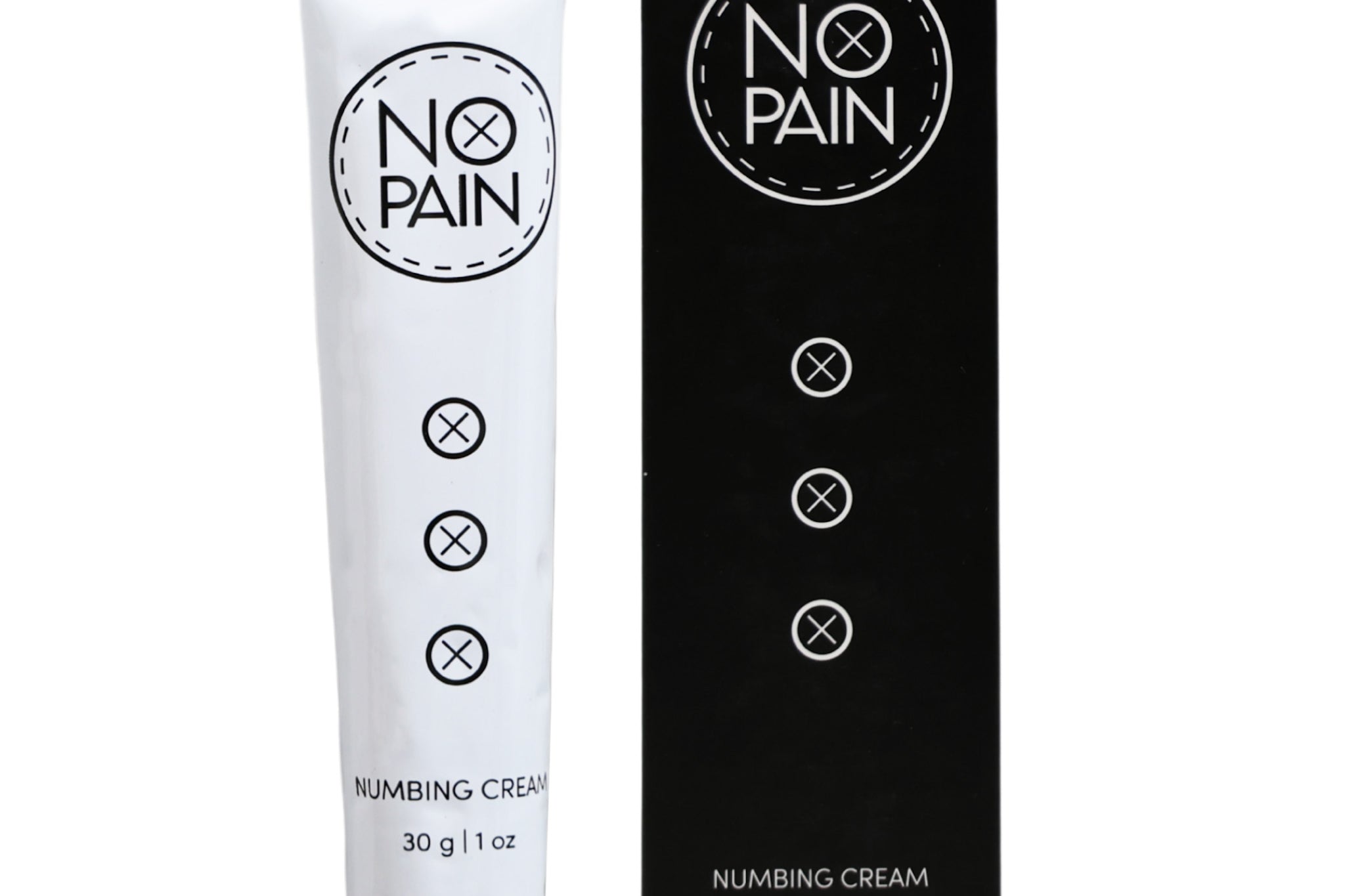
Maximum strength formula in a thick, slow-absorbing base. Apply to clean, dry skin under cling film 90 minutes before your session. The inner thigh's thinner skin absorbs lidocaine quickly and deeply - which works in your favor when the formula is designed to build and hold rather than peak and fade. Formulated at Historic Tattoo in Portland.
For longer inner thigh sessions with multiple passes, secondary numbing gel extends coverage mid-session on broken skin. Together they cover the full sitting from the first line through the shading passes.

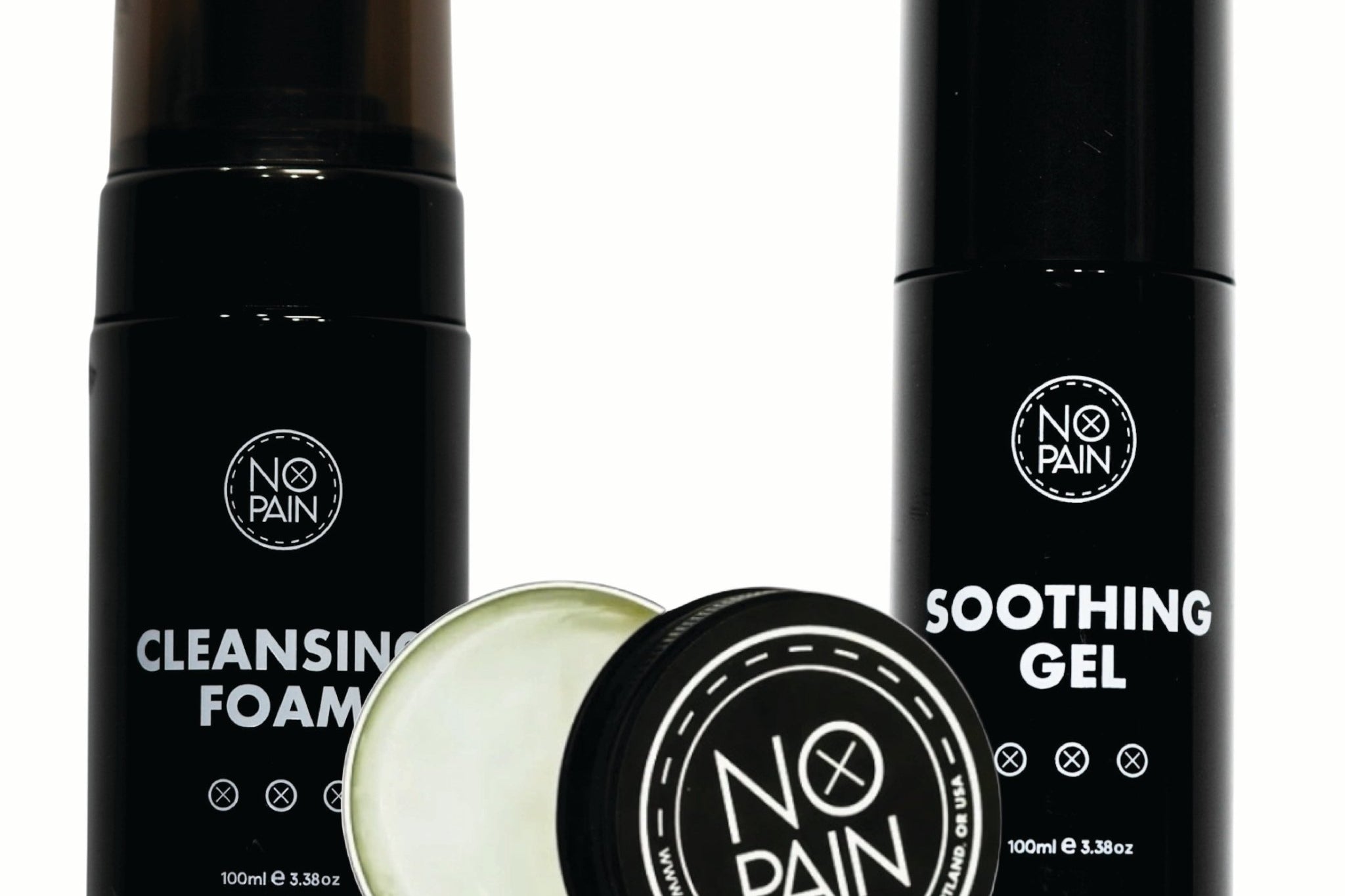
Pre-session numbing cream plus secondary numbing gel your artist applies mid-session on broken skin. For inner thigh sessions with detailed shading or large fills, the re-numb keeps you covered through the passes when the skin is already worked - the combination carries you from first line to last. Formulated at Historic Tattoo in Portland.
Healing a Thigh Tattoo
Outer thigh healing is relatively straightforward. The area has good blood supply, does not bend at a joint, and the skin is resilient. The main variable is clothing: jeans or fitted pants that sit over the tattoo will rub against it constantly in the first week. Loose, soft fabric over the healing skin makes a real difference. The outer thigh is otherwise one of the lower-maintenance spots to heal.
Inner thigh healing is where the placement's challenges compound. The inner thighs contact each other with every step you take. In warm weather, the friction zone also accumulates sweat, which keeps the healing skin moist and can soften the surface in a way that prolongs the peeling phase and sometimes affects how cleanly the work heals. Loose-fitting clothing that does not create a pressure point between the thighs is more important here than anywhere else on the leg.
Some people use a light breathable dressing on the inner thigh for the first few days to reduce friction, particularly for walking-heavy lifestyles. The standard aftercare routine applies regardless of which part of the thigh: gentle washing twice a day, a thin layer of aftercare balm to keep the skin from drying and cracking, and no picking at the peeling skin. The surface looks healed in two to three weeks and the skin is fully settled in four to six weeks for both placements. The placement and healing guide covers the general healing arc in more detail.
Frequently asked questions
Do thigh tattoos hurt?
It depends on the zone. Outer thigh tattoos are among the least painful placements on the body, consistently rated 3 to 5 out of 10. The thick muscle, fat layer, and relatively low nerve density on the outer side make it one of the most comfortable spots for a large tattoo. Inner thigh tattoos are the opposite - 8 to 9 out of 10 - because of thin skin directly over the medial nerve pathways. Back of thigh falls in between at roughly 5 to 7. The word "thigh" covers a wide range of very different experiences.
How bad does an inner thigh tattoo hurt?
Most people rate the inner thigh at 8 to 9 out of 10, putting it in the same pain tier as the ribs, the shin, and the inner elbow. The sensation is sharp and burning from direct stimulation of the medial femoral cutaneous nerve through the thin inner thigh skin. The upper inner thigh near the groin is the most sensitive section. Numbing cream makes a real difference here because the pain is nerve-driven and surface-level, which is exactly what lidocaine targets.
Is the outer thigh a good placement for a first tattoo?
Yes, the outer thigh is one of the best placements for a first large tattoo. The quadriceps muscle provides substantial natural padding, the skin is thick and well-conditioned, and the major nerve pathways sit on the inner side of the leg rather than the outer. The result is a dull, manageable scratching sensation that most people find easy to sit through for several hours. Artists also favor it because the surface is broad, flat, and stable.
Do inner thigh tattoos hurt more than outer thigh?
Yes, by a wide margin. The outer thigh consistently rates 3 to 5 out of 10; the inner thigh rates 8 to 9 out of 10. The anatomy is completely different: the outer thigh has the quad muscle and thick skin providing padding, while the inner thigh has thin skin with almost no cushioning over a nerve-dense area. The gap between them is one of the largest within-location pain differences in tattooing. If you are comparing placements and location matters less than pain level, the outer thigh is the obvious choice.
How do I prepare for an inner thigh tattoo?
The most effective preparation is a maximum strength numbing cream applied to the clean, dry inner thigh under cling film for 90 minutes before your appointment. Eat a proper meal beforehand to keep blood sugar stable, stay well-hydrated in the days leading up to the session, and if possible book a morning slot when pain tolerance is at its peak. For sessions longer than an hour, a numbing gel can extend coverage once your artist is already working on broken skin. Wear loose, soft clothing to your appointment that can easily expose the inner thigh without pulling across the healing skin afterward.
Are thigh tattoos hard to heal?
Outer thigh tattoos are among the easier placements to heal. Avoid fitted pants in the first week and the rest is standard aftercare. Inner thigh tattoos are more demanding because the inner thighs rub together constantly during normal walking, creating friction on the healing surface all day. Loose-fitting clothing, keeping the skin clean and moisturized, and protecting the area during the first week of heavy peeling makes the difference between a clean heal and one with patchy areas from skin disrupted too early.
Make the Inner Thigh More Manageable
Maximum strength numbing cream in a thick, slow-absorbing base blocks the nerve-level pain before your session starts. Apply under cling film 90 minutes before your appointment. For longer sessions, the bundle adds a mid-session re-numb for the shading pass.
Shop the Comfort Bundle →Formulated at Historic Tattoo in Portland, Oregon.