
HUSH is a well-known product in the tattoo world and a fair one to compare against. Both No Pain Tattoo Numbing Cream and HUSH use the same active ingredient at the same maximum over-the-counter concentration; that part is not a differentiator. What is different is the base formula, the application method, and what that means for how long the numbing actually lasts during a session. Here is the full breakdown.
In this article
- What HUSH is
- What No Pain Tattoo Numbing Cream is
- How they compare
- The verdict
- Frequently asked questions
What HUSH Is
HUSH Anesthetic is one of the most recognized tattoo numbing brands in the United States. Their cream is a widely stocked product in tattoo supply chains and has been a go-to recommendation in many studios for years. It uses lidocaine as its primary active ingredient along with a set of botanical additives: aloe leaf extract, marigold, chamomile, green tea, and menthol. HUSH recommends a 30-to-60-minute application time before a session begins.
HUSH also offers a gel product designed for mid-session use on broken skin, and a numbing spray. The brand has done well at making numbing cream mainstream in tattooing, which is worth acknowledging. Before brands like HUSH normalized it, a lot of artists pushed back on numbing cream as an option. That perception has shifted considerably, and HUSH deserves some credit for that.
What No Pain Tattoo Numbing Cream Is
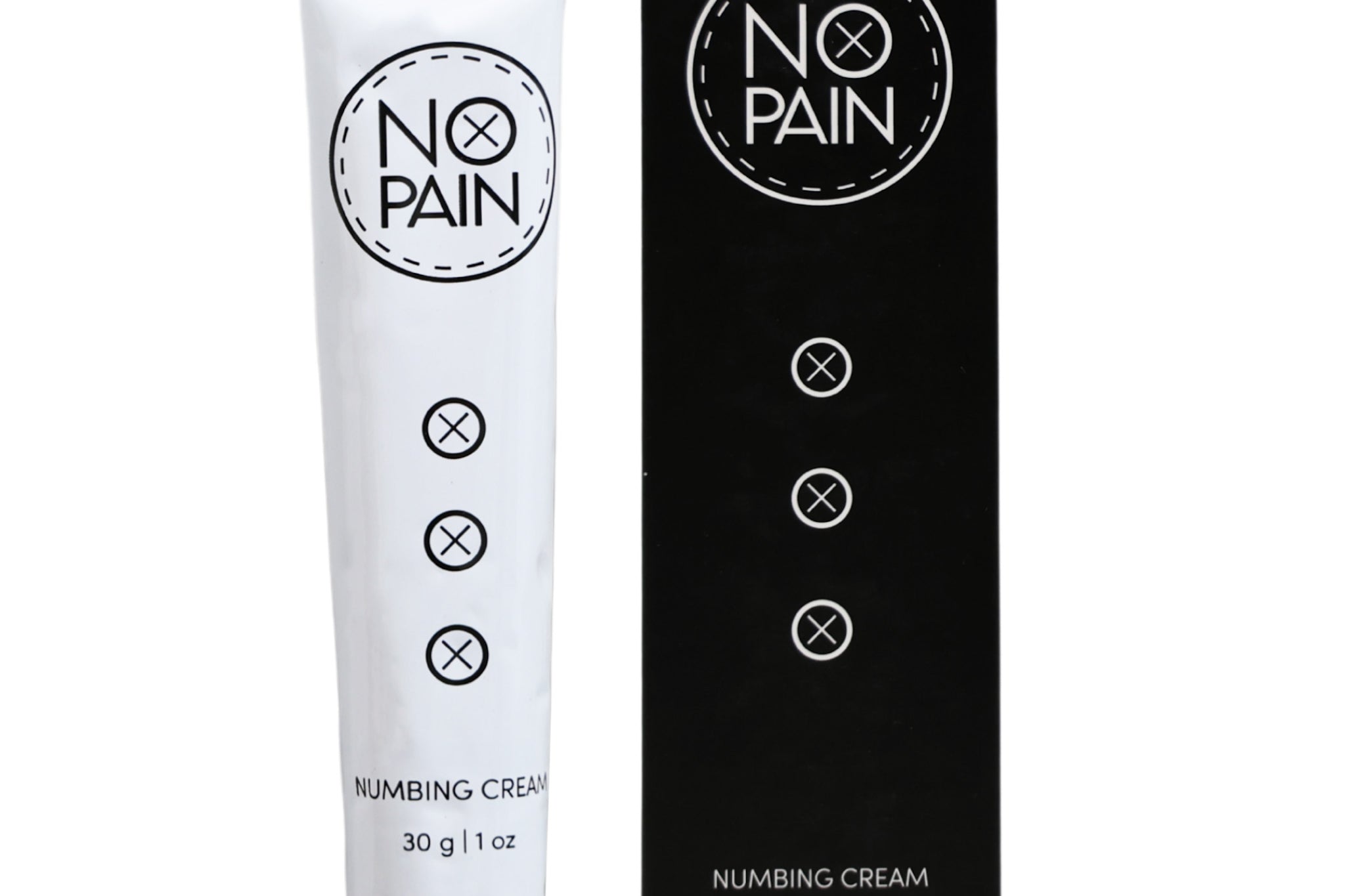
No Pain Tattoo Numbing Cream was developed at Historic Tattoo in Portland, Oregon, to solve a specific problem: sessions were getting longer, and standard numbing creams were not lasting long enough to cover them. The brief was simple: build a cream that stays active for the duration of a 4-to-6-hour session, not just the opening hour.
The result is a thick, slow-absorbing formula with maximum strength lidocaine. The thickness is the point. A thicker base keeps the active ingredient in sustained contact with the skin during the full 90-to-120-minute application window, building saturation not just at the surface but deeper into the dermis where tattoo needles actually work. When the wrap comes off, the effective numbing window is 2 to 4 hours, longer and deeper than a thinner formula achieves at the same lidocaine concentration. The cream is fragrance-free, formulated for tattooing specifically, and comes with a 100% money-back guarantee.
How They Compare
The active ingredient
Both products use lidocaine, and both use the maximum concentration allowed for over-the-counter topical products. This is the same for every compliant numbing cream on the market. OTC lidocaine concentration is regulated and capped. Any product claiming to contain a higher concentration than the legal OTC limit is not compliant. On this dimension, HUSH and No Pain Tattoo are identical: same active ingredient, same maximum legal concentration.
The base formula
This is where the products diverge. HUSH uses a lighter botanical formula with aloe, chamomile, green tea extract, and menthol. These are sensible skincare ingredients: aloe soothes, chamomile calms, green tea provides antioxidants. The menthol creates a noticeable cooling sensation that many people associate with numbing, though it works through a different mechanism than lidocaine (cold receptor activation rather than sodium channel blockade). A thinner, botanical-forward base absorbs more quickly.
One caveat worth noting for sensitive skin: chamomile belongs to the Asteraceae plant family, which cross-reacts for people with ragweed, daisy, or chrysanthemum allergies. Marigold (calendula) is also Asteraceae. Menthol can cause contact sensitization in some individuals as well. Neither reaction is common, but if you have known plant allergies or tend toward reactive skin, a botanical-free formula removes the variable entirely.
No Pain Tattoo uses a dense, slow-absorbing base with no botanical additives. The slower the formula absorbs, the longer the lidocaine stays concentrated at the application site rather than dispersing. This is the core formulation argument for longer sessions: the base is engineered to extend the saturation window, not to feel pleasant on the skin during application.
Application time
HUSH recommends 30 to 60 minutes of application time. No Pain Tattoo requires 90 to 120 minutes under cling film. The longer application time is not a disadvantage. It is the mechanism. More time under the wrap means the lidocaine has worked deeper into the dermis before the session begins. You plan ahead further, but you start from a higher baseline of saturation.
The two-coat application method makes a further difference: apply a thin rub-in layer first (this prepares the skin), then apply a thick frosting coat on top without rubbing in, cover with cling film, and wait the full 90 to 120 minutes. You can apply the cream at home and travel to your appointment with the wrap in place. Remove the wrap only when your artist is ready to start.
How long it lasts
HUSH's 30-to-60-minute application typically produces an active numbing window of around 1 to 2 hours after the wrap is removed. This is sufficient for shorter sessions: a small piece, a quick line work appointment, anything under 90 minutes to 2 hours.
No Pain Tattoo's 90-to-120-minute application produces an active window of 2 to 4 hours from the moment the wrap comes off, and the numbing operates at a different depth. Longer occlusion allows the lidocaine to penetrate further into the dermis, reaching the nerve fibers at the level where the needle works rather than sitting mostly in the upper layers. A shorter application can dull the initial surface sensation but wear thin faster and offer less protection on deeper passes. For a 3-to-5-hour session covering a larger area, the combination of depth and duration matters. The difference between numbing that holds through heavy shading and numbing that wears off halfway through is the difference between a manageable session and the last two hours feeling like a different appointment entirely.
Mid-session options
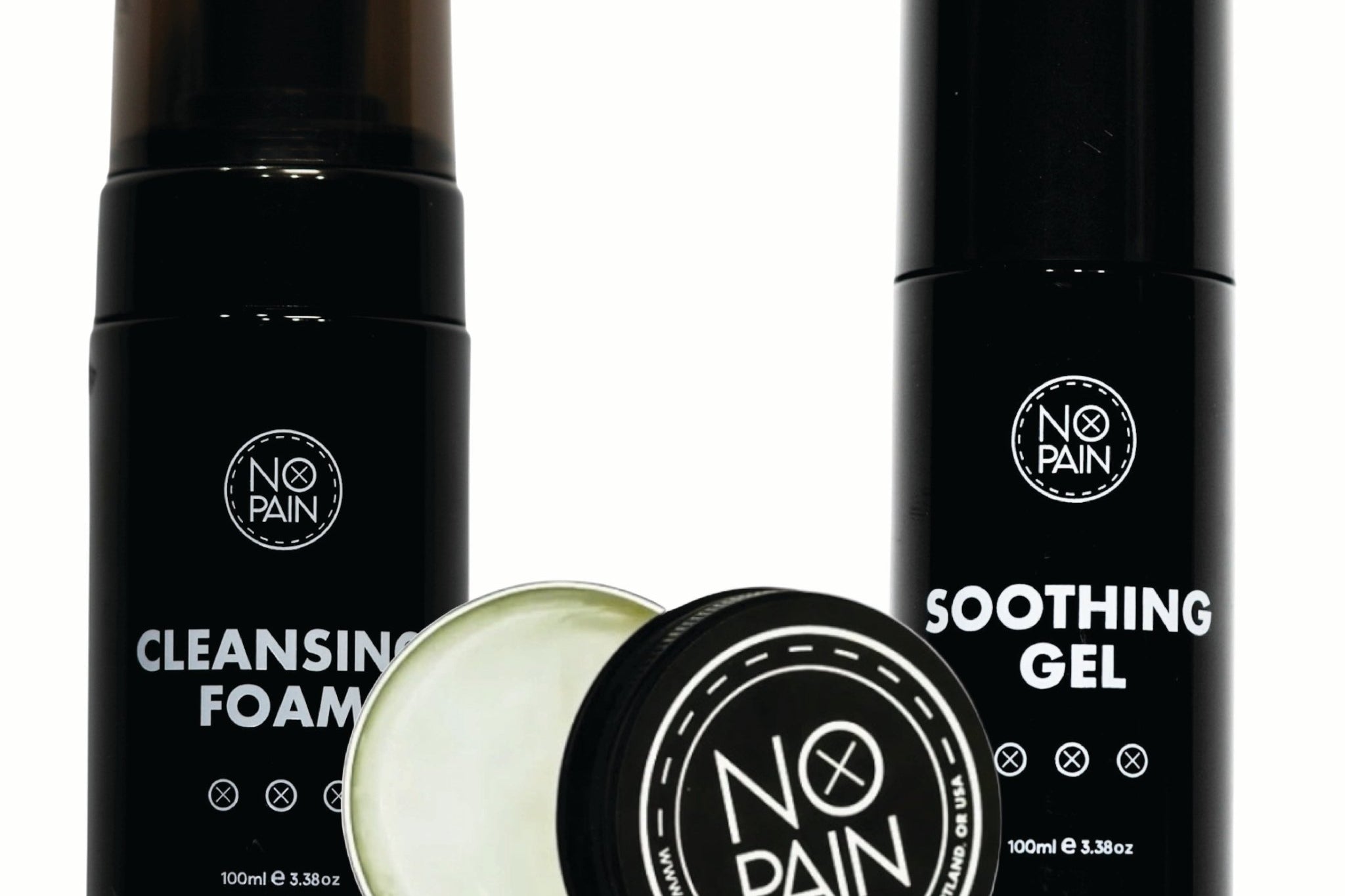
Both brands offer a mid-session product for broken skin. HUSH makes a gel. No Pain Tattoo makes a numbing spray. The mechanism is the same: lidocaine absorbs through broken skin much faster than intact skin, so a mid-session application with wrap time is unnecessary. The artist applies the product, waits 12 minutes under a wrap on the first application, then can apply and work immediately on subsequent applications. The No Pain Tattoo Comfort Bundle pairs the cream with the spray for full-session coverage on longer pieces.
Price
No Pain Tattoo Numbing Cream is $30, and there are almost always discounts available if you look. If you cannot find one, message us through the contact form and we will sort you out. HUSH cream pricing varies by retailer and size but typically runs in a comparable range. Price alone is not the deciding factor here. The question is what you are getting for it. A cream that wears off at the two-hour mark and a cream that covers a four-hour session are not the same product at any price.
The Verdict
For sessions under two hours, both products are reasonable options. HUSH's 30-to-60-minute application is faster and more convenient for shorter appointments, and its botanical formula is well-tolerated by most skin types. If you are getting a small piece done in a single pass and you want something you can apply an hour before walking in, HUSH works.
For anything longer: a multi-hour piece, a back session, a full sleeve sitting, a placement that requires sustained coverage: No Pain Tattoo Numbing Cream is not a marginal improvement over HUSH. It is a different formulation solving a different problem. HUSH is optimized for convenience and fast setup. No Pain Tattoo is optimized for depth and duration. The 90-to-120-minute application is a time investment, but what you get for it is lidocaine working at the depth where the needle actually goes, holding for 2 to 4 hours rather than fading out when the session is hitting its hardest passes.

Maximum strength lidocaine in a thick, slow-absorbing base. Apply two coats under cling film for 90 to 120 minutes before your appointment. Active window of 2 to 4 hours, longer than a thinner formula produces at the same lidocaine concentration.
Frequently asked questions
Is HUSH numbing cream good for tattoos?
Yes. HUSH is a legitimate numbing product with real lidocaine at the maximum OTC concentration, and it works. The main limitation is duration: the lighter botanical formula and shorter 30-to-60-minute application window produce a shorter active period than a thicker, slower-absorbing formula applied for 90 to 120 minutes. For sessions under two hours, HUSH is a reasonable option. For longer sessions, the duration gap matters.
What numbing cream do tattoo artists recommend?
Recommendations vary by artist and studio. Artists who work on longer sessions tend to gravitate toward creams with thicker formulas and longer application windows because the coverage holds through the piece. Artists doing shorter work are less focused on duration and more on quick setup. The most consistent advice from artists: whatever you use, apply it correctly (enough product, covered with cling film, enough time), tell your artist before the session, and use a spray on broken skin for mid-session top-ups.
Does the base formula actually matter if the lidocaine is the same?
Yes. Lidocaine concentration tells you the maximum active ingredient present. The base formula determines how efficiently that ingredient is delivered to the nerve fibers and how long it stays active. A thin, water-forward formula absorbs quickly and disperses more rapidly. A thick, slow-absorbing base holds the lidocaine at the application site longer during the absorption window and supports a longer active period after the wrap is removed. Same ingredient, different delivery, meaningfully different result on a long session.
How do I apply numbing cream correctly for a tattoo?
Clean and dry the area. Apply a thin first coat and rub it in completely; this primes the skin. Apply a second, thick coat on top without rubbing in (leave it as a frosting layer on the surface). Cover with cling film and secure the edges. Leave for 90 to 120 minutes. You can apply at home and travel to your appointment with the wrap in place. Your artist removes it when ready to start. Do not remove the wrap early. The extra time is what builds the depth of saturation that lasts through the session.
What is the difference between numbing cream and numbing gel for tattoos?
Numbing cream is for intact skin before the session starts. The skin must be unbroken for the lidocaine to absorb through it. Once the tattoo has begun and the skin is broken, cream cannot be reapplied effectively; it will not absorb the same way. Numbing gel or spray for broken skin uses the open dermis as a direct pathway for the lidocaine, which is why absorption is much faster (12 minutes with a brief wrap on first application, versus 90-plus minutes on intact skin). The two products are used at different stages, not interchangeably.
Can I use numbing cream if my artist said no?
Some artists are cautious about numbing cream because older or thin formulas could make skin rubbery and harder to work with. Modern properly-formulated creams wipe off cleanly and do not affect how ink goes in. That said, always tell your artist you have used numbing cream before the session starts. Do not hide it. If your artist has a specific objection, have that conversation directly. Most artists who work on longer or more painful placements have no issue with clients using a reputable cream applied correctly.
Can you be allergic to HUSH numbing cream?
Yes, though it is not common. HUSH contains chamomile and marigold (calendula), both of which belong to the Asteraceae plant family. People with allergies to ragweed, daisies, or chrysanthemums have a higher chance of cross-reacting to these ingredients. Menthol, also present in HUSH, can cause contact sensitization or dermatitis in some individuals. If you have had reactions to botanical skincare products or have known plant allergies, patch-test any new topical before applying it to a large area, or choose a formula with no botanical additives.
For Sessions That Go the Distance
The Comfort Bundle pairs the numbing cream with the mid-session spray. Cream handles the first two to four hours on intact skin. Spray keeps coverage going between passes on broken skin. Built for longer sessions by artists who run them.
Shop the Comfort Bundle →Formulated at Historic Tattoo in Portland, Oregon. 100% money-back guarantee. $54.00 $43.20