

Not every tattoo ages the way you hoped. Some develop soft spots in the lines or pale patches in the color within weeks of healing. Others look fine at first but fade, blur, or lose contrast over years of sun exposure. And some you simply outgrow: a design that made sense at the time that you'd like to transform into something you're proud to wear now.
The good news is that all of these situations have solutions. The right one depends on what you're starting with.
In this article
- Touch-up, refresh, or rework: which do you need?
- Touch-ups: fixing ink that didn't take
- Refreshes: restoring faded or blurry work
- Reworks: transforming what's already there
- Can you fix a tattoo blowout?
- Finding the right artist
- Pain and numbing for corrective sessions
- Aftercare: why it matters more the second time
- Frequently asked questions
Touch-Up, Refresh, or Rework: Which Do You Need?
These three terms get used interchangeably, but they describe different amounts of work.
A touch-up is a small corrective session to fix ink that didn't settle properly during the initial heal. A spot where color looks pale, a line that went soft, a small area where the ink didn't fully take. Touch-ups are usually quick, targeted, and often free or low-cost from the original artist.
A refresh (sometimes called a re-color or re-saturation) is more substantial. The design is sound, but the ink has faded or the lines have spread and softened over years of sun exposure and skin aging. An artist re-tattoos the existing design, going over the lines to sharpen them and repacking the color fields with fresh pigment. The goal is to restore the tattoo to something close to its original state.
A rework is a transformation. The artist doesn't just restore what's there. They add to it, adjust it, or restructure it into something new. This might mean adding a background or new elements to a standalone piece, pushing a design from one style into another, or redesigning sections of it entirely. Reworks require an artist who specializes in working with existing tattoos and can read what's already in the skin.
Touch-Ups: Fixing Ink That Didn't Take
Some ink loss during healing is normal. Picking at peeling skin, heavy scabbing, a patch of skin that was overworked during the session: all of these can leave small areas where the pigment didn't settle as well as the surrounding skin. A touch-up fills those in.
Most reputable artists include one free touch-up session in their pricing, typically scheduled two to three months after the original appointment. Two months is the minimum: the skin needs to be fully healed at the surface and dermal level before new ink can be placed cleanly in the same area.
Touch-ups on patches that went wrong through normal healing are usually straightforward. Touch-ups on areas that were overworked in the original session (where the skin is scarred) can be harder. Scar tissue doesn't hold ink the same way healthy dermis does, and repeated passes over already-damaged skin make the problem worse. If an artist badly overworked an area, a full correction may not be possible.
If you're going back for a touch-up after a difficult heal, be honest with your artist about what happened during the healing process. How you cared for it in the first two weeks has a direct bearing on what they can fix now.
Refreshes: Restoring Faded or Blurry Work
UV exposure is the main reason tattoos fade over time. Sunlight breaks down ink pigment molecules in the dermis, and the immune system continuously clears the resulting smaller fragments. Over years, particularly on sun-exposed placements, the result is a tattoo that looks washed out, with colors that have lost their depth and lines that have spread into soft grey shadows rather than clean edges.
A refresh addresses this by re-tattooing the existing design. Fresh, saturated pigment is packed into the faded color fields. Lines are re-cut over the softened originals. The result is a tattoo that looks closer to what it looked like healed and settled. Not exactly, because the underlying skin structure has aged, but substantially better than it did before the session.
Refresh sessions tend to work best on tattoos that have faded evenly and whose lines, while soft, are still readable. Tattoos where the ink has migrated noticeably, where color fields have bled into each other, or where the original design had structural weaknesses are harder to restore cleanly and may need a rework rather than a straight refresh.
Light colors (white, yellow, pastel) are the hardest to restore because they fade fastest and most completely. Dark colors and especially black and grey work are the most restorable because the pigment is denser and the original contrast is usually still readable even when faded. For more on which colors are most vulnerable and why, see the colors fade fastest guide.
Reworks: Transforming What's Already There
A rework is a different kind of project. Instead of restoring the original design, the artist works with what's there as a starting point and builds something new from it. This might involve:
Adding to an existing piece. A standalone design that you want to grow into a sleeve or larger composition. The artist designs new elements that work with the existing tattoo and extend it into something more cohesive.
Pushing into a new style. A piece in one style being evolved into another, such as adding detailed shading and realism to an outline-heavy design, or incorporating a flat color piece into a more complex background.
Structural redesign. Addressing proportions, balance, or design choices that never worked, by adjusting the existing elements and adding new ones to correct the composition.
Reworks require an artist who is specifically skilled at reading existing tattoos and designing around them. The old ink is still in the skin and will affect how new ink looks. Dark lines can't be made lighter without laser work. Dense black areas can absorb lighter colors placed over them. An artist who doesn't understand how to work with existing ink will produce a rework that looks like two tattoos fighting each other rather than one cohesive piece.
Can You Fix a Tattoo Blowout?
A blowout happens when ink is pushed too deep during tattooing and migrates into the fatty tissue below the dermis, spreading outward from the original line or fill area. It shows up as a soft, diffuse shadow around the edges of a design: a blue or grey haze that sits outside where the ink should be. Blowouts are usually visible within a few weeks of healing, though some take longer to fully show.
Blowouts can't be fully reversed without laser removal. The ink that has spread into the subcutaneous tissue is not in a location that tattooing can correct. However, a skilled artist can make a blowout much less visible.
The most effective strategy is to work the blowout into the design. A rework artist can add shading, texture, or design elements around the affected area that incorporate the blowout haze so it reads as part of the design rather than an error. This works better for organic designs where some softness reads naturally than for geometric or linework tattoos where precision is part of the point.
If the blowout is large or in a prominent location, laser treatment before a rework is worth considering. One to two laser sessions won't remove the tattoo, but they can fade the migrated ink enough that an artist has more to work with when redesigning the area.
Finding the Right Artist
Corrective work requires a different skill set than placing a new tattoo. Not every artist who does strong original work is equally good at working with what's already in the skin.
The most important thing to look for is a portfolio of healed results. Before-and-after photos where you can see both the original and the healed correction. Any artist can show you a finished piece in wrap. The real question is how it looks six months later, once the redness has settled and the skin has had time to fully absorb the new ink. Healed before-and-afters are the clearest evidence that an artist knows how to do this work.
For reworks specifically, look for artists who actively seek out corrective work and describe it in their booking information. Some artists find the challenge of working with existing tattoos genuinely interesting and show it in their results. Others find it less rewarding than original pieces, and that attitude tends to show in the work.
A consultation before booking is a required step for rework or refresh sessions. Bring photos of the original work and be honest about its history: how it healed, how old it is, how much sun it's had. A good artist will tell you honestly what's achievable and what isn't. Be skeptical of anyone who promises a specific result without carefully examining the existing tattoo first.
Pain and Numbing for Corrective Sessions
Rework and refresh sessions often hurt more than original tattooing. Tattooing over healed ink means working into skin that has already been through one trauma cycle. If there's any scar tissue from a difficult original heal, that tissue has a different nerve profile than undamaged skin. Longer sessions (which reworks typically require) add to the cumulative discomfort as the skin becomes increasingly irritated with repeated passes.
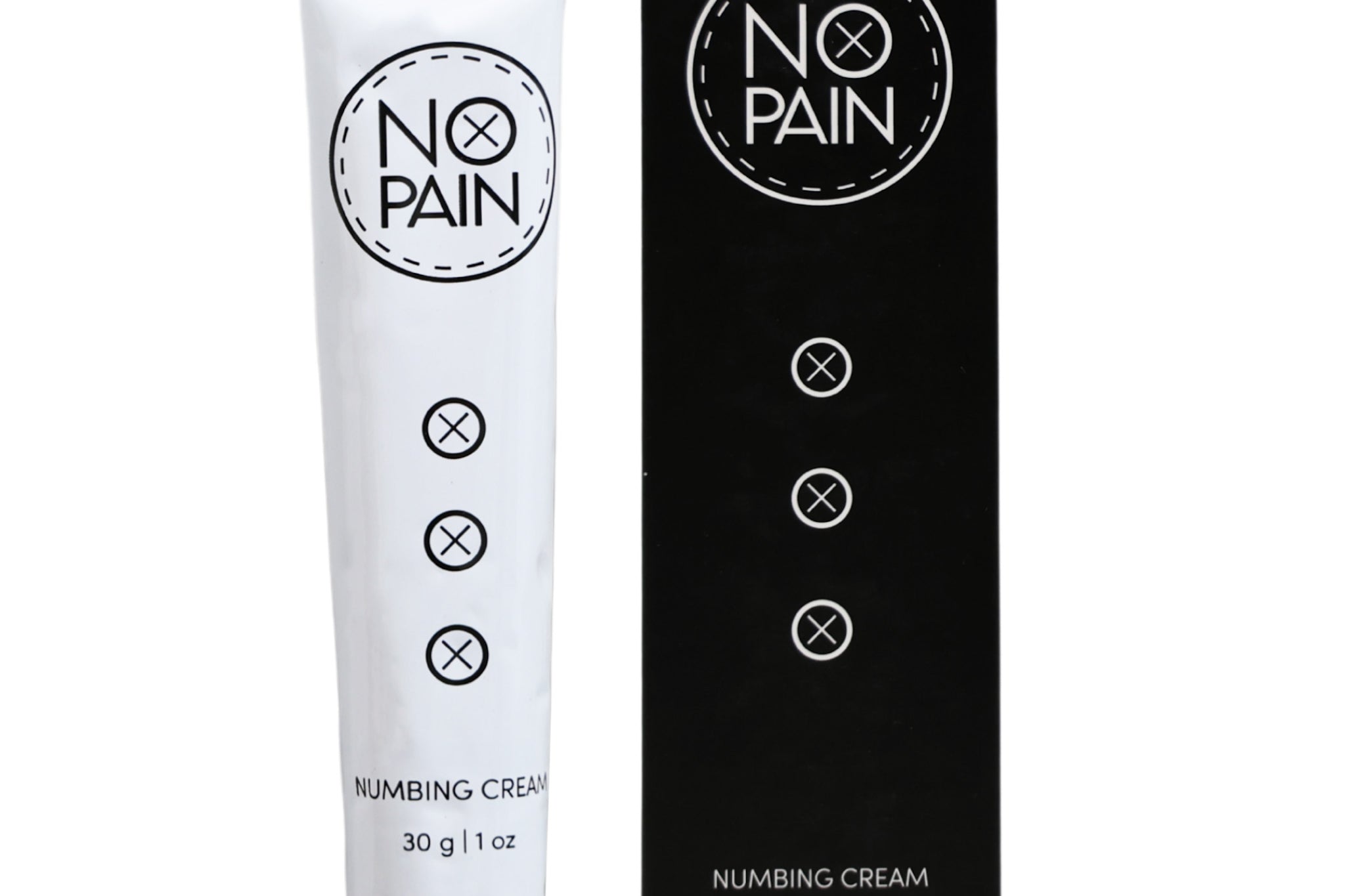
A numbing cream applied before the session makes a meaningful difference, particularly for longer appointments where the skin needs multiple passes over the same area.

Maximum-strength topical numbing for pre-session application. Thick, slow-absorbing formula that penetrates deeper and lasts longer than thin creams. Apply under wrap 90 to 120 minutes before your appointment starts. 100% money-back guarantee.
For longer rework sessions where the cream wears off mid-appointment, a numbing spray applied to broken skin lets you top up without stopping. The combination of cream before the session and spray during is the most effective approach for extended corrective work.

Numbing cream for before the session and numbing spray for top-ups on broken skin mid-session. Built for longer appointments where one product isn't enough. 100% money-back guarantee.
Aftercare: Why It Matters More the Second Time
The aftercare routine for a rework or refresh is the same as for a new tattoo, but the stakes are higher. When fresh ink is placed over existing work, the skin needs to heal cleanly for the new pigment to lock in. If the surface scabs heavily or the heal is disrupted, the corrective work may not hold, and you'll need another session to fix what was just fixed.
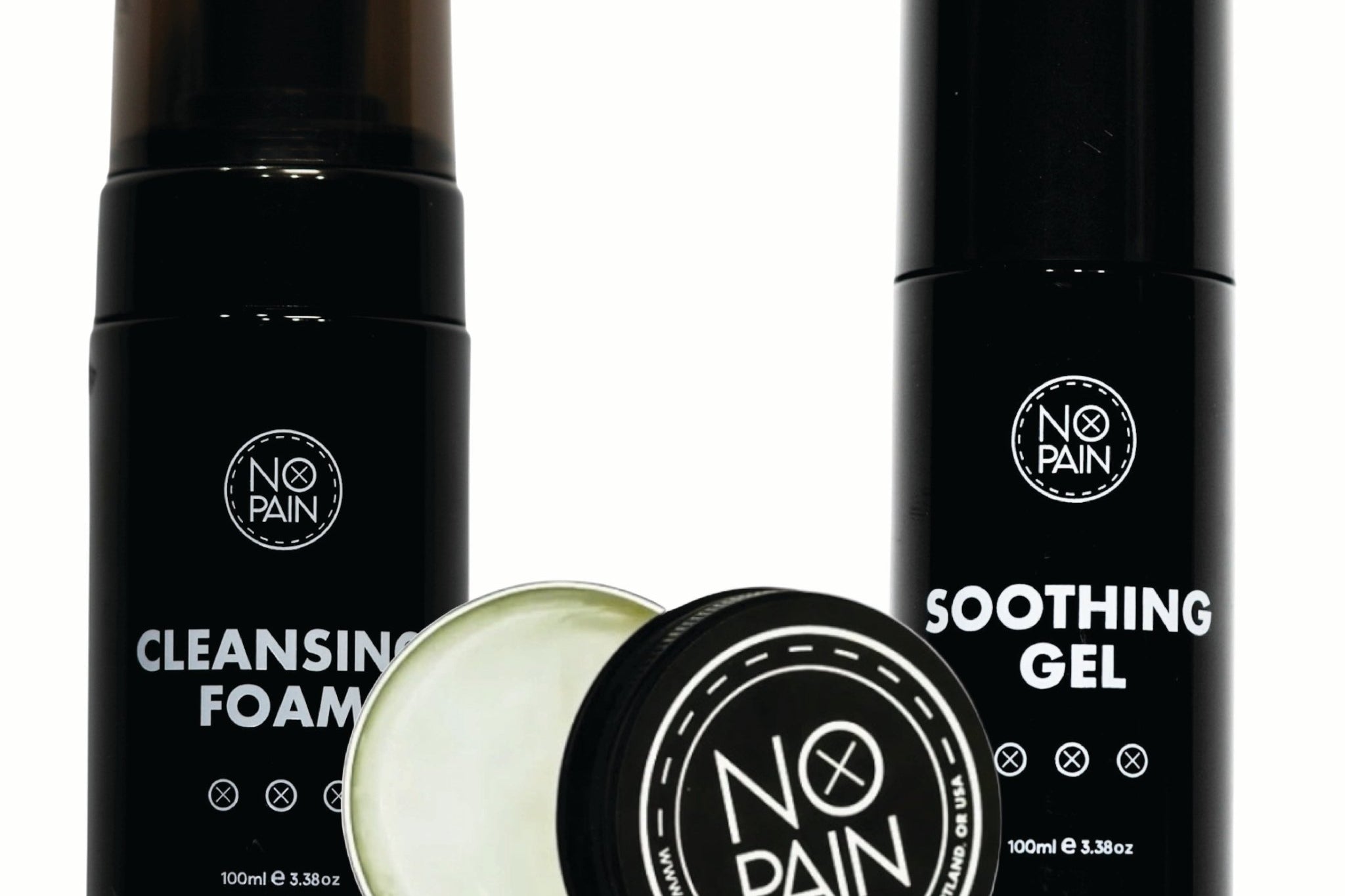
The first few days are the most important window. A lightweight cooling gel keeps the surface hydrated so it sheds in thin flakes rather than heavy scabs. Heavy scabbing on a rework pulls ink that was already difficult to place cleanly over existing pigment.

Lightweight cooling gel that keeps the surface hydrated without blocking airflow. Prevents the thick scabbing that pulls ink. Especially important on rework sessions where every bit of pigment retention counts.
From day three, once the surface starts to close and peeling begins, switch to a richer balm. The new epidermis forming over the reworked area needs consistent nourishment to clear properly and let the corrected ink show through. For a full breakdown of each healing stage, see the healing process guide.

Shea butter balm for the peeling and milky phase. Nourishes the new skin layer as it forms over the reworked area, helping the corrected ink show through clearly once it settles.
Frequently asked questions
What is a tattoo touch-up?
A touch-up is a short corrective session to fix small areas where ink didn't settle properly during the original heal. Pale patches, a soft spot in a line, a color field with uneven density: these are all common touch-up targets. Touch-ups are typically done two to three months after the original session, once the skin has fully healed. Many artists include one free touch-up in their pricing. If you had a rough heal with heavy scabbing or picking, be upfront with your artist before the session — it affects what they can correct and how.
How long after getting a tattoo can you get a touch-up?
A minimum of two months, ideally three. The skin needs to be fully healed at both the surface and dermal level before new ink can be placed cleanly in the same area. Going back too soon, before the skin has fully settled, risks placing new ink into tissue that isn't ready to hold it. If the original tattoo had a complicated heal or you're not sure it's fully settled, three months is the safer minimum.
How do you fix a faded tattoo?
A faded tattoo is fixed with a refresh session, where an artist re-tattoos the existing design, sharpening the lines and repacking the color fields with fresh pigment. The result varies depending on how much ink remains, how evenly the piece has faded, and the style of the original work. Dark-based designs with strong linework respond best. Light colors are harder to restore because those pigments fade most completely. Before booking, get a consultation with an artist who has a portfolio of healed refresh results — not just fresh-off-the-needle photos — so you can see what the outcome actually looks like once settled.
Does tattooing over old ink hurt more?
Often, yes. Skin that has been tattooed before has gone through a full trauma and repair cycle. If there's any scar tissue from a difficult original heal, that tissue has a different sensation profile than healthy skin. The additional passes required for a rework, going over the same area more than once to build coverage over existing ink, add to the cumulative discomfort. A numbing cream applied before the session makes a meaningful difference, and a numbing spray for mid-session top-ups on broken skin is worth having for longer appointments.
Can a tattoo blowout be fixed?
Not fully reversed, but made much less visible. A blowout (ink that has migrated into the subcutaneous tissue below the dermis) can't be corrected by tattooing over it. The migrated ink is too deep to reach or cover with surface-level work. What a skilled artist can do is design around it: adding shading, texture, or elements that incorporate the diffuse haze so it reads as intentional rather than accidental. For severe blowouts, one or two laser sessions before a rework can fade the migrated ink enough to give the artist more to work with.
Is a rework better than a cover-up?
It depends on the original tattoo and what you want from it. A rework works with the existing design, modifying, extending, or adding to it. This works well when the original has readable lines, a composition that can be built on, and a concept worth keeping. A cover-up works against the existing design, using dark ink and strategic shapes to hide what's underneath. Cover-ups require denser work than the original and constrain the design choices. If you like the core concept of your existing tattoo and want to improve it, a rework is the better path. If you want to replace it entirely, a cover-up may be appropriate — but consult an artist who can show you healed cover-up results before committing.
Everything You Need for a Clean Heal
Cleansing foam, soothing gel, and aftercare balm — each product covers the stage it's designed for, so the work your artist put in actually holds.
Shop the Aftercare Bundle →Formulated at Historic Tattoo in Portland, Oregon. 100% money-back guarantee.