


Does Dry Skin Make Tattoos Look Faded?
Yes, dry skin makes tattoos look faded, and the effect is more pronounced than most people expect. The reason comes down to how tattoo ink is actually viewed: through the layers of skin above it. When that skin is healthy and hydrated, it transmits color clearly. When it is dry, flaky, or dehydrated, it scatters light and dulls everything beneath it.
Why Dry Skin Dulls Tattoos
Tattoo ink sits in the dermis, beneath the epidermis. To see the tattoo, you are looking through the upper layers of skin. When these layers are well-hydrated, they have a certain clarity that lets the ink show through at full saturation and contrast. When they are dry, the dead skin cells at the surface become irregular and opaque rather than lying flat and transmitting light cleanly.
This is the same principle behind why a tattoo appears more vivid immediately after washing and applying aftercare product. The water and moisture on the surface temporarily hydrates the skin and reduces the diffusion of light through dead cells. The tattoo looks the same as it did before, but the window you are viewing it through has been temporarily cleaned up.
In winter or dry climates, many people notice their tattoos appear duller or more faded than they did in summer. The tattoo has not changed. The condition of the skin covering it has.
The Temporary vs. Permanent Distinction
It is important to distinguish between dullness from dry skin, which is reversible, and actual fading of the ink, which is not fully reversible.
If your tattoo looks dull but perks up noticeably when you apply lotion or after a shower, the issue is surface skin condition, not ink loss. This is fixable with a consistent moisturizing routine and will not require any touch-up.
If your tattoo looks faded even when the surrounding skin is in good condition, and the dullness is concentrated in specific areas or follows the pattern of how the tattoo was worked, this may be actual ink fading from UV exposure or the passage of time. That is a different problem with different solutions.
Most people who notice their tattoos looking dull are looking at dry skin, not faded ink. The two are frequently confused.
Dry Skin During the Heal
Dry skin during the healing phase causes more than cosmetic dullness. In the first three weeks, when the tattoo is still forming the new skin surface, dryness leads to thick, rigid scabbing. This type of scabbing is more likely to crack, more likely to snag on clothing, and more likely to pull ink when it eventually detaches. The tattoo that emerges from a dry heal is often less saturated than one that healed under the right moisture conditions, because the scab took ink with it.
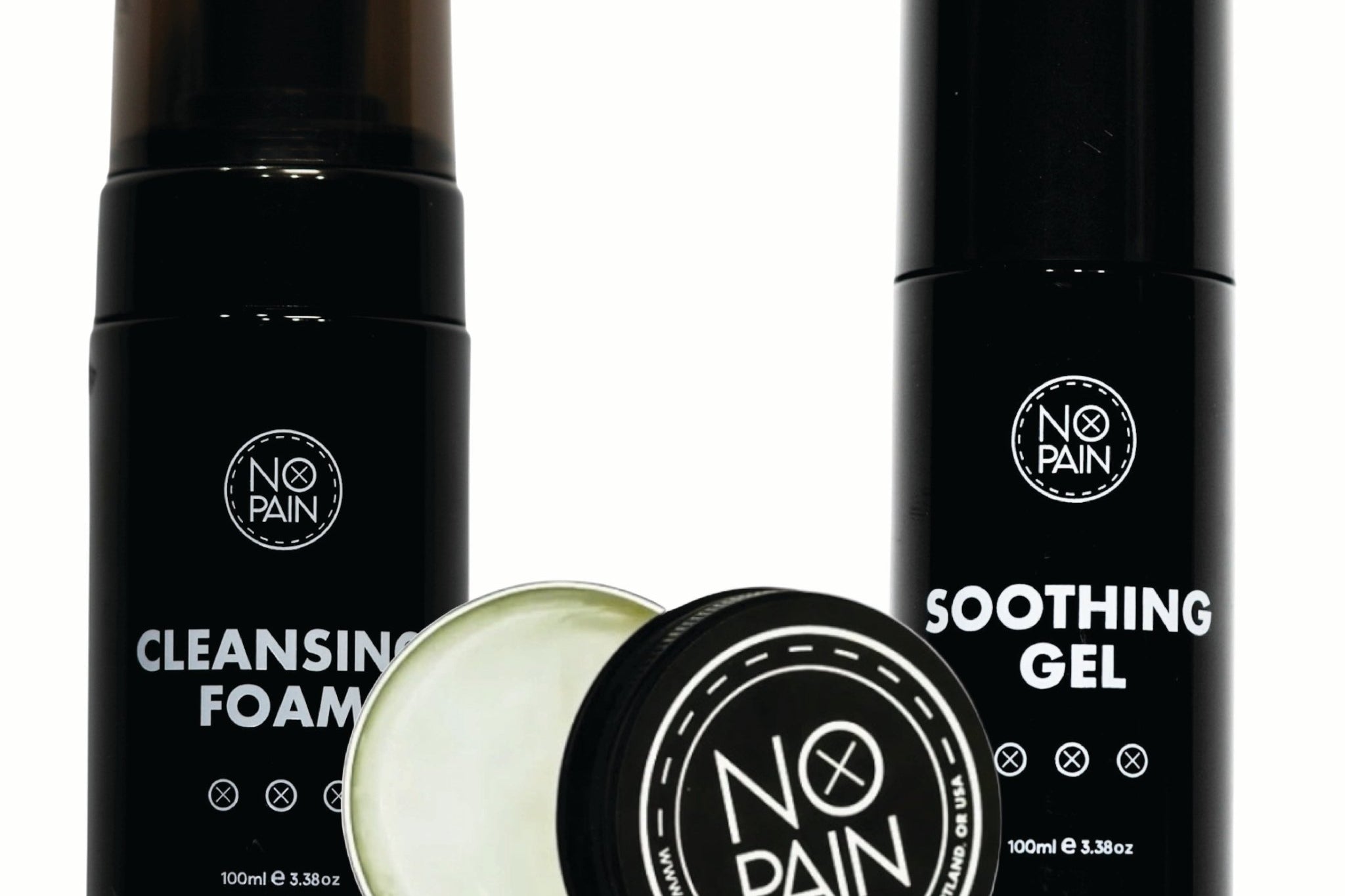
For the first three days, a soothing gel applied after each wash prevents the plasma from drying into the kind of heavy crust that causes these problems. The gel keeps the wound surface moist, reduces the inflammatory response, and gives the new skin the conditions it needs to form properly.

From day three onward, a balm keeps the forming scab pliable and supports the new skin formation beneath it. A tattoo that heals under consistent balm coverage sheds its scabs in thin, translucent flakes rather than thick chunks, and the color beneath emerges clearer.

Long-Term Skin Condition and Tattoo Appearance
Over months and years, the cumulative condition of the skin over a tattoo affects how it ages visually. People who maintain their skin with regular moisturizing have tattoos that look more vivid at the five-year mark than equivalent tattoos on people who do not. This is not because the ink has been preserved; the ink is in the dermis and is not directly affected by surface moisturizing. The difference is that well-maintained skin provides a clearer, more translucent window to view it through.
Once per day moisturizing over tattooed skin is the minimum that makes a visible difference. Any fragrance-free lotion or balm applied in the morning or evening is sufficient. The balm used during aftercare works fine as a long-term maintenance product; there is no need to switch to something different once the tattoo has healed.
Exfoliation also matters, but the goal is gentle rather than aggressive. The buildup of dead skin cells that causes the surface to look dull and opaque can be reduced with a mild chemical exfoliant (lactic acid or urea-based body lotion) used once or twice per week. Physical scrubs over tattooed skin are not recommended; they remove the top layer too aggressively and can irritate the skin over time.
How to Get Your Tattoo Looking Its Best
If your tattoo looks dull right now, the fastest fix is also the simplest: apply a good-quality, fragrance-free moisturizer to the tattooed area and give it a few minutes to absorb. In most cases, you will see an immediate improvement. This tells you the issue is the skin, not the ink.
For ongoing improvement, the routine is: once daily moisturizing, sun protection on exposed tattoos, and avoiding anything that strips moisture from the skin over the tattoo (harsh soaps, very hot showers, products with high alcohol content applied directly to the tattoo).
Drinking adequate water supports skin hydration from the inside, though topical moisturizing has a more direct and noticeable effect on tattoo appearance than hydration alone.
Frequently Asked Questions
Will moisturizing fix a faded tattoo?
If the fading is caused by dry skin, yes. Apply a moisturizer to the tattoo and see if the color improves. If it does, the issue is surface skin condition rather than actual ink loss. If the tattoo looks the same when the skin is hydrated and well-maintained, the issue is ink-level fading from UV exposure or age, which moisturizing alone will not reverse. A touch-up addresses actual ink loss; a moisturizing routine addresses dry skin dullness.
My tattoo looks much better when wet. Is that normal?
Yes, and it is one of the most common observations about tattoo appearance. Water on the skin surface temporarily hydrates and plumps the epidermis, reducing the scattering of light by dry cells. The tattoo appears more vivid because the window above it has been cleared. This effect fades as the water evaporates and the skin dries out again. Regular moisturizing extends this effect by keeping the skin more consistently hydrated during the day.
Does eczema or psoriasis make tattoos look worse?
Active eczema or psoriasis flares in the area of a tattoo can affect how the tattoo appears. Thickened, inflamed, or scaling skin over a tattoo distorts the color and can make the tattoo look patchy or faded even if the ink is intact. Managing the underlying skin condition with appropriate treatment is the most effective way to improve the appearance of a tattoo in affected areas. A dermatologist who works with tattooed patients is the right resource for this.
Can I use regular body lotion on my tattoo?
A fragrance-free, dye-free body lotion is fine for maintaining a fully healed tattoo. Avoid products with fragrances, which can cause low-grade irritation over time, and products with high alcohol content, which strip moisture from the skin. The ingredient list matters more than whether something is marketed as a tattoo product. Shea butter, glycerin, and natural oils are all good moisturizing ingredients for tattooed skin.
Does tanning make tattoos look better or worse?
Tanned skin can make tattoo colors appear more vivid temporarily because the contrast between dark skin and the ink changes. But the UV exposure that causes the tan is also the primary cause of ink degradation and long-term tattoo fading. The short-term visual benefit is not worth the long-term cost to the ink. Sunscreen on tattooed areas is a better approach to managing how the tattoo looks over time.
Why does my healed tattoo look milky or hazy?
A milky or hazy appearance in the weeks after a tattoo heals is typically caused by the new layer of skin formed over the tattoo during healing. This skin is thinner and more opaque than the mature skin it will become, and it takes time to settle and clear. Most of this haziness resolves within two to three months as the skin completes its remodeling process. Keeping the area moisturized helps it clear more quickly. If the haziness is still pronounced at the three-month mark, a touch-up consultation with your artist is worth considering.