


For many people, getting their parents on board is the hardest part of the whole tattoo process — harder than choosing a design, harder than sitting through the session. This guide is about making that conversation go as well as it can.
In this guide
- Prep before the conversation
- Having the conversation
- Addressing common objections
- Showing you've planned the whole thing
- If they say no
- FAQ
Prep before the conversation
Going into this conversation without preparation signals that you haven't taken the decision seriously — which is exactly the impression you don't want to make. Do the groundwork first.
Know the legal situation. In most places, you need to be 18 to get tattooed without parental consent. If you're under 18, your parents will need to be present and sign a consent form at the studio — meaning their buy-in isn't just social, it's legally required. Knowing and stating this shows you understand what's actually involved.
Have your idea figured out. Don't say "I want a tattoo" with nothing more to show. Have a specific design, a reason for it, and a placement in mind. The more concrete and considered your idea, the more seriously the conversation will be taken. There's a significant difference between "I want a small meaningful symbol on my inner wrist" and "I want to get tattooed."
Have an artist and studio selected. Research reputable studios in your area. Look up artists whose portfolios match the style you want. Be ready to show your parents the artist's work and information about the studio's standards. This is the most powerful thing you can bring to the conversation — proof that safety is at the center of your plan.
Know what it costs and how you're paying for it. Having your own money set aside for this says something important about how seriously you're taking it.
Having the conversation
Timing matters. Don't bring this up during an argument, when they're leaving the house, or when something else has their attention. Find a calm moment when you can sit down without distractions.
Open with what you've done, not what you want. Something like: "I've been thinking about this for a long time and I've done a lot of research. I want to share my plan with you." This positions the conversation as a presentation of a thoughtful decision rather than a request for permission — which is a very different dynamic.
Explain the meaning of the design. Parents respond much better to "this has meaning to me because..." than to "I just really want one." Personal significance signals permanence of intent, not impulse.
Listen to their side. Let them finish before you respond. Acknowledging their concerns — even if you disagree with them — keeps the conversation moving rather than turning it into an argument.
Addressing common objections
"It's permanent." Agree with them — it is, and that's exactly why you've thought about it this carefully and for this long. You can note that tattoos can be removed if views ever change, but the real answer is that the permanence is part of the point.
"What about job interviews?" Show them the placement and how easily it can be covered. A tattoo on the upper arm, thigh, or back is invisible in professional clothing. If they're worried about visible placements, you can address that directly — most first tattoos are placed in coverable spots for exactly this reason.
"Is it safe?" This is where your research pays off. You've chosen a licensed studio that operates under health department standards, uses single-use needles, and has a track record of clean work. Show them the studio's reviews and the artist's professional profile.
"What if you regret it?" Be honest: you might. Tastes change over time. But you've chosen something with genuine personal meaning rather than a trend, and you've thought about it long enough to know this isn't a spontaneous choice.
Showing you've planned the whole thing
One thing that consistently changes the tone of these conversations is demonstrating you've thought past the appointment itself. Parents worry about safety and responsibility. Showing that you've already planned the aftercare — that you understand a tattoo is a wound that has to heal correctly — addresses one of their unspoken concerns directly.
Plan the Aftercare Too
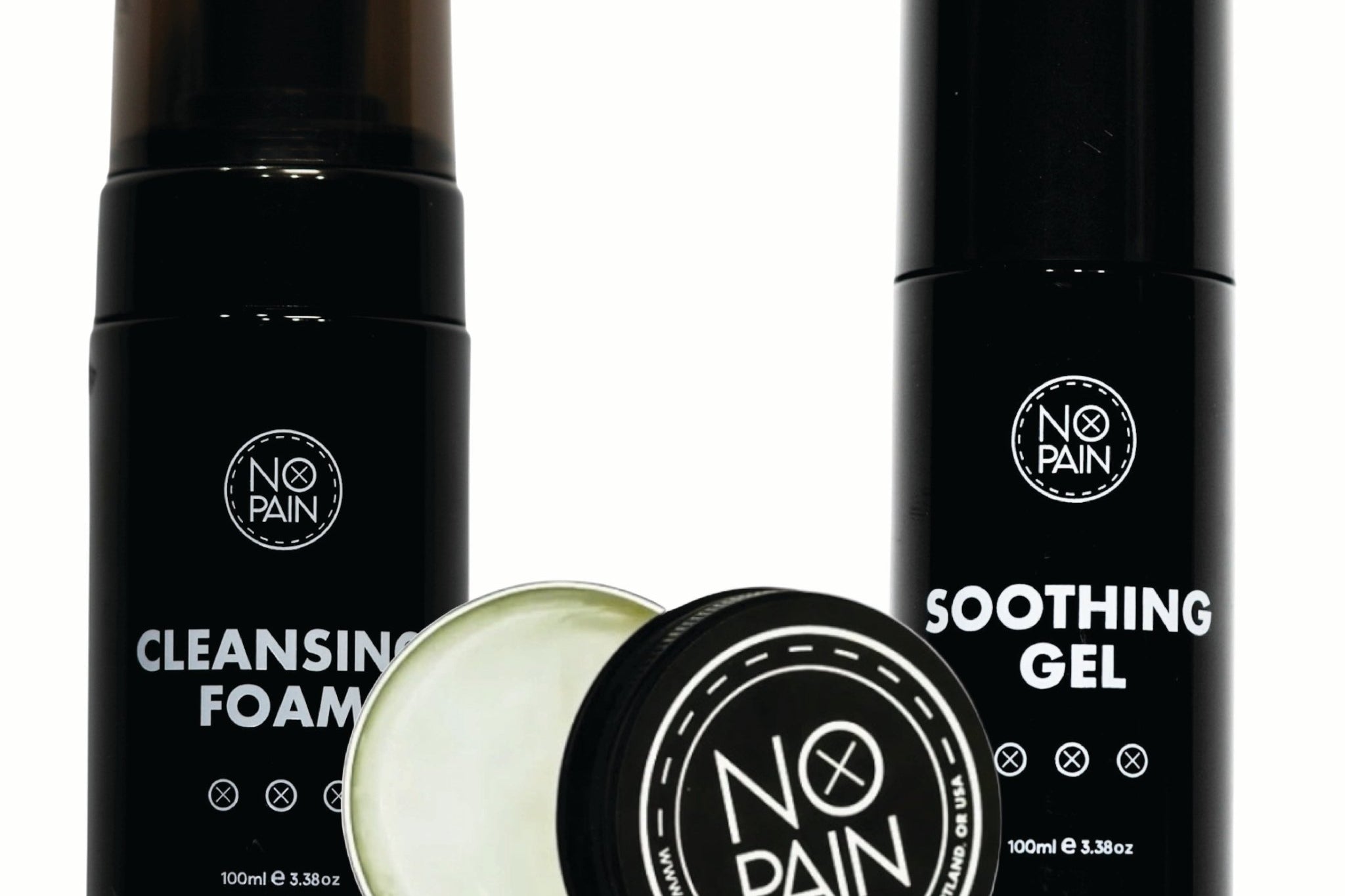
The Aftercare Bundle covers every stage of healing: cleansing foam to wash the fresh tattoo, soothing gel for the first few days, and balm from day three onward. Having it ready before your appointment shows the kind of preparation that makes a difference in these conversations.
Shop the Aftercare Bundle →Formulated at Historic Tattoo in Portland, Oregon. 100% money-back guarantee.
If they say no
If you're under 18, a flat no means you wait. There's no workaround — studios that tattoo minors without parental consent are operating illegally, and walking into one is not worth the risk to your health or theirs.
If you're 18 or over, the legal authority is yours. The question shifts from "can I do this" to "how do I manage the relationship." You can proceed — but how you handle the disagreement matters for the long term. Some people choose to wait until they can bring their parents around with more time and conversation. Others decide the decision is theirs to make and proceed anyway. Both are defensible positions depending on the specifics of the relationship.
What's worth avoiding: doing it secretly and hoping they won't notice. Tattoos heal for weeks, they're permanent, and a discovered deception usually creates more conflict than the original disagreement.
FAQ
How do you convince your parents to let you get a tattoo?
Preparation and specificity are the most effective tools. Go in with a clear design and its meaning, a selected artist and studio you can show them, the cost covered by your own money, and an understanding of what the healing process involves. Parents respond to evidence that you've taken this seriously and planned it responsibly — not to "please" or "everyone is doing it."
How old do you have to be to get a tattoo without parents?
18 in most jurisdictions in the US, UK, Canada, and Australia. Below that age, parental or guardian consent is legally required in most places, and reputable studios will require a parent to be present and sign documentation. Age requirements vary internationally — if you're traveling, check the local rules for the specific country or region.
What if my parents will never agree?
If you're under 18, you wait. If you're over 18, the legal decision is yours — but consider how important the relationship is and whether a short delay is worth a better outcome. Some people find that giving parents a few months to adjust to the idea, combined with a few follow-up conversations, changes the result significantly. Others proceed with their own decision and manage the aftermath. There's no universal right answer here.
Should I show my parents the design before I get it?
If you're trying to bring them on board, yes — showing them something concrete shifts the conversation from abstract anxiety about "a tattoo" to a specific, tangible thing they can respond to. Many parents who resist the idea of a tattoo react much better when they can see what's actually being proposed. A small, meaningful design on an easily covered placement is a very different conversation than a vague request.