


Most advice about tattoo sleeves says to pick one style and stick with it. That's sound advice for someone starting from scratch. But a lot of people don't start from scratch — they've accumulated pieces from different artists, different periods of their life, in styles that weren't chosen with a future sleeve in mind.
Mixing tattoo styles can produce something genuinely distinctive. It can also produce a visual mess. The difference comes down to a few principles: what you use to unify the pieces, how the negative space is handled, and whether you have the right artist for the job.
In this guide
- Why mixing styles is harder than it looks
- The three ways to unify a mixed-style sleeve
- Finding the right artist
- Filler and background work
- Planning across multiple sessions
- Aftercare for a growing sleeve
- FAQ
Why mixing styles is harder than it looks
Each tattoo style has its own visual language: line weight, shading approach, color saturation, level of detail, and compositional assumptions. American Traditional uses bold outlines and flat color fills. Fine line realism has no outlines at all and works entirely through tonal gradation. Neo-traditional uses thick outlines with highly saturated, jewel-toned color fields.
When these styles sit next to each other without a unifying element, the eye doesn't know where to settle. Each piece pulls attention independently, and the sleeve reads as a collection of separate tattoos rather than a coherent composition. That's not inherently wrong — some people want a patchwork look — but it requires intentional design to look deliberate rather than accidental.
The three ways to unify a mixed-style sleeve
A shared color palette. This is the most effective unifier for mixed-style work. When different pieces — regardless of their style differences — share the same general color territory, the eye reads them as belonging to the same family. A sleeve combining illustrative, neo-traditional, and blackwork can feel cohesive if all the pieces use deep jewel tones, or if they're all constrained to black and grey.
When planning new additions to an existing mixed sleeve, bring reference photos of your existing tattoos to the consultation. A good artist will pick colors that deliberately complement what's already there.
A shared theme or subject matter. Botanical work is the clearest example: a realistic rose, a traditional dagger-with-roses, and a fine-line botanical sprig all share the same subject vocabulary. Even if their styles differ substantially, the content creates a narrative thread. The same principle works with nautical themes, mythological imagery, or geometric and organic combinations.
Black ink as the common element. The simplest approach: commit to all-black ink across every piece. When the color is the same, the style variations read as intentional variation within a unified framework. This is why blackwork, traditional, and illustrative pieces can sit together more easily in a black-only sleeve than in a color one.
Finding the right artist
The artist who adds filler and background to a mixed-style sleeve is doing one of the most technically demanding jobs in tattooing: looking at a set of pieces that weren't designed to work together and creating connective tissue that makes them feel like they were.
You need someone with two specific qualities. First, strong composition skills — the ability to read negative space and design around it, not just fill it. Second, versatility across multiple styles, so they can adjust their line weight, shading approach, and design language to bridge different pieces rather than imposing their own dominant style over everything else.
Look at portfolios specifically for connective filler work, not just standalone pieces. An artist who does great standalone neo-traditional work may not be the right person to fill the space between your realism portrait and your traditional panther.
Filler and background work
The filler is often where mixed-style sleeves succeed or fail. The goal of filler is to reduce visual conflict between adjacent pieces, not to compete with them.
Atmospheric backgrounds work well for this reason: soft grey-washed clouds, smoke, stippled texture, or simple linework patterns can flow behind and around existing tattoos without asserting a strong style of their own. They provide visual breathing room without drawing attention.
Complex filler — another major tattoo piece, or dense patterning with its own strong visual identity — often backfires. It adds to the compositional problem instead of solving it. If you're filling space between two pieces with different styles, neutral and subtle generally outperforms elaborate.
Planning across multiple sessions
Building a mixed-style sleeve happens over time. Each addition is a separate session, and for a sleeve that's going to take a year or more to complete, how you manage the pain and recovery of each session matters as much as what you're adding.

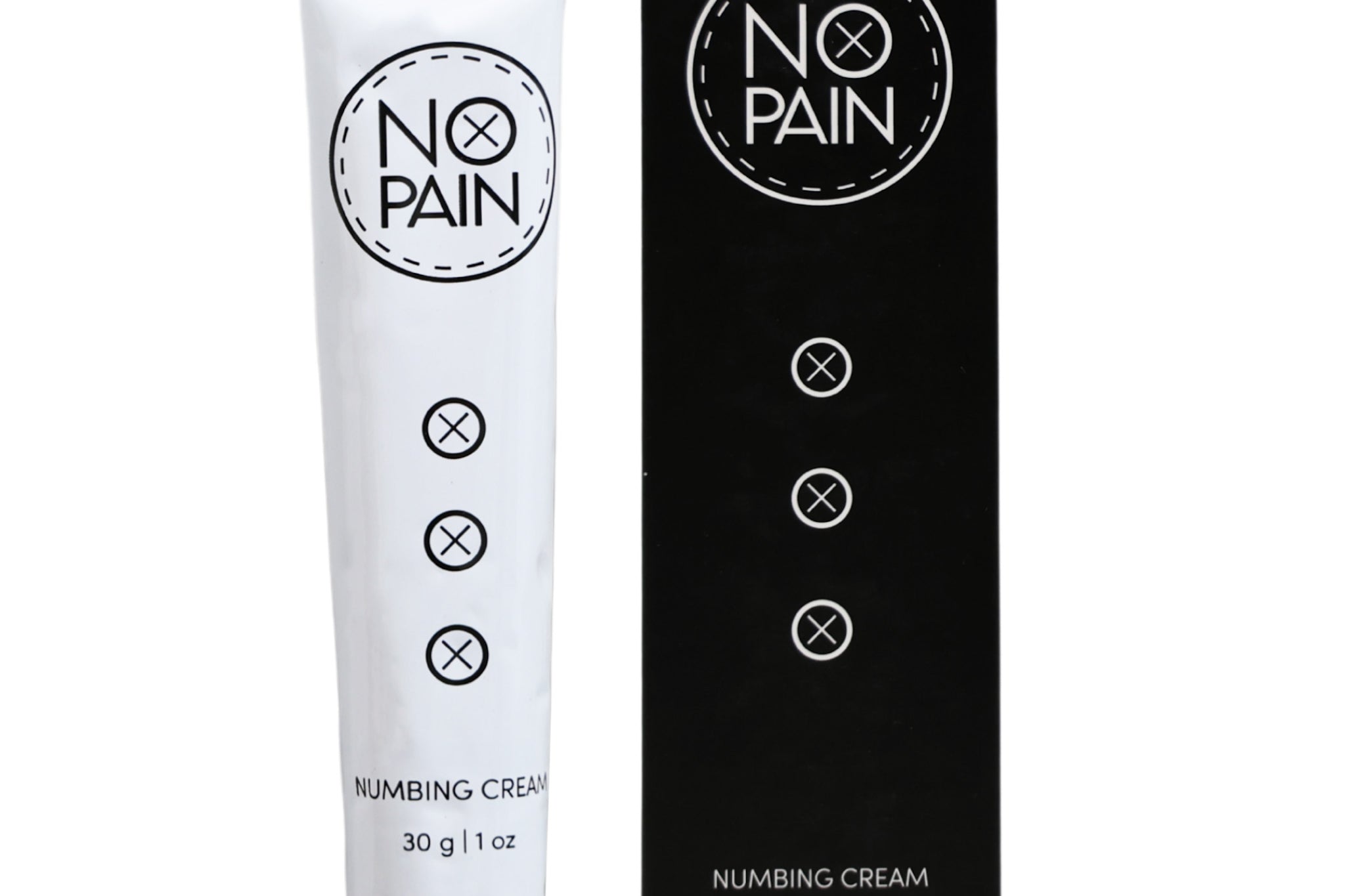
Numbing cream and numbing spray together. The cream handles pre-session numbing; the spray extends relief through longer sessions. Useful for any multi-session sleeve build where you want to manage pain across multiple appointments without it wearing you down. 100% money-back guarantee.
Aftercare for a growing sleeve
Each time you add to a sleeve, the new work heals as its own fresh tattoo while the surrounding healed work is exposed to aftercare products. You want products gentle enough for healed tattoos and effective enough for fresh ones.
Aftercare for Every Addition
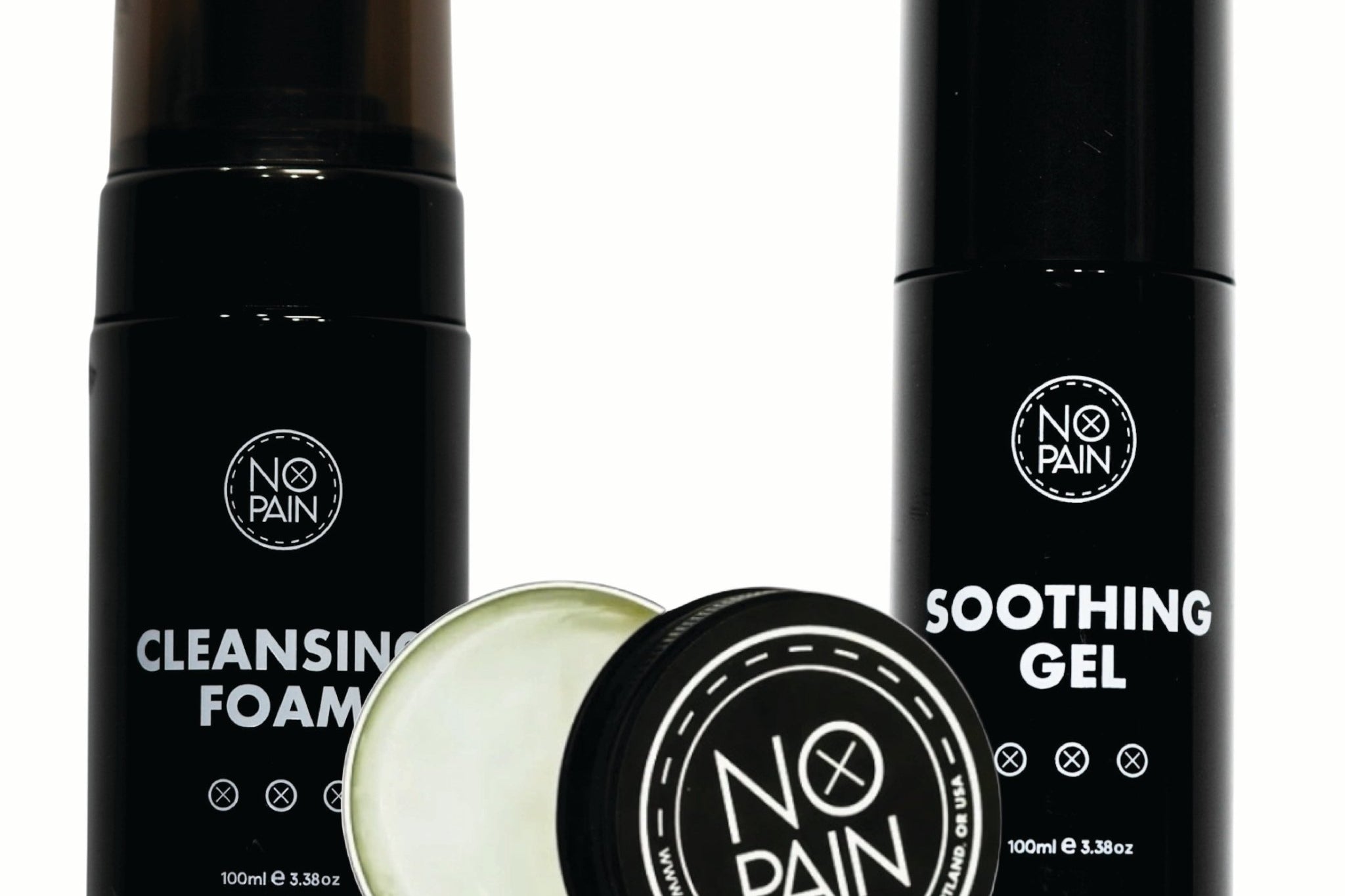
The Aftercare Bundle covers every stage: cleansing foam to wash the fresh tattoo, soothing gel for the first few days, and balm from day three onward. No harsh ingredients that could irritate the healed work alongside the new.
Shop the Aftercare Bundle →Formulated at Historic Tattoo in Portland, Oregon. 100% money-back guarantee.
FAQ
Can you really mix tattoo styles on one sleeve?
Yes — and some of the most interesting sleeves do exactly this. The key is using a unifying element: shared color palette, consistent subject matter, or all-black ink. Without a unifying element, a mixed-style sleeve typically looks like a collection of separate tattoos rather than a deliberate composition. With one, it reads as intentional.
What tattoo styles mix well together?
Styles that share similar line weight and tonal range mix more easily. Neo-traditional and illustrative tend to work well together. Blackwork, traditional, and geometric can coexist under an all-black constraint. Realism and fine line can share a color palette. The most difficult combinations involve styles with very different saturation levels — highly saturated color work next to delicate fine line can make the fine line disappear visually.
How do I connect tattoos in different styles?
The most reliable method is neutral atmospheric background work: soft grey washes, smoke, simple geometric lines, or stippling that flows between and behind existing pieces without competing with them. A skilled artist who specializes in sleeve composition can assess your existing tattoos and design connective work that ties them together without overriding their individual character.
Should all my tattoos be done by the same artist if I'm mixing styles?
Not necessarily. Collector sleeves almost always involve multiple artists. What matters more is having a plan. If you know you're building a sleeve, discuss that intention with each artist before they place a new piece. When it's time to add filler and background, having one artist handle all the connective work creates the most cohesive result.
How long does it take to complete a mixed-style sleeve?
Sleeves typically take anywhere from one to several years, depending on the number of pieces, session length, healing time between sessions, and budget. A mixed-style collector sleeve often takes longer because of the additional planning between sessions. The pace matters less than the deliberateness of the plan: each addition should work within the overall composition rather than being placed without regard to the whole.
Is a mixed-style sleeve harder to maintain as it ages?
Not inherently — but the aging characteristics of different styles do vary. Realism and fine line soften and lose contrast as they age; traditional and neo-traditional hold their boldness much longer. As a mixed sleeve ages, those differences become more pronounced. Keeping the sleeve out of direct sun (or using SPF on exposed sections) slows the fading of all styles and reduces how differently they age relative to each other.