


The stomach is one of the more demanding placement choices when it comes to healing. It's an area of the body that moves constantly, gets compressed under clothing and waistbands, is prone to sweat accumulation, and in many people has skin that behaves differently from arm or leg skin. None of this makes it impossible to heal well—plenty of people have beautiful, well-healed stomach tattoos—but it does mean the process requires a bit more attention than average.
The first 48 hours
The immediate post-session care is the same regardless of placement: your artist will cover the work with a bandage, wrap, or second-skin film. Follow their specific instructions for how long to keep it on—this typically ranges from a few hours to a few days depending on the dressing type. Don't remove it early to look at the tattoo.
Once you remove the initial covering, rinse the area with lukewarm water and a fragrance-free, antibacterial soap, pat dry with a clean paper towel (cloth towels harbor bacteria), and apply a thin layer of unscented moisturizer or dedicated aftercare product. The keyword here is thin—enough to keep the skin from drying out, not so much that you're smothering the skin and preventing it from breathing.
The clothing problem
This is the biggest stomach-specific challenge. Most clothing sits directly on the abdominal area, and during healing, that contact causes two problems: friction against healing skin, and trapping heat and moisture. Both slow healing and increase the risk of irritation.
The practical solution during the first two weeks: wear loose-fitting clothing that either doesn't contact the tattoo or contacts it only lightly. High-waisted pants, jeans, belts, and anything with a tight waistband are a problem during this period—the band sits right across a common tattoo placement and creates hours of constant friction. Opt for loose pants worn lower, dresses if applicable, or any clothing that keeps fabric away from the area.
At night, loose-fitting bottoms and a shirt that doesn't bunch up against your stomach are ideal. Some people find sleeping on their back rather than their stomach more comfortable while healing a stomach tattoo—less pressure on the area and less chance of sheets rubbing during the night.
Movement and flexing
The stomach flexes constantly—when you sit, stand, bend, laugh, and breathe deeply. This is unavoidable, and a well-executed stomach tattoo is designed to hold up to it. However, during healing, repeated flexing of the skin slows the formation of the protective crust and can cause fine lines to heal slightly softer than they would on a less mobile placement.
There's nothing you can specifically do to prevent natural movement, but you can avoid adding to it. Avoid core-intensive exercise for the first two weeks, not just because of sweat but because vigorous core work significantly increases the range of motion at the abdomen. Sit-ups, crunches, leg raises, and heavy lifting that requires core bracing all fall into this category.
Sweat and moisture
The stomach area, particularly around the navel and in the lower abdominal crease, tends to accumulate sweat and moisture in ways that flatter placements like the forearm don't. This moisture, if allowed to sit on a healing tattoo, softens the skin in a way that disrupts proper healing and increases bacterial exposure.
Keep the area clean and dry. During healing, check the area after any activity that causes sweating and gently pat it dry if moisture has accumulated. Don't use a blotting tissue aggressively—just a gentle pat with clean paper towel. After showering, take extra care to pat the stomach area dry before re-applying moisturizer, especially in any skin folds.
Aftercare product application
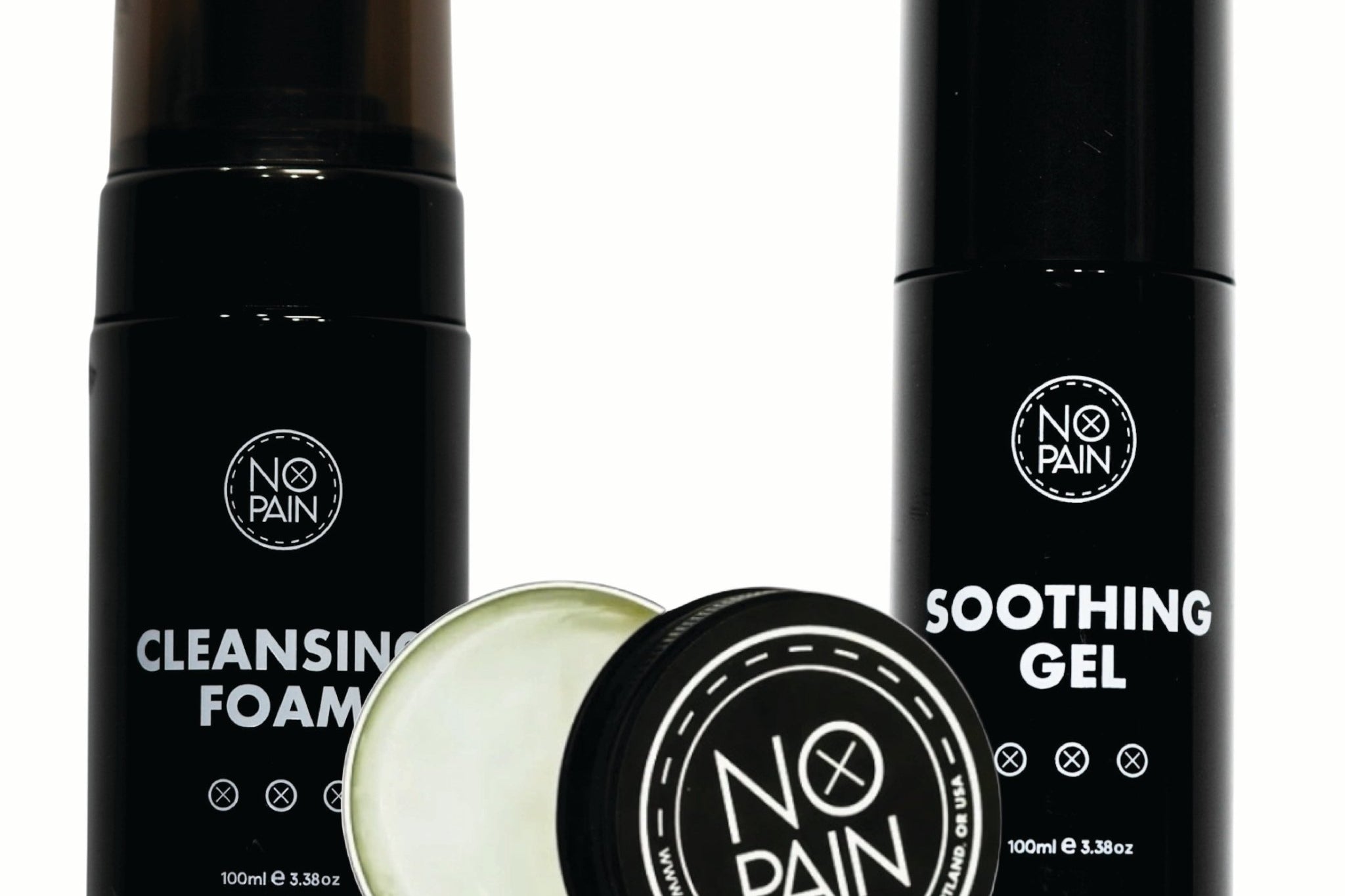
Apply a thin layer of aftercare product two to three times daily for the first two weeks, or whenever the skin feels tight and dry. The No Pain Tattoo Aftercare Balm is formulated specifically for healing tattoos—it keeps the skin moisturized without being heavy or occlusive, which is especially important on the stomach where thicker products can trap heat and cause clogged pores around the healing area.
Apply with clean hands and use light pressure, particularly in the first week when the skin is most sensitive. If you notice redness, a rash, or increased irritation around the tattoo that seems related to your aftercare product, stop using it and switch to a plain, unscented lotion to rule out a product reaction.
What takes longer on the stomach
Surface healing—when the skin no longer feels raw and the initial flaking has resolved—takes about two weeks on average. But the deeper layers of the skin continue healing for up to three months, and the stomach's characteristic mobility means some softness in fine lines or slight blurring at tight detail can appear as the skin settles through this phase.
Touch-ups are common for stomach tattoos, particularly those with fine line work. If your artist includes a complimentary touch-up in their process (many do), that visit at six to eight weeks after the initial session is the right time to address anything that didn't hold perfectly. This is a normal part of stomach tattoo healing, not a sign that something went wrong.
When to contact your artist or a doctor
Normal healing involves redness for the first day or two, some swelling, flaking, and itching. What's not normal: spreading redness beyond the tattoo edge, warmth and swelling that increases rather than decreases after day two, pus or unusual discharge, fever, or pain that intensifies. These are signs of infection, which requires medical attention promptly. Tattoo infections are not common but they're not something to wait on—contact a doctor if you see these signs.