


Flower tattoos are one of the most popular tattoo choices for a reason: they work in almost every style, on almost every placement, and carry a range of meanings that can be personal, symbolic, or purely aesthetic. A rose in American traditional looks nothing like a rose in fine line realism, and both are valid. Knowing which direction fits your vision is the first decision worth making.
This guide covers the main styles, what different flowers typically mean, how to choose placement, and what the session and healing process look like.
In this guide
Flower tattoo styles
The style you choose shapes everything about how the tattoo looks, how long it takes, and how it ages. Here are the main approaches for flower and botanical tattoos.
Botanical realism
Botanical realism (sometimes called hyper-realism or photorealism) aims to make a flower look like it's resting on the skin. It uses soft or no outlines, layered smooth shading, and meticulous detail to replicate the way light hits petals, leaves, and stems. This is the most technically demanding style, requires an artist who specializes in realism, and results in some of the most striking tattoos in the medium. It also requires the most aftercare attention, because the subtle shading that creates the effect is the first thing to be lost in a poor heal.
Fine line
Fine line tattoos use thin, delicate lines to create a sketch-like or illustrative effect. They're popular for flower designs because the lightness of the style suits the subject: a fine line peony or wildflower cluster has a very different energy from a bold traditional rose, leaning toward the understated. Fine line work is faster, heals well when done correctly, and works on smaller placements. The tradeoff is longevity: very fine lines can blur over time, especially in areas with sun exposure or skin movement. Choosing an artist whose fine line healed work holds up is important.
American traditional
Traditional tattoos use bold black outlines, a limited solid color palette, and flat shading. Roses are the most iconic traditional tattoo subject in existence. The style is deliberately graphic rather than realistic, and it ages better than almost any other style because the bold outlines hold as the ink settles over decades. If you want a flower tattoo that will still look sharp in twenty years with minimal maintenance, traditional is a strong choice.
Neo-traditional
Neo-traditional retains the bold outlines of traditional but introduces more complex color gradients, more detailed shading, and a wider range of subjects and compositions. Floral tattoos in neo-traditional style often feel more painterly and decorative than either traditional or realism. The outlines help longevity; the added detail gives more visual interest.
Watercolor
Watercolor tattoos mimic the soft, bleed-edge look of watercolor paint, often with loose color washes and visible brushstroke effects. They can be beautiful when done well. The caution: watercolor tattoos lack the bold outlines that anchor other styles, which means they can fade and soften noticeably faster. If you want a watercolor flower tattoo, pair it with some defined linework or accept that it may need touch-ups sooner than other styles.
Blackwork and illustrative
Blackwork flower tattoos use only black ink, ranging from graphic botanical illustrations to bold, high-contrast designs with large areas of solid black. Botanical illustration-style blackwork (think inked natural history prints) has become popular and works especially well for ferns, wildflowers, and complex plant studies. The style ages well and reads cleanly from a distance.
Flower meanings
Flower symbolism draws from a mix of Victorian floriology (the language of flowers), cultural traditions, and personal meaning. Here's what some of the most tattooed flowers commonly represent.
Rose: The most tattooed flower in the world. Red roses represent love and passion; white roses represent purity or new beginnings; black roses are associated with grief, loss, or endings; yellow roses with friendship and warmth. The rose's thorns are often incorporated intentionally, adding themes of protection, pain, or the cost of beauty.
Peony: Popular in both Japanese and realism styles. Associated with prosperity, good fortune, and beauty in East Asian traditions. In Western contexts, often chosen for their lush, layered petals and visual impact.
Lotus: Common in spiritual and meditative contexts, particularly in South and East Asian traditions. The lotus grows from muddy water to bloom cleanly above the surface, making it a symbol of resilience, purity, and spiritual growth despite difficult circumstances.
Cherry blossom (sakura): Japanese in origin. Sakura bloom briefly and fall quickly, making them a symbol of the fleeting nature of life and the beauty of impermanence. Often chosen as a reminder to appreciate the present.
Sunflower: Associated with warmth, loyalty, and following the light. Often chosen by people who want something bright and positive. Pairs well with fine line and watercolor styles.
Lavender: Calm, serenity, devotion. Works well in fine line and botanical illustration styles because of its delicate, repetitive structure.
Wildflowers / botanical clusters: Less about a single symbolic meaning and more about aesthetic: a sprawling cluster of mixed wildflowers reads as natural, free-spirited, and organic. Popular for sleeve elements and wrap-around compositions.
Placement
Flowers are one of the most flexible tattoo subjects for placement because the subject adapts naturally to different shapes and sizes. A single small rose works on a wrist or ankle. A large botanical composition can span a full sleeve, thigh, or back panel.
A few placement-specific considerations:
Ribs and sternum: Popular for floral pieces, especially in fine line and realism styles. The placement works well aesthetically and allows for wide compositions that drape across the body. It's also one of the more painful placements; the skin sits close to bone with little cushioning.
Upper arm and shoulder: Among the most practical placements for larger pieces. Good canvas shape, easy for the artist to work on, relatively stable skin that holds ink well.
Forearm: Works well for single stems, small bouquets, or vertical compositions. High sun exposure, so color and fine lines need more maintenance long-term.
Thigh: One of the best placements for large, detailed botanical work. The flat, large surface area allows ambitious compositions. Generally lower pain than ribs or sternum.
Ankle and foot: Can work for small, simple designs, but these areas fade faster due to friction and sun exposure. Realism and fine line work are more vulnerable here than traditional with bold outlines.
The session
Session length varies by style and size. A small fine line flower might take an hour. A full botanical realism sleeve is a multi-session project measured in days of total tattooing. Realistic flower pieces at medium size (palm to hand-sized) commonly run four to eight hours in a single session.
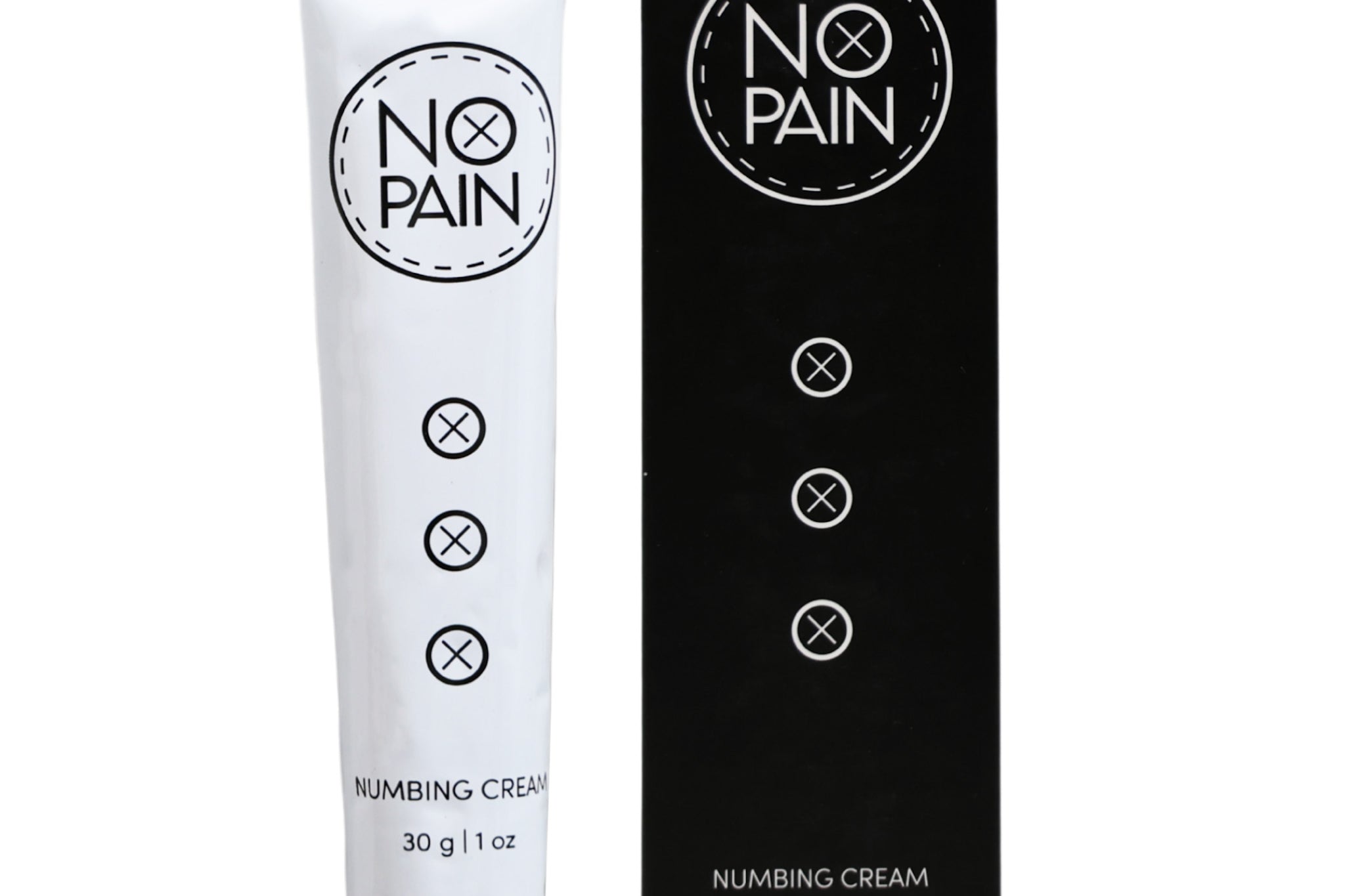
For longer sessions, numbing cream is worth planning around. Applied 90 to 120 minutes before the session starts and kept under wrap, maximum-strength numbing cream takes the edge off real work. For sessions that run past the initial numbing window, a numbing spray formulated for broken skin extends the relief mid-session.

Maximum-strength numbing in a thick, slow-absorbing base. Apply 90 to 120 minutes before your session, cover with cling film, and arrive already numb. Ideal for ribs, sternum, or any longer floral session. 100% money-back guarantee.

Cream for pre-session numbing (90 to 120 minutes under wrap) plus spray for mid-session top-ups on broken skin. Covers the full session for larger realism and botanical sleeve pieces. 100% money-back guarantee.
Aftercare
Flower tattoos in realism and fine line styles are more vulnerable during healing than bold traditional work, because the delicate shading and thin lines are the first detail to suffer from heavy scabbing, picking, or inadequate moisture. The principles are the same as any tattoo, but the stakes are higher for detailed floral pieces.
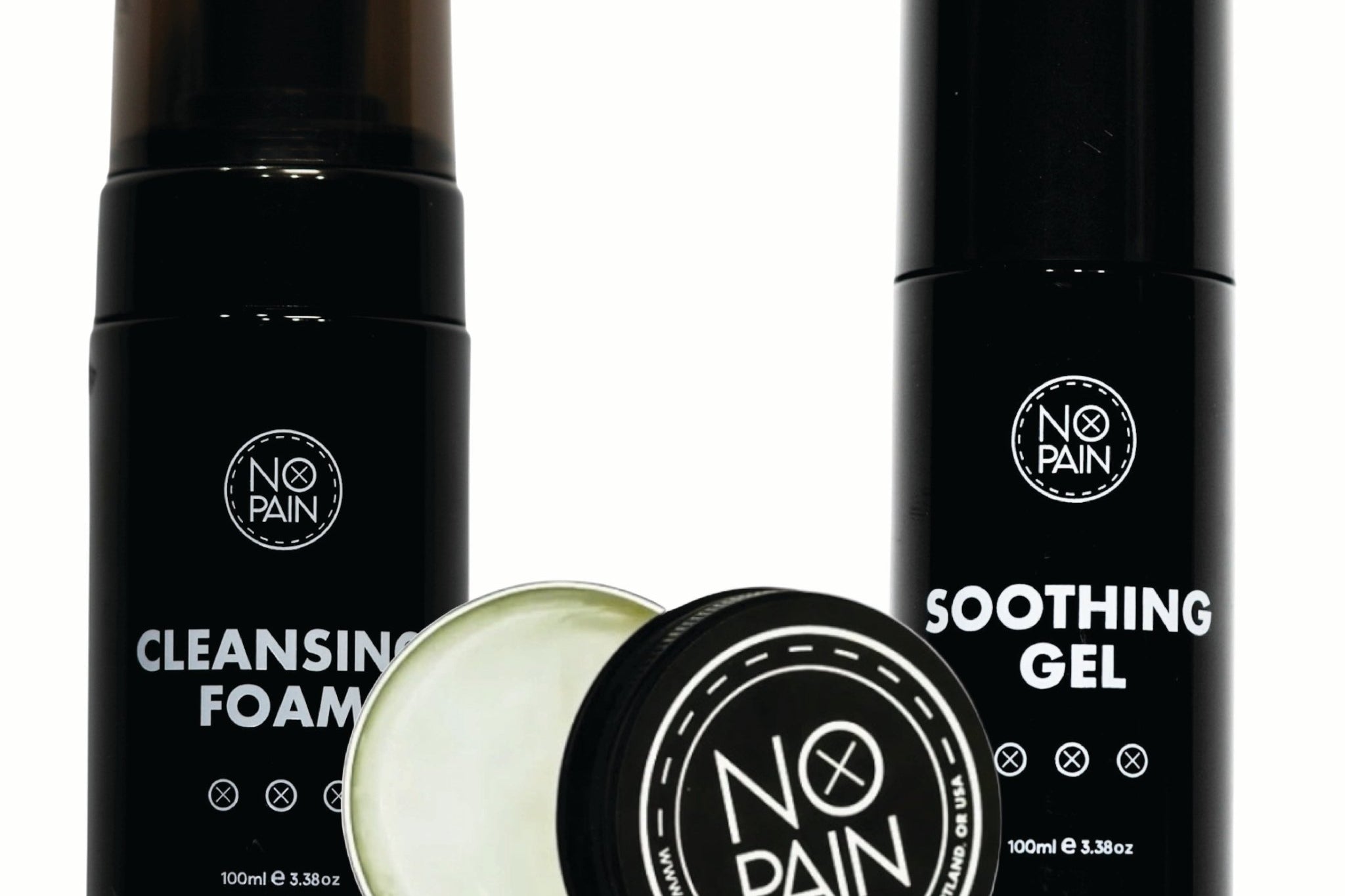
Wash twice a day with a fragrance-free liquid soap, pat dry with a clean paper towel, and apply a thin layer of soothing gel after each wash for the first three days. From Day 3 onward, as peeling begins, transition to an aftercare balm. Keep the piece out of the sun until it's healed: UV exposure during healing fades color and disrupts the surface layer while it's still settling.
Protect the Detail You Paid For
The Aftercare Bundle covers the full healing routine: soothing gel for Days 1 to 3, aftercare balm from Day 3 onward, and cleansing foam for daily washing. Everything your floral tattoo needs to hold its detail through the heal.
Shop the Aftercare Bundle →Formulated at Historic Tattoo in Portland, Oregon. 100% money-back guarantee.
FAQ
What is the most popular flower tattoo?
The rose is by far the most tattooed flower, and has been for over a century across multiple cultures and styles. It works in traditional, realism, fine line, neo-traditional, and blackwork. Other consistently popular flowers include the peony, lotus, cherry blossom, sunflower, and wildflower clusters.
Do flower tattoos have to be in color?
No. Black and grey flower tattoos are extremely popular, particularly in realism and botanical illustration styles. Black and grey realism can produce stunning flower tattoos with deep tonal range and fine detail, and black and grey tends to age more gracefully than color. Many people prefer the look of a monochromatic botanical tattoo. Color adds vibrancy but also adds maintenance requirements over time.
How long does a flower tattoo take?
Highly variable by size and style. A small fine line daisy might take 45 minutes. A detailed botanical realism rose at palm size can take a full day session. A large floral sleeve or back piece is a multi-session project. Your artist will give you an estimate based on the specific design at your consultation.
Where do flower tattoos hurt the least?
The outer upper arm, outer thigh, and forearm are generally considered the least painful placements for most people. The ribs, sternum, inner arm, and kneecap area are consistently rated as more painful. Pain level also depends on session length: a two-hour session anywhere is easier than an eight-hour session anywhere, regardless of placement.
Do flower tattoos fade faster than other tattoos?
It depends on style and placement more than subject. Fine line flower tattoos fade faster than bold traditional flower tattoos because thin lines blur as the ink settles over time. Realism work with soft shading is vulnerable to UV exposure and poor healing. Bold outlines hold the longest regardless of subject. Color work on sun-exposed placements (forearms, ankles) fades faster than work in sheltered areas. Sun protection long-term makes a real difference.
Can you combine different flowers in one tattoo?
Yes, and it's very common. Wildflower clusters, botanical bouquets, and mixed floral compositions are some of the most popular choices, especially for larger pieces. Mixing flowers with different symbolic meanings creates a layered personal narrative. The main consideration is consistency of style: mixed flowers work best when done in the same style by the same artist, so the piece reads as cohesive rather than mismatched.