
Pre-tattoo nerves are almost universal, especially for a first session. The excitement that has been building for weeks starts mixing with something harder to name — a low-level dread about what the needle will feel like, whether you will be able to handle it, whether you made the right choice. All of that is normal. The fear before a first tattoo is a reasonable response to doing something permanent and unfamiliar.
The good news is that most tattoo anxiety has a clear source, and once you identify it, managing it is practical rather than vague. Here is what is actually driving that pre-session dread and what to do about it.
In this article
- Where tattoo anxiety comes from
- What getting a tattoo actually feels like
- How to prepare and reduce anxiety before the session
- Removing the pain variable entirely
- In the chair: if nerves hit anyway
- Frequently asked questions
Where Tattoo Anxiety Comes From
Most pre-tattoo anxiety is not a single fear — it is a cluster of them running in parallel.
The fear of pain is the loudest. Not knowing how much something will hurt, and imagining the worst, is more stressful than the actual experience almost every time. When you do not know what to expect, your imagination fills the gap with something worse than reality.
The fear of permanence runs alongside it. The decision to get a tattoo carries real weight. Sitting in the waiting room right before it happens is when that weight lands most concretely. This is normal, and it does not mean you are making a mistake — it means you are taking the decision seriously.
The fear of the unknown process is the third layer. If you have never been in a tattoo studio, you do not know the environment, what the artist will be like, or how the session will actually unfold. Unfamiliarity creates ambient anxiety even when there is nothing specifically to worry about.
What Getting a Tattoo Actually Feels Like
The most common description of the tattoo sensation is a hot scratch — similar to a cat dragging its claws across your skin, but with a vibrating quality from the machine. It is not a sharp, stabbing pain. It is consistent and abrasive. Most people find that once the needle starts, the anticipation was worse than the reality.
How much it hurts depends heavily on placement. Fleshy areas with more muscle and fat between the skin and bone — like the outer arm, outer thigh, and shoulder — are on the lower end of the pain scale. Bony areas with less tissue — ribs, hands, feet, spine — are more intense. A first tattoo on a manageable placement is a very different experience from a first tattoo on the ribs.
Professional studios are calm, focused environments. The artist is not intimidating — they are a professional doing their job, and most are used to clients who are nervous. The studio itself is clean and quiet, usually with music playing. There is nothing alarming about the setting once you are in it.
How to Prepare and Reduce Anxiety Before the Session
Anxiety thrives on things feeling out of control. The most effective way to reduce it is to take deliberate control of the things you can manage before the session.
Eat a proper meal beforehand
This is the most important practical step. Eat a substantial meal — something with complex carbohydrates and protein — one to two hours before your appointment. Low blood sugar during a tattoo session causes lightheadedness, shakiness, and sometimes fainting. What often gets misread as an overwhelming pain response is actually a blood sugar crash. A proper meal prevents this entirely and helps you feel physically stable going in.
Hydrate the day before
Drink plenty of water in the 24 hours leading up to your session. Well-hydrated skin is more supple, easier to work on, and less sensitive during the process. Dehydration makes everything feel more intense.
Get enough sleep
A tired body is a more anxious and more sensitive body. Pain perception increases with sleep deprivation. If you are lying awake the night before because of nerves, that is normal — but do what you can to get rest in the days before.
Bring distractions
Download something to listen to before you arrive. A podcast, an audiobook, a playlist — anything that gives your mind something to focus on other than what the needle is doing. Distraction is one of the most effective pain and anxiety management tools available during a session, and it costs nothing.
Removing the Pain Variable Entirely
Fear of pain is the single largest driver of tattoo anxiety. The practical solution to fear of pain is to remove the pain.
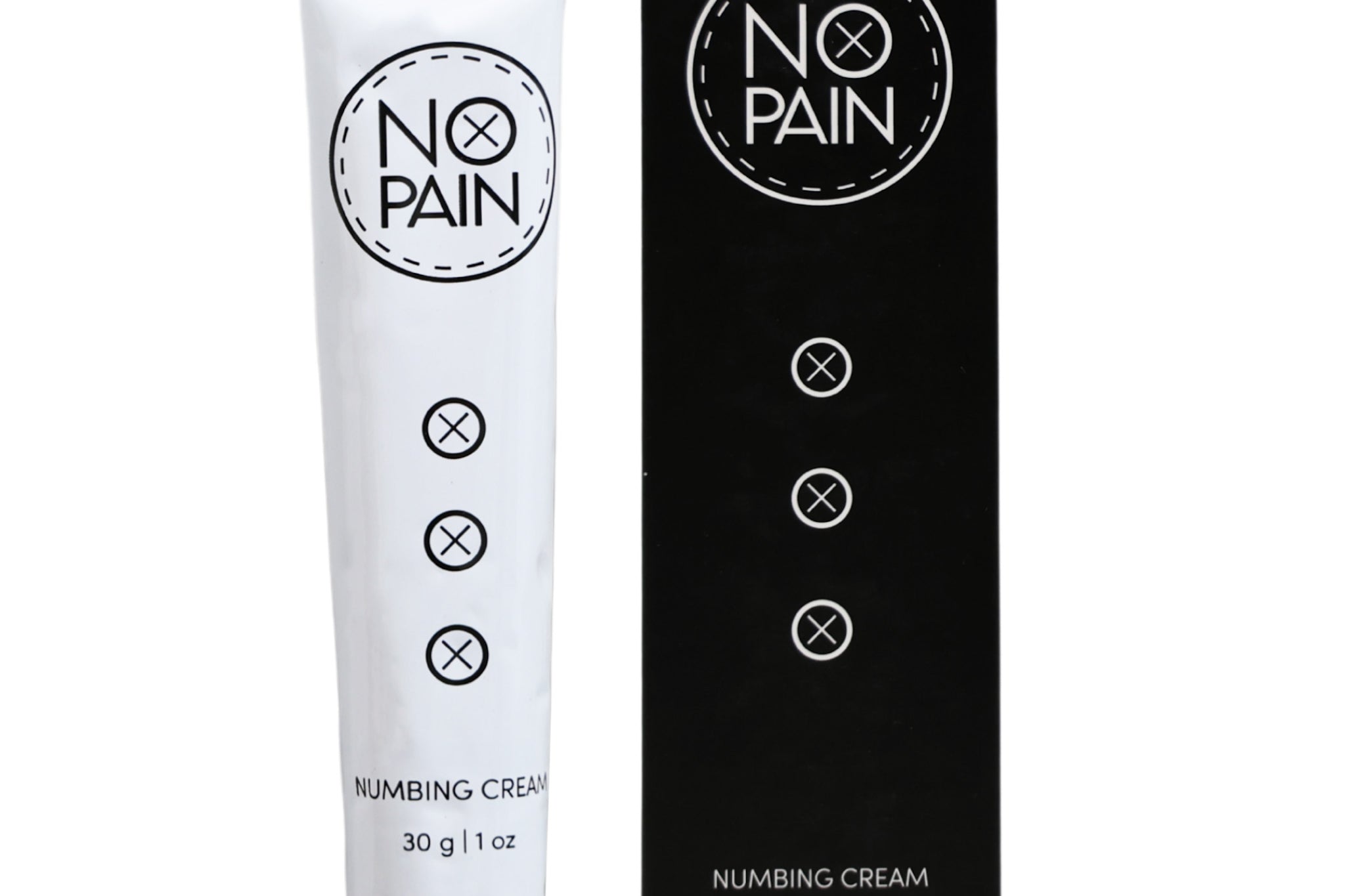
A maximum-strength lidocaine numbing cream, applied correctly under cling film 90 to 120 minutes before your session, provides deep, consistent numbness from the first line. The difference it makes to the anxiety is significant: instead of walking into the studio bracing for something unknown, you walk in knowing the experience will be comfortable. The biggest "what if" is gone.
For first-timers especially, this is worth taking seriously. The anxiety about a first tattoo is often so much about not knowing what the pain will be like. Numbing cream settles that question before it becomes an issue.


In the Chair: If Nerves Hit Anyway
Even with good preparation, some people feel a wave of nerves when they actually sit down. That is fine. Here is what to do with it.
Focus on your breathing
Box breathing is simple and effective: breathe in for four counts, hold for four, out for four, hold for four. Repeat. This activates the parasympathetic nervous system and physically reduces the stress response. It also gives your mind a task to focus on rather than anticipating the needle.
Talk to your artist
Most artists have worked with nervous first-timers many times. Telling them you are nervous is not embarrassing — they will appreciate knowing and will likely adjust their approach. They can talk you through what they are doing, let you know before the needle starts, and check in with you during the session. You are not alone in the chair.
Remember that stopping is always an option
You can ask your artist to pause at any point. Sessions have natural break points, and artists expect them. Knowing you have the option to stop and breathe — even if you do not use it — makes the experience feel less confined.
Frequently asked questions
Is it normal to feel anxious before a tattoo?
Yes, and very common. Most people — even those who have had tattoos before — feel some level of pre-session nerves. It is a normal response to doing something permanent, unfamiliar, or physically intense. The anxiety tends to drop significantly once the needle actually starts.
What does getting a tattoo feel like?
The most common description is a hot scratch — like a vibrating cat claw dragging across the skin. It is consistent and abrasive rather than sharp and stabbing. Most people find the anticipation is worse than the reality. Placement makes a significant difference: fleshy areas like the outer arm or thigh are much more manageable than bony areas like the ribs, spine, or hands.
How can I calm my nerves before a tattoo?
The most effective approaches are practical: eat a substantial meal beforehand, hydrate the day before, get enough sleep, and bring something to listen to during the session. If fear of pain is the main source of anxiety, using a numbing cream removes that variable before it becomes an issue. Walking in knowing the experience will be comfortable is a different psychological state than walking in not knowing what to expect.
What if I can't handle the pain?
You can always ask your artist to pause. Sessions are not locked — there are natural break points, and artists expect clients to need them. If you are concerned about pain tolerance, numbing cream is the direct answer: it blocks the sensation rather than requiring you to push through it. Most people who use it find the anxiety largely disappears once they know pain is not the obstacle.
Should I tell my tattoo artist I'm nervous?
Yes. Experienced artists have worked with nervous clients many times. Letting them know allows them to communicate more clearly during the session, tell you what to expect as they work, and pace things in a way that keeps you comfortable. It is not something to be embarrassed about.
Does being nervous make tattoos hurt more?
Yes. Anxiety raises cortisol and adrenaline, which increase nerve sensitivity and make the body more reactive to pain. Muscle tension from anxiety also makes the skin harder to work on and can make the experience more uncomfortable for both you and your artist. Managing the anxiety directly — through preparation and, if needed, numbing cream — reduces the physical pain response as well.
Walk In Knowing the Experience Will Be Comfortable
Maximum-strength numbing cream applied 90 minutes before your session. The biggest source of pre-tattoo anxiety — gone.
Shop Numbing Cream