

The sternum is one of the most honest placements you can choose. There's no softening it: it's a 9 out of 10. Bone directly under thin skin, no fat layer, no muscle to buffer the needle, and the same breathing movement that makes rib tattoos brutal - except centered right on your chest. The machine vibration resonates through your entire ribcage. Some people feel it in their back.
That said, it's one of the most striking placements you can get. Underboob pieces, chest panels, mandala work extending up toward the collarbone - the sternum rewards the sit. This guide covers the most popular sternum tattoo styles, what's happening anatomically when you sit for one, how the session feels from start to finish, and what genuinely helps.
In this article
- Common sternum tattoo designs
- Why the sternum hurts so much
- Which part of the sternum is worst
- What the session feels like
- Breathing and symmetry
- How to manage the pain
- Healing a sternum tattoo
- Frequently asked questions
Common Sternum Tattoo Designs
The sternum runs vertically down the center of the chest, which makes it a natural axis for symmetrical and ornamental work. Here are the most common approaches and what each one involves.
Underboob ornamental. The most popular sternum style. These designs center on the lower sternum and xiphoid process, then extend outward underneath the breast tissue as decorative wings or floral extensions. The bone work is the hardest part of the session; the underboob extensions onto breast tissue are noticeably more tolerable.
Mandala. A centered circular design that radiates outward symmetrically from the sternum. Mandalas use the chest's natural central position well but require precision symmetry, which means longer sessions with more repositioning. A medium mandala typically runs three to five hours.
Botanical and floral. Climbing florals, roses, vines, or botanicals that run vertically up the sternum or branch outward to the sides. Fine line botanical work is popular here, though thin lines on the sternum are subject to the same longevity considerations as fine line anywhere: less ink per millimeter means more visible change over time. SPF protection on healed sternum work extends it considerably.
Geometric and sacred geometry. Triangles, hexagons, dotwork, and sacred geometry designs anchored to the sternum center. Geometric work tends to be all-linework, which is hard over bone on the first pass but avoids the compounded pain of shading passes over already-worked skin.
Script and lettering. Vertical scripts and single words running down the sternum. Scale matters: thin fine-line lettering on the sternum will spread over years as the skin settles. Your artist should size lettering generously enough to stay readable long-term.
Whatever design you choose, coverage area determines how long you sit. A small minimalist piece might take 90 minutes. A full chest panel extending beyond the sternum could run eight hours across two sessions. Design size and how much of it sits directly on bone is the main variable in how much the session tests you.
Why the Sternum Hurts So Much
Three things make the sternum one of the hardest placements to sit, and they all happen at once.
Zero padding. The sternum - the flat breastbone running down the center of your chest - has almost no subcutaneous fat over it. On your outer thigh or upper arm, there are layers of tissue between the skin surface and anything hard. On the sternum, the skin sits directly on bone. There is nothing in between. The needle is working one layer above your breastplate for the entire session.
Anterior cutaneous nerve branches. The intercostal nerves that run between your ribs send branches upward toward the front of the chest, called anterior cutaneous branches. These emerge along the midline, right along the sternum. They're close to the surface, they're numerous, and they have nowhere to hide. This is why sternum pain tends to feel sharp and immediate rather than dull - you're working directly over a dense nerve pathway with nothing buffering the signal.
Bone conduction. The sternum is a resonant structure. The machine's vibration doesn't stay at the needle site - it transmits through the bone and into the chest cavity. People consistently describe feeling it across their ribs, sometimes into their back, occasionally into their throat. It's a deeply internal sensation that catches people off guard, especially those who've only been tattooed on fleshy placements before.
Which Part of the Sternum Is Worst
The sternum runs from just below your collarbone down to the soft tissue above your stomach, and it's not uniform in how it feels.
Upper sternum (manubrium) - the top section where the collarbone attaches - is bony and sharp. Designs that extend up toward the throat or collarbone are working in this zone. It's painful, but the bone here is wide and relatively solid, which keeps the vibration somewhat contained.
Mid-sternum (the body) is the main work area for most chest and sternum pieces. This is still a 9/10 - there's no padding anywhere along the sternum - but experienced artists often find this section slightly more workable than the extremes. The bone is at its widest here, which distributes the vibration somewhat.
Lower sternum and xiphoid process is consistently the worst section. The xiphoid process is a small cartilaginous extension at the very bottom of the sternum, and the skin here is the thinnest of the lot. Pieces that extend downward into this zone - particularly underboob designs that reach the lower sternum - hit the hardest. The structure is also less solid than the upper bone, so the vibration feels different: more mobile, less predictable.
Underboob extensions - where a sternum design bleeds out onto the breast tissue - are noticeably more tolerable than the bone itself. Breast tissue has fat and give, which absorbs sensation differently. This is why some people are surprised to find that the ornamental side elements of their piece feel almost manageable compared to the center work.
What the Session Feels Like
The first pass is sharp and immediate. There's no adjustment period the way there is on outer arm or shoulder work - you feel it from the first stroke. The bone vibration starts right away, and for most people it's the vibration rather than the surface pain that's hardest to process. It doesn't hurt the way a cut hurts. It's more like something is happening inside your chest that shouldn't be.
The first 30 to 45 minutes are typically the hardest. After that, your nervous system begins to adapt somewhat to the baseline sensation - not fully, but enough that the second hour feels different from the first. The sternum doesn't adapt the way fleshy placements do, but the psychological adjustment of just getting used to what the sensation actually is makes a real difference.
Where sternum sessions get genuinely difficult is in the fine detail and shading passes. Line work is hard enough. Shading - where the needle moves over already-worked skin repeatedly - compounds the sensation. Large fills or heavy shading over the sternum are where most people hit their real limit.
Position matters too. Most sternum work is done lying flat on your back, which is actually one of the more comfortable positions to be tattooed in. The challenge is staying completely still - no shifting, no reaching for your water bottle, no adjusting - for hours at a time while your chest is vibrating.
Breathing and Symmetry
The sternum shares the breathing problem with the ribs: every inhale expands your chest, which moves the skin against the needle. Artists doing sternum work deal with this the same way - timing strokes to the exhale, when the tissue is most relaxed. Learning to breathe slowly and shallowly, and to exhale at a consistent rate, is one of the most useful things you can do for a sternum session. Slow out, hold briefly, let the artist work, inhale on the pause.
Sternum pieces have an additional challenge that rib tattoos don't: symmetry. Most sternum designs - mandalas, florals, geometric work, underboob ornamentals - are symmetrical. That means your artist is constantly checking both sides against each other, repositioning, stepping back to look, sometimes working one side then the other in alternating passes. Sessions feel longer than the hour count suggests because there's more interruption built in. For complex symmetrical pieces, this is just the reality of how the work gets done correctly.
How to Manage the Pain
The sternum is one of the placements where numbing cream makes the most meaningful difference, for the same reason as the ribs: thin skin absorbs lidocaine quickly and deeply. There's very little tissue to penetrate before the anesthetic reaches the nerve endings it needs to block. Applied correctly - 90 to 120 minutes before your session, covered with plastic wrap to prevent evaporation - a maximum strength formula can bring a 9/10 down to something that feels more like vibration and pressure than sharp pain.
What to avoid: thin creams that absorb fast and peak early. They'll wear off before you're through the outline, which means you start the shading pass - the hardest part - with no coverage. A thick, slow-absorbing base builds numbness across the full application window and holds it. The formula matters as much as the active ingredient percentage.
For sessions running longer than two hours, a numbing spray your artist applies to broken skin mid-session carries you through the back half of the appointment. Sternum sessions where you're doing detailed shading over a large panel are exactly the scenario this is designed for - you'll feel the difference between the numbed first half and an un-numbed second half clearly enough that you'll want the re-numb option.

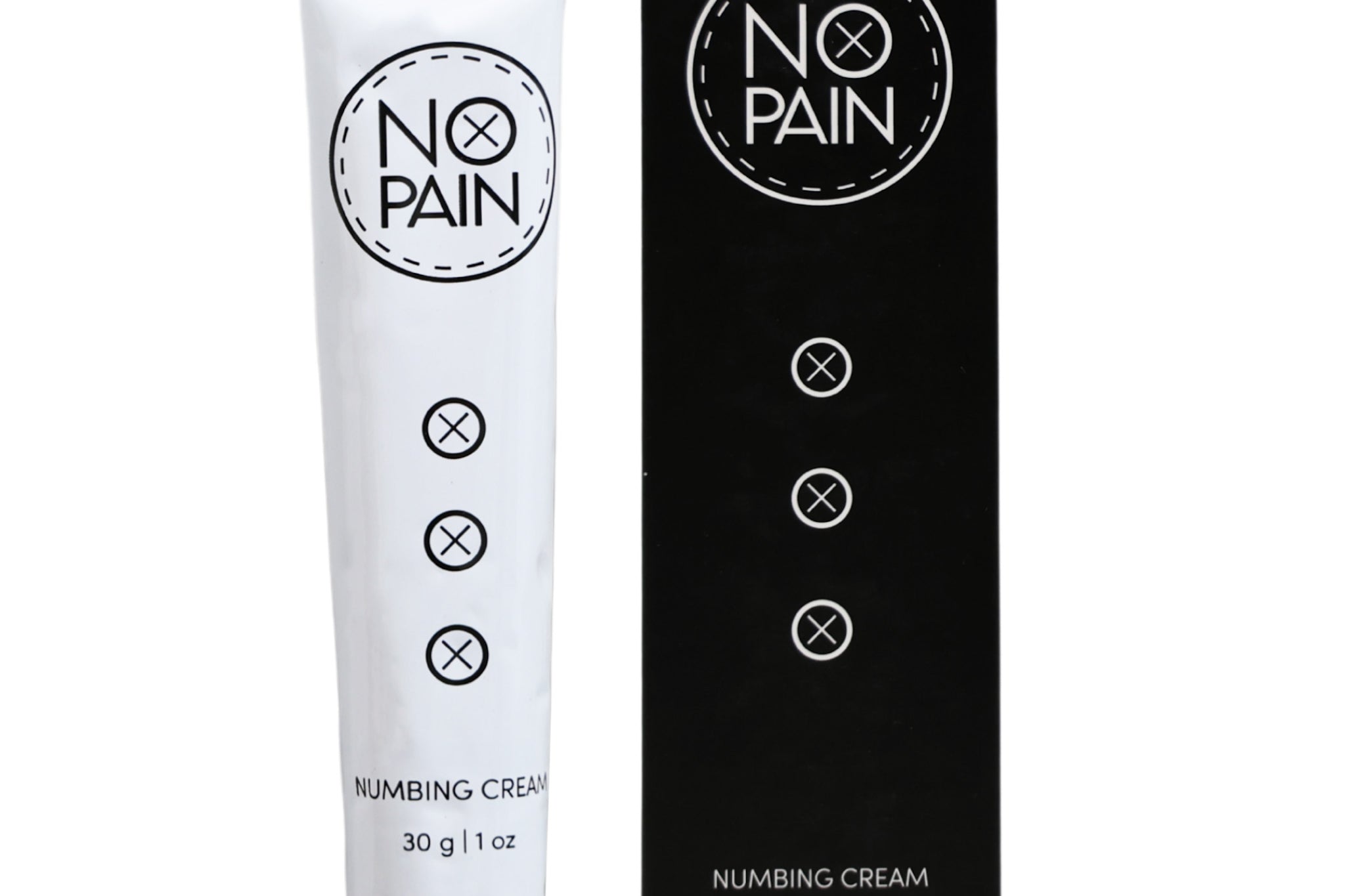
Maximum strength formula in a thick, slow-absorbing base. The sternum's thin skin absorbs lidocaine fast - which works in your favor when the formula is designed to build and hold rather than peak and fade. Apply 90 to 120 minutes before your session, cover with plastic wrap, and arrive already numbed. Formulated at Historic Tattoo in Portland.

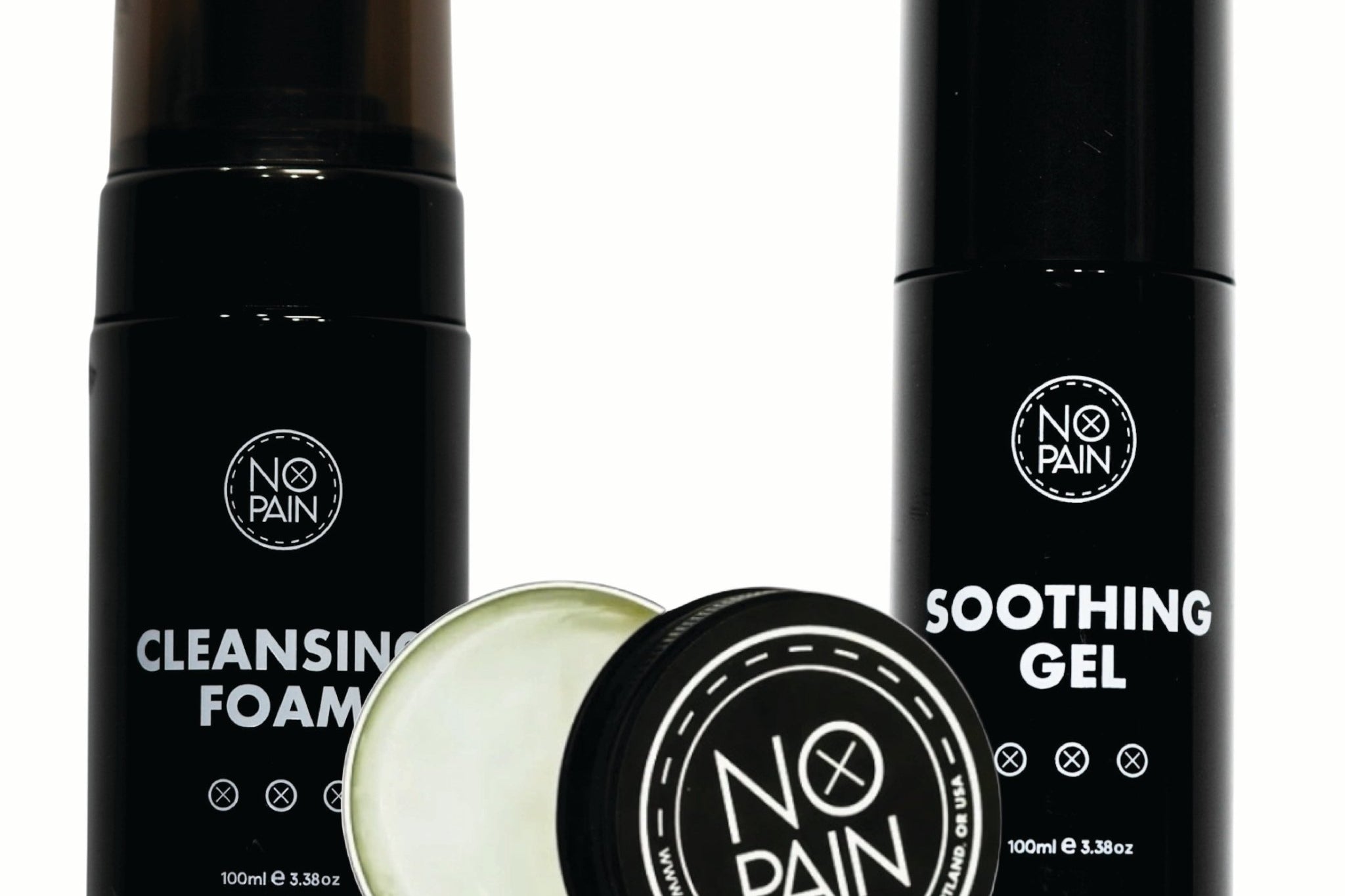
Pre-session numbing cream plus a numbing spray your artist applies mid-session on broken skin to re-numb and keep working. For sternum pieces with detailed shading or large fills, the back half of the session is where it gets hardest - this combination covers you from first pass to last. Formulated at Historic Tattoo in Portland.
Healing a Sternum Tattoo
The sternum actually heals better than some comparable pain placements - it doesn't move as much as the ribs during daily activity, and it's not exposed to the constant friction of a waistband or shoe. But it has its own healing challenges.
For women, bra bands are the main issue. Any band that crosses the fresh sternum piece is going to create friction and trap moisture - both of which slow healing and increase irritation risk. Bralettes, soft bra alternatives, or going without for the first two weeks are all worth considering depending on your design placement. Sports bra bands that sit lower can also be a problem if the piece extends toward the lower sternum.
Tight clothing over the chest - anything with a high neckline or compression fit - will rub the fresh work and potentially pull at any raised texture during the peeling phase. Loose, open-necked tops for the first 10 to 14 days make a real difference.
Sleeping on your stomach is uncomfortable and inadvisable for at least the first week. The sternum placement is generally fine for back sleepers, though some people find it tender enough that the weight of even light bedding causes discomfort in the first few days.
Surface healing follows the standard timeline - most peeling happens in days 5 to 10, the milky/cloudy phase follows, and the tattoo settles fully around four to six weeks. Keeping the area moisturized without overdoing it is the same rule as everywhere else.
Frequently asked questions
Is a sternum tattoo more painful than a rib tattoo?
They're both in the 9/10 range and comparable in overall intensity. The key difference is character. Rib tattoos combine bone contact with the intercostal nerve network and the breathing movement that amplifies every stroke across a wide surface area. Sternum tattoos are more centralized - the vibration goes deeper into the chest cavity, the bone resonance is more acute, and the sensation often feels more interior than surface-level. Most people who've had both describe ribs as broader and more relentless, and the sternum as sharper and more concentrated. Which is harder depends on how you personally process those different types of sensation.
Does the underboob part of a sternum tattoo hurt as much as the bone?
No, noticeably less. The underboob area - where a sternum design extends outward onto the breast tissue - has fat and give that the bone itself doesn't. The sensation shifts from that sharp, resonating bone pain to something more like standard soft-tissue tattooing, which most people find considerably more manageable. A lot of people are relieved to get to the side elements of their piece after spending time on the center line. The sternum bone itself is the hard part.
How long does a sternum tattoo session usually take?
It depends on the design, but symmetrical sternum pieces take longer than the raw hour count suggests because of the constant repositioning, checking, and alternating-side work that symmetrical designs require. A medium mandala or floral might run three to five hours. A full chest panel or large underboob piece extending considerably onto the ribs could easily be six to eight hours across one or two sessions. Most artists recommend splitting anything ambitious into two sessions both for your comfort and for the quality of the symmetry work.
Can numbing cream actually help with sternum tattoo pain?
Yes, and the sternum is one of the best-case scenarios for topical numbing. The very thing that makes it painful - thin skin with almost no fat layer - also means lidocaine reaches the nerve endings faster and more completely than on padded placements. Applied 90 to 120 minutes before your session with plastic wrap, a maximum strength formula can bring the experience down several points from that 9/10 baseline. The key is using a thick formula that doesn't peak and wear off early - you want coverage that holds through the shading pass, not just the outline.
Is it normal to feel nauseous or lightheaded during a sternum tattoo?
Yes, and it's more common here than on most other placements. The combination of intense sustained pain, the unusual internal chest sensation, restricted breathing from lying flat and staying still, and the adrenaline response can all contribute to nausea or lightheadedness. Eating a proper meal two to three hours before your session, staying hydrated, and having sugary snacks available during the session helps. If you start to feel faint, tell your artist immediately - it's not unusual, there's no shame in it, and a brief break is far better than pushing through and losing consciousness on the table.
How long does a sternum tattoo take to heal?
Surface healing - peeling done, skin looking normal - takes about three to four weeks. Full healing at the dermis level takes four to six weeks. The sternum is less mechanically stressed during daily activity than placements like the elbow ditch or ribs, so healing is often smoother once you get through the initial soreness. The main variable is clothing friction: bra bands and tight chest clothing can extend the irritation phase if you're not careful about what you're wearing over the piece. Keep it moisturized, avoid submerging it in water until fully closed, and protect it from sun exposure once healed.
One of the Hardest Spots. Worth Preparing For.
Maximum strength numbing cream in a thick, slow-absorbing base. The sternum's thin skin absorbs it fast - apply 90 to 120 minutes before your session, wrap it, and arrive already numbed. For longer pieces, the bundle adds a mid-session spray for the shading pass.
Shop the Comfort Bundle →Formulated at Historic Tattoo in Portland, Oregon. 100% money-back guarantee.