


Hand tattoo pain ranges from 7 to 10 out of 10 depending on exactly where on the hand you are placing the work. The back of the hand sits at 8 to 9. The knuckles are 9 to 10. The palm is technically among the most painful spots on the body, but it comes with a separate problem: the ink almost always falls out regardless of how well the session goes, which is why most experienced artists decline to do it.
The hand is painful for reasons that stack on each other. The skin is among the thinnest on the body on the dorsal (back) surface, with extensor tendons running directly underneath and the metacarpal bones right below those. The nerve density is exceptional - the hand is one of the most richly innervated surfaces humans have, which is why fine motor work is possible but also why everything that touches it registers acutely. And unlike most placements, the hand moves constantly even when you are trying to hold still: tendons shift under the skin with even subtle tension in your fingers.
In this article
- Pain by zone
- What the session actually feels like
- Why artist experience matters
- How to manage the pain
- Healing a hand tattoo
- Frequently asked questions
Pain by Zone
Back of the hand (dorsum): 8-9/10
The dorsal surface is where most hand tattoos sit - the skin here is thin, the metacarpal bones are close to the surface, and the extensor tendons (extensor digitorum and extensor pollicis) run across the back of the hand just under the skin. When the needle passes over a tendon, the vibration transmits into the tendon sheath and produces a sharp, electric quality that makes the dorsum more intense than the bone vibration alone would suggest. The dorsal branches of the radial and ulnar nerves supply this surface, and they sit close enough to the skin that their stimulation is direct.
The vibration from the machine travels through the entire hand from any dorsal point - the metacarpal bones are connected through the carpal bones at the wrist, so you feel the machine in your whole hand regardless of which metacarpal the artist is working over.
Knuckles: 9-10/10
The knuckles are the most painful part of hand work. Thin skin sits directly over the metacarpophalangeal joints with virtually no fat or muscle beneath, the extensor tendons run under the surface, and the nerve density is among the highest on the hand. For a full breakdown of the knuckle experience, the knuckle tattoo pain guide covers it in detail - including how to apply numbing cream for each finger individually and what to look for in an artist who specializes in this area.
Fingers (non-knuckle zones): 8-9/10
The skin wrapping around the sides and tops of the fingers is thin over bone on all sides. The sensation has a wrap-around quality - the machine is working on a narrow cylindrical surface and the vibration has nowhere to go except through the bone. The digital nerves (palmar digital and dorsal digital branches) run along each side of every finger, which is why tattooing the sides of the fingers produces a particularly sharp, electric sensation that can feel like the nerve itself is being directly stimulated.
Thenar eminence (base of the thumb): 6-7/10
This is the most forgiving spot on the hand. The fleshy muscle pad at the base of the thumb - the thenar muscles - provides more cushion than anywhere else in the hand. The pain is real - 6 to 7 out of 10 - but relative to the rest of the hand it is notably easier. Artists who want to give a client a starter piece before committing to a full hand or finger tattoo sometimes recommend starting here.
Wrist side of the hand: 7-8/10
The area where the hand meets the wrist, over the carpal bones, has slightly more tissue coverage than the metacarpal region. It is still a bony area with thin skin, but the pain sits a step below the main dorsal surface in most people's experience.
Palm: 9-10/10 - but rarely done for good reason
The palm is densely packed with palmar digital nerves and the recurrent branch of the median nerve. The skin is thick - much thicker than the dorsal surface - but that thickness does not reduce the pain; it just changes its character from the sharp quality of thin-skin placements to something heavier and more pressured. The real problem with palm tattoos is not the pain but the ink: the palmar epidermis regenerates quickly, the skin is in constant contact and friction, and ink does not anchor in the same way it does on other surfaces. Most palm tattoos fade or fall out within months regardless of the artist's technique. This is why many experienced artists decline palm work, and why those who do it are upfront that repeated sessions will be required to maintain anything.
What the Session Actually Feels Like
The thing most people do not anticipate about hand work is how much the tendons move. Even when you are trying to hold your hand completely still, subtle tension in your fingers - from bracing against the table, from holding a position - shifts the extensor tendons under the skin. Your artist is chasing a moving surface, which is why hand tattoos require more passes per area than most placements and why the session can feel relentless even on a relatively small design.
The vibration from the machine is felt across the whole hand regardless of which zone is being worked. The metacarpal and carpal bones are all connected, so a needle on the ring finger metacarpal sends vibration through the wrist and into the other fingers. This is different from, say, the shin, where the vibration stays relatively localized. On the hand, the whole structure rings.
Swelling is fast and pronounced. The hand responds to needle trauma with significant edema, and by the end of a session covering most of the dorsal surface, the hand can be noticeably swollen - skin tighter, more reactive, harder to saturate on later passes. This is one of the arguments for numbing: a relaxed, still client means the artist can work more efficiently and inflict less total trauma before the hand swells enough to make the work harder.
Why Artist Experience Matters
Hand tattoos separate artists who have done a lot of them from those who haven't. The curved, tendon-active surface of the dorsum and the thin, mobile skin over the knuckles both require precise depth control. Too shallow and the ink won't hold. Too deep and you get blowouts - ink bleeding into the surrounding tissue that produces blurry lines and, in the worst cases, scarring. The margin between those outcomes is narrower on the hand than on most other placements.
Ask any artist you are considering to show you healed hand work - not fresh photos, which always look clean, but images taken weeks or months later that show how the lines held. Blurred edges, uneven saturation, and patchy fills are signs of depth control problems that are permanent. For knuckle-specific advice on artist selection, including what to look for in a portfolio and what questions to ask, the knuckle pain guide goes into detail.
How to Manage the Pain
Numbing cream works well on the dorsal surface of the hand. The skin is thin and absorbs lidocaine efficiently within the 90-minute window. Apply a thick layer across the full dorsal surface and wrap the hand with cling film. For designs that extend onto the fingers, wrap each finger individually to maintain contact between the cream and the skin. The sharp tendon-and-bone-contact sensation drops considerably, and the client can hold the stillness the artist needs to do precise work.
The palm is a different situation. The thick palmar epidermis absorbs lidocaine more slowly and less efficiently than the dorsal skin, so the numbing effect is reduced compared to the back of the hand. Applying the cream still helps and is worth doing for any palm work, but the benefit is less pronounced than on the dorsal surface.

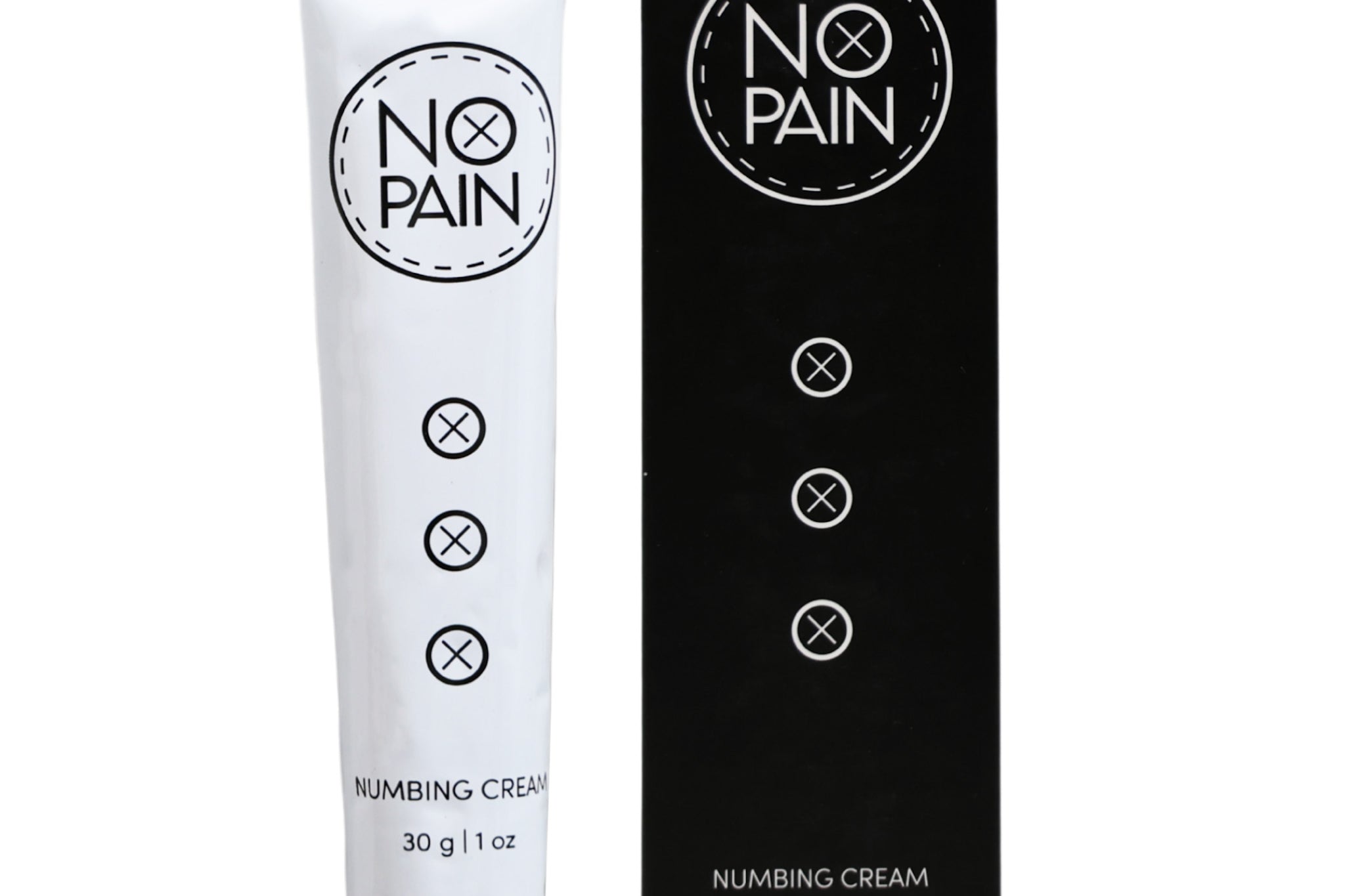
Maximum strength formula in a thick, slow-absorbing base. Apply across the full dorsal surface and wrap with cling film 90 minutes before your session. The thin skin on the back of the hand absorbs it well - takes the sharp tendon-and-bone sensation down enough to hold still and give your artist a stable surface. Formulated at Historic Tattoo in Portland.
For sessions covering the full hand - dorsum, fingers, and knuckles - the cream will start to fade before the work is done. A numbing spray applied mid-session by your artist on the already-worked skin extends coverage through the later passes, when swelling has set in and the hand is more reactive than at the start.

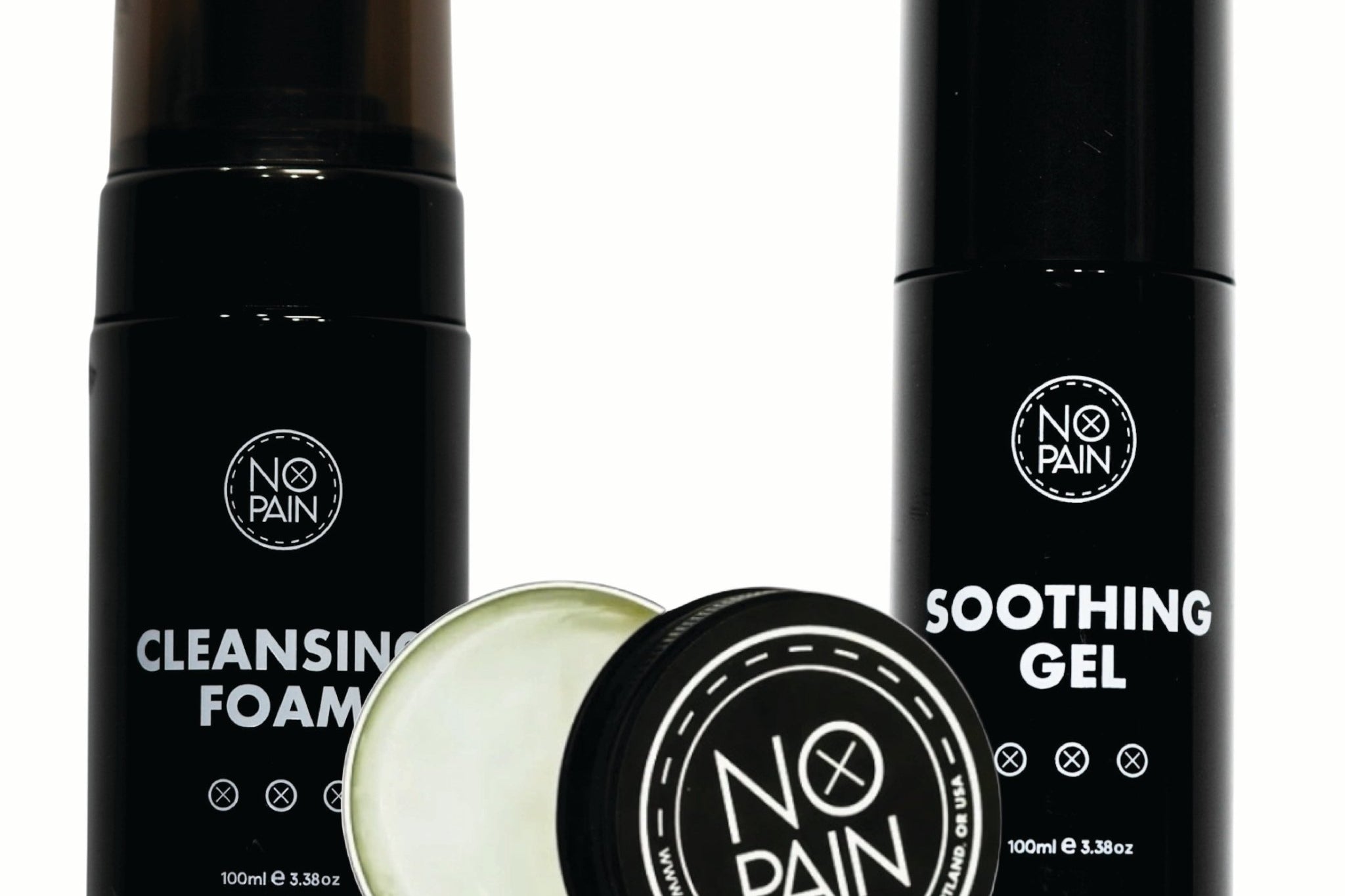
Pre-session cream plus numbing spray your artist applies mid-session on broken skin. For a full hand session covering the dorsum, fingers, and knuckles, the spray carries you through the later passes when the hand is swollen and fatigued. Formulated at Historic Tattoo in Portland.
Healing a Hand Tattoo
The hand is one of the hardest placements to heal well, for the same reasons it is painful to tattoo: it moves constantly, gets washed repeatedly, and is exposed to more friction and UV than almost any other part of the body.
Washing is the main disruption in the first week. The hands get washed more than any other body part, and each wash is a contact event on fresh healing skin. Wash gently with unscented soap, pat dry rather than rubbing, and apply a thin layer of aftercare balm after each wash. The emphasis is thin - a heavy layer gets removed before it can do anything on a surface that gets as much contact as the hand.
Movement is the other constant factor. The skin over the dorsum stretches every time you grip, flex, or extend your fingers. In the first 72 hours, minimizing hand use - no gripping, lifting, or repetitive movement - gives the ink the best chance to settle before the surface starts being disrupted. After the first three days the risk decreases, but the hand never fully rests the way a covered or stationary placement can.
Fading is real and worth understanding before you commit. Hand tattoos on the dorsal surface typically need touch-ups every one to three years. The high UV exposure (hands are rarely covered), constant friction, and fast skin regeneration all accelerate the process. Bold lines and heavy fills hold far better than fine-line work, which can blur and soften within a year. The placement and healing guide covers the full arc across all placements.
Frequently asked questions
How painful are hand tattoos?
It depends on the zone. The back of the hand is 8 to 9 out of 10 - thin skin over metacarpal bones with extensor tendons running right underneath. The knuckles are 9 to 10. The fingers (non-knuckle) are 8 to 9 with a wrap-around sensation from the digital nerves on each side. The thenar eminence at the base of the thumb is the easiest spot at 6 to 7, with muscle cushion that most of the hand lacks. The palm is among the most painful spots on the body but is rarely tattooed because the ink won't hold regardless of pain tolerance.
Why do hand tattoos fade so fast?
Three factors compound each other. First, hands are washed more than any other body part - each wash is a minor abrasion event on the healing and healed skin. Second, UV exposure is constant because hands are almost never covered, and sun is the primary driver of ink fading over time. Third, the skin on the hand regenerates quickly - the epidermis turns over faster here than on most other placements. Bold, heavy designs hold far better than fine-line work. Most people with hand tattoos plan for touch-ups every one to three years as routine maintenance.
Can you use numbing cream for a hand tattoo?
Yes, and it works well on the dorsal (back) surface where the skin is thin. Apply a thick layer across the dorsal surface and wrap with cling film 90 minutes before your appointment. For fingers and knuckles, wrap each finger individually. The cream absorbs well through the thin dorsal skin and takes the sharp tendon-and-bone sensation down enough to hold still through the session. The palm is less responsive to numbing cream because the palmar skin is much thicker, but applying it still provides some benefit. For a full hand session, use the bundle so your artist has spray for mid-session coverage.
Do artists refuse to do hand tattoos?
Some do, particularly palm tattoos. The palm presents a near-guarantee of significant ink fallout regardless of technique - the palmar epidermis is thick, regenerates fast, and the constant friction of daily use means the ink cannot anchor the way it does on other surfaces. Many artists who do hand work will do the dorsum and fingers but decline the palm outright, or will do it only with the understanding that repeated sessions will be needed. Some studios have policies against tattooing the hands as a first piece. It is worth asking directly before booking.
Are hand tattoos harder to heal than knuckle tattoos?
They share the same core challenges - constant movement, frequent washing, high friction - but the knuckle joints are generally considered the hardest specific zone because the skin stretches over the joint with every finger bend. A dorsal hand tattoo that avoids the knuckles heals somewhat more predictably. A full hand piece covering both the dorsum and the knuckles is one of the more demanding heals on the body. The knuckle pain and healing guide covers the joint-specific challenges in more detail.
Is a hand tattoo a good first tattoo?
Many experienced artists advise against it. The pain is among the highest on the body, the heal is demanding, the fading requires ongoing maintenance, and the placement is highly visible in professional and social contexts. Beyond the practical challenges, getting a well-placed first tattoo in a lower-pain area gives you a reference point for how your body responds to the process - how you handle the needle, how your skin heals, how the work looks over time. Hand tattoos ask you to make all of those decisions without that reference. If you are set on hand work, a piece in a less demanding spot first gives you the information to commit fully.
Give Your Artist a Stable Hand
Hand work demands stillness through sharp bone-and-tendon pain. Maximum strength numbing cream takes the intensity down far enough to hold still - which means cleaner lines and better ink packing on the first pass.
Shop Numbing Cream →Formulated at Historic Tattoo in Portland, Oregon.