

A small, simple piece can be done in an hour or two. A full back tattoo can take forty hours spread across months of sessions. There's no single answer, but there are clear variables that determine where your tattoo falls on that range. Here's how to think about it before you book.
In this article
- The five factors that determine tattoo time
- Why shading and coloring takes longer than linework
- Time estimates by size
- Preparing for a long session
- Frequently asked questions
The Five Factors That Determine Tattoo Time
1. Size and complexity
Size is the obvious one. A larger tattoo takes more time. Complexity is just as important, sometimes more so. A palm-sized traditional anchor with clean lines and one or two flat colors takes a fraction of the time of a palm-sized photorealistic portrait with thirty shades of grey wash. Your artist can tell you in a consultation whether a design is straightforward or labor-intensive for its size.
2. Style
Every style has a different workflow and speed. American Traditional moves quickly because of its clean outlines and large solid fills. Neo-traditional takes longer because of its decorative complexity. Photorealism and fine line work are among the slowest styles: photorealism requires building up layers of subtle tones over multiple passes; fine line demands extreme precision with little room for error. Blackwork with heavy fill sits somewhere in between depending on density.
3. Color vs. black and grey
Full color takes longer than black and grey of equivalent size. Color packing requires the artist to saturate the skin thoroughly, often going over areas several times with different needle configurations to blend colors and eliminate "holidays" (missed spots). Soft black and grey wash can be applied in fewer passes, especially when the style allows for more open, airy shading.
4. Placement
Some placements let an artist work quickly and confidently. The outer forearm, upper arm, calf, and thigh are flat, stable, and consistent. Ribs, stomach, spine, hands, feet, and the neck require much more careful work because the skin flexes, wraps around bone, or responds more intensely to the needle. An artist who can do four inches per hour on a forearm might do two inches per hour on your ribs. Placement matters for the final time estimate more than most people realize.
5. How well you sit
Your ability to hold still directly affects how fast your artist can work. Flinching, tensing, or needing to pause every twenty minutes adds real time. This isn't a criticism. It's physics. An artist has to work around movement to keep lines clean. The more still you can sit, the faster and cleaner the work goes.
Why Shading and Coloring Takes Longer Than Linework
Linework is fast and definitive. The artist makes a line, it's done. Shading and color require building up the skin in layers. Each pass deposits pigment, the skin responds, the artist assesses coverage, adjusts pressure and angle, and makes another pass. Achieving smooth gradients, full saturation, and consistent coverage across a large area is iterative work by nature.
A reasonable rule of thumb: shading and coloring will take at least as long as the linework, and usually two to three times longer. A tattoo whose outline took ninety minutes might take another three to four hours to shade and color fully. That's why so many medium-to-large tattoos are split across two sessions: one for lines, one for the fill.
Time Estimates by Size
These are general ranges. Your artist's pace, the specific design, and your placement will all shift the number.
Small (postage stamp to palm-sized, up to 4 inches): 1-3 hours total including shading. Straightforward designs at the low end; detailed or color-packed designs at the high end.
Medium (palm to hand-sized, 4-6 inches): 3-6 hours total. Simple black and grey at the low end; full color or intricate detail at the high end. Often completed in one session.
Large (hand-sized to forearm, 6-10 inches): 6-12 hours total. Almost always split across two sessions minimum. Full sleeves in this range and above run into multi-session territory.
Very large (full forearm, full back, full sleeve): 15 to 40+ hours total, spread across multiple sessions over months. A full sleeve typically runs 20-30 hours of work time. A full back can run 30-50 hours or more depending on the style and complexity.
Multi-session work also has a pacing element: skin needs time to heal between sessions (typically 4-6 weeks), so a sleeve that requires 25 hours of work might take 8-12 months to complete if you're doing 3-4 hour sessions.
Preparing for a Long Session
Session length matters beyond just scheduling. After two to three hours of work, skin becomes more reactive and the discomfort compounds. This is especially true during shading and color packing, which involves repeated passes over the same area with different needle configurations. The artist is working over increasingly tender skin, and your ability to hold still typically decreases as the session runs.
This is where numbing makes a practical difference. Not just for comfort, but for the quality of the work. A session where you can hold still for four hours produces better results than a session where you're shifting and tensing at hour two.

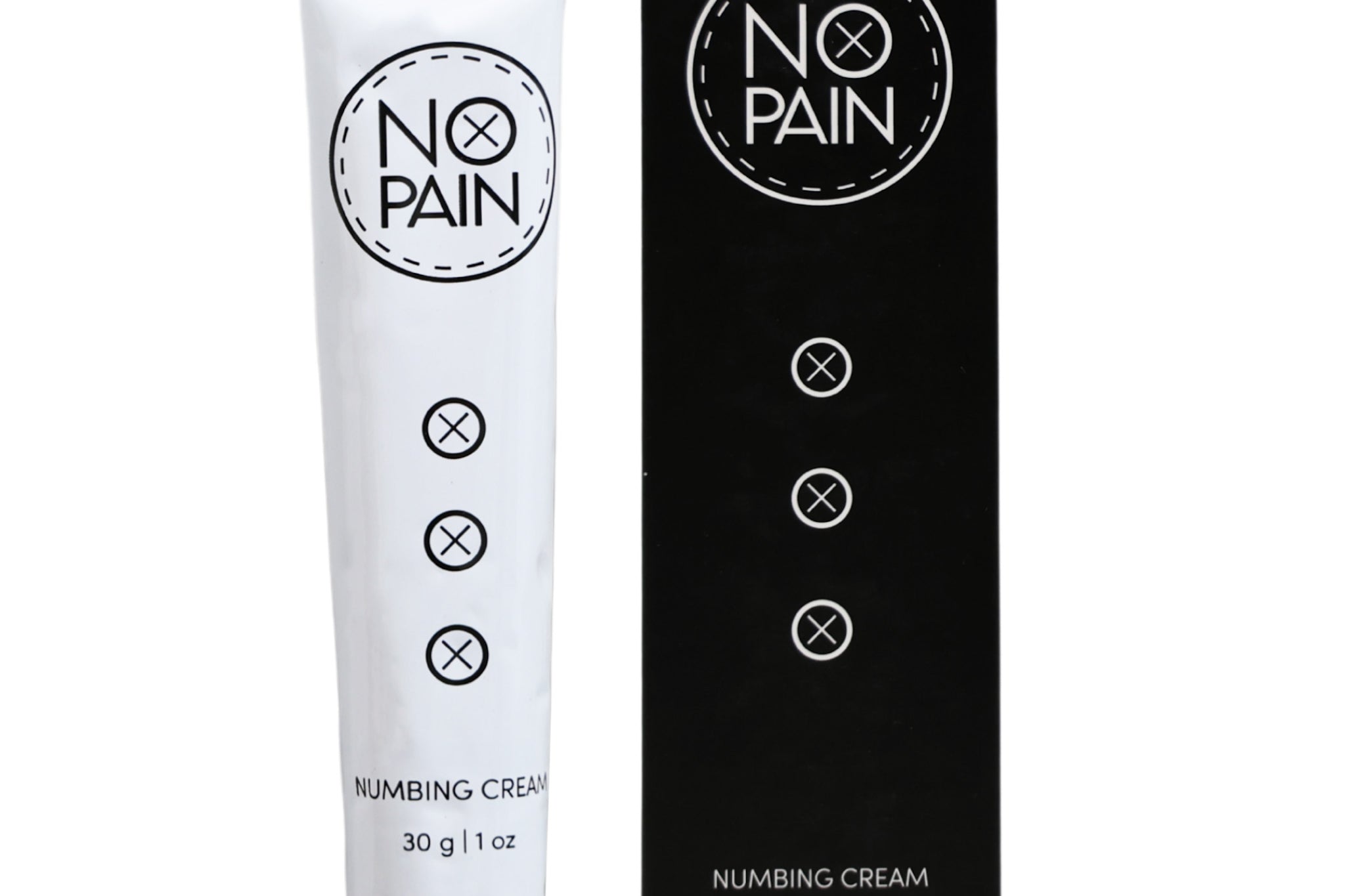
Maximum-strength lidocaine in a thick, slow-absorbing base. Apply at home, wrap with cling film, arrive numb. Covers the first two to four hours, enough for most single sessions and the hardest part of a longer one.
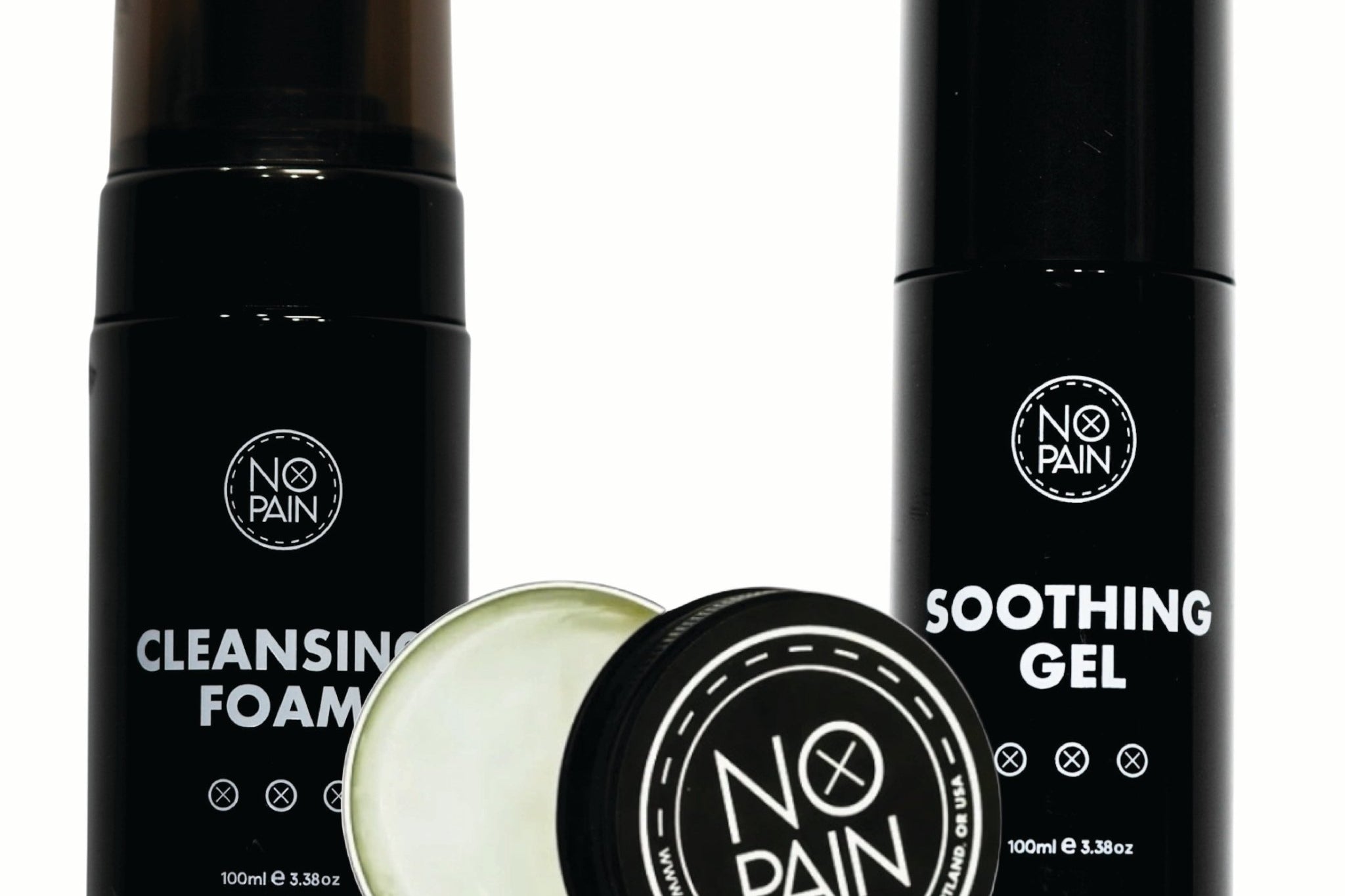
For sessions that run longer than three to four hours, the cream's coverage window starts to close. At that point the spray takes over: your artist applies it to the broken skin between passes, and it absorbs quickly without any wrap or wait time. The cream gets you through the first half of the session; the spray keeps you functional for the second half. For the full step-by-step on timing and application, the tattoo preparation guide covers it in detail.
Frequently asked questions
How long does tattooing take for a medium-sized piece?
A medium tattoo, roughly palm to hand-sized at 4-6 inches, typically takes three to six hours total including both linework and shading or color. Simple black and grey designs at the low end; detailed or color-packed work at the high end. Most people can complete a medium piece in a single session of four to five hours, though some artists prefer to split lines and fill across two shorter sessions for better skin quality.
How long does tattoo shading take compared to the linework?
Shading typically takes two to three times longer than the linework for the same design. The lines go down quickly and definitively. Shading requires building up coverage in layers, blending, and making multiple passes over the same area to achieve smooth gradients. Full color takes even longer than black and grey shading because saturating skin with pigment is more demanding than grey wash.
How long does a full sleeve tattoo take?
Most full sleeves run 20-30 hours of total chair time, though complex or photorealistic sleeves can run higher. That work is spread across multiple sessions, typically 3-6 hours each, with 4-6 weeks of healing between sessions. A realistic timeline for completing a full sleeve is 12-18 months. Some people take longer if they're spacing sessions out or working within a budget; some go faster if they're booking longer sessions and healing efficiently.
Why does color take longer than black and grey?
Color packing requires complete saturation. An artist has to drive enough pigment into the skin that when it heals, no background skin shows through the fill. That often means multiple passes with different needle configurations over the same area. Black and grey wash is more forgiving by design: lighter areas are intentional, so the artist doesn't need to achieve 100% saturation across the whole piece. The result is that a color-packed design takes meaningfully more time than a black and grey equivalent.
Can you split a tattoo into multiple sessions?
Yes, and for anything large it's the standard approach. There's no rule that says a tattoo needs to be finished in one sitting. Many people do lines in one session and color or shading in a second session. Larger pieces are almost always booked across multiple sessions by design. Skin healed between sessions accepts new work better than exhausted, overworked skin at hour six of a marathon session. Your artist can plan out a multi-session schedule at consultation.
Does placement affect how long a tattoo takes?
Yes, noticeably. Flat, stable placements like the outer forearm, calf, and upper arm allow an artist to work quickly and consistently. Placements with more curvature, thinner skin, or client movement (ribs, stomach, spine, hands, feet, knee ditch) require slower, more deliberate work to keep shading smooth and lines clean. The same design in the same size will take longer on your ribs than on your forearm. When planning your session time, ask your artist specifically about your placement. For a full look at how placement affects the experience, the tattoo placement guide has the breakdown.
Built for Longer Sessions
The Comfort Bundle includes numbing cream for the first half of your session and numbing spray for mid-session top-ups on broken skin. The practical choice for any tattoo running three hours or more.
Shop the Comfort Bundle →For Longer Sessions | 100% money-back guarantee.