

Collarbone tattoos rate 8 to 9 out of 10 on the pain scale. The clavicle is a long, prominent bone with very little tissue over it, and the supraclavicular nerves run directly through the area in branches that fan out from the neck across the entire length of the bone. The combination of minimal padding and dense nerve coverage makes the collarbone one of the more reactive spots on the upper body.
What adds a layer of difficulty specific to this placement is the design type. Collarbone tattoos are almost always long and linear - script, florals, banners - and those designs require the artist to pull straight lines across a surface that moves with every breath you take. Staying still enough to give your artist what they need is its own challenge on top of the pain.
In this article
- Why the collarbone hurts so much
- Pain by zone
- What the session actually feels like
- How to manage the pain
- Healing a collarbone tattoo
- Frequently asked questions
Why the Collarbone Hurts So Much
The clavicle is an S-shaped bone that runs from the sternum to the shoulder joint. Along most of its length, the skin sitting over it is thin with minimal subcutaneous fat - especially on the superior (top) surface, which is where most collarbone tattoos sit. There is no muscle over the top of the clavicle the way there is over the outer arm or the thigh. The needle is working close to bone on every pass.
The nerve supply is what pushes it into the 8 to 9 range. The supraclavicular nerves - branches of the cervical plexus from C3 and C4 - emerge from the neck and fan out across the collarbone area in three main branches: medial, intermediate, and lateral. They run just under the skin across the full length of the clavicle. Tattooing directly over these branches produces a sharp, surface-level pain that is more cutting than the bone vibration - both sensations arrive together, which is what makes the collarbone feel more intense than spots that are just bony without the nerve density.
The clavicle also resonates along its length. It is a relatively thin bone that conducts vibration from one end to the other, so the machine sensation often travels toward the sternum or toward the shoulder joint depending on where the artist is working. This is less overwhelming than the skull or the jaw, but it is noticeable and adds to the overall intensity of the session.
Pain by Zone
The superior surface - the top of the clavicle running from the sternum to the shoulder - is where most collarbone tattoos sit, and it is the most sensitive zone: 8 to 9 out of 10 for most people. This is the thinnest skin with the most direct bone contact and the supraclavicular nerve branches running directly under it.
The medial end near the sternoclavicular joint (where the collarbone meets the breastbone) steps up to 9 out of 10. There is a bony prominence here, the skin is even thinner, and the sternum's own vibration adds to the sensation. Artists doing symmetrical collarbone pieces that meet at the center often note that clients find the medial passes the hardest.
The lateral end toward the shoulder is slightly more forgiving - closer to 7 to 8 out of 10. As you move toward the acromioclavicular joint, there is marginally more tissue coverage and the bone geometry changes. The skin is still thin, but the sensation has slightly less of the sharp nerve quality.
Below the collarbone - the infraclavicular area that some designs extend into - drops to 6 to 7 out of 10. The upper pectoral muscle provides some cushion here, and the nerve density decreases compared to the bone surface above.
What the Session Actually Feels Like
The dominant sensation on the collarbone is sharp and cutting rather than the grinding bone vibration you get from the kneecap or the skull. The supraclavicular nerves respond to needle contact with a bright, surface-level pain - more like a drawn-out scratch across a nerve than the deep percussion of larger bones. Between the nerve pain and the bone resonance, most people describe it as relentless rather than intermittent: there is no easy spot along the clavicle that gives you a reprieve.
The breathing problem is the thing artists mention most about this placement. The clavicle rises and falls with every inhale and exhale. For shorter lines this is manageable - the artist works with the rhythm. For long, straight script or a single sweeping line across the full collarbone, artists will sometimes ask you to exhale and hold so they can pull the line on a still chest. Doing that repeatedly while in pain, for hours, is tiring in a way that goes beyond the needle itself.
Bilateral pieces - matching designs on both collarbones - double the session length and add the symmetry problem. The artist finishes one side, then has to mirror the work on the other side while keeping both pieces balanced. This is technically demanding, and clients who are moving, tense, or shifting position make it harder. Going in numb keeps you relaxed and still, which matters more for symmetrical work than for almost any other design type.
How to Manage the Pain
The collarbone is one of the better candidates for numbing cream. The skin is thin, which means lidocaine absorbs efficiently. The surface is flat and easy to cover with cling film. And the primary pain source - supraclavicular nerve stimulation - is exactly what lidocaine targets. Apply a thick layer along the full length of the clavicle and slightly above and below the bone, cover with cling film, and wait 90 minutes. The sharp nerve-pain quality drops considerably, and most people find they can breathe normally and hold the stillness the artist needs.

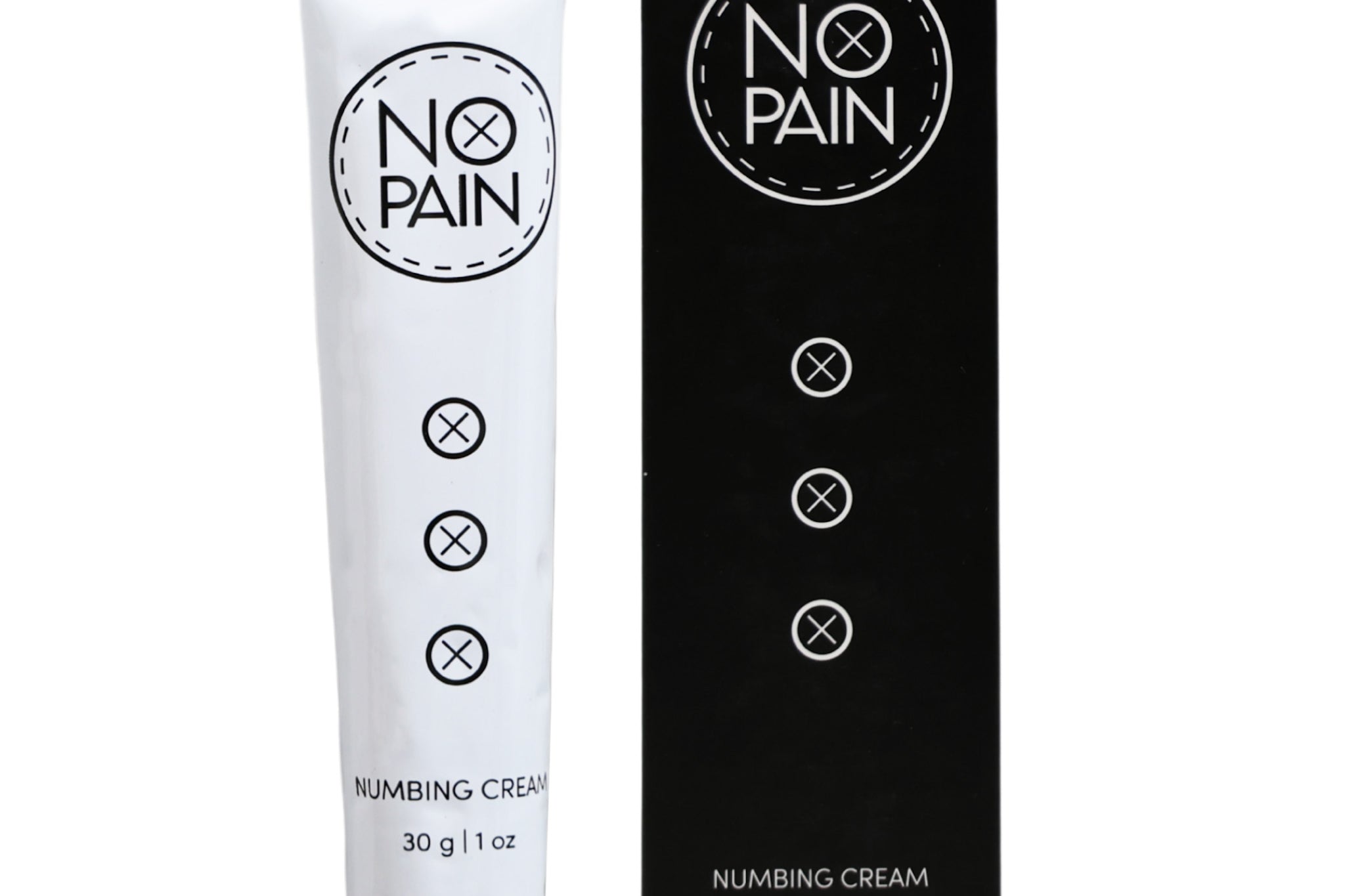
Maximum strength formula in a thick, slow-absorbing base. Apply along the full collarbone and slightly above and below under cling film 90 minutes before your session. Takes the sharp nerve-pain quality down and keeps you still enough for your artist to pull clean lines. Formulated at Historic Tattoo in Portland.
For bilateral collarbone pieces or designs that extend down into the chest, sessions can run several hours. A single application of cream will start to fade before the work is done. A numbing spray applied mid-session by your artist on the already-worked skin carries the coverage through the second half, when fatigue is setting in and the skin is already reactive.

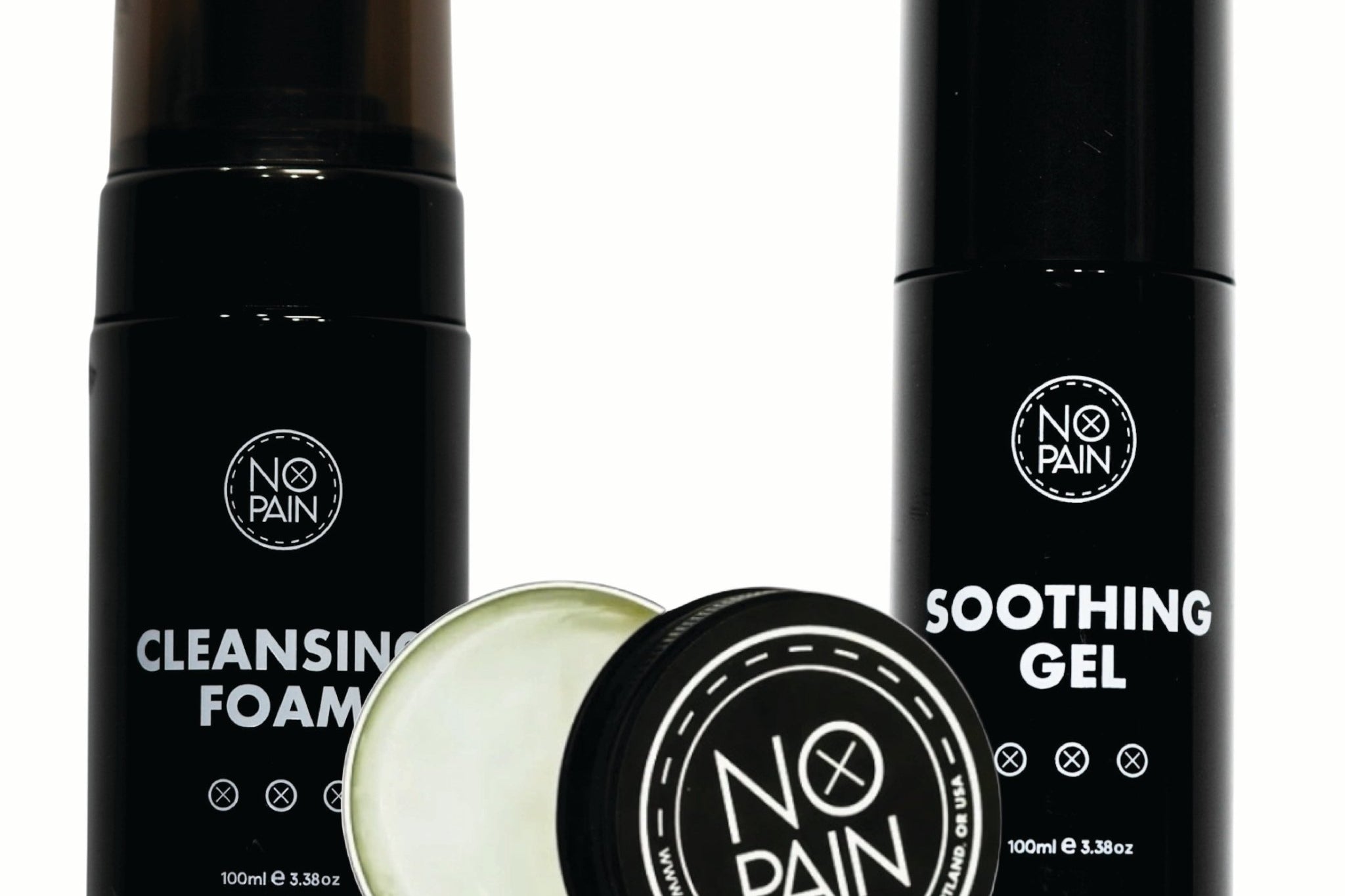
Pre-session cream plus numbing spray your artist applies mid-session on broken skin. For bilateral collarbone work or sessions extending into the chest, the spray keeps the second side as manageable as the first. Formulated at Historic Tattoo in Portland.
Healing a Collarbone Tattoo
The collarbone heals reasonably well compared to high-movement placements like the knee or the knuckle, but it has two friction problems specific to the location.
The first is bra straps. The strap crosses directly over most collarbone tattoos, pressing into fresh healing skin with every movement. For the first two weeks, strapless bras, bralettes with wide soft bands positioned away from the tattoo, or going without altogether keep the constant friction off the healing surface. Thin elastic straps on a fresh tattoo for eight hours a day will disrupt the peeling layer and affect how the piece settles.
The second is the seatbelt. The shoulder belt runs diagonally across the chest and crosses the collarbone directly. A soft cloth between the belt and the tattoo during the first two weeks prevents the daily friction of driving from wearing on the healing skin.
Necklines are a lesser issue but worth watching. Crew necks and high collars that sit near the collarbone can catch on the peeling layer in the first week. Wider necklines that clear the tattoo are easier during the healing window.
Sun exposure is the long-term consideration. The collarbone is frequently exposed - necklines, open collars, summer clothing - and UV is the main driver of tattoo fading over time. Once the tattoo is fully healed (four to six weeks), SPF over the area whenever it is exposed keeps the work sharp for longer. The placement and healing guide covers the full arc across all placements.
Frequently asked questions
How painful is a collarbone tattoo?
8 to 9 out of 10 for most people, which puts it in the same tier as the ribs, the shin, and the spine. The clavicle is a prominent bone with thin skin and minimal fat over it, and the supraclavicular nerves - branches from C3 and C4 - run directly under the skin along the full length of the bone. The result is a placement with both bone vibration and sharp nerve pain arriving together. The medial end near the sternum is the worst part; the lateral end toward the shoulder is slightly more manageable.
What does a collarbone tattoo feel like?
Most people describe it as sharp and cutting - closer to a drawn-out scratch across a nerve than the grinding bone vibration of the kneecap or the skull. The supraclavicular nerves respond quickly and produce a bright, surface-level pain on every pass. The bone resonance is also present but secondary. There is no easy zone along the clavicle that gives you a real break; the nerve supply is consistent across the whole length. Breathing moves the area, which adds a rhythmic quality to the sensation - the pain changes slightly with each inhale and exhale.
Can you use numbing cream for a collarbone tattoo?
Yes, and it works well here. The thin skin absorbs lidocaine efficiently, and the flat surface is easy to wrap with cling film. Apply a thick layer along the full length of the clavicle and a little above and below, cover with cling film, and wait 90 minutes. The cream targets the supraclavicular nerve endings directly, which drops the sharp cutting quality of the pain and makes it far easier to stay still for the long lines this placement requires. For bilateral or extended sessions, use the bundle so your artist has spray for mid-session coverage.
Is a collarbone tattoo harder than a sternum tattoo?
They are close in intensity and share the same root cause - thin skin over bone in a nerve-dense area. The sternum involves the anterior cutaneous nerve branches and the bone conduction is pronounced because the sternum connects to the ribcage. The collarbone has the supraclavicular nerves and the resonance travels along the length of the bone. Most people rate them comparably, with individual variation depending on nerve sensitivity. The sternum session is often harder by virtue of design size - sternum pieces tend to be larger - while a bilateral collarbone piece can match or exceed it in total time and difficulty.
How do I prepare for a collarbone tattoo session?
Eat a full meal beforehand, stay hydrated, and apply numbing cream 90 minutes before your appointment. Wear a strapless top or a loose shirt with a wide neckline that gives your artist easy access to the collarbone without needing you to hold clothing out of the way. If you are getting bilateral work, book a morning appointment - your pain tolerance is highest earlier in the day before fatigue sets in. Tell your artist if you need breathing cues for long straight passes; a good artist will work with your breath rather than against it.
Do collarbone tattoos fade quickly?
Not especially, compared to high-movement placements like the hands or knuckles. The collarbone sees minimal mechanical friction day-to-day. The main long-term risk is UV: necklines and summer clothing leave the collarbone exposed more than most areas, and sun is the primary driver of tattoo fading. Once healed, applying SPF over the area when it is exposed makes a real difference to how the work holds over years. Fine-line script is the most vulnerable to fading on any placement; bold lines and solid fills hold the longest.
Stay Still. Keep the Lines Clean.
Collarbone script and florals demand stillness through sharp nerve pain. Maximum strength numbing cream takes the cutting edge off the supraclavicular nerves and keeps you relaxed enough to hold for the long passes your artist needs.
Shop Numbing Cream →Formulated at Historic Tattoo in Portland, Oregon.