


The palm of the hand is one of the most requested and most feared tattoo placements in the industry. The look is undeniably striking—visible, bold, and impossible to ignore. But before you commit, you need to understand what makes this spot genuinely different from every other placement on your body.
Short answer: yes, you can get a tattoo on your palm. Longer answer: you should go in with your eyes fully open about the pain, the heal, and the long-term reality of how this placement ages.
Why the palm is unlike anywhere else
Most tattoo placements have their difficulties—the ribs hurt, the elbow ditch scabs, the foot is finicky. The palm is all of those problems combined, plus a few unique to this spot.
Your palms contain one of the highest concentrations of nerve endings in the body. That's by design—your hands are your primary tool for interacting with the world, and your nervous system protects them accordingly. The result: palm tattoos are routinely rated at the top of any pain scale, and for good reason. The sensation is sharp, deep, and relentless. Even experienced collectors with extensive coverage often find the palm humbling.
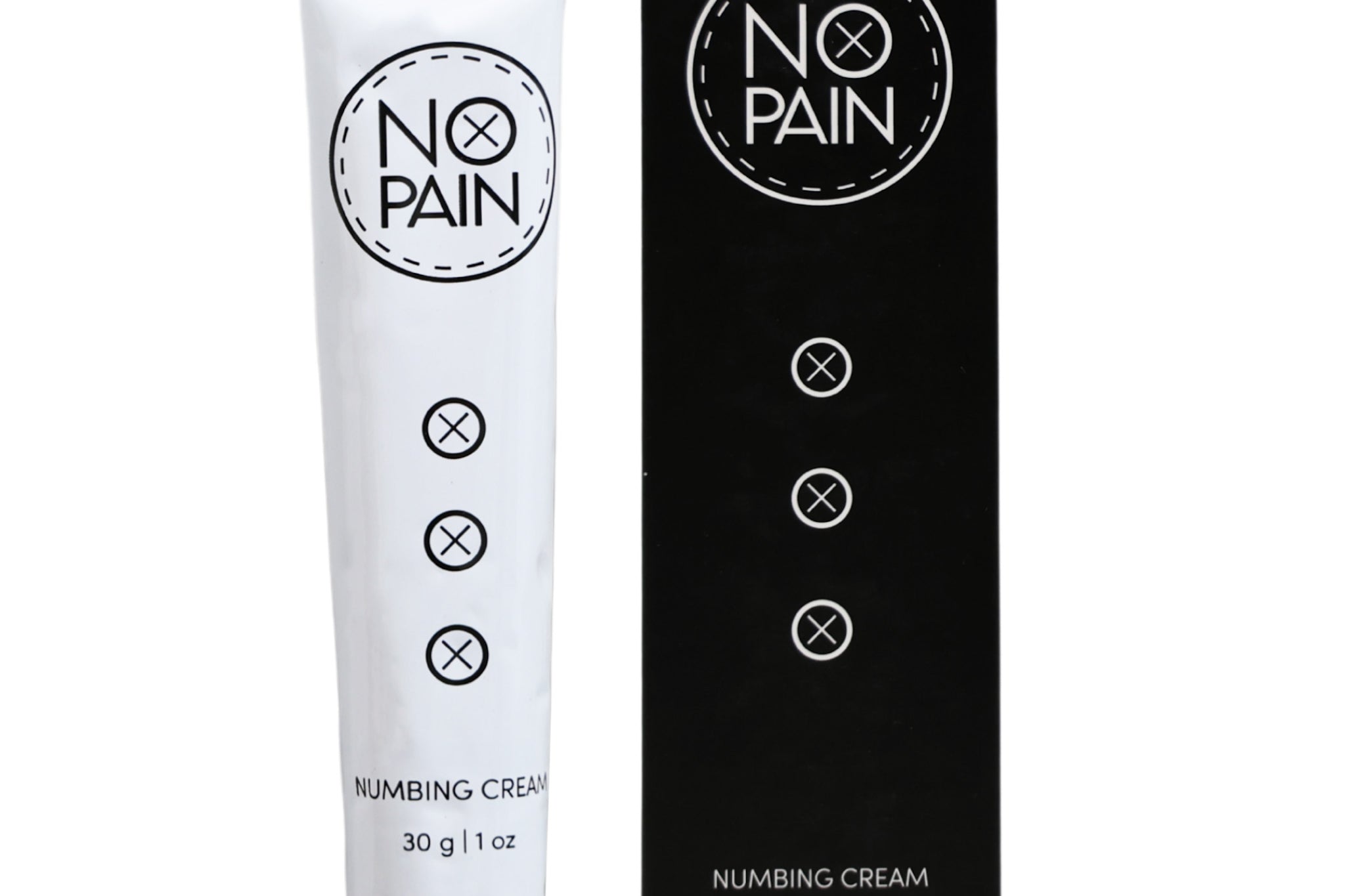
If you're planning a palm piece, pain management isn't optional—it's a prerequisite. No Pain Tattoo Numbing Cream applied correctly before the session can take the edge off significantly and allows your artist to work with the precision this placement demands.
The healing problem: your palm never rests
The bigger challenge isn't the session—it's the six weeks after it. The palm is in constant use: you're gripping, bending, washing, touching surfaces. That friction and motion work against the healing process in ways that tattoos on your ribs or back never have to contend with.
The skin on your palm also regenerates faster than almost anywhere else on your body. That rapid cell turnover means ink has less time to settle before fresh cells begin pushing it toward the surface. The result is that even a technically perfect palm tattoo will often fade, blow out, or fall out in patches during the initial heal.
Longevity: treat it as semi-permanent
This is the part most people aren't told: palm tattoos are not considered a permanent commitment in the same way a bicep piece is. Artists who specialize in this placement will tell you that almost all palm tattoos need a touch-up within six to twelve months, and many clients are back for a second or third pass within the first year. Some styles—particularly fine line work—may not retain their definition at all.
This doesn't mean palm tattoos aren't worth doing. It means you're making an agreement with the reality of the placement. Bold, simple designs with strong black line work hold up best. Intricate shading and color are higher-risk choices for this spot.
Aftercare: what actually helps here
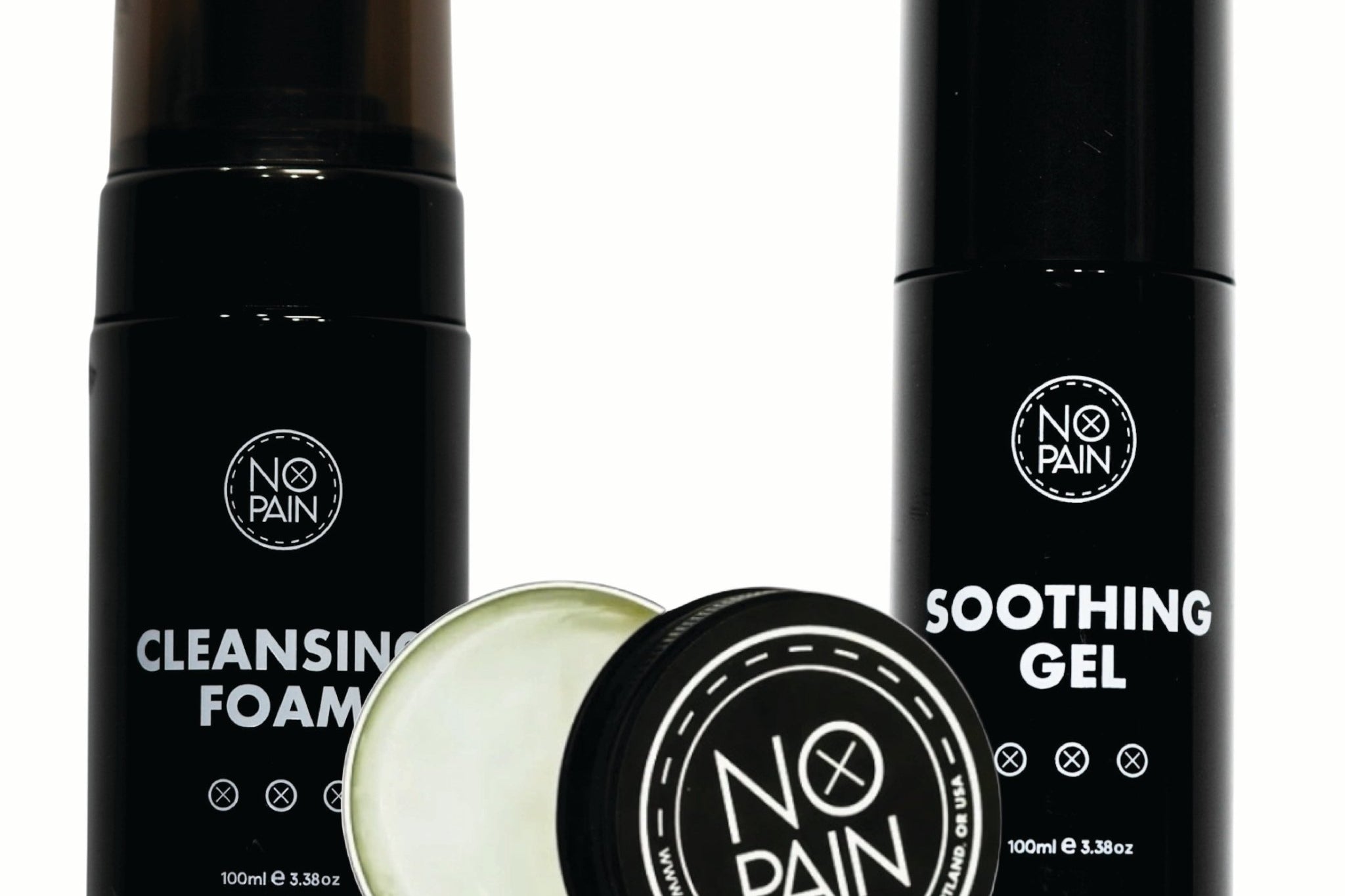
Your heal is the only variable you can control. Keep the tattoo as clean and protected as possible without suffocating it. Wash gently with a foam cleanser two to three times daily to remove bacteria and debris, apply a thin layer of balm to keep the skin hydrated without blocking airflow, and avoid anything that creates prolonged friction or soaking for the first three to four weeks.
The No Pain Tattoo Aftercare Balm is well suited here—its lightweight, breathable formula moisturizes without the greasy layer that can clog healing skin. Thick petroleum-based products are particularly unsuitable for the palm, where your skin needs to breathe through constant movement.
Who should—and shouldn't—get a palm tattoo
Palm tattoos suit people who have an honest understanding of the placement's limits, a design that's appropriate for the spot (bold, minimal, solid black), a pain tolerance that's been tested by harder placements, and a willingness to commit to regular touch-ups.
They're less well-suited for first tattoos, highly detailed or fine-line designs, or anyone expecting a piece that holds as well as a forearm or back tattoo long-term.
The palm is a legitimate and beautiful placement when chosen deliberately. Going in prepared is what separates a great outcome from a disappointing one.