

The best hidden tattoo placement is the one that stays covered in every context that matters to you. That definition shifts depending on whether you need to cover it at work, at the beach, or simply prefer something personal that does not announce itself. The list of genuinely concealable spots is longer than most people realize, and each one comes with its own pain level and healing quirks worth knowing about before you commit.
Here is an honest breakdown of the most popular options.
In this article
- What makes a placement truly hidden
- The best hidden placements
- Pain and healing in hidden spots
- Frequently asked questions
What Makes a Placement Truly Hidden
A tattoo is hidden if it is covered by something that is always present: clothing, hair, or the natural position of the body. The distinction matters because some placements people describe as hidden are actually just low-visibility, meaning they are not prominent, but a rolled-up sleeve or a tank top will expose them. Truly hidden means a standard wardrobe covers it without any adjustment.
There is also a spectrum. Some placements are hidden from everyone unless you choose to show them (inner bicep, ribs, hip). Others are hidden in professional settings but visible at the beach or gym (ankle, wrist underside). Know which situation you are planning for before you decide on placement.
The Best Hidden Placements
Behind the ear (pain level: 7 to 8 out of 10)
Hair covers a behind-the-ear tattoo completely, and even with very short hair the placement is not in a natural sightline. It is a small canvas by necessity, which suits simple symbols, initials, small florals, or minimal line work. The pain is higher than people expect: the skin is thin, the bone of the skull is close to the surface, and the area is well-supplied with nerves. Healing requires keeping hair from sitting over the fresh tattoo, which means pinning it back for two weeks, and avoiding earrings or glasses arms that press against the work while it peels.
Inner bicep (pain level: 7 to 8 out of 10)
With your arms at your sides, the inner bicep is invisible. No sleeve required, no adjustment needed. It is a personal placement with a reputation for being intimate rather than public, and it suits script, small portraits, or meaningful symbols. The pain is significant: the skin on the inner arm is thinner and softer than the outer arm and sits over a dense network of nerves. Healing is straightforward but clothing friction in the first week is worth managing with a loose layer.
Rib cage (pain level: 8 to 10 out of 10)
The ribs are as private as it gets. Fully covered by any shirt, and even with a swimsuit top the design is typically hidden unless you specifically reveal it. The rib cage accommodates larger designs than most hidden placements, which makes it a good choice for text, flowing botanical work, or pieces that benefit from the natural curve of the body. The tradeoff is that the ribs are one of the most painful placements on the body: thin skin over bone, constant ribcage movement from breathing, and very little fat cushioning. Short sessions are more manageable than long ones for this placement.
Inner ankle and lower leg (pain level: 8 to 9 out of 10)
Long pants or socks cover an ankle tattoo entirely. Visible with shorts or bare feet, which makes this semi-hidden rather than fully hidden depending on your lifestyle. The ankle has very little cushioning over the bone, which puts it in the high-pain category. Healing is complicated by shoes and socks creating friction against the fresh work: loose footwear, breathable fabric, and keeping the tattoo clean after any sweat are the practical concerns in the first two weeks.
Hip and upper thigh (pain level: 4 to 9 out of 10, depending on exact location)
The hip and upper thigh offer the widest canvas of any hidden placement and stay covered by essentially all clothing including swimwear. Pain varies significantly by location: the fleshy outer thigh is one of the more comfortable placements on the body (4 to 6 out of 10), while the hip bone itself and the inner thigh push into a much higher range (7 to 9 out of 10). This is a good choice for someone who wants something substantial but entirely private. Healing is generally smooth since the area is covered and does not experience the same friction as wrist or ankle placements.
Sternum and under-bust (pain level: 7 to 9 out of 10)
A sternum tattoo sits in the center of the chest and is covered by most clothing and swimwear. It is a placement that has become associated with symmetrical designs, florals, and geometric work that follows the lines of the chest. The skin over the sternum is thin and the bone is close to the surface, which puts the pain level firmly in the challenging range. For designs that extend toward the ribs or the underbust, pain increases further. Healing is relatively clean since clothing covers the area, though tight bra bands or underwire pressing on fresh work is a consideration for the first two weeks.
Back of neck (pain level: 7 to 9 out of 10)
Hair covers a back-of-neck tattoo completely when worn down, and even with hair up the placement is only visible from behind. This gives it a professional-friendly quality that ankle or wrist placements do not always have. The cervical spine runs directly beneath thin skin with minimal padding, so the pain level is genuinely high, and the vibration from the needle on the vertebrae is more pronounced than at most other bone-close placements. See our full guide on back of neck tattoo pain for a detailed breakdown.
Pain and Healing in Hidden Spots
A pattern runs through most of the placements above: hidden spots tend to be higher-pain spots. The reason is anatomical. Areas that clothing covers are often areas where the skin is thinner, closer to bone, or more nerve-dense than the padded, sun-exposed outer surfaces of the body. The outer arm, outer thigh, and shoulder are comfortable partly because they are unprotected surfaces that have become toughened from daily contact. The inner arm, ribs, ankle, and hip have not.
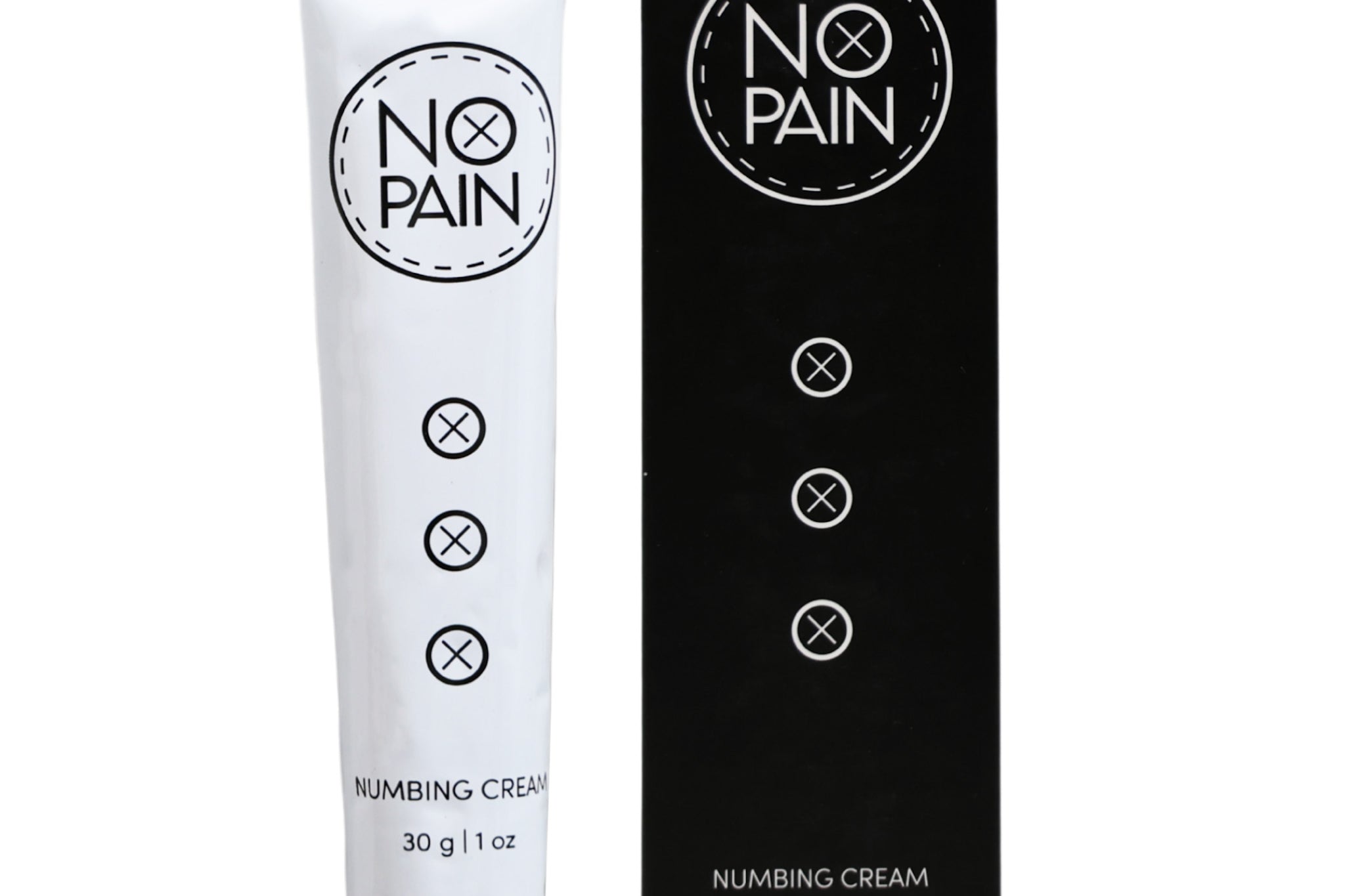
For placements in the high-pain range, numbing cream applied before the session makes a real practical difference. The ribs, inner bicep, and ankle in particular benefit from a thick, maximum-strength formula that holds numbness across the duration of a typical session rather than peaking and fading.

Maximum strength formula in a thick, slow-absorbing base that stays active longer than thin creams that burn through in the first hour. Apply 60 to 90 minutes before your session, cover with plastic wrap, and arrive already numbed. Makes the ribs, ankle, and inner arm noticeably more manageable. Formulated at Historic Tattoo in Portland.
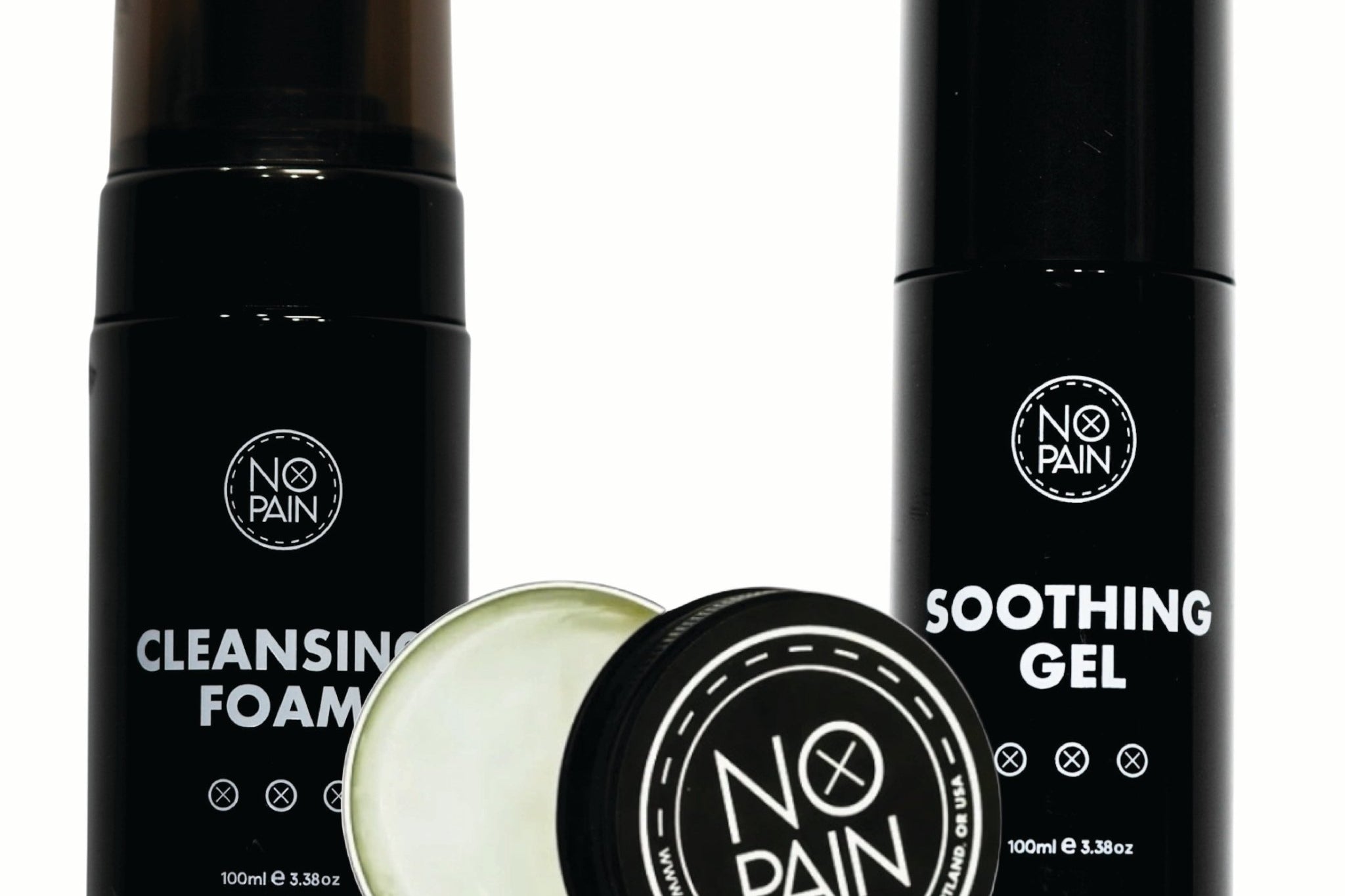
Hidden placements also tend to be higher-friction placements during healing. Socks against an ankle tattoo, a bra band over a rib or sternum piece, clothing rubbing the inner arm: these are the practical challenges of healing in spots that are covered. The aftercare routine matters more here than on an open, easy-to-air placement like the outer arm. Clean foam cleanser twice a day, a light aftercare balm that absorbs without sitting heavily, and loose clothing over the area during the peeling phase covers the essentials.

Cleansing foam, soothing gel, and aftercare balm: the complete routine from day one through the end of healing. Formulated for tattoos in friction-prone areas where you cannot afford sloppy aftercare. Free from fragrance, petrolatum, and alcohol. Formulated at Historic Tattoo in Portland.
Frequently asked questions
What is the least painful hidden tattoo placement?
Of the genuinely hidden placements, the outer hip and fleshy upper thigh are the most comfortable, typically rating 4 to 6 out of 10. These areas have enough muscle and fat to cushion the needle and are not over bone or dense nerve bundles. The tradeoff is that these placements require clothing to stay hidden, whereas behind-the-ear or back-of-neck tattoos are covered by hair. If minimizing pain is the priority, the outer hip or upper thigh is the most forgiving option among placements that offer real concealment.
What is the easiest hidden tattoo to conceal at work?
Any placement that is covered by standard business attire without adjustment: inner bicep, ribs, sternum, hip, upper thigh, and back of neck (with longer hair or a collar). The ankle and wrist are less reliable in professional settings because rolled sleeves, sandals, or bare ankles in warmer months can expose them. For maximum professional concealment, the ribs and hip are the most reliable choices regardless of what you are wearing.
Do hidden tattoos hurt more than visible ones?
In most cases, yes. The areas of the body that stay covered tend to be higher-pain placements because they have thinner skin, less fat and muscle cushioning, or a higher concentration of nerves. The outer arm, shoulder, and outer thigh are both visible and relatively comfortable. The inner arm, ribs, ankle, and hip are both hidden and more painful. This is not a coincidence: the same anatomy that keeps these areas protected from the environment makes them more sensitive to needle trauma.
Can you use numbing cream on hidden tattoo placements like the ribs?
Yes. Numbing cream works on any skin surface, and the ribs, inner arm, ankle, and hip are all practical candidates. Apply a thick layer 60 to 90 minutes before your session and cover it with plastic wrap. The ribs in particular benefit from this because it is a challenging placement where stillness is important for the quality of the work. Maximum-strength formula in a thick base holds longer than thinner products, which matters for any session running longer than an hour.
How do you care for a tattoo in a hidden spot that rubs against clothing?
The key is minimizing friction without suffocating the skin. Wear the loosest clothing that still covers the area. A bamboo or cotton liner between the tattoo and any tight fabric reduces the mechanical irritation of repeated rubbing. Clean the tattoo twice a day with a gentle foam cleanser and apply a thin, absorbing aftercare balm rather than a heavy, occlusive product that traps moisture. Avoid any fabric with a rough texture directly over the peeling skin. The goal is to keep the tattoo clean, lightly moisturized, and protected from abrasion for the two weeks the surface takes to close.
What small tattoo designs work best for hidden placements?
Simple, high-contrast designs hold up best in small formats. Single-color line work, minimal geometric shapes, small botanical motifs, meaningful symbols, and short text all translate well to the small canvas that most hidden placements offer. Fine-line and highly detailed work can look beautiful when fresh but needs careful placement: areas with more skin movement or sun exposure over time will blur fine details faster. Behind the ear, inner bicep, and ribs tend to preserve fine detail well because they are covered and relatively stable skin. The ankle and hip can be more variable.
Your Secret, Your Way
Hidden placements are often high-pain placements. Numbing cream before the session, dedicated aftercare through the heal. Start it right and the result is yours to share, or not, entirely on your own terms.
Shop the Aftercare Bundle →Formulated at Historic Tattoo in Portland, Oregon.