
The outer upper arm, outer forearm, and calf are where most experienced tattooers would point a first-timer. They have manageable pain levels, heal reliably, and are easy to care for at home. Placements like the ribs, spine, hands, and feet are not impossible choices for a first tattoo, but they are genuinely harder to sit through and to heal, and most people who get them first wish they had built up some experience beforehand.
In this article
- Best placements for a first tattoo
- Placements to approach with caution
- What makes a placement good for first-timers
- Managing pain at any placement
- Healing your first tattoo
- FAQ
Best Placements for a First Tattoo
Outer upper arm (bicep area)
The outer bicep and upper arm is one of the most forgiving placements for a first tattoo. The muscle and fat padding underneath keeps the pain in the low-to-moderate range (most people rate it 3 to 5 out of 10). It heals cleanly because it's not constantly in motion, rarely subject to friction from tight clothing, and easy to keep clean. The flat surface also gives an artist room to work, which means most design types translate well here.
Outer forearm
The outer forearm is a popular first-tattoo choice for good reason. Pain is moderate (around 3 to 5 out of 10), healing is easy, and you can keep an eye on it throughout the process without contorting yourself. The surface is flat and stable, which makes it a reliable canvas for detail work. The inner forearm is slightly more sensitive than the outer but still a comfortable first choice for most people.
Calf
The calf is often underrated as a first placement. Pain is low to moderate (3 to 5 out of 10), the muscle and fat provide good cushioning, and the area heals well because it's not a joint and not subject to constant friction. Clothing coverage also means the tattoo is protected from sun during healing without any special effort on your part.
Outer shoulder
The outer shoulder is another comfortable first location, with manageable pain and a relatively easy heal. It's easy for an artist to access, sits flat for most design shapes, and doesn't require awkward positioning during the session. For people who want the tattoo to be visible in everyday clothing, the shoulder reads well in both short sleeves and tank tops.
Upper back and shoulder blade
The shoulder blade area has moderate pain (around 4 to 6 out of 10, with a slight increase near the spine). It heals easily because clothing typically provides coverage without tight friction. The main practical consideration is that you won't be able to see it during healing without a mirror, so you'll need to be diligent about aftercare without the visual feedback you'd have with a forearm or calf tattoo.
Placements to Approach With Caution as a First Tattoo
Ribs and sternum
The ribs consistently rank among the most painful tattoo placements: 8 to 9 out of 10 for most people. The needle makes contact with the rib bones directly, and the breathing movement means the skin surface is never fully still. The sternum is similarly difficult, with thin skin over the breastbone and proximity to sensitive nerve networks. Neither is impossible as a first tattoo, but both require significant pain tolerance and make a long session much harder to complete without breaks.
Hands and fingers
Hand and finger tattoos have two distinct problems as first tattoos. First, they hurt: the knuckles and back of the hand are bony, dense with nerve endings, and sensitive in ways that the outer arm is not. Second, they heal poorly compared to most placements. The skin on the hands regenerates constantly (they're among the most-used surfaces on the body), which means ink fades faster and patches are common. Many people find themselves needing a touch-up within the first year. As a first tattoo, the combination of pain and difficult healing makes these a challenging choice.
Feet and ankles
Feet rank highly on pain charts because of the thin skin directly over small bones and tendons. The ankle bone and the top of the foot are particularly sensitive. Healing is also complicated: shoes, socks, and friction constantly contact the tattoo in the early weeks, and keeping the area clean and protected requires real effort. The foot is also a placement where ink fades faster over time due to the skin's renewal cycle.
Spine and vertebral column
Work along the spine requires lying in one position for potentially a long time, with needle pressure directly over the vertebrae. The vibration from the machine travels through the bone in a way that many people find distinctly unpleasant compared to other painful placements. A full spine piece is also typically a longer session, which compounds the difficulty.
Inner elbow (ditch)
The inner elbow is sensitive both because of the thin skin and because of the nerve density in the area. It's also a placement that moves constantly with arm flexion, which can complicate healing and sometimes leads to ink healing slightly patchy in the crease. Not the worst first choice, but not one of the easier ones either.
What Makes a Placement Good for First-Timers
There are four factors to think through when choosing a first placement, beyond just the design you want.
Pain. Not all placements hurt equally. Bony areas, thin skin over nerves, and the ribcage are harder to sit through than fleshy, muscle-padded placements. If you don't yet know how you respond to tattoo pain, starting with a moderate-pain placement gives you a baseline for future decisions.
Healing difficulty. Some placements just heal better than others. The outer arm and calf are easy to keep clean, don't rub constantly against clothing, and don't flex at joints. Hands, feet, and inner elbows require more careful management.
Long-term ink retention. High-movement and high-sweat areas (hands, feet, inner elbow) fade faster and may need more frequent touch-ups. For a first tattoo you want to keep looking good for years, placement choice has a real impact.
Visibility and coverage. Think honestly about whether you want the tattoo visible in everyday settings (work, formal events, meeting new people) or easy to cover when needed. Forearms and hands are almost always visible. Upper arms, calves, and shoulder blades are easy to cover with standard clothing.
Managing Pain at Any Placement
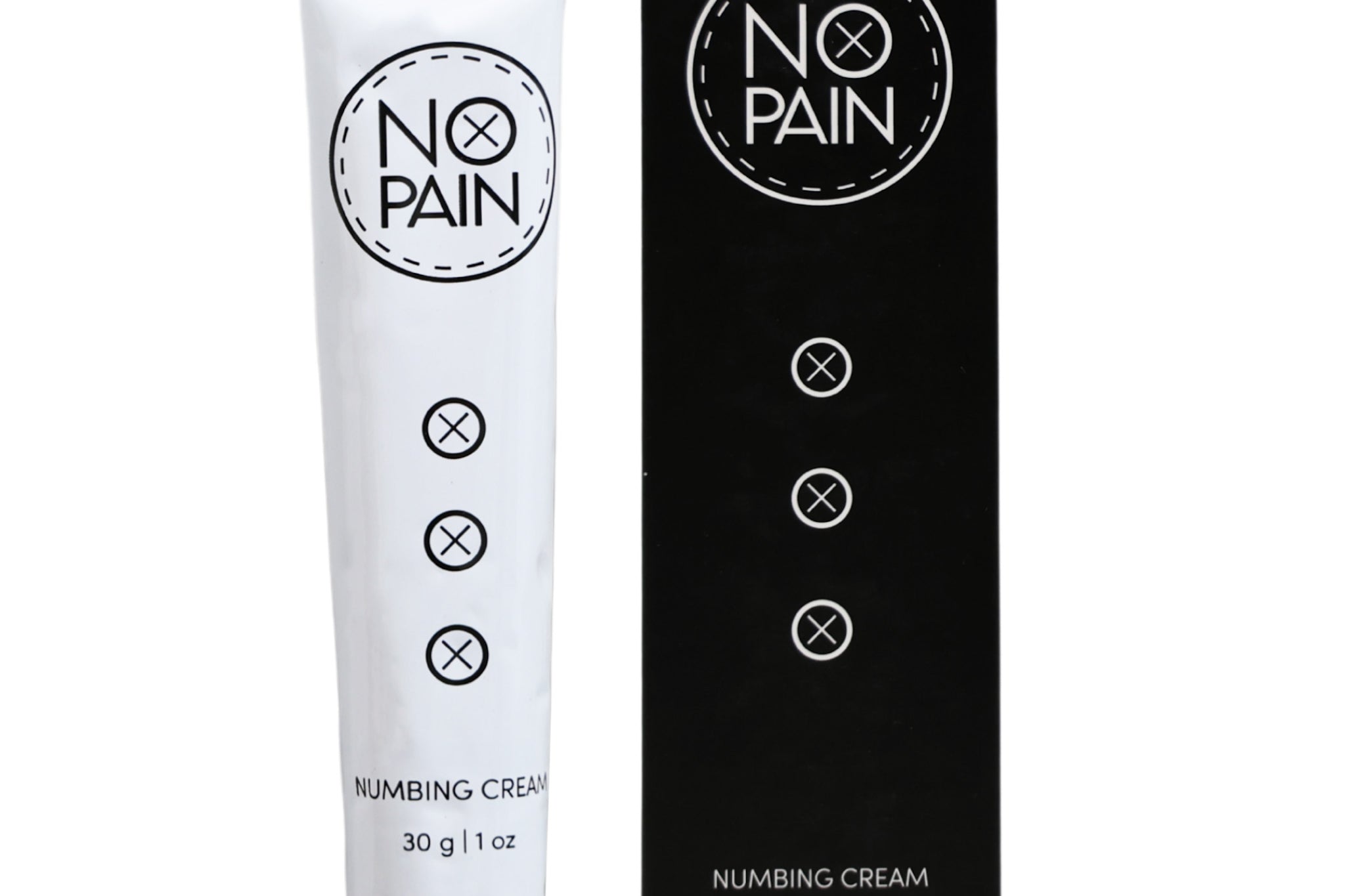
If you want a placement that's higher on the pain scale, numbing cream is a practical option. Applied correctly, it significantly reduces the acute sensation at the tattooed surface. This is particularly effective on fleshy areas where the cream can absorb into the tissue. Apply under cling film for 90 to 120 minutes before your appointment.

Maximum-strength numbing for a first session, or any session on a sensitive placement. Apply in two coats under cling film 90 to 120 minutes before your appointment. Backed by a money-back guarantee.
Healing Your First Tattoo
Regardless of placement, the aftercare protocol for a first tattoo is the same: wash twice daily with a fragrance-free liquid soap, apply a thin layer of soothing gel in the first few days, then transition to a nourishing balm from day three onward. Avoid soaking the tattoo in water (no baths, swimming, or hot tubs), stay out of direct sunlight, and don't pick at the peeling skin during weeks one and two.
Your placement choice can affect the practical difficulty of aftercare. A forearm is easy to wash and apply product to. A shoulder blade requires some flexibility or a second pair of hands for the first few days. A calf is straightforward. A foot requires you to take off socks carefully and avoid rubbing.
Everything You Need for the First Heal
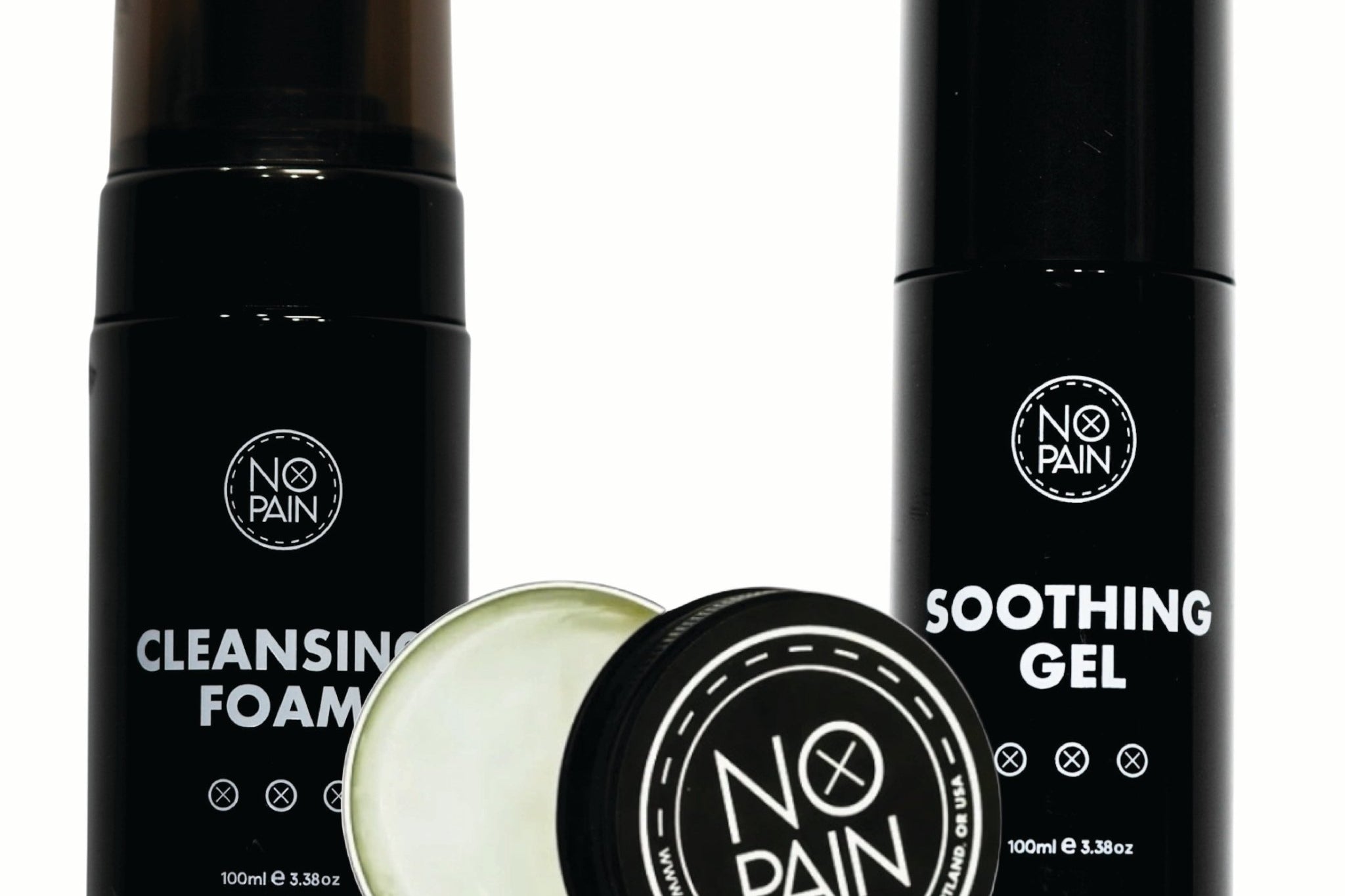
Soothing gel for the first few days, nourishing balm from day three onward, and cleansing foam for every wash. The complete aftercare system for a clean, comfortable first heal.
Shop the Aftercare Bundle →Formulated at Historic Tattoo in Portland, Oregon. 100% money-back guarantee.
FAQ
What is the least painful place to get a first tattoo?
The outer upper arm, outer forearm, and calf are consistently the least painful choices for most people, typically rating 3 to 5 out of 10. These placements have muscle and fat padding underneath, relatively lower nerve density than bony spots, and skin that's a comfortable thickness to work on. If you have low pain tolerance or are nervous about your first session, starting on one of these three placements is a reasonable approach.
What are the worst places to get a first tattoo?
The ribs, spine, sternum, hands, fingers, and feet are generally the hardest placements for a first-timer, for different reasons. The ribs and spine hurt primarily because of bone contact and movement. The hands and feet hurt from bone and nerve density, and also heal poorly, with ink fading faster and patches being common. None of these are off-limits, but they are meaningfully harder to sit through and to heal than the more forgiving spots on the outer arm and leg.
Does placement matter for a first tattoo?
Yes, more than most people realize. Placement affects how much the session hurts, how easily the tattoo heals, how long the ink holds up over time, and how visible the tattoo is in everyday settings. It also affects the practical difficulty of aftercare. A forearm is easy to wash and moisturize at any angle. A shoulder blade or hip requires more effort. For a first tattoo, choosing a placement that's manageable for all of these factors reduces the chances of a frustrating experience on either end.
Should I use numbing cream for my first tattoo?
It's a personal choice, but if you are nervous about the pain, have a sensitive placement in mind, or are booking a longer session for a larger design, numbing cream is a practical tool. Applied correctly (two coats under cling film, 90 to 120 minutes before your appointment), it significantly reduces surface sensation for the first few hours of work. Some artists are comfortable with clients using it; some prefer you check with them first, especially for placements where it can affect skin texture during work.
What is the best placement for a first tattoo that can be hidden?
The upper arm (easily covered by a short sleeve), shoulder blade (covered by most tops), upper back, ribs (covered by shirts), and calf (covered by trousers or jeans) are all placements that can be easily hidden in professional or formal settings. Of these, the upper arm and calf are also among the easier first placements for pain and healing. The ribs can be hidden but are one of the harder placements to sit through as a first tattoo.
How long does a first tattoo take to heal?
The surface looks healed in two to three weeks regardless of placement: the obvious redness and peeling clear up within that window. The skin is fully settled with ink locked in place at around four to six weeks. Some placements take slightly longer: the outer arm typically heals on the faster end of that range, while the hands, feet, and inner elbow can take closer to six to eight weeks for full settlement because of constant movement and skin renewal in those areas.