

Most people show up to their first tattoo session having thought carefully about the design and very little about everything else. The preparation you do in the days and hours before a session has a real effect on how comfortable the experience is, how well your skin takes the ink, and how smoothly the healing begins afterward.
In this article
- In the days before
- The night before
- The morning of your appointment
- If you're using numbing cream
- What to avoid before a tattoo
- Have your aftercare ready before you go
- FAQ
In the Days Before
Moisturize the placement area daily. Well-hydrated skin takes ink more evenly than dry skin. Starting about a week before your appointment, apply a fragrance-free lotion or balm to the area daily. This is the single most effective skin-prep step for a clean result.
Protect the skin from sun damage. A sunburned placement is one of the few things that can get an appointment cancelled. Sunburned skin is compromised, can't take ink cleanly, and is more prone to problems during healing. Keep the placement covered in the week before your session.
No waxing or shaving on the placement. Artists will shave the area if needed before working. DIY shaving close to the appointment can cause micro-irritation or small cuts that complicate the session. Leave the hair as is and let your artist handle it.
Cut back on alcohol in the days before. Alcohol thins the blood, which means more bleeding during the session. Excessive bleeding pushes ink back out of the dermis as the needle deposits it, which can compromise the result. Avoid alcohol for at least 24 hours before, and ideally 48 to 72 hours before for a long session.
Don't start any new skincare treatments. Retinoids, exfoliating acids, and prescription skin treatments can irritate and thin the skin. If you're using any of these on or near the placement, pause them for at least a week before the session.
The Night Before
Get a real night's sleep. Pain tolerance is significantly lower when you're tired, and sitting for a tattoo on poor sleep makes a challenging session much harder. Drink extra water throughout the evening. Moisturize the placement area one more time and let it absorb fully before bed.
Skip the alcohol, even if it feels like a reasonable way to calm pre-session nerves. Beyond the blood-thinning effects, alcohol dehydrates you overnight, which shows up as more sensitivity and less skin resilience the next morning.
The Morning of Your Appointment
Eat a proper meal. Getting tattooed burns energy, blood sugar can drop during a long session, and low blood sugar is the primary reason people feel dizzy or lightheaded in the chair. Eat a full meal two to three hours before your appointment. If your session runs long, bring snacks.
Hydrate thoroughly. Well-hydrated skin holds ink better and is easier for an artist to work on. Drink water consistently through the morning, not just immediately before you go.
Wear appropriate clothing. Think about the placement. If you're getting a shoulder tattoo, wear a loose tank top or something that gives the artist easy access without you having to hold fabric out of the way. For a leg tattoo, wear shorts or loose pants that roll up. For anything on the torso, wear something that opens easily. Bring a layer if the studio tends to run cold.
Skip intense exercise that morning. A hard session raises cortisol levels, increases inflammation in the tissues, and dehydrates you slightly. None of that helps when you're about to sit for a tattoo. A light walk is fine. A full workout is not ideal before a session.
If You're Using Numbing Cream
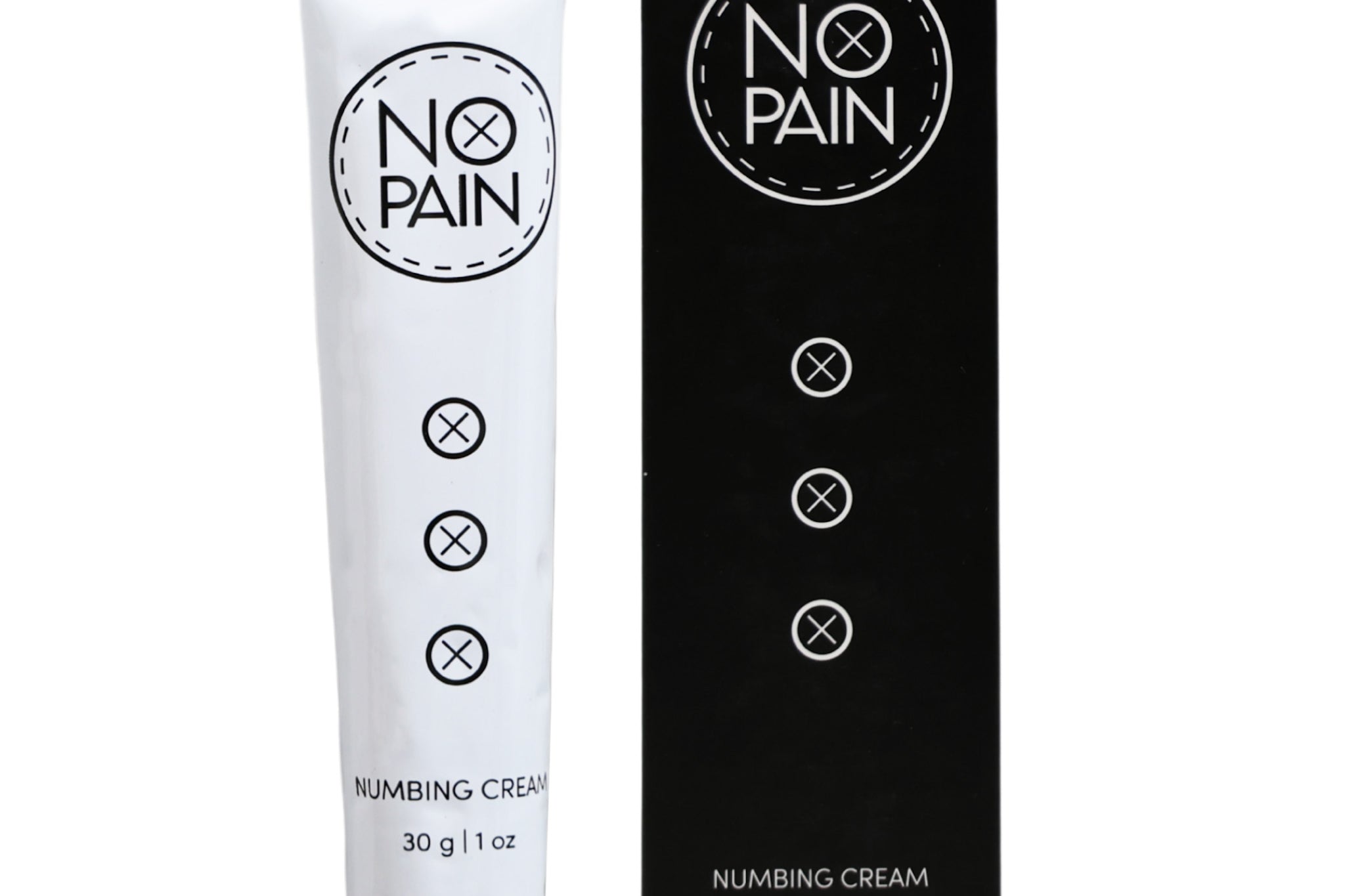
Topical numbing cream needs time to absorb. The standard protocol is two coats under cling film for 90 to 120 minutes before the session starts. Time it so the cream is still active when you sit down, not before you leave the house. Tell your artist you've used numbing cream and on which area, so they know what to expect from the skin's texture and response.

Maximum-strength numbing formula in a thick, slow-absorbing base that builds to deep numbness across the 90-minute application window. Apply in two coats under cling film before your session. Backed by a money-back guarantee.
What to Avoid Before a Tattoo
Alcohol. Thins blood, compromises skin quality, dehydrates you overnight, and lowers healing efficiency. At least 24 hours alcohol-free before any session. For longer sessions, 48 to 72 hours gives your blood and skin time to return to baseline.
Excess caffeine. A coffee in the morning is fine. High caffeine intake increases anxiety, elevates heart rate, and can make some people more sensitive to pain. More than your usual amount before sitting for a tattoo is not a good idea.
Aspirin or ibuprofen. Both thin blood and increase bleeding during the session. Avoid these for 24 to 48 hours before. If you take blood thinners for a medical reason, discuss this with your artist before booking.
Tanning (sun or UV bed). Tanned or burned skin takes ink differently and is more prone to complications during healing. Do any tanning after the tattoo is fully healed, not before the session.
An intense workout immediately beforehand. Raised cortisol, tissue inflammation, and slight dehydration from a hard morning session all work against you in the chair and in the early healing phase.
Have Your Aftercare Ready Before You Go
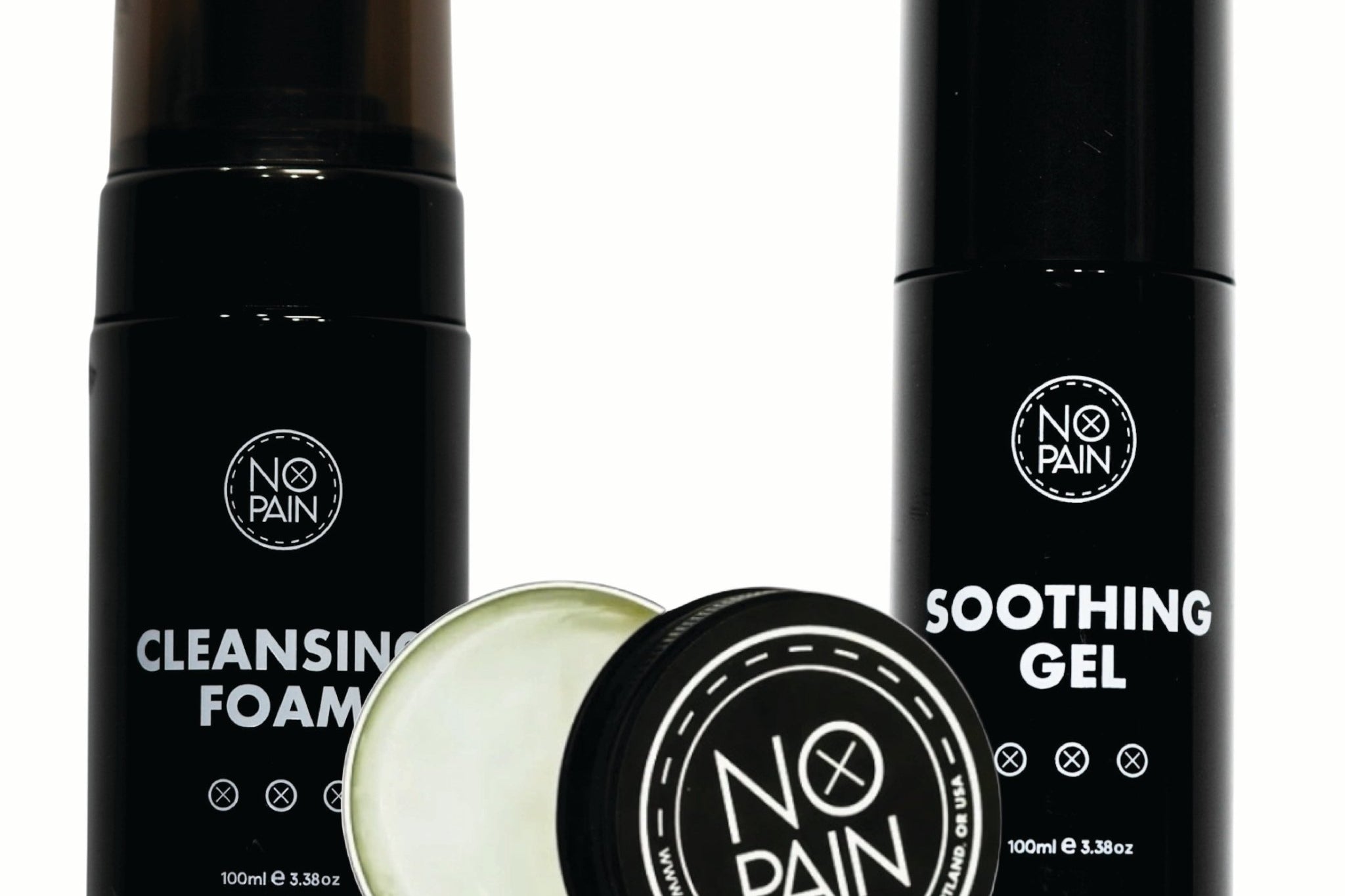
Proper aftercare starts the same day as the tattoo, and you don't want to be searching for the right products after you get home. Have a fragrance-free liquid soap, a soothing gel, and an aftercare balm ready before your appointment. On day zero: wash gently, pat dry, apply a thin layer of gel. The first wash sets the tone for everything that follows.
Have Everything Ready Before You Leave
Soothing gel for the first few days, nourishing balm from day three onward, and cleansing foam for every wash. Get the Aftercare Bundle before your session so you have it the moment you need it.
Shop the Aftercare Bundle →Formulated at Historic Tattoo in Portland, Oregon. 100% money-back guarantee.
FAQ
How should I prepare my skin for a tattoo?
Moisturize the placement area daily for the week before your appointment. Keep it out of the sun. Don't wax or shave it yourself — your artist will handle that. Drink more water than usual in the 48 hours before the session. Well-hydrated skin takes ink more evenly and is easier to work on than dry or sun-damaged skin.
Should I shave before a tattoo?
No. Your artist will shave the area before starting. DIY shaving close to the appointment can leave micro-irritation, small nicks, or razor burn that complicate the session. Leave the hair as is and let your artist manage it.
Can I drink the night before a tattoo?
It's not ideal. Alcohol thins your blood, which increases bleeding during the session and can push ink back out of the dermis as it's deposited. It also dehydrates you overnight, lowering skin quality and pain tolerance the next morning. At minimum, stop drinking 24 hours before your appointment. For a long session, 48 to 72 hours alcohol-free is better.
What should I eat before a tattoo?
A full, balanced meal two to three hours before your appointment. Getting tattooed requires sustained energy, and blood sugar can drop during a session, which is the primary reason people feel lightheaded or faint. Don't go in on an empty stomach. For longer sessions, bring snacks such as fruit, nuts, or a sandwich to eat during breaks.
Can I use numbing cream before my tattoo?
Yes. Apply a maximum-strength topical numbing cream in two coats under cling film to the area being tattooed, 90 to 120 minutes before your session starts. Tell your artist when you sit down. Most artists are comfortable with clients using numbing cream; a small number have preferences about it for certain placements or styles, so it's worth mentioning at booking if you plan to use it.
How long before a tattoo should I stop drinking alcohol?
At least 24 hours before. For longer sessions (three hours or more), 48 to 72 hours without alcohol gives your blood thickness and skin quality time to return to baseline. The effects of alcohol on bleeding and ink retention during a session are real, and they're not worth risking over a drink the night before.