


Big projects often mean back-to-back sessions. A full sleeve, a large back piece, or a detailed chest panel can require coming in multiple days in a row, or having two sessions in the same week. If that's your situation, here's what you should know about how your body handles consecutive tattoo work and how to manage the pain side of it.
What Happens to Your Skin After the First Session
After any tattoo session, your skin enters an acute inflammatory phase. Your immune system sends white blood cells to the area to begin healing. Blood flow increases. The skin becomes swollen, warm, and sensitive. This is completely normal and expected.
The problem with back-to-back sessions is that you're returning to work on skin that is already in this inflammatory state. Even if the artist moves to an adjacent area, the surrounding tissue is still reacting. Skin that's already been worked is more sensitive, has compromised barrier function, and is less forgiving of further trauma.
How Much More Does It Hurt?
It depends on a few factors: how close the new work is to yesterday's session, how long each session was, and your individual healing response. Most people who do back-to-back work report that day two is noticeably harder. The skin feels more raw from the start. The usual settling-in period, where the first 30 minutes feel manageable before you've fully registered what's happening, is often shorter or absent.
Sessions that pick up exactly where the previous one left off on the same area are the hardest. Sessions on a completely different part of the body are more tolerable, as the fresh skin is unaffected, though systemic factors like sleep deprivation and overall soreness still play a role.
Pain Management for Back-to-Back Sessions
Prioritize recovery between sessions
Sleep is your most powerful recovery tool. Aim for 8 hours between sessions, not 6. Your pain threshold is directly tied to sleep quality, and your skin heals faster when you're resting. This isn't optional if you're doing serious back-to-back work.
Eat and hydrate aggressively
Your body is doing significant repair work overnight. It needs fuel. Eat a protein-rich dinner after your first session and a full meal before the second. Keep water intake high. Dehydration makes skin less pliable, which makes it harder to tattoo and more painful in the process.
Use a numbing cream on day two
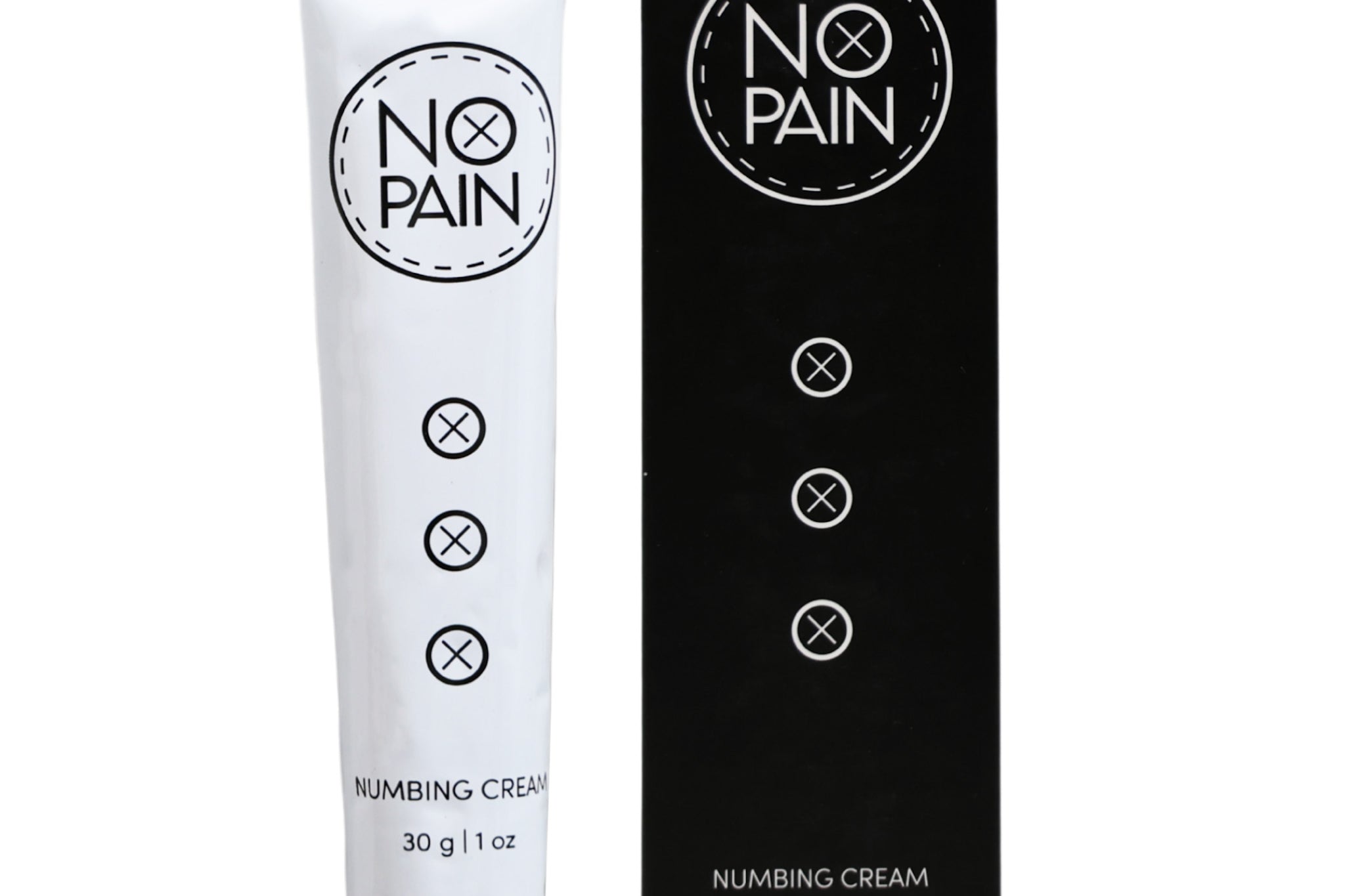
If you didn't use one on day one, day two is when most people wish they had. The skin is already sensitized, and the usual warm-up period is missing. A numbing cream applied 45 minutes before the session gives you a buffer, especially for the first hour when fresh-work soreness hits hardest.

No Pain Tattoo Numbing Cream
Essential for day-two sessions. Apply 45 minutes before to take the edge off already-sensitive skin.
Shop Numbing Cream →Communicate with your artist about session length
A 6-hour session on day two of a back-to-back is a lot to ask of both you and the skin. Many experienced artists will proactively shorten day-two sessions for this reason. If yours doesn't bring it up, it's worth discussing. A slightly shorter second session with cleaner work is better than a longer one where the skin starts to rebel.
Take more breaks, not fewer
On a normal session, you might take a break every 90 minutes. On a consecutive-day session, build in breaks every 60. Your nervous system has less capacity. The breaks don't slow the overall project down enough to matter, and they make a real difference in how the skin holds up through the session.
How to Care for Your Skin Between Sessions
The window between your first and second session matters as much as what you do during them. After the first session ends:
- Keep the tattoo clean and moisturized as directed by your artist
- Avoid anything that increases inflammation: alcohol, excessive sun, hot showers, and intense physical activity
- Sleep on clean bedding
- Let the skin rest as much as possible
The goal is to give the skin every advantage to recover before you're back in the chair the next day.
How Many Days in a Row Is Too Many?
Most artists who do marathon project work will do two consecutive days before building in a rest day. Three or more consecutive sessions on related areas starts pushing into diminishing returns: the skin becomes harder to work, holds ink less predictably, and recovery slows. There are exceptions for experienced collectors who know their bodies, but as a general guideline, a rest day after every two sessions is worth factoring into the timeline.
The Short Version
Back-to-back sessions are harder, and the pain is real. Manage it by sleeping and eating well between sessions, using a numbing cream on day two, shortening session length slightly, and building in more breaks. The project gets done faster when the skin is properly cared for in between.