


People don't usually plan an armpit tattoo the way they plan other placements. It tends to show up as part of something larger - a sleeve that needs to be connected, a chest piece pushing toward the side, a body suit filling in the gaps. And that's when they start asking around. The answers are pretty consistent. The armpit is one of the most intense placements on the body. That reputation is accurate.
Here's what's actually happening there anatomically, what the session feels like, how to get through it, and what you need to know about healing in one of the more difficult zones to care for.

In this article
- Why the armpit hurts so much
- What the pain feels like
- Pain rating
- What the session is like
- Numbing strategy
- Healing challenges
- Frequently asked questions
Why the Armpit Hurts So Much
The armpit is a convergence of everything that makes a placement painful. Thin skin, dense nerves, no protective tissue, and a location that's constantly in motion.
The main factor is the brachial plexus. This is the nerve network that controls sensation in your entire arm - running from the cervical spine through the armpit and down through the bicep and forearm to your fingers. The armpit is where it branches closest to the skin surface. When a tattoo needle works that area, it's operating right next to the primary nerve junction for your whole arm. The sensation doesn't stay local. People feel it radiating outward in ways they don't expect.
The skin itself compounds the problem. It's among the thinnest on the torso. There's almost no fat layer and no muscle beneath it in the direct crease. Just skin sitting very close to the nerve-dense tissue below. Nothing absorbing or buffering the sensation. It hits with very little filtering.
And the zone is always moving. Every time you lower your arm, raise it, reach across - the skin in the armpit folds and stretches. That affects both how the session feels and what healing looks like afterward.
What the Pain Feels Like
Sharp and raw is how most people describe it. Not a dull ache, not a vibration. A clean, acute sting that doesn't settle into background noise the way some placements do over time. The nerve density means the sensation tends to stay sharp rather than fading as the session continues.
A lot of people also report feeling it in unexpected places - down into the arm, across the chest, even into the side. That's the brachial plexus doing what it does. The needle isn't touching those areas, but the nerves running through the armpit connect to them.
Involuntary arm movement is common. Not because people aren't trying to stay still - the nerve response just triggers it. Artists who work this area know to expect it and work accordingly, with shorter passes and frequent checks. But it's worth knowing going in that holding perfectly still in the armpit is harder than it sounds.
Pain Rating
Consistently 8 to 10 out of 10. The direct crease of the armpit - the fold itself - is the most intense section. The surrounding skin on the inner upper arm and the side of the chest is painful too, though typically a notch lower as you move away from the crease and onto areas with slightly more tissue.
It belongs at the top of the pain ranking alongside the spine, the knee ditch, the sternum, and the rib cage. People with genuinely high pain tolerance who've gotten through difficult placements easily still tend to find the armpit hard. It's a qualitatively different kind of pain than the outer arm or the thigh.
What the Session Is Like
There are a few things about the armpit session specifically that are worth knowing beyond the pain level.
The position is tiring. You'll typically be lying down with your arm raised or extended above your head, exposing the armpit to the artist. Holding that position for any extended period - even an hour - is physically fatiguing in a way that adds to the overall challenge of the session. It's not just pain management. It's also managing the strain of staying in an uncomfortable position.
Sessions here tend to run shorter than you might expect. Most artists break armpit work into smaller chunks, especially if it's part of a larger sleeve or chest piece. The intensity makes longer stretches difficult for the client to sustain, and working fatigued muscle creates more involuntary movement. Shorter, more focused sessions produce better results.
Artists who specialize in body suits and large-scale work often tackle the armpit last in a sleeve. It's the hardest section to sit for, and clients are more mentally and physically prepared for hard sections after they've been through the rest of the sleeve first. Worth discussing timing with your artist if you have flexibility in how you sequence the sessions.
Numbing Strategy
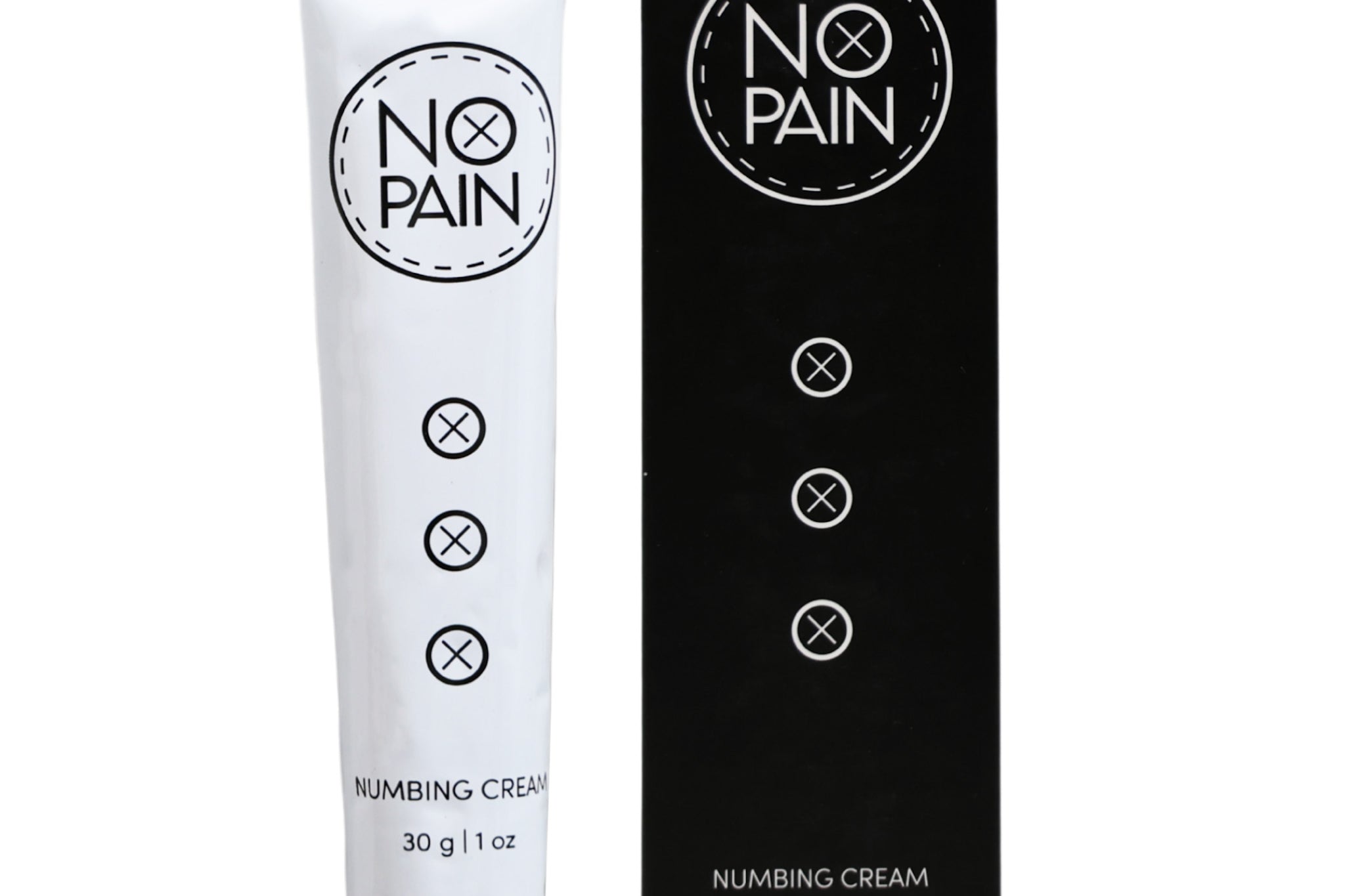
For the armpit, numbing cream is less about comfort and more about making the session actually completable. The involuntary arm movement that the nerve response causes is the practical problem. An artist can work around someone who's grimacing or breathing hard. They can't work well with an arm that's flinching out of position. Reducing that nerve response - even partially - keeps you still enough for the work to be done properly.
Apply a maximum strength cream to the full area 90 to 120 minutes before your session and cover with plastic wrap. The armpit skin is thin and absorbs well, so the cream penetrates effectively if given adequate time. Don't apply at the shop and expect it to work in 20 minutes. The full window matters.
The thick, slow-absorbing formula is what you want for a session this intense. Thinner creams tend to burn through before the hardest parts of the work are done, and the armpit is usually worked later in a sleeve session when other areas have already been completed. You need something that holds.

Maximum strength formula in a thick, slow-absorbing base that holds longer than thin creams that wear off mid-session. The armpit is one of the hardest placements on the body - arrive already numbed, with the full 90 to 120 minute application window behind you, and give your artist the still canvas they need to work cleanly. Formulated at Historic Tattoo in Portland.
Healing Challenges
The session is the headline, but the heal deserves its own attention. The armpit is one of the trickier placements to get through the healing phase without problems.
The arm movement issue doesn't go away after the session ends. Every time you reach for something, gesture while talking, or just walk normally with your arm swinging, the skin in the armpit folds and stretches. During the first two weeks, that repeated movement works against healing skin. It increases friction over the tattooed area and raises the risk of cracking and premature peeling. Keeping movement deliberate and limited in the first week - reaching with the other arm when possible, sleeping with the arm down rather than raised - gives the skin a better chance to close properly.
Deodorant. You can't use it on the tattooed area while it's healing. That's a practical reality that surprises people, particularly in warmer months or for anyone who's never thought about how close their deodorant application sits to the actual armpit crease. Unscented, gentle deodorant on the areas of the armpit that aren't tattooed is fine. The tattooed skin needs to stay free of product other than your aftercare routine for the surface healing period.
The armpit also stays warm and slightly occluded by the arm resting against the body. That creates an environment where moisture collects rather than dispersing, which can affect healing if aftercare product builds up rather than absorbing. Lighter applications of gel or balm, more frequently, tend to work better here than one heavy application that sits on the skin.

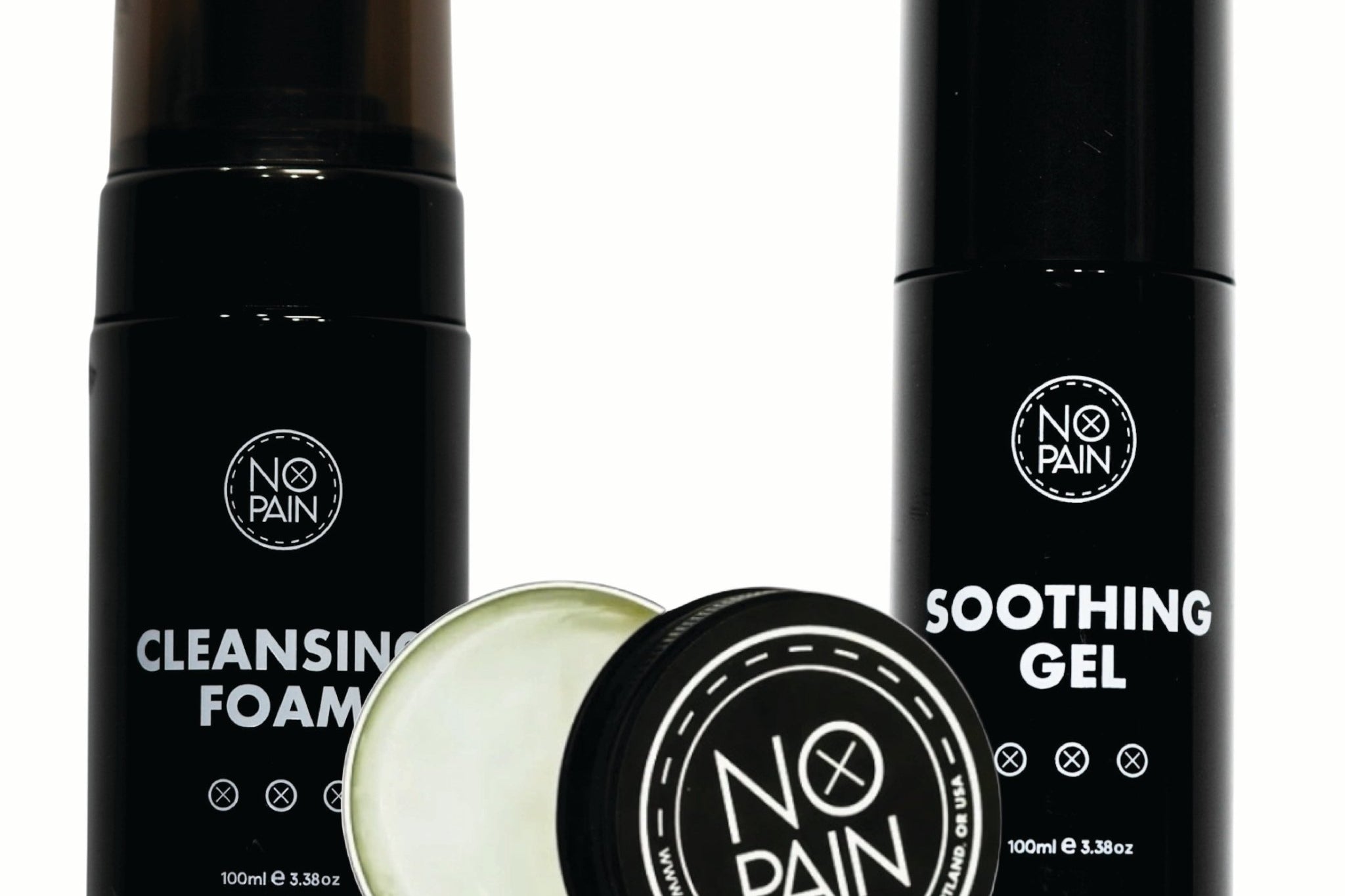
Cleansing foam, soothing gel, and aftercare balm. Everything you need from day one through the end of healing. For the armpit specifically: use the soothing gel for the first few days when the skin is most inflamed, then transition to light applications of the balm as the peeling phase begins. Formulated without fragrance, petrolatum, or alcohol. Formulated at Historic Tattoo in Portland.
Frequently asked questions
How bad does an armpit tattoo hurt?
Most people rate it 8 to 10 out of 10. The armpit is where the brachial plexus - the nerve network controlling your entire arm - sits closest to the skin surface, with very little tissue between the nerves and the needle. The sensation is sharp and tends to radiate outward into the arm and chest rather than staying localized. It consistently ranks as one of the most painful placements on the body, alongside the spine, sternum, and knee ditch.
Can you use numbing cream for an armpit tattoo?
Yes, and it's one of the most important placements to use it. Apply a maximum strength cream to the full area 90 to 120 minutes before your session and cover with plastic wrap. The thin skin in the armpit absorbs the cream well, so you get effective numbing if you allow the full application window. Tell your artist beforehand. At this placement specifically, arriving numbed is the difference between a session where your artist can hold clean lines and one that keeps getting interrupted by involuntary arm movement.
How long does an armpit tattoo take to heal?
Surface healing typically takes two to three weeks, though the armpit environment can extend this. The constant arm movement, the warmth and moisture that builds up in the fold, and the inability to use deodorant on the area all create a more demanding healing context than a stable, open placement. Plan for three weeks minimum for the surface to close, and expect to be thoughtful about arm movement and aftercare application for that full period.
Can you wear deodorant after an armpit tattoo?
Not on the tattooed skin while it's still healing. Deodorant and antiperspirant contain ingredients - fragrances, aluminum compounds, alcohol - that can irritate open healing skin and interfere with the process. You can apply deodorant to areas of the armpit that aren't tattooed, but the actual tattooed zone needs to stay clear of product other than your aftercare routine until the surface has fully closed and the peeling phase is complete, typically around the two-to-three-week mark.
Is the armpit harder than the ribs?
Most people who've done both rate them similarly, with personal variation in which felt worse. The ribs have the bone-contact vibration and the breathing interference, while the armpit has denser nerve concentration and a sensation that radiates more widely. They both sit at the top of the pain scale. The armpit tends to produce more involuntary movement, which makes it harder on the artist. The ribs tend to involve more sheer surface area and longer working time. Neither is forgiving.
Do armpit tattoos fade faster?
They can, particularly fine-line work in the crease. The skin in the armpit moves constantly and sits in a warm, slightly occluded environment that affects how ink settles long-term. Bold, high-contrast designs with heavier line weights hold up better than delicate linework in this location. Most artists recommend slightly heavier line weights for armpit work than you might use elsewhere, and plan for the possibility of a touch-up within a few years, particularly for anything with fine detail in the crease itself.
The Hardest Zone on the Sleeve
Arrive already numbed and your artist gets a still canvas. Stay on top of aftercare and the heal goes the way it should. Don't improvise the armpit - prepare for it.
Shop Numbing Cream →Formulated at Historic Tattoo in Portland, Oregon.