


A full back tattoo is the most ambitious canvas in the tattoo world. Done well, it's extraordinary. It's also a multi-year, multi-thousand-dollar commitment with long sessions, repeated healing cycles, and a relationship with your artist that outlasts most other projects you'll ever take on. Here's what you actually need to know before you start.
In this article
- Step 1: The concept
- Step 2: Finding the right artist
- Step 3: The process and timeline
- Step 4: Budgeting realistically
- Step 5: Pain management
- Step 6: Healing between sessions
- FAQ
Step 1: The Concept
Unlike a patchwork sleeve built from individual pieces over time, a back piece is typically a single cohesive composition — one image that fills the entire canvas. This means the design needs to work as a unified whole, not just as a collection of elements that could go anywhere.
The styles that translate best to the back's scale are Japanese traditional (Irezumi), which has centuries of compositional tradition specifically built around large skin canvases; large-scale black and grey realism, which benefits from the back's broad flat areas; biomechanical designs with intricate mechanical detail; and illustrated nature or mythological scenes. These all share a common advantage: they have compositional logic that the viewer's eye can follow across a large, complex piece.
Work with your anatomy, not against it. The design should acknowledge the spine, the shoulder blades, the waist's taper, and how the piece moves with your body. A skilled artist will incorporate the natural geography of your back into the design rather than treating it as a flat surface. Bring reference images and a general concept to the consultation — not a finished design. Leave the compositional decisions to the artist.
Step 2: Finding the Right Artist
A back piece requires an artist who has completed large-scale back pieces before — not just someone who draws the style you want at a smaller scale. Large-scale work requires different planning, different session pacing, different technical decisions about sequencing outline and fill, and an ability to maintain visual cohesion across a design that takes months or years to complete.
Ask to see healed examples of completed back pieces from their portfolio. Fresh photos of the outline stage tell you nothing about how the finished, healed piece will look. A portfolio of completed back pieces, healed and fully settled, shows you the evidence you need. Ask about their approach to large projects specifically: how they sequence sessions, how they handle design evolution over a long project, and how they communicate with clients between sessions.
The consultation for a back piece is a planning session. Expect it to be longer than a standard consultation and to involve a real discussion about the design direction, the phasing of the work, and the projected timeline. Be prepared to put down a significant deposit to secure their commitment to a project of this scope.
Step 3: The Process and Timeline
A full, detailed back piece typically takes 40 to 100 or more hours of tattooing, depending on the complexity, detail level, and coverage. This is broken into multiple sessions of 4 to 8 hours each, spaced 4 to 6 weeks apart to allow full healing between them.
At 40 hours and 6-hour sessions, that's seven or more sessions. At 100 hours, you're looking at 15 or more. A realistic complete timeline for a full back piece is one to three years. This is not unusual; it's the nature of the project.
The stages typically go in this order: outline first (1 to 2 sessions to establish the complete composition), then background shading and black work (several sessions), then color and fine detail work (final sessions). Some artists work section by section rather than outline-first-everywhere. Discuss the approach with your artist at the consultation.
Step 4: Budgeting Realistically
Back pieces are expensive because they take a long time. If your artist charges $200 per hour, a 50-hour back piece is $10,000 before tip. At $300 per hour, that same 50 hours is $15,000. A highly in-demand specialist at $400 per hour for a 100-hour project puts the number at $40,000 or more.
These are real numbers and not worth minimizing. The artists capable of exceptional large-scale work charge appropriately for it, and the commitment you're making to live with this piece for the rest of your life is not the moment to find a bargain. Budget honestly based on the artist you want, the style you want, and the timeline you can afford to execute it in. Many people spread the project over several years specifically because it allows them to work with the right artist at a pace that's financially sustainable.
Step 5: Pain Management
The back is not uniformly painful, but it has several high-intensity zones. The spine is the most difficult — bone conduction through the vertebrae produces a vibrating, non-adapting sensation that's hard to sit through for hours. The shoulder blades have similar bone proximity. The lower back near the kidneys and the area over the sacrum tend to be intense as well. The mid-back over the large muscle groups is significantly more manageable.
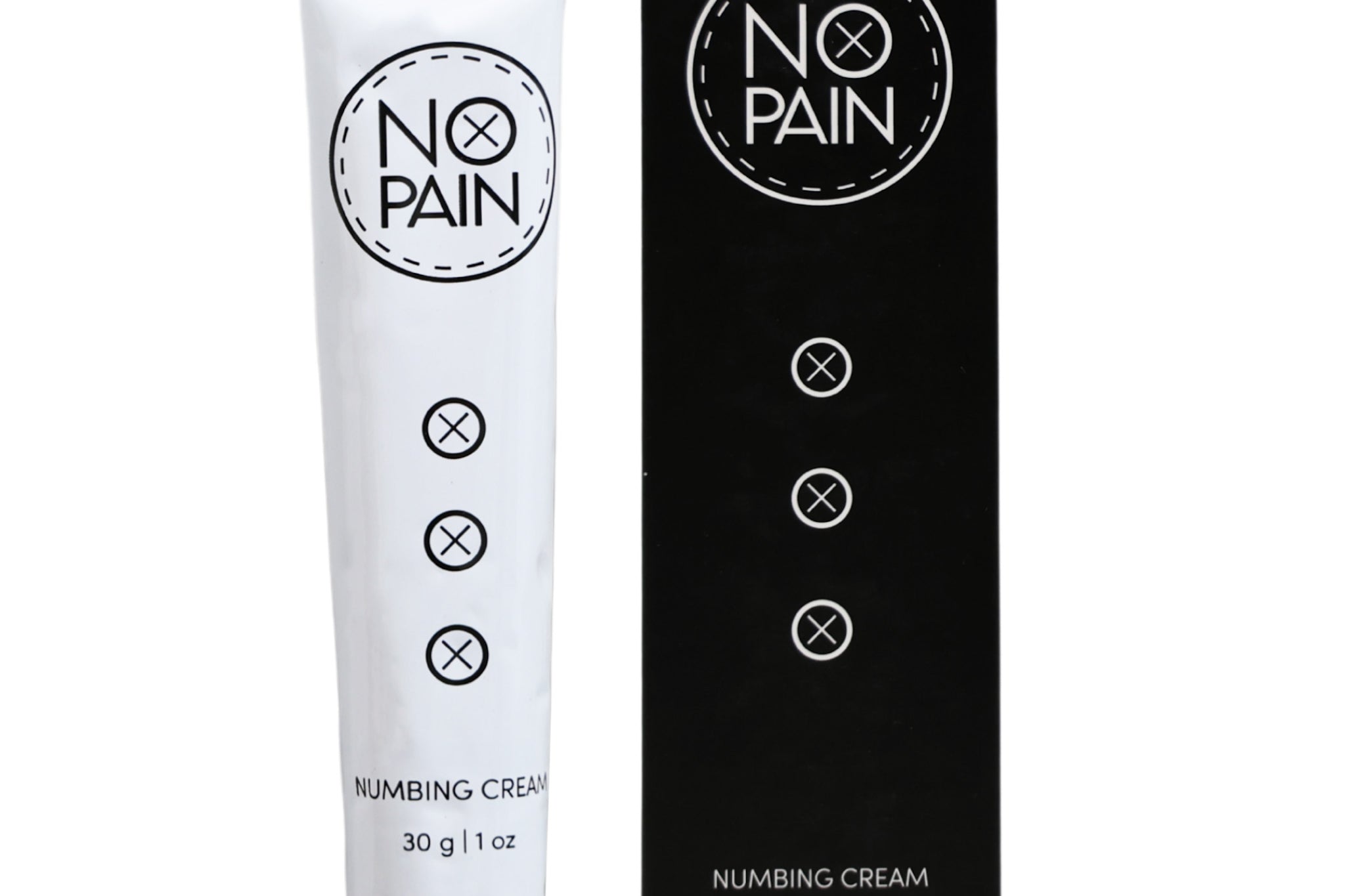
For sessions covering these difficult zones, pre-session numbing cream applied 90 to 120 minutes before is highly effective. The back absorbs the cream well across its large surface area, and having your artist apply a mid-session spray during a break extends the coverage through the final hours of a long sitting.

Cream before the session for the first few hours, spray mid-session for your artist to apply on broken skin and keep you through the final hours. The two-part system for serious long-session work.
Step 6: Healing Between Sessions
Healing a large section of your back has one practical challenge that a smaller tattoo doesn't: you can't easily reach it yourself. You'll need a partner or a helper for the first wash and potentially for the early aftercare applications. Plan for this before you leave the studio.
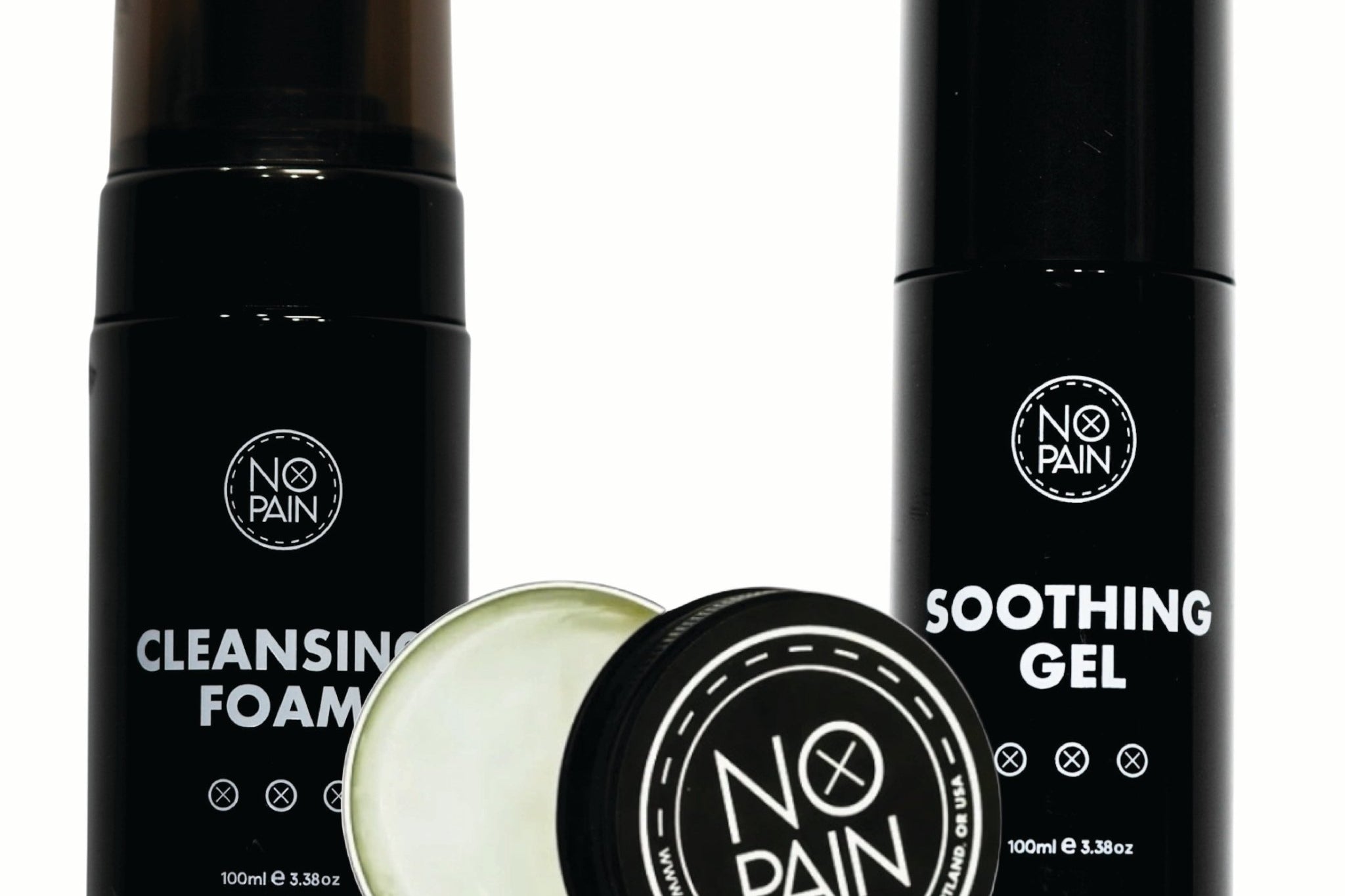
The protocol is the same as any other tattoo: gentle wash twice daily, thin gel application for the first few days, then balm from day three onward until the surface is healed. For a back piece, the balm's moisture barrier is especially important — a large area of healing skin tends to dry out more in certain areas than others, and consistent coverage prevents the patchy healed results that come from letting parts of a big piece over-dry.
Between sessions, protect the healed work from sun. A back piece in progress is repeatedly going through fresh healing phases, and sun exposure on recently healed work accelerates fading before the ink has fully settled.
FAQ
How long does a full back tattoo take to complete?
Most full back pieces take one to three years from the first session to the final detail work. The total tattoo hours range from 40 for a simpler design to 100 or more for a complex, densely detailed piece. Sessions of 4 to 8 hours are typical, spaced 4 to 6 weeks apart for healing. This is a long-term project by nature, and trying to rush it by doing sessions too close together doesn't allow the skin to heal properly between them.
How much does a full back tattoo cost?
Expect to spend $5,000 to $20,000 or more for a complete, quality back piece. The range is wide because the cost depends on your artist's hourly rate, the complexity and detail level of the design, and the total hours required. A simpler design with a less-in-demand artist at one end, a highly detailed piece with a top specialist at the other. Rates vary significantly by market — a great artist in a mid-sized city may charge $150 to $200 per hour; the same quality of work from a sought-after artist in a major market may run $300 to $500. Get clear on your artist's rate and an estimated hour range at the consultation.
Does a back tattoo hurt a lot?
It depends on which part. The mid-back over the large muscle groups is among the more manageable areas for tattooing — typically rated 4 to 6 out of 10. The spine is the difficult part: bone vibration through the vertebrae produces a harsh, radiating sensation that many people find the hardest single area of a back piece to sit through. The shoulder blades and sacrum are intermediate. Most people find back pieces very manageable in the beginning and significantly harder toward the end of a long session when the fatigue and accumulated soreness have built up. Numbing cream makes a meaningful difference for the spine and shoulder blade sections specifically.
Can I get a full back tattoo even if I've never been tattooed before?
You can, but experienced artists will likely want to see how your skin heals and how you handle a session first. Many prefer to do a smaller piece on a first-time client before committing to a major project. This is practical: they need to know how your skin accepts ink, how you sit, and whether you're a reliable client before dedicating years of their calendar to your back piece. Starting with a smaller piece, even something modest, is a reasonable approach that builds the relationship before the big commitment.
How do I sleep while my back tattoo is healing between sessions?
Sleep on your stomach or sides, not your back, for the first week after each session while the surface is actively healing. Use clean sheets and change them more frequently than usual — the tattoo will weep plasma in the first day or two and the sheets will pick up residual product. Some people put an old towel on the bed beneath them for the first couple of nights. By week two, you can sleep on your back again without significant risk, though some people prefer to wait until the peeling is fully complete.
Do I need to commit to the full back piece from the start, or can I add to it over time?
You can approach it either way. A planned back piece, designed from the start as one cohesive image, typically produces a more unified and visually striking result than one built from separate elements added over time. Patchwork back pieces are a different aesthetic — some people love them; they have a different visual logic. If you want a cohesive composition, it's much easier to design the full piece from the beginning and execute it in stages. Adding to it after the fact while keeping the visual unity is harder and requires an artist with strong design skills to retrofit new elements.
Protect Every Session's Work
Soothing gel for the first few days after each session, nourishing balm from day three onward. Proper aftercare between sessions is what makes a years-long project look right at the end.
Shop the Aftercare Bundle →Formulated at Historic Tattoo in Portland, Oregon. 100% money-back guarantee.