


A tattoo that looks crisp and vibrant after ten or twenty years didn't get there by accident. It got there because the skin around it was treated well. The good news is that long-term tattoo maintenance is not complicated. It comes down to three habits, and two of them you're probably already doing in some form.
In this article
- Habit 1: SPF every time it's exposed
- Habit 2: Daily moisturizing
- Habit 3: Gentle regular exfoliation
- Your quick-reference routine
- FAQ
Habit 1: SPF Every Time It's Exposed
UV radiation is the single biggest driver of tattoo fading. The mechanism is direct: UV rays penetrate into the dermis and break down ink pigment particles. Your immune system flushes out these broken fragments. With every prolonged sun exposure on unprotected ink, you're losing a small but permanent fraction of your tattoo. Black and grey ink is more UV-stable than colored ink, but no pigment is immune to it over years of sun exposure.
The habit: apply SPF 30 or higher to any tattooed skin that will be exposed to the sun. This isn't just for beach days. It applies to outdoor workouts, driving with your arm in the sun, sitting near a sunny window, or any other regular sun exposure your tattoos get as part of your daily life. Ink on covered placements (ribs, back, upper thigh) fades much more slowly than ink on exposed placements like the forearm or shoulder. The difference is cumulative UV exposure.
Any SPF 30+ broad-spectrum sunscreen works. Mineral sunscreens with zinc oxide are particularly stable in UV and don't degrade as quickly as chemical filters. The best one is the one you'll actually use consistently.
Habit 2: Daily Moisturizing
The ink in a tattoo is in the dermis, below the surface of the skin. What you see when you look at a tattoo is the ink filtered through the epidermis above it. The condition of that epidermis directly affects how the tattoo looks.
Dry, dehydrated skin appears ashy and muted. It scatters light instead of transmitting it clearly. Healthy, hydrated skin is more translucent, and it makes the ink below appear sharper, richer, and more saturated. This is the reason the same tattoo looks dramatically more vibrant right after moisturizing than on dry skin the next morning.
Daily moisturizing doesn't need to be complicated. A fragrance-free, nourishing balm or lotion applied after your morning shower is the routine. The shower opens the pores slightly and the product locks in the residual moisture — this timing produces better hydration than applying to completely dry skin. A rich, oil-and-butter-based balm is more effective for maintaining the skin condition that shows off older tattoos well.
Habit 3: Gentle Regular Exfoliation
Dead skin cells accumulate on the surface of the epidermis and create a dull, hazy layer that sits between you and your tattoo. Removing this layer consistently keeps the skin looking fresh and the ink appearing at its best.
Once or twice a week in the shower, use a soft washcloth or a mild sugar scrub on the tattooed area with light circular pressure for about 30 seconds. This removes the dead surface layer and reveals the cleaner, brighter skin underneath. Follow immediately with your balm or moisturizer to hydrate the freshly exfoliated skin.
Keep it gentle. Over-exfoliation with harsh scrubs damages the skin barrier over time, which is the opposite of what you want. The goal is routine maintenance, not aggressive treatment.
Your Quick-Reference Routine
Daily: Moisturize all tattooed areas after your shower. Fragrance-free balm is the best option for long-term use.
Every time you go outside: Apply SPF 30 or higher to any tattooed skin that will be exposed to sunlight. Make this automatic, not situational.
Once or twice a week: Gently exfoliate with a soft cloth or mild scrub, then follow with moisturizer immediately after.
Ongoing: Stay hydrated. Drink water consistently. Overall skin health reflects in how tattoos look over time, and hydration from the inside is part of that.
FAQ
How often should I moisturize my healed tattoos?
Once daily as a baseline, after your morning shower, is sufficient for most people. If you're in a dry climate, a dry winter environment, or your skin tends to dry out during the day, a second application in the afternoon or evening is beneficial. You'll notice when you need it: the skin will look slightly dull or feel tight. A well-moisturized tattoo has a subtle sheen to it and the ink looks rich and clear.
What type of sunscreen is best for tattoos?
Any broad-spectrum SPF 30 or higher. Mineral sunscreens with zinc oxide and/or titanium dioxide sit on the surface of the skin rather than being absorbed, and they provide stable, broad-spectrum protection that tends to be better at the high-UV frequencies that break down tattoo pigment. Chemical sunscreens work too. The most important thing is consistent application, not the specific formula. Pick one you'll actually use every day.
Will exfoliating fade my tattoos?
Gentle exfoliation does not fade tattoos. The ink is in the dermis, well below the surface layer you're removing with a scrub. What exfoliation does is remove the dull outer layer of dead skin cells that accumulate on the epidermis, which actually makes tattoos look more vibrant by clearing the visual filter above the ink. Aggressive, harsh exfoliation that strips the skin barrier repeatedly does damage the skin over time, so keep it gentle and infrequent.
Does the Aftercare Balm work for long-term maintenance or just healing?
Both. The balm was developed for tattoo aftercare, but its nourishing, oil-and-butter base makes it an effective long-term moisturizer for healed tattoos. It's richer than most standard body lotions, which is a benefit for maintaining the skin condition around older ink. Many people who used it during healing continue using it daily on their collection.
How do I know if my tattoo is fading from sun damage vs. just settling?
All tattoos settle slightly in the first few months after healing — this is normal and not damage. The ink that appeared in the dermis during healing becomes more integrated with the surrounding tissue, and the surface epidermis that formed over it becomes more opaque over time. This produces a slight softening of contrast compared to fresh ink. Sun damage is different in character: it's progressive, it preferentially affects certain colors (whites, pastels, and reds fade faster than black), and it accelerates with sun exposure. If a tattoo continues to fade and soften years after healing and is on a sun-exposed placement, UV damage is almost always the primary cause.
Is there anything else I should do to keep my tattoos looking good long-term?
Stay at a stable weight if possible. Rapid weight gain or loss stretches or shrinks the skin significantly, which can distort tattoos in those areas over time. Stay hydrated from the inside. Avoid tanning beds entirely — the UV dose from a tanning bed session is extremely high and very damaging to tattoo pigment. If you have a very large or intricate piece, consider a touch-up session at 5 to 10 years to reline any areas that have softened. These aren't high-maintenance requirements; they're just sensible habits that preserve the investment.
The Balm That Does Both Jobs
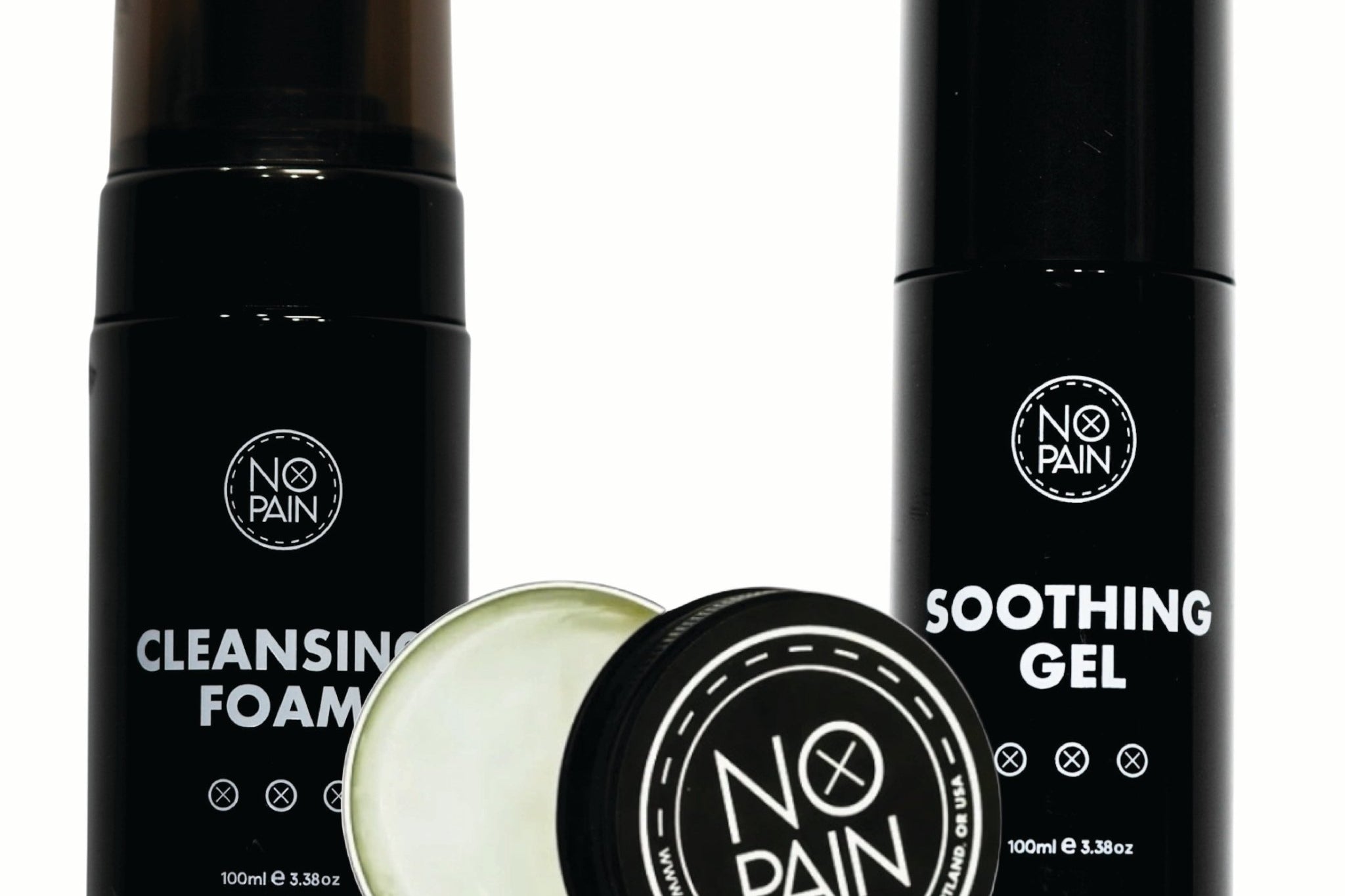
Rich enough to heal, light enough for daily use. The Aftercare Balm is what a consistent long-term routine looks like in practice.
Shop the Aftercare Bundle →Formulated at Historic Tattoo in Portland, Oregon. 100% money-back guarantee.