


Hand and finger tattoos heal differently than any other placement. The same hands you just got tattooed need to be washed several times a day, used constantly, and exposed to friction that no other healed tattoo experiences in its first two weeks. The protocol is different here. If you treat a hand tattoo like an arm tattoo, you will lose ink.
The short answer: hand and finger tattoos can heal beautifully, but they need a more intensive routine than a tattoo on your arm or thigh. The biggest risks are dryness, cracking, and ink loss from over-washing. The solution is gentle cleaning, very frequent light moisturizing, no soaking, and strict sun protection. Expect a touch-up — on this placement it is normal, not a failure.
In this guide
- Why hand and finger tattoos are the hardest placement to heal
- Week-by-week healing timeline
- The washing problem and how to solve it
- The moisturizing strategy for hands
- Why soaking is the fastest way to lose ink
- Protecting from friction
- Sun protection
- Fingers: what is different
- Touch-ups: what to expect
- Recommended products
- FAQ
Why Hand and Finger Tattoos Are the Hardest Placement to Heal
Every challenge that makes a tattoo heal slowly is concentrated in the hand. Here is what you are dealing with.
Thin skin over bone
The top of the hand has very little fat or muscle between the skin and the underlying bones and tendons. The needle goes through quickly, which means a skilled artist can achieve great linework, but the shallow tissue also means there is less room for the ink to settle. The body tends to push ink back toward the surface, which is why hand tattoos fade faster and need touch-ups more often.
Constant movement
Every time you bend your fingers, grip something, type, or hold a steering wheel, you are stretching and stressing the healing skin. This motion disrupts the formation of the new epidermis over the ink and is the primary cause of ink loss on this placement. It also increases the risk of scabs cracking open before they are ready to shed on their own.
Frequent washing
Most people wash their hands six to twenty times a day. Each wash strips away the skin's natural oils and the thin layer of moisture a healing tattoo depends on. Excessive dryness is the primary cause of cracked scabs, ink loss, and patchy results.
High friction
Going into pockets, holding a phone, pulling on clothing, gripping anything — your hands contact more surfaces in a day than any other part of your body. That friction is constant and it lands directly on the healing surface.
Fast skin turnover
The skin on the tops of the hands and fingers regenerates more rapidly than on the arm or back. The outer epidermis is turning over faster, and ink that was not placed deeply enough gets pushed out with it. Even experienced artists see more variation in healed results here than on any other placement.
Sun exposure
Your hands are among the most sun-exposed parts of your body. UV light is the number one enemy of a new tattoo, causing fading and, during early healing, genuine skin damage on top of an already compromised wound.
Week-by-Week Healing Timeline
Days 1 to 3: inflammation
The hand will be red, swollen, and tender. Expect some weeping of clear or ink-tinted plasma. This is normal. The swelling may make your hand feel stiff and tight — keep it elevated when you can to reduce fluid pooling.
Rest the hand as much as you can get away with. Avoid tasks that require gripping, flexing, or prolonged movement of the tattooed fingers. This is the most critical window for the ink to begin settling. Clean gently two to three times a day and apply a soothing product immediately after each wash.

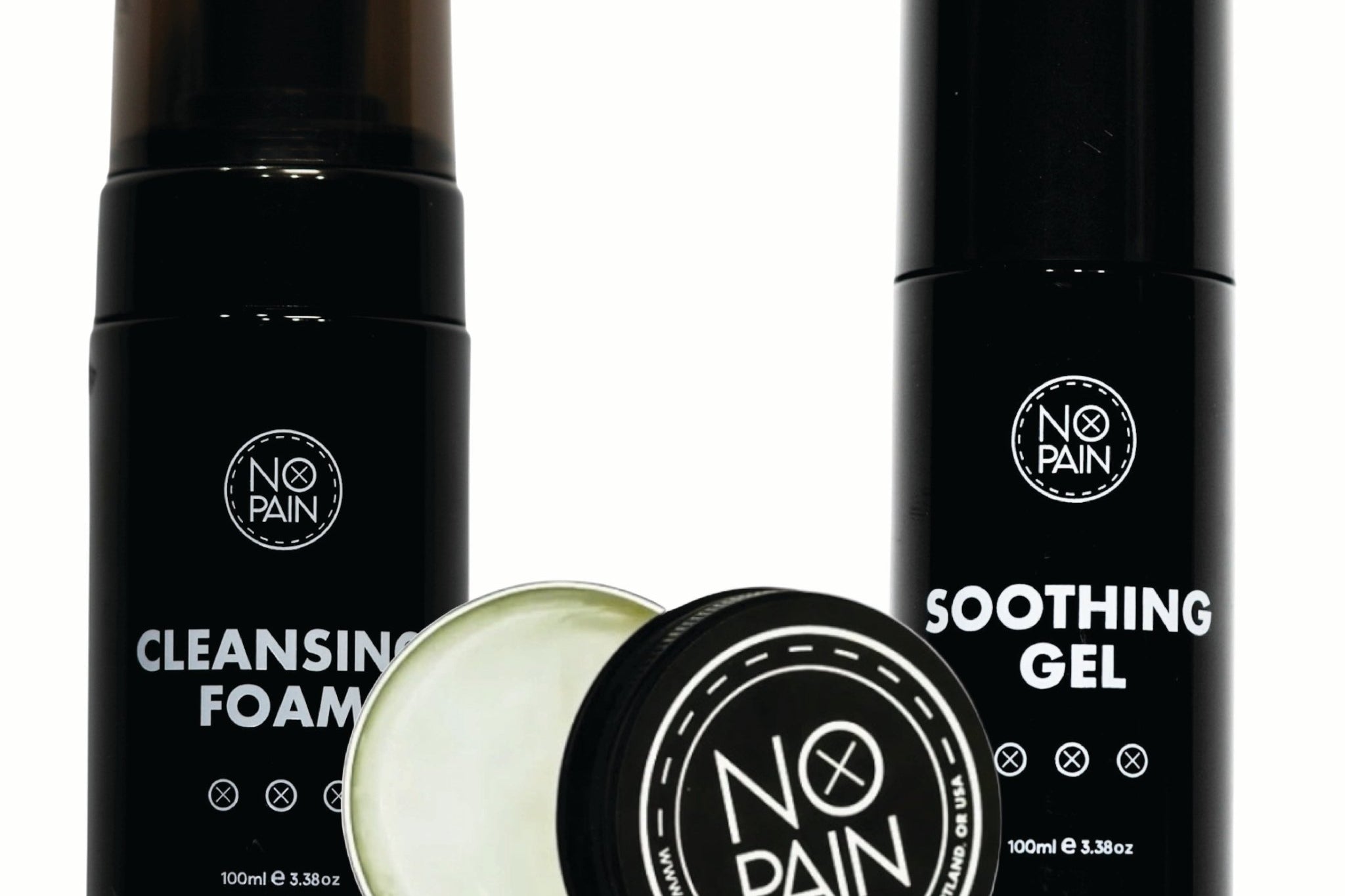
A lightweight, fast-absorbing gel that cools inflammation in the acute phase. Small enough to carry in a pocket — for hand tattoos you will be reapplying throughout the day, and that makes it practical.
Days 4 to 7: peeling begins
Thin flakes of skin will start to lift. Resist every urge to pull them. On the hand this is especially damaging, because the skin underneath is not yet ready. A hair-thin layer of ink can come off with the flake, leaving pale, patchy gaps in your linework.
Days 8 to 14: peak itching
The itch intensifies as skin regenerates underneath the peeling layer. This is when most people make their worst mistakes: scratching, picking, or over-moisturizing to stop the itch. A gentle pat with a clean fingertip and a thin layer of balm is the correct response. Do not smother the area.
Week 3: surface healing completes
The flaking resolves and the tattoo stops being an open wound — on the same schedule as any other placement. Healed correctly, a hand tattoo closes up in about two to three weeks, no slower than an arm or a thigh. What makes the hand harder is not how long it takes, but how much can go wrong in that window: the constant washing, gripping, and friction give ink far more opportunity to lift out than it gets anywhere else.
One difference you will notice is how it looks. A healing hand tattoo keeps a slightly waxy, shiny sheen for a while after the flaking stops, as the skin rebuilds its protective barrier over an area that is being used and washed constantly. That sheen is a sign the barrier is still forming, not a sign something is wrong. It settles on its own — keep moisturizing and leave it alone.
The deeper layers are still rebuilding well beyond that. Keep moisturizing daily, keep the tattoo out of the sun, and wait until at least the six-week mark before judging the result or booking a touch-up.
The Washing Problem and How to Solve It
You cannot stop washing your hands, but you can change how you wash them. For the first two weeks:
- Use cool or lukewarm water only. Hot water strips oils and increases swelling.
- Choose a fragrance-free, gentle liquid soap or a dedicated tattoo cleanser. Harsh soaps destroy healing skin.
- Clean with your fingertips only. No cloths, no loofahs, no scrubbing.
- For general hygiene during the day, use your palms and keep water and soap off the tattooed surface where you can.
- Pat dry with a clean paper towel. Cloth towels harbour bacteria and can snag on raised skin.
- Apply moisturizer immediately after every single wash. Never let the skin air-dry unprotected.
The Moisturizing Strategy for Hands
This is where hand tattoo aftercare differs most from every other placement. Because the hands get washed so often, you will need to moisturize far more frequently than the standard two or three times a day. Reapply a thin layer every single time you wash your hands — realistically five to ten times a day for the first two weeks.
The key word is thin. Too much product suffocates the healing skin and causes bubbling, prolonged weeping, and a soggy, slow heal. A grain-of-rice-sized amount spread across the back of the hand is usually right. The goal is a barely-there protective layer, not a visible coating.
Keep your balm in your pocket or bag at all times. Having it with you is the single biggest predictor of a good result.

Carry it everywhere. Reapply after every hand wash to prevent cracking and ink loss through the peeling phase.
Why Soaking Is the Fastest Way to Lose Ink
No baths, no swimming, no submerging the hand in water. Soaking leaches ink out of a healing hand tattoo faster than almost anything else, and the effect is worse here than on any other placement because the skin is thin and already under stress.
If you need to do dishes, wear thick waterproof gloves and keep them on the entire time. This applies for the full two-week healing surface period, not just the first few days. If a glove leaks or the tattoo gets wet anyway, wash gently with cool water, pat dry, and apply balm immediately.
Protecting from Friction
Gloves, bandages, or simply covering the tattoo during tasks that put direct friction on it — cooking, gardening, heavy cleaning — buys the healing skin time to form without being scraped.
For everyday unavoidable friction, like phone use and pockets, there is not much you can do beyond being aware of it and minimizing where possible. Tight clothing or gloves that rub directly on the healing surface are worth avoiding entirely for the first two weeks.
Sun Protection
During the first two weeks, do not apply sunscreen to a healing tattoo. Cover it physically instead — a loose sleeve or a glove when you are outdoors.
After that, apply a high-SPF sunscreen over the tattoo any time your hands will be in the sun. This stays important for the lifetime of the tattoo. The top of the hand fades faster than almost any other placement, and daily unprotected UV exposure is the main reason why.
Fingers: What Is Different
Everything above applies to fingers, but fingers are the harder case within an already hard placement.
The skin is thinner still. Fingers have very little tissue between skin and bone, and the sides and inner surfaces flex constantly through their full range every time you close your hand. Ink retention on finger tattoos is the least predictable of any placement on the body.
They peel faster. The rapid turnover that affects the back of the hand is more pronounced on the fingers. Expect the peeling phase to arrive and pass quickly, and be especially disciplined about not pulling at it.
Touch-ups are close to standard. On the back of the hand a touch-up is common. On fingers — particularly the sides, the inner surfaces, and anything crossing a knuckle — it is closer to expected. Many artists price finger work with a follow-up session built in. Ask yours before you book.
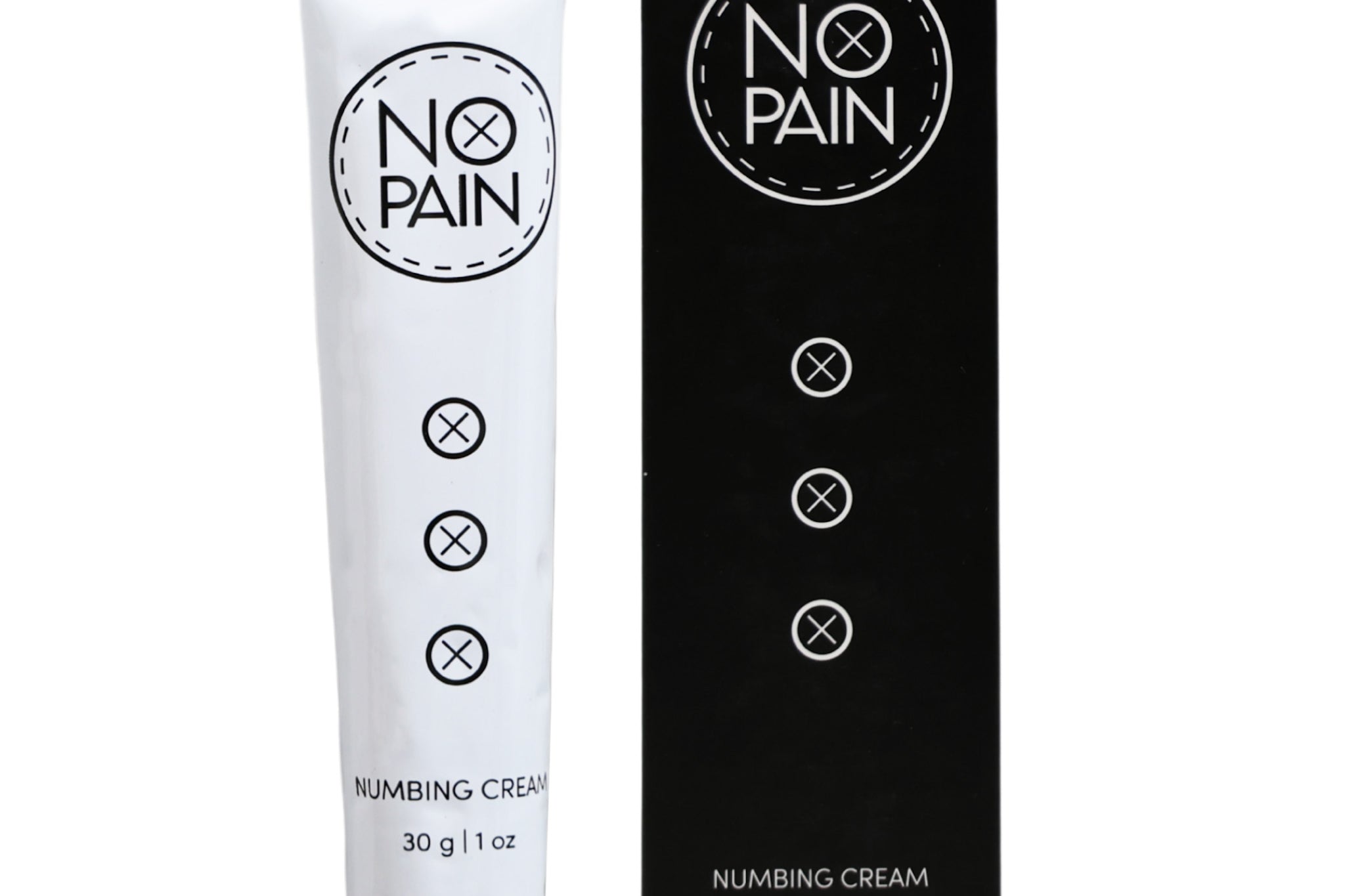
They hurt more going in. Most people find the fingers sharper and more electric than the duller burn of the back of the hand. Thin skin over bone with almost no soft tissue, and multiple nerve branches running through. For sensitive fingers, especially the inner sides, numbing cream applied before the session makes it significantly more manageable.
Touch-Ups: What to Expect
Even with a well-executed healing protocol, it is common for hand and finger tattoos to have patchy spots after healing. This is not a failure of your aftercare or your artist's technique. It is the nature of the placement — hand skin heals differently and does not retain ink as predictably.
Most artists who do hand work build in the expectation of a touch-up session six to eight weeks after healing completes. Go in expecting it rather than hoping to avoid it. And wait the full six to eight weeks before judging: the ink settles slowly in thin-skinned areas, and what looks patchy at week four often looks considerably better at week eight.
Recommended Products
The Aftercare Bundle pairs the Soothing Gel for the first few days with the Aftercare Balm for the long peeling phase. Both are travel-sized, which matters more here than on any other placement — you will be reaching for them five to ten times a day, wherever you happen to be.
The Aftercare System for a Demanding Placement
Soothing gel for the first few days, nourishing balm from day three onward. Both small enough to carry in a pocket. For hand and finger tattoos, the aftercare comes with you.
Shop the Aftercare Bundle →Formulated at Historic Tattoo in Portland, Oregon. 100% money-back guarantee.
FAQ
How long does a hand tattoo take to heal?
Healed correctly, a hand tattoo takes about two to three weeks to close up — the same as most other placements. The difference is not the timeline but the risk: constant washing, gripping, and friction give ink far more opportunity to lift out during those two to three weeks than it gets anywhere else. The one visible difference is a slightly waxy sheen that lingers a bit longer than usual while the skin rebuilds its protective barrier. Full settling of the ink can take several months. Wait six to eight weeks after the tattoo looks healed before assessing whether a touch-up is needed.
How long does a finger tattoo take to heal?
Similar to the hand — two to three weeks for surface healing — but the peeling phase often arrives and passes faster because finger skin turns over more quickly. The deeper settling takes just as long, and finger tattoos lose ink more readily than any other placement. Do not judge a finger tattoo before the eight-week mark.
Why does a hand tattoo fade so fast?
The skin on the hands renews rapidly, so the outermost layer turns over faster than on slower-renewing areas like the arm or back. Ink placed in the dermis is permanent, but if it was not placed deeply or consistently enough — which is harder on the uneven, mobile skin of the hand — it can migrate out during the rapid healing cycle. Sun exposure and constant friction compound it. Hand tattoos typically need a touch-up sooner than other placements, and often another pass at five to ten years.
Can I wash dishes with a healing hand tattoo?
Only with waterproof gloves, and not for the first two weeks. Submerging a healing hand tattoo in soapy dish water is one of the fastest ways to cause ink loss — the prolonged soaking combined with detergent is too much for a healing wound. Wear thick waterproof gloves and keep them on the entire time.
How many times a day should I moisturize a healing hand tattoo?
After every hand wash, which will typically be five to ten times a day during healing. Each application should be tiny — a grain of rice worth of product, not a visible coating. You are replacing the moisture stripped by each wash, not building a layer on the surface.
Do finger tattoos hurt more than hand tattoos?
Most people find the fingers more painful. Fingers have very thin skin over bone with almost no soft tissue, and multiple nerve branches run through them. The sensation tends to be sharp and electric rather than the duller burning of the back of the hand. For particularly sensitive fingers, especially the inner sides, numbing cream applied before the session makes the experience significantly more manageable.
Should I wrap my hand tattoo in plastic wrap?
No. Plastic wrap traps moisture and causes a soggy, slow heal. Use it only in the first few hours after leaving the studio if your artist recommends it, then switch to a breathable aftercare product. If your artist applied a Saniderm-style bandage, keep that on for the duration they specified.
What should I avoid after getting a hand tattoo?
For the first two weeks: soaking in any form, tight clothing or gloves that rub the healing surface, heavy friction activities like gym work and gardening, and direct sun exposure. Throughout healing: picking or pulling at peeling skin. Long-term: tanning on the hands and extended unprotected sun exposure, which fades hand tattoos faster than almost any other placement.