


Winter is one of the better times to get a tattoo, and experienced collectors know it. No UV exposure, natural coverage from clothing, and a lifestyle that's less likely to pull you into pools and lakes. The main challenge is something most people don't think about until the tattoo is already healing: dry air.
In this article
- Why winter works well for a new tattoo
- The main challenge: dry indoor and outdoor air
- Managing clothing friction
- Winter aftercare routine
- FAQ
Why Winter Works Well for a New Tattoo
No UV exposure. UV light is the single biggest environmental threat to a healing tattoo. It degrades ink, inflames healing skin, and can permanently alter saturation if the wound is exposed before it closes. In winter, you're bundled up in long sleeves and jackets without even thinking about it. The most dangerous variable in summer healing is simply not a factor.
Natural clothing coverage. The same layers that keep you warm also protect your healing tattoo from incidental friction and environmental exposure. A forearm tattoo that would be fully visible and exposed in summer is covered by a sleeve in winter. Less active management required.
Fewer activities that complicate healing. Swimming in pools or open water is one of the most common mistakes that delays tattoo healing. Hot yoga, intense outdoor exercise in heat, and extended sun exposure all carry similar risks. Winter's naturally slower pace works in your favor.
The Main Challenge: Dry Indoor and Outdoor Air
Cold outside air has low humidity, and heated indoor air has even lower humidity. The combination strips moisture from your skin constantly, and a healing tattoo is particularly vulnerable to this. A healing wound needs moisture to close properly and prevent heavy scabbing. Skin that dries out too much forms thick, tight scabs that crack, pull at the tattoo, and can take ink with them when they shed.
This is the reason winter healers sometimes end up with patchy results despite doing everything else right. The aftercare products work; the dry air is undoing their moisture faster than usual. The solution isn't thicker applications, which can cause their own problems (clogged pores, trapped heat). The solution is more frequent light applications and, where possible, running a humidifier in the room where you sleep.
Watch for these signs of over-drying: skin that feels uncomfortably tight between aftercare sessions, the tattoo surface looking dry or cracked, or flaking that progresses faster than expected. These are cues to add an extra light application of balm in the afternoon.
Managing Clothing Friction
The same clothing that protects your tattoo can also work against it. Tight synthetic sleeves, wool, or rough fabric in direct contact with a healing tattoo causes consistent friction that irritates the surface, sticks to early scabbing, and can pull off healing skin prematurely.
The rule: whatever touches the healing tattoo directly should be soft and loose. Cotton works best as the first layer. A loose cotton long-sleeve or soft jersey creates a barrier between the healing skin and the heavier, rougher outerwear above it. If the tattoo is in a spot where all your winter clothing is tight, consider sleeping with a loose, breathable sleeve over it to prevent bedding friction at night.
Winter Aftercare Routine
The protocol is the same as any other time of year, with two winter-specific adjustments: more frequent moisture checks and extra attention to the dry-air phase.
In the first few days, wash twice daily with a fragrance-free liquid soap using cool to lukewarm water (hot water worsens dry skin). Pat dry and apply a thin layer of soothing gel. Let it absorb before dressing.
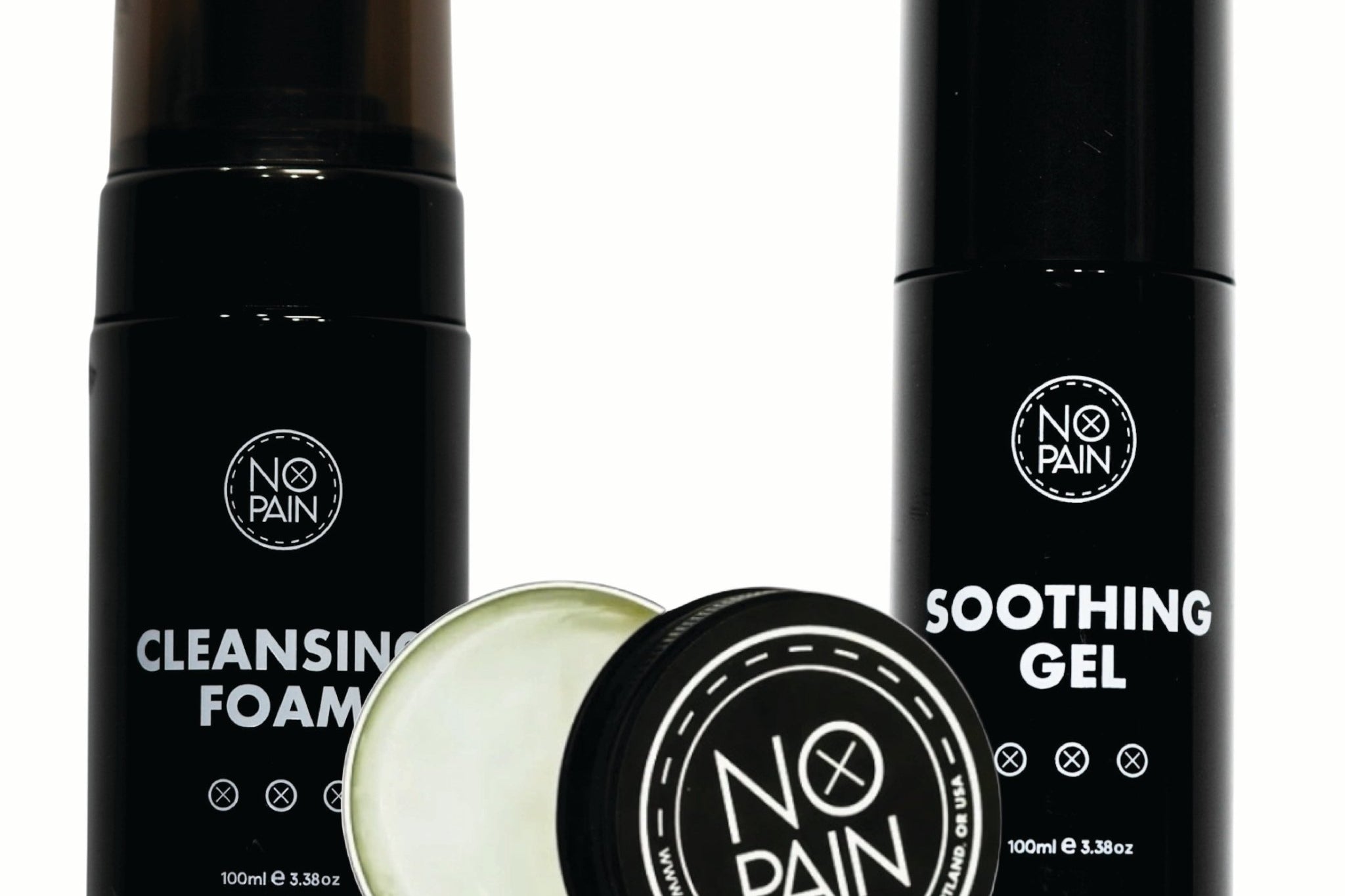
From day three onward, switch to a nourishing balm. The balm's oil-and-butter base provides a longer-lasting moisture barrier than gel and stands up better to dry winter air between applications. In dry winter conditions, a third light application of balm in the afternoon (on top of the standard morning-and-evening routine) often makes the difference between a smooth heal and a cracked, over-dried one.

A lightweight, cooling gel for the first few days of healing. Keeps the wound moist without the occlusive layer that traps heat. In winter, the key is applying a thin layer twice daily and letting it absorb before covering the tattoo with clothing.
FAQ
Is winter a good time to get a tattoo?
Yes, for most people. The absence of UV exposure is a significant advantage, and the lifestyle of winter (more covered up, less likely to swim or be in the sun) aligns well with the restrictions that come with a healing tattoo. The main thing to manage actively is the dry air. With a consistent aftercare routine and attention to moisture, winter heals are often smoother than summer heals.
Why is dry air a problem for a healing tattoo?
A healing tattoo needs the skin to stay moist enough to form new epidermis cleanly without thick scabbing. Dry air draws moisture from the healing surface faster than in humid conditions, which can lead to the skin drying out between aftercare applications. This produces tight, cracking skin and heavier scabbing, which can pull ink out when the scabs shed. The fix is more frequent light applications of aftercare product rather than thicker single applications.
Can I wear long sleeves over a healing tattoo?
Yes, as long as the fabric touching the tattoo is soft, loose, and breathable. Cotton works well. Tight synthetic fabrics, wool, or anything that rubs against the healing surface consistently can irritate it, stick to scabbing, and pull off healing skin prematurely. The goal is coverage without friction. A loose cotton layer directly over the tattoo under heavier winter clothing is the right approach.
Do I still need to use SPF on my tattoo in winter?
During healing, sun protection comes naturally from your winter clothing, so SPF on the healing tattoo itself is less of a concern than in summer. Once fully healed, yes. UV exposure is the primary driver of long-term ink fading regardless of season, and even winter sun can degrade ink on exposed placements over time. If any part of your healed tattoo is regularly exposed in winter (neck, face, hands), SPF should be part of your routine year-round.
How do I prevent my tattoo from drying out in winter?
Apply a thin layer of aftercare product more frequently than you might in other seasons: twice daily as standard, with a third light application in the afternoon if the skin feels tight or dry between sessions. In the first few days, a lightweight soothing gel keeps the wound moist without trapping heat. From day three onward, a nourishing balm provides a longer-lasting moisture barrier that stands up better to dry indoor air. Running a humidifier in the room where you sleep also helps significantly.
Does a tattoo take longer to heal in winter?
Not inherently. The healing timeline (surface healed in two to three weeks, fully settled in four to six weeks) is the same regardless of season. What winter does is introduce the dry-air variable that can complicate healing if your moisture routine isn't consistent. A well-managed winter heal can actually be smoother than a summer heal because you're not fighting UV exposure and sweat. A neglected winter heal can produce more scabbing and patching than necessary. The season changes the challenge, not the timeline.
Beat the Dry Air
Soothing gel for the first few days, nourishing balm from day three onward. The two-phase system that keeps moisture where it needs to be through a winter heal.
Shop the Aftercare Bundle →Formulated at Historic Tattoo in Portland, Oregon. 100% money-back guarantee.