


Wrapping a fresh tattoo or leaving it open to the air — most first-time clients ask which is better. Both work, but they work differently and suit different situations. Understanding what each method is actually doing to the healing wound makes the choice clearer.
In this article
- Open air healing: how it works
- Wrap healing: how it works
- Side-by-side comparison
- Which method to choose
- Aftercare once the wrap comes off
- FAQ
Open Air Healing: How It Works
Traditional open-air aftercare keeps the tattoo uncovered for the majority of the healing period. After the initial artist-applied covering is removed (usually two to four hours after the session), the tattoo is washed twice daily with a fragrance-free liquid soap and kept lightly moisturized with a thin layer of gel or balm between washes. The wound closes through gradual drying, plasma weeping, and new epidermal cell growth over the surface.
This is the method used to successfully heal tattoos for decades before adhesive wrap became widely available, and it remains effective when done consistently.
What works well: Full visibility into healing at every stage. No risk of adhesive sensitivity. Works for any placement and any skin type without modification.
The challenges: More maintenance-intensive in the first week. Missing a wash or letting the skin dry out too much can lead to heavy scabbing, which slows healing and can pull ink. The open wound is also exposed to environmental bacteria, pet hair, and bedding friction during the most vulnerable first few days.
Wrap Healing: How It Works
Wrap healing involves covering the fresh tattoo with a breathable adhesive film (sometimes called second skin, tattoo film, or Saniderm) that creates a sealed, moist environment against the wound. The film is permeable to air but keeps bacteria out and holds the wound's own plasma and moisture in. The result is a controlled healing environment that reduces scabbing and speeds cell regeneration.
Most wrap protocols leave the first layer on for 24 hours, remove it, clean the tattoo thoroughly, and apply a fresh layer for a further three to five days. When the film comes off, the tattoo transitions to standard open-air care for the remainder of healing.
What works well: Minimal maintenance in the critical first week. The wound is protected from bacteria, friction, and drying out. Less scabbing and typically a faster surface heal. Well-suited to active people or anyone whose lifestyle makes frequent washing difficult in week one.
The challenges: Some people have sensitivity to the adhesive, which can cause a rash at the film's border. The fluid that pools under the film — clear or slightly straw-colored plasma — can look alarming even though it's normal. The film can also lift at edges on high-movement placements (inner elbow, knee, wrist) and needs attention to stay sealed.
Side by Side
| Open Air | Wrap | |
|---|---|---|
| Week 1 effort | High (wash 2x daily, consistent moisturizing) | Low (film does the work) |
| Infection risk | Higher (open wound exposed to environment) | Lower (sealed barrier) |
| Scabbing | More pronounced | Minimal |
| Visibility | Full access to monitor healing | Limited view through film |
| Adhesive risk | None | Small risk of sensitivity at borders |
| Best for | Anyone able to maintain a consistent daily routine | Active lifestyles, physical jobs, lower-maintenance first week |
Which Method to Choose
If your lifestyle makes it hard to wash twice daily in the first week — a physical job, regular exercise, long commutes, working with your hands — wrap healing gives you a protected environment that compensates for the practical difficulty. If you can maintain a consistent open-air routine and want full visibility throughout the healing process, open air works equally well.
Either method produces a good result when done consistently. The worst outcomes come from inconsistency with either approach: an open-air tattoo that misses washes or gets over-moisturized, or a wrap that's left on too long without being changed or that lifts at the edges and lets bacteria in.
Check with your artist before choosing. Many studios apply one type of initial covering and have a preferred protocol for the first 24 hours. Follow their instructions for that period, then make the method decision for days two onward.
Aftercare Once the Wrap Comes Off
Whether you used a wrap for the first week or went open air from day one, the transition phase (roughly days four through fourteen) follows the same protocol: wash twice daily, apply a thin layer of aftercare balm, avoid soaking in water, stay out of direct sunlight, and let the peeling happen naturally without picking.
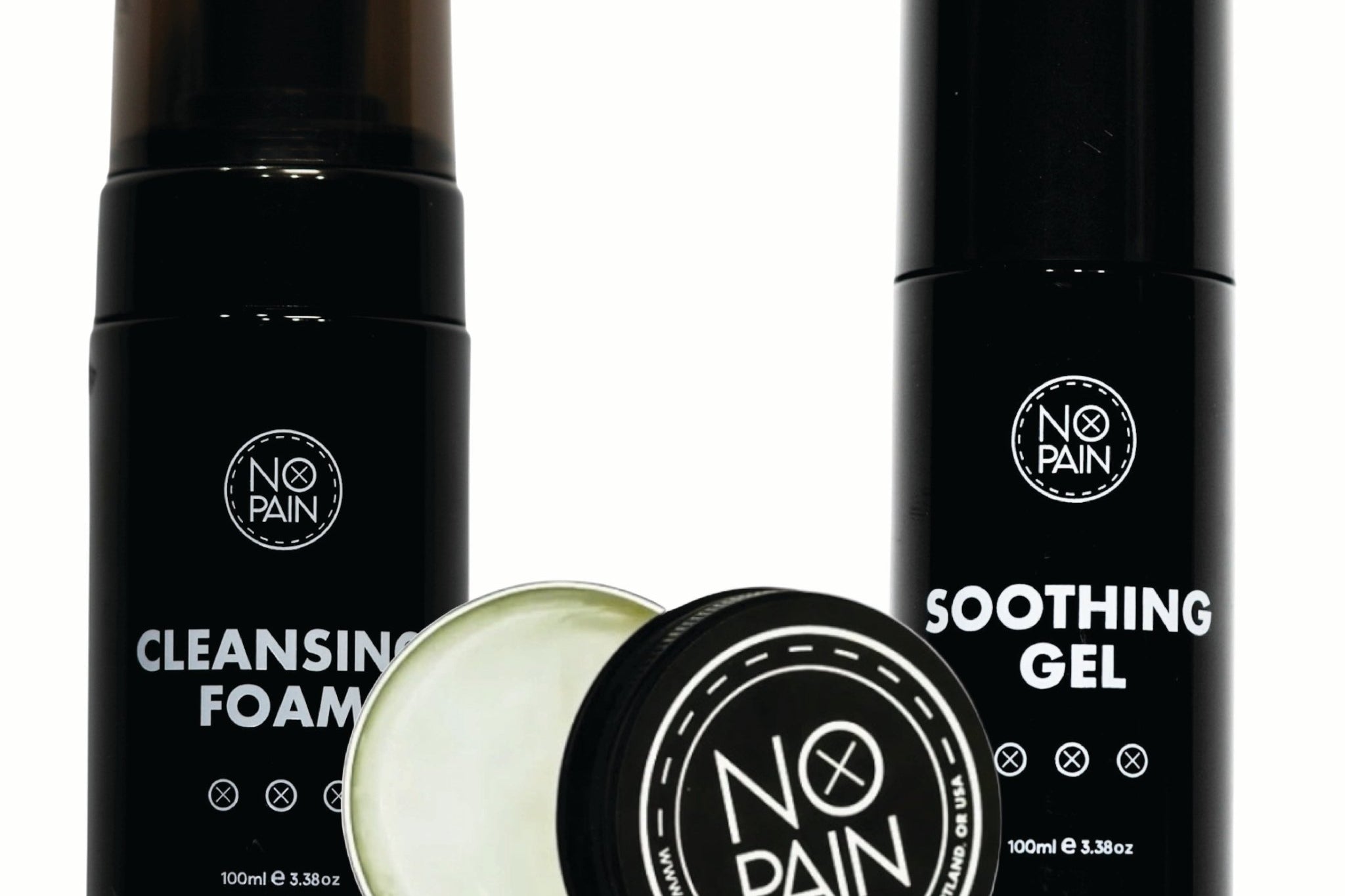
If you went open air from day one, soothing gel is the right product for the first few days (before the skin starts to peel). From day three onward, transition to a nourishing balm. If you used a wrap for the first week, apply gel in the first day or two after the wrap comes off, then switch to balm as the skin moves into the peeling and settling phase.
The Right Products for Either Method
Soothing gel for the first few days, nourishing balm from day three onward. Works for open-air healing from day one or as the post-wrap transition protocol when the film comes off.
Shop the Aftercare Bundle →Formulated at Historic Tattoo in Portland, Oregon. 100% money-back guarantee.
FAQ
Should I wrap my new tattoo or leave it open?
Both work. Wrapping with breathable adhesive film reduces maintenance and infection risk in the first week and produces less scabbing. Open-air healing gives you full visibility and works for any placement or skin type without adhesive risk. If your lifestyle makes consistent washing difficult in the first week, wrap healing is the more practical choice. If you can maintain a diligent open-air routine, that works equally well.
How long should I leave a tattoo wrap on?
If using breathable adhesive film, the standard protocol is 24 hours for the first layer, then a fresh layer for three to five more days. Do not use cling film (plastic wrap) for more than the first two to four hours after the session — it isn't breathable and traps heat and moisture in a way that's not suitable for extended healing.
Why does my tattoo wrap look full of fluid?
The fluid pooling under a breathable adhesive wrap is plasma — the same clear or slightly straw-colored weeping fluid that comes from any fresh wound. Under the wrap, it stays against the wound rather than weeping out, which is exactly what the moist-healing environment is designed to do. The pooling looks alarming but is completely normal. If the fluid becomes thick, cloudy, or discolored, that warrants closer inspection.
Can I use cling film to heal a tattoo?
Only for the initial covering in the first few hours after leaving the studio. Cling film is not breathable and traps heat and moisture in a way that can lead to bacterial growth if left on for extended periods. It's a functional emergency covering for getting home from the studio, not a healing method. If you want to wrap-heal beyond the first few hours, use a breathable adhesive film designed for wound healing.
What's the difference between tattoo wrap and second skin?
They are the same product category. "Second skin" is a common informal name for breathable adhesive tattoo film (sometimes sold as Saniderm, Tegaderm, or other brand names). Tattoo wrap is a broader term that can refer to any covering used during healing, including cling film for initial coverage. When people say "wrap healing" in a tattoo context, they typically mean using a breathable adhesive film for an extended healing period, not cling film.
Does wrapping a tattoo make it heal faster?
It produces a different type of heal. Moist wound healing under a breathable wrap typically produces less scabbing and allows the new epidermis to form more smoothly than open-air healing. Whether that counts as faster depends on what you're measuring: the surface can look healed sooner with wrap healing, but the total time for the dermis to fully stabilize (four to six weeks) is roughly the same regardless of method.