
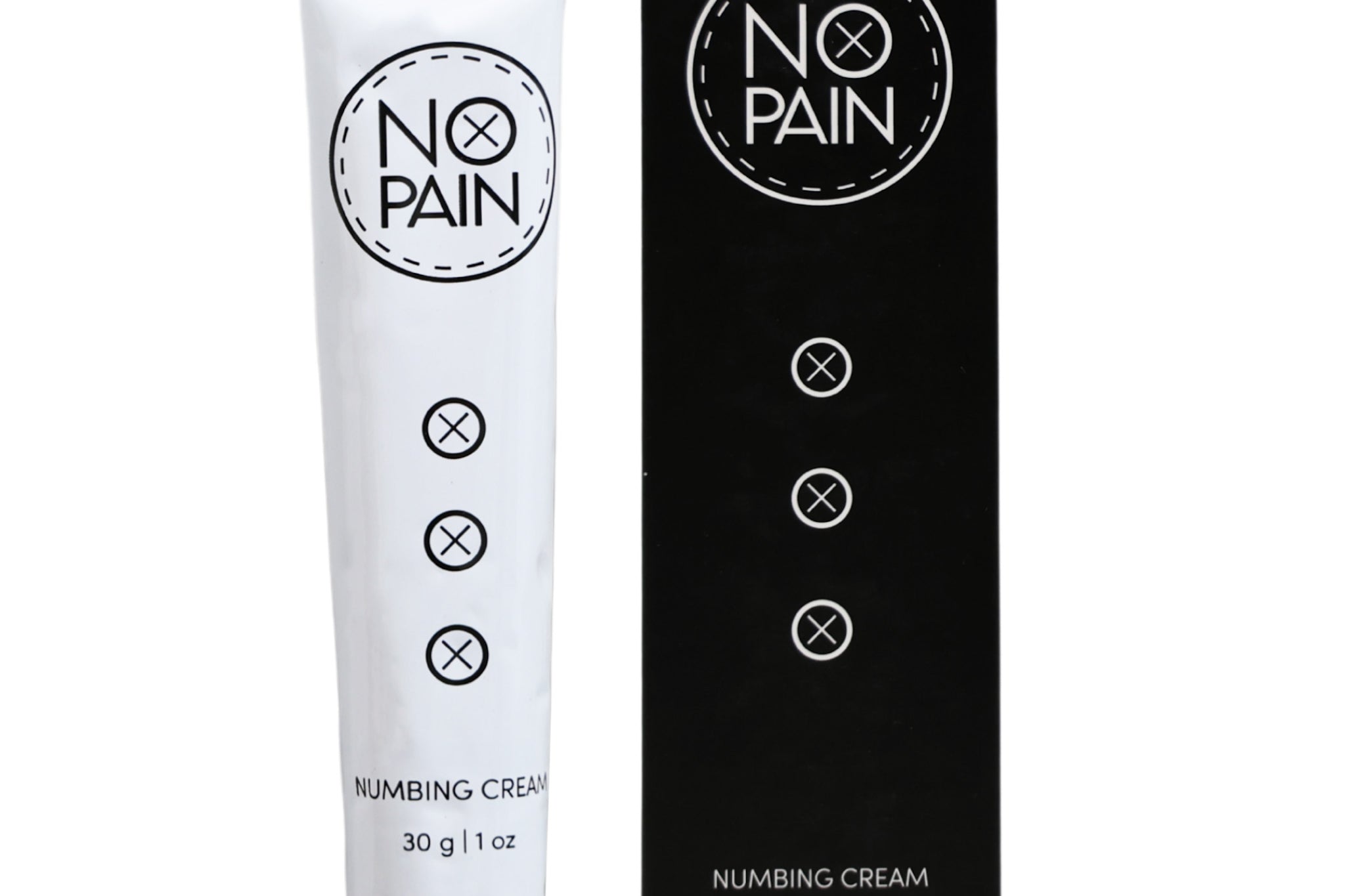

The short answer: the strongest tattoo numbing cream is maximum strength lidocaine in a thick, slow-absorbing base. Every FDA-compliant over-the-counter numbing cream uses the same lidocaine concentration - so the real question is not which cream has the most lidocaine, but which cream is formulated to deliver it effectively and keep working through a full session.
This post explains what "strength" actually means for topical anesthetics, why base formula matters more than the number on the label, what to avoid, and how to apply correctly to get the most out of what you buy. If you are still weighing whether numbing cream is worth using at all, Does Tattoo Numbing Cream Actually Work? covers that question directly.
In this article
- What "strength" actually means
- Why base formula is the real differentiator
- What to avoid
- How to apply for maximum effect
- Long sessions: when cream alone is not enough
- Frequently asked questions
What "Strength" Actually Means
Lidocaine is the active ingredient in every legitimate tattoo numbing cream. It works by blocking sodium channels in nerve endings, which stops pain signals from reaching the brain. At the concentrations available over the counter, lidocaine is safe, well-studied, and highly effective for surface-level tattoo pain.
Here is the thing that most product marketing obscures: OTC topical anesthetics are regulated. The maximum allowable lidocaine concentration for a non-prescription product is the same across every compliant product on the market. A cream that claims to be "extra strength" or "professional grade" at the same concentration as every other legal product is describing its marketing, not its chemistry.
What this means in practice: when you are comparing two compliant numbing creams, you are not comparing different amounts of lidocaine. You are comparing how well each product actually delivers that lidocaine into the skin - and how long the effect holds.
Why Base Formula Is the Real Differentiator
A numbing cream is not just lidocaine. It is lidocaine suspended in a base that controls how the active ingredient moves through the skin barrier. This is where most products diverge, and where it matters for tattooing specifically.
Thin, light creams absorb fast. Fast absorption sounds like a good thing, but it also means fast clearance - the lidocaine moves through the outer layers quickly, reaches the nerve endings, and then dissipates within 30 to 60 minutes of the wrap coming off. For a 90-minute tattoo that might be fine. For a three-hour session on the ribs or a full kneecap piece, the cream is wearing off before the artist is halfway done.
A thicker base absorbs more slowly and steadily. The lidocaine works into the skin over the full 90-minute application window rather than rushing in and washing out. The effect lasts longer into the session, and the skin stays more consistently numb through the initial outlines and the shading passes that follow.
No Pain Tattoo Numbing Cream was formulated specifically around this problem. The base is thick and slow-absorbing - not watery, not greasy, but dense enough to hold the lidocaine at the skin surface while it absorbs gradually. It was developed at Historic Tattoo in Portland across real sessions on real clients, with the explicit goal of lasting through longer work rather than just numbing the first 20 minutes.

Maximum strength lidocaine in a thick, slow-absorbing base that lasts longer than thin creams. Apply under cling film 90 minutes before your session. Formulated at Historic Tattoo in Portland across real tattoo sessions.
What to Avoid
Some products online claim lidocaine concentrations well above the OTC limit - 10%, 15%, 20%, sometimes higher. These are not stronger. They are illegal for sale in the US without a prescription, which means they are either mislabeled, manufactured outside FDA oversight, or both. High-concentration topical lidocaine applied to a large skin area carries real risks: systemic lidocaine toxicity, cardiac effects, and skin reactions. The FDA has issued warnings on several products in this category.
The other category to avoid is numbing creams that do not disclose the active ingredient, or that list proprietary "herbal" or "natural" blends without a verified anesthetic mechanism. Lidocaine works. Most alternatives do not, or have not been tested in tattooing contexts.
Stick with products that list lidocaine as the active ingredient, show the concentration clearly, and have a track record in real tattoo studios.
"We spent years watching clients walk in with pharmacy creams that wore off in the first hour. The formulation problem is real. A thicker base is not a marketing choice - it is the whole point of developing a product specifically for tattooing."
Michael Hollman, founder of No Pain Tattoo / Historic Tattoo, Portland
How to Apply for Maximum Effect
The cream does the work, but application determines how much of that work actually reaches your nerve endings. Follow all of these steps. Skipping or shortcutting any of them is the main reason people say numbing cream did not work.
90 minutes before your appointment: Wash the area with soap and water and dry it completely. Any lotion, oil, or product on the skin surface creates a barrier that slows absorption.
Apply a thick layer: Do not rub the cream in. Lay it on in a thick, even coat across the full tattoo area and a small margin around it. You should not be able to see the skin through the cream.
Wrap with cling film: Cover the cream completely with plastic wrap and press it into full contact with the skin. The wrap traps body heat, which opens the skin slightly and drives absorption. It also prevents the cream from drying out and losing contact with the surface. Secure the edges so it stays in place.
Leave it on for the full 90 minutes: The first 30 minutes begin the absorption process. The following 60 minutes deepen it. Removing the wrap at 45 minutes gives you a fraction of the effect. Leave it until you are at the studio and your artist is ready to start.
Let your artist wipe and prep as normal: The cream comes off cleanly. The numbing effect is in the skin, not the cream itself, so the wipe-off does not end the numbing.
Long Sessions: When Cream Alone Is Not Enough
Pre-session numbing cream is applied before the needle touches skin. Once the session starts and the skin is broken, the cream's mechanism changes - the outer skin barrier is disrupted, and a pre-session cream cannot be reapplied to open skin effectively.
For sessions running longer than two to three hours, or for placements like the ribs, spine, or full kneecap where the cream starts fading before the work is done, a numbing spray applied mid-session is the answer. The spray is formulated for broken skin and can be applied directly by your artist while they work, without stopping the session or disturbing the stencil.
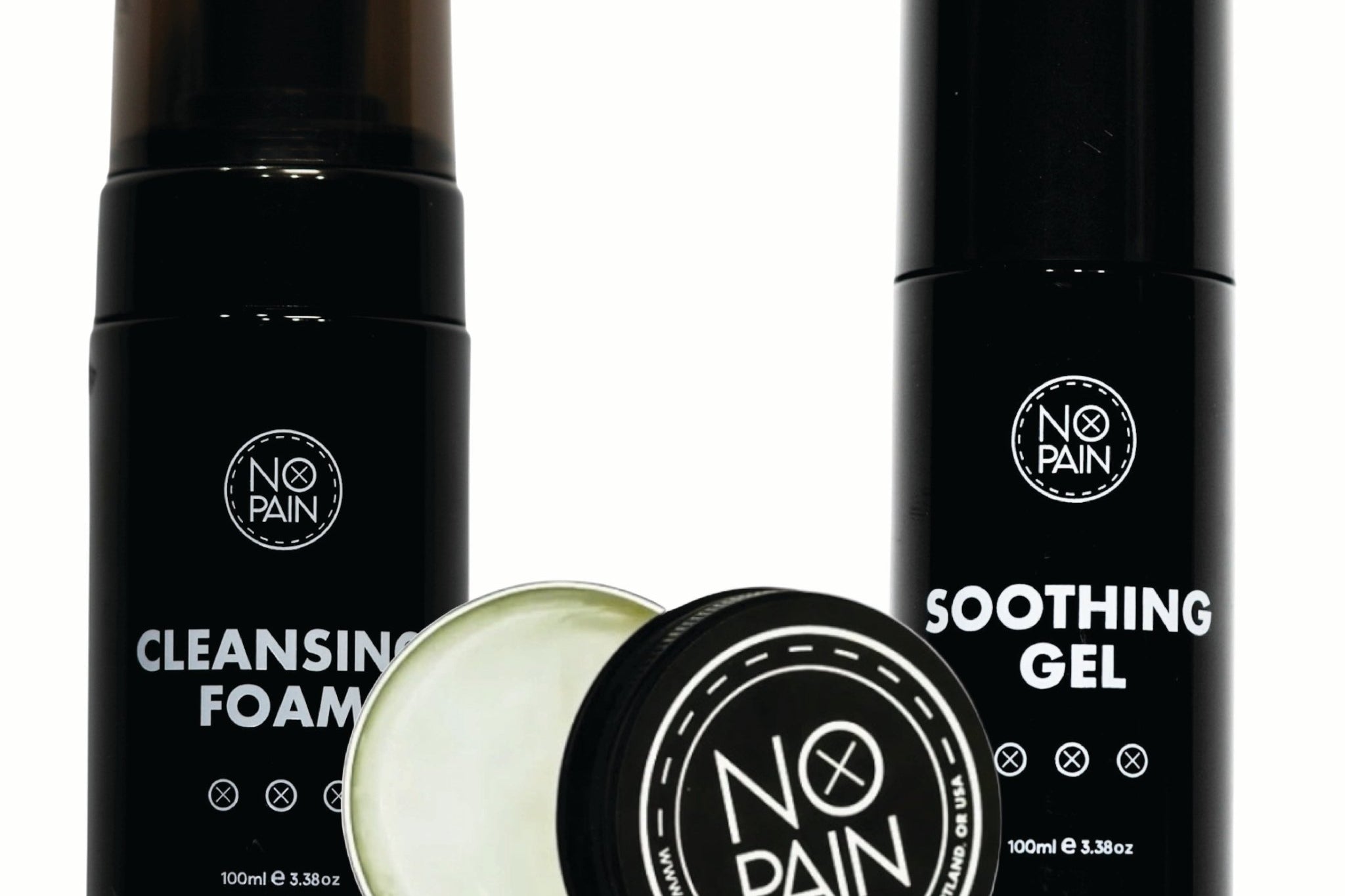
The Comfort Bundle pairs the cream for pre-session coverage with the spray for mid-session top-up. If you are planning a session over two hours, this is the setup that keeps you numb through the shading passes at the end - which is when most people say the cream wore off and the real pain started.

Pre-session cream plus numbing spray your artist applies mid-session on broken skin. Keeps you numb from the first outline through the final shading pass. Formulated at Historic Tattoo in Portland.
Frequently asked questions
What is the strongest tattoo numbing cream available?
The strongest tattoo numbing cream is one that combines maximum strength lidocaine with a base formula designed to deliver it effectively and keep it working through a session. All FDA-compliant OTC numbing creams use the same maximum lidocaine concentration - the difference between products comes down to how well the base formula absorbs into the skin and how long the numbing effect holds. No Pain Tattoo Numbing Cream uses a thick, slow-absorbing base developed specifically for tattooing, which extends the effective window compared to thinner creams that burn through faster.
Do stronger numbing creams with higher lidocaine percentages work better?
No, and they can be dangerous. Products claiming 10%, 15%, or 20% lidocaine are not compliant with US OTC regulations, which means they are either mislabeled or manufactured without FDA oversight. Applying high-concentration lidocaine over a large skin area carries real risks - systemic absorption, cardiac effects, and skin reactions. The FDA has issued formal warnings about these products. A properly formulated cream at the legal maximum concentration, applied correctly with cling film for 90 minutes, outperforms a sketchy high-percentage product applied carelessly. Formulation and technique beat raw concentration.
How long does tattoo numbing cream last?
A well-formulated cream applied correctly lasts two to four hours from the point the wrap comes off. The first hour of the session is typically when numbing is strongest. After two hours, most people feel the effect starting to thin. For sessions over two to three hours, a mid-session numbing spray applied by your artist on broken skin extends coverage through the later passes. The Comfort Bundle includes both the cream and the spray for this reason.
Can I use any lidocaine cream from the pharmacy?
Pharmacy lidocaine creams - products sold for minor cuts, burns, or insect bites - will produce some numbing, but they are not formulated for tattooing. Their bases are typically lighter, designed for fast surface relief rather than sustained deep absorption. The effect tends to wear off faster, and some formulas leave a residue that artists have to work around. A cream developed specifically for tattoo sessions will hold longer and wipe cleanly. That said, a pharmacy cream is better than nothing if that is what you have access to - just apply it correctly with cling film for the full 90 minutes.
Does numbing cream work on all body parts?
It works well on most placements. The best results are on areas where the skin is thin enough for good lidocaine absorption and the surface is flat enough to wrap securely - ribs, spine, chest, collarbone, forearm, inner bicep, shin, kneecap. Thicker-skinned areas like the palm or the sole of the foot absorb more slowly, so the effect is reduced but still present. Very curved or hard-to-wrap areas like the back of the knee or between the fingers are harder to wrap effectively, but any coverage is better than none. The placement and pain guide covers what to expect for each zone.
Can numbing cream affect the ink or how the tattoo heals?
When applied and removed correctly, no. The lidocaine works at the nerve ending level in the dermis - it does not affect how ink sits in the skin or how the skin heals after. Some creams with greasy or oil-based formulas can make the skin surface slick and harder for artists to work on, which is why a clean-wiping cream matters. No Pain Tattoo Numbing Cream wipes off cleanly and does not leave residue. Some artists who have not worked with quality numbing cream before may push back based on experiences with inferior products - it is worth having a conversation before your appointment rather than assuming it will be an issue.
The Right Cream. Applied Right. Lasts.
Maximum strength lidocaine in a thick, slow-absorbing base. Developed at Historic Tattoo in Portland across real sessions. Apply under cling film for 90 minutes and feel the difference through the full session.
Shop Numbing Cream →Formulated at Historic Tattoo in Portland, Oregon.