

Tattoo ink isn't automatically vegan. Standard inks often contain animal-derived ingredients that most people have never thought about, and the same is true for much of the aftercare applied immediately after your session. If you're vegan, both sides of the equation matter.
In this guide
- What standard tattoo ink actually contains
- What makes ink vegan
- The aftercare problem
- Finding a vegan-friendly studio
- Does vegan ink perform differently?
- FAQ
What standard tattoo ink actually contains
Tattoo ink is made up of two main components: pigment (the color) and a carrier solution that suspends the pigment and helps deliver it into the skin. Both can contain animal-derived ingredients.
In the pigment: Black inks historically used bone char — charred animal bones — as a carbon pigment source. While many modern black inks have shifted to carbon black (a synthetic alternative), bone char is still used by some manufacturers. Some white and colored pigments use shellac, a resin secreted by the lac bug, as a binding agent.
In the carrier: Glycerin is one of the most common carrier ingredients, and most industrial glycerin is tallow-derived (rendered animal fat). Plant-based glycerin exists and is used in some formulations, but it's not the default. Lanolin (wool wax) and gelatin-derived stabilizers also appear in some inks.
Ink manufacturers are not universally required to disclose ingredients, which makes this harder to verify than it should be.
What makes ink vegan
Vegan tattoo inks replace animal-derived components with plant-based or synthetic alternatives:
- Carbon black or plant-derived charcoal instead of bone char for black pigments
- Plant-based glycerin (derived from vegetable oils) as the carrier
- Synthetic binders instead of shellac or gelatin
Several brands now market explicitly vegan ink lines. Dynamic Color, Eternal Ink, and World Famous Ink have vegan-certified product lines, though not all inks in their catalogues may qualify. Asking your artist specifically which ink line they use and whether it carries vegan certification is the only reliable way to know what's going into your skin.
The aftercare problem
Many standard tattoo aftercare products contain animal-derived ingredients. Lanolin (from wool) appears in balms and ointments marketed for tattoo healing. Beeswax is common in thicker aftercare creams. Some foaming cleansers contain glycerin from animal sources.
If you've specifically requested vegan ink at the studio, confirm that the aftercare applied immediately after the session is also vegan-friendly. Some studios apply a standard petroleum-based ointment or lanolin-heavy balm before you leave — worth checking and having a conversation about in advance.
For your at-home routine, look for products that clearly list their glycerin source and don't include lanolin, beeswax, or gelatin. The ingredient list is always the authoritative source.
A Clean Aftercare Routine
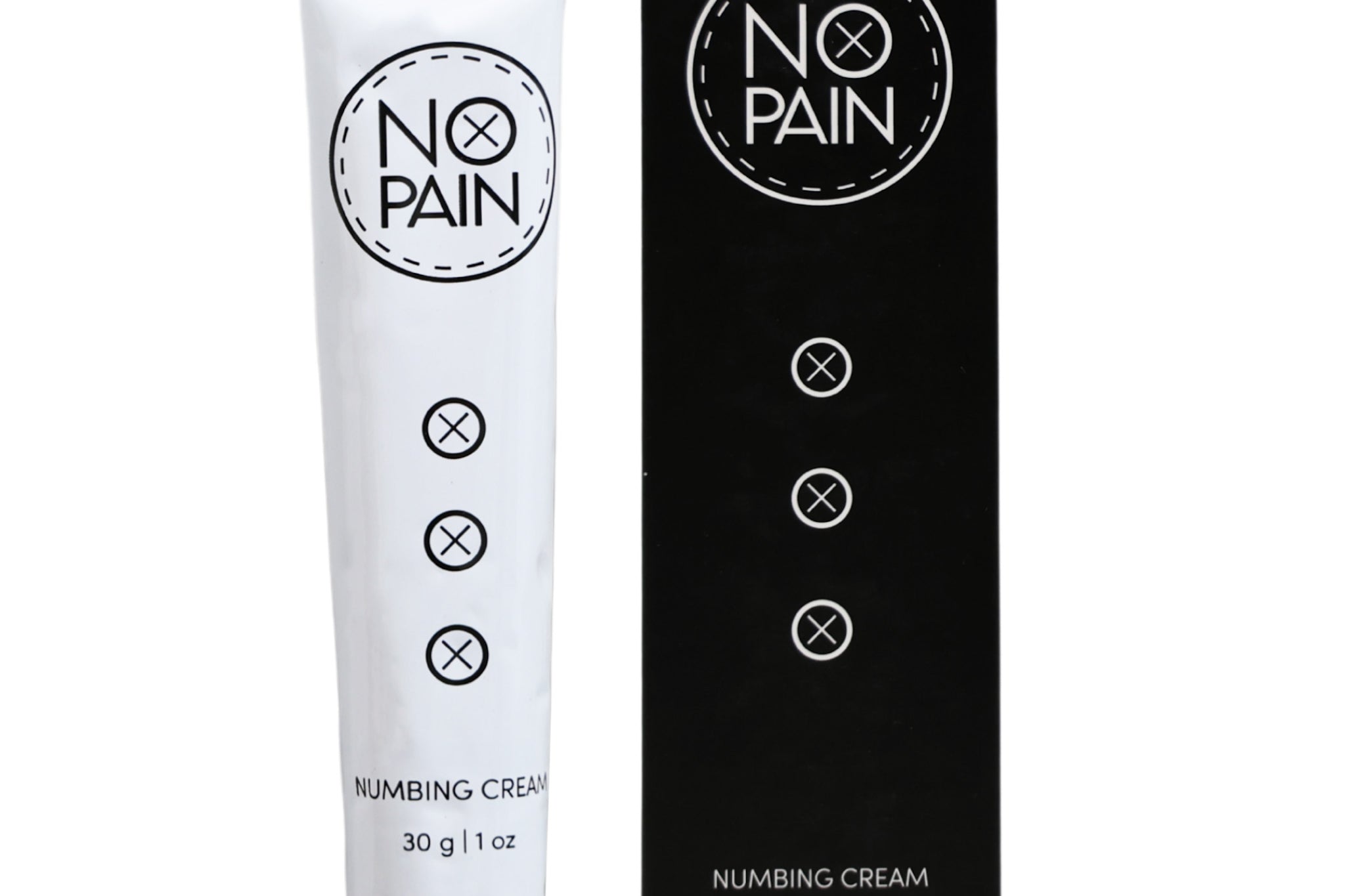
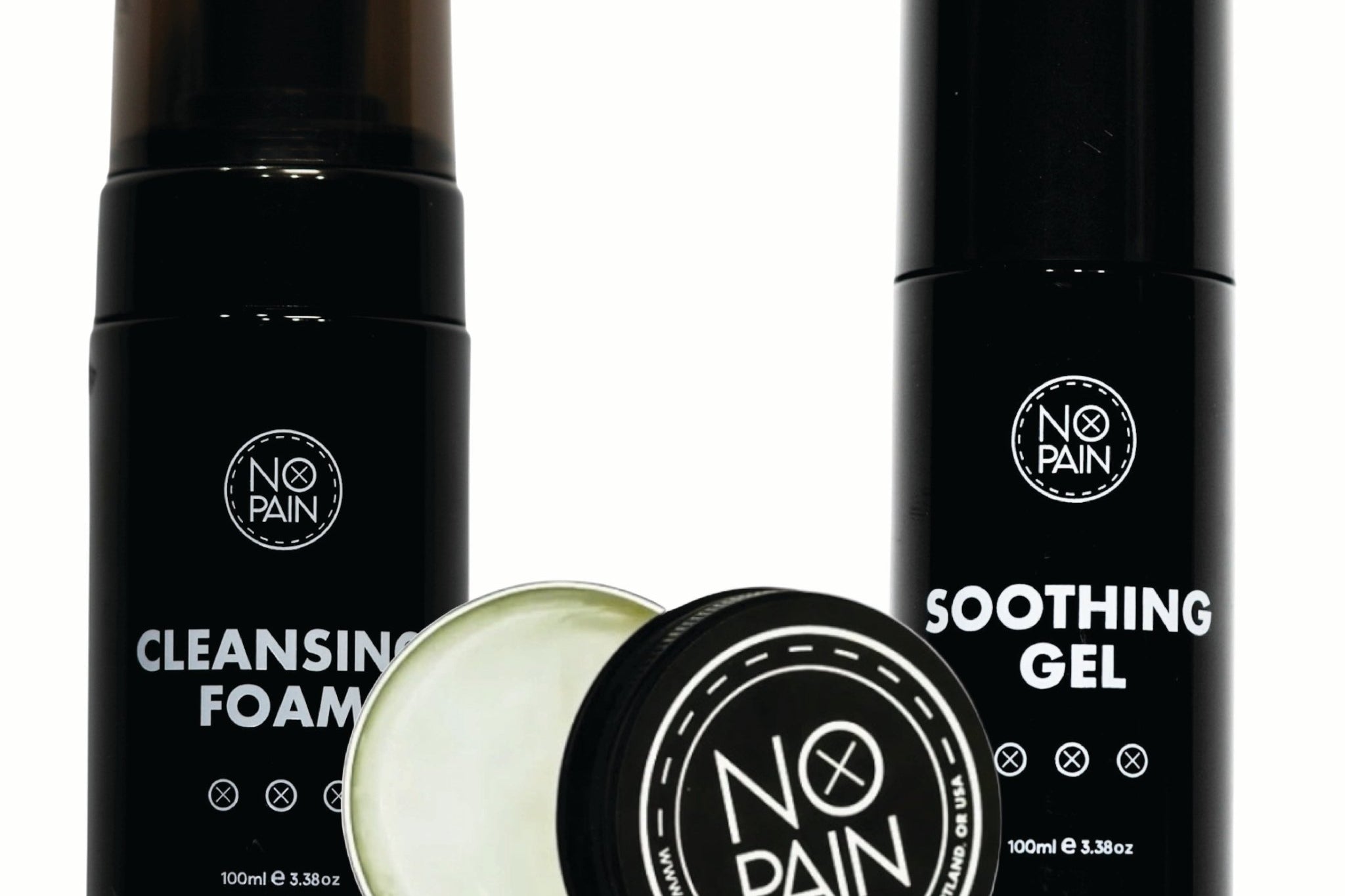
The No Pain Tattoo Aftercare Bundle covers the full healing window: soothing gel for Days 1 to 3 and aftercare balm from Day 3 onward, with cleansing foam for daily washing. Check the full ingredients list on each product page to confirm it meets your standards before purchasing.
Shop the Aftercare Bundle →Formulated at Historic Tattoo in Portland, Oregon. 100% money-back guarantee.
Finding a vegan-friendly studio
Vegan-certified studios exist in most major cities, and the number is growing. When researching studios, look for ones that explicitly list the ink brands they use and can tell you which specific lines are vegan-certified. Questions worth asking before you book:
- What ink brands and lines do you use? Are they vegan-certified?
- What aftercare product do you apply before I leave?
- Do you use latex gloves? (Nitrile is the vegan alternative.)
- Are your stencil transfer products vegan?
Does vegan ink perform differently?
In the hands of a skilled artist, vegan inks perform comparably to conventional inks. The chemistry of modern vegan formulations has improved considerably over the last decade. Some artists actually prefer vegan-certified inks because stricter manufacturing standards often mean fewer irritants and contaminants overall.
Older or lower-quality vegan inks sometimes had consistency issues — pigment settling faster or unexpected viscosity. This is less of a concern with established brands that produce certified vegan lines specifically for professional use. Ask your artist about their experience with the specific products they're using.
FAQ
Is all tattoo ink vegan?
No. Standard tattoo inks commonly contain animal-derived ingredients including bone char (in some black pigments), glycerin from animal fat, shellac from lac bugs, and lanolin. Vegan inks replace these with plant-based or synthetic alternatives. Not all inks are labeled clearly, so asking your artist about the specific brand and product line they use is the only reliable way to verify.
Which tattoo ink brands are vegan?
Several brands produce vegan-certified ink lines, including Dynamic Color, Eternal Ink, World Famous Ink, and Intenze, though not every product in their catalogues may be certified. Certification status can change as formulations are updated, so checking directly with the manufacturer or the studio using the ink is more reliable than any general list.
Can you get a vegan tattoo at any studio?
Many studios can accommodate vegan requests if given advance notice, particularly for ink brand choice. However, vegan inks aren't carried by every studio, and some may need to order them specifically. Studios that consistently serve vegan clients tend to have certified ink lines already stocked and can confirm their in-studio aftercare product choices too.
Does vegan tattoo ink fade faster?
Properly formulated vegan inks from established brands don't fade faster than conventional inks. Early-generation vegan inks sometimes had stability concerns, but current certified products from professional brands perform comparably in terms of longevity and color retention. Fading is far more influenced by aftercare quality, sun exposure, ink depth, and placement than by whether the ink is vegan-certified.
Is tattoo aftercare usually vegan?
Not automatically. Common aftercare products often contain lanolin (wool wax), beeswax, or animal-derived glycerin. If using vegan aftercare matters to you, check the ingredient list of every product in your routine rather than assuming. Some studios apply non-vegan products by default after the session, so it's worth asking before you leave the chair.
Are tattoo needles vegan?
Standard stainless steel tattoo needles are vegan. The main concern for vegan clients is the ink, the carrier solution, and the aftercare products — not the needles. Latex gloves are the other common consideration; nitrile gloves are a vegan alternative that most studios can use on request.