



Fall and winter are popular months for getting tattooed. Less sun exposure, more clothing coverage, no beach trips to avoid — the seasonal conditions are legitimately good for healing. But cold weather introduces its own challenge: dryness. And a healing tattoo's biggest enemy, after the sun, is skin that isn't getting adequate moisture.
Here's how to manage a winter heal correctly.
In this guide
- Why winter is a good time to get tattooed
- The main challenge: dryness
- Your winter aftercare routine
- Clothing and protection
- Indoor heating and humidity
- FAQ
Why winter is a good time to get tattooed
Sun exposure is the single biggest environmental threat to a healing tattoo. UV radiation breaks down the pigment in the dermis and disrupts the skin's healing response. In winter, sun exposure is reduced naturally — you're wearing more clothing, the days are shorter, and the sun is at a lower angle. A tattoo on your arm or leg is likely covered by a sleeve or pants for the full healing window without any extra effort on your part.
Sweat is also a factor in summer healing. Moisture trapped against fresh skin can cause irritation and slow the process. In cold weather that's not a concern.
There are no seasonal prohibitions on activities like swimming in the winter the way there are in summer. The healing environment is, in several respects, more controllable.
The main challenge: dryness
Cold air holds less moisture than warm air. When you add indoor heating — which pulls additional humidity out of the air — the environment actively desiccates your skin. A healing tattoo that's already managing a repair process has reduced capacity to maintain moisture on its own.
The result of inadequate moisture during healing is heavy scabbing. Heavy scabs don't just look bad — they take ink with them when they release. Scabs that crack and lift prematurely leave patchy, faded areas in the finished tattoo. The entire problem is preventable with more attentive moisturizing than you'd need in summer.
Your winter aftercare routine
The core routine is the same as any other season, but with increased emphasis on moisture at every step.
Cleanse gently. Wash the tattoo twice daily with a gentle, fragrance-free cleanser — not a harsh soap that strips the skin's natural oils. The skin is already fighting the drying effects of winter air; washing with something aggressive compounds the problem. Foam cleansers formulated for tattoos are ideal because they're effective without being drying.
Moisturize more than you think you need to. A thin lotion that works fine in summer may not be enough in winter — it evaporates too quickly in dry air to maintain adequate moisture throughout the day. A more concentrated balm or butter formula creates a longer-lasting protective barrier and provides deeper hydration to skin that's working harder against the environment.
In winter, applying balm two to three times daily rather than once is the appropriate adjustment. The standard indicator is the same: the skin should feel comfortable and flexible, never tight, dry, or cracking.
Aftercare Built for Dry Conditions
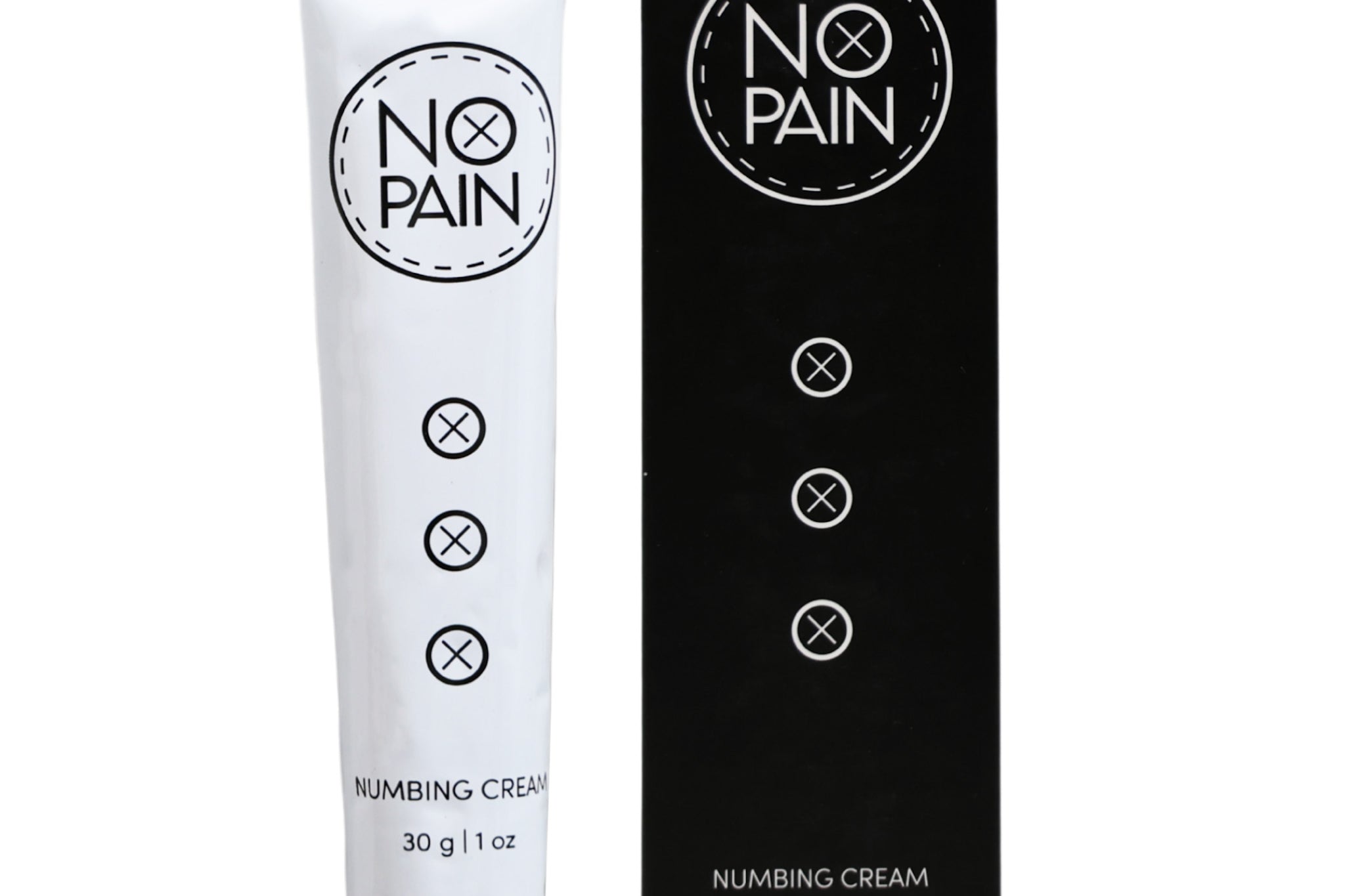
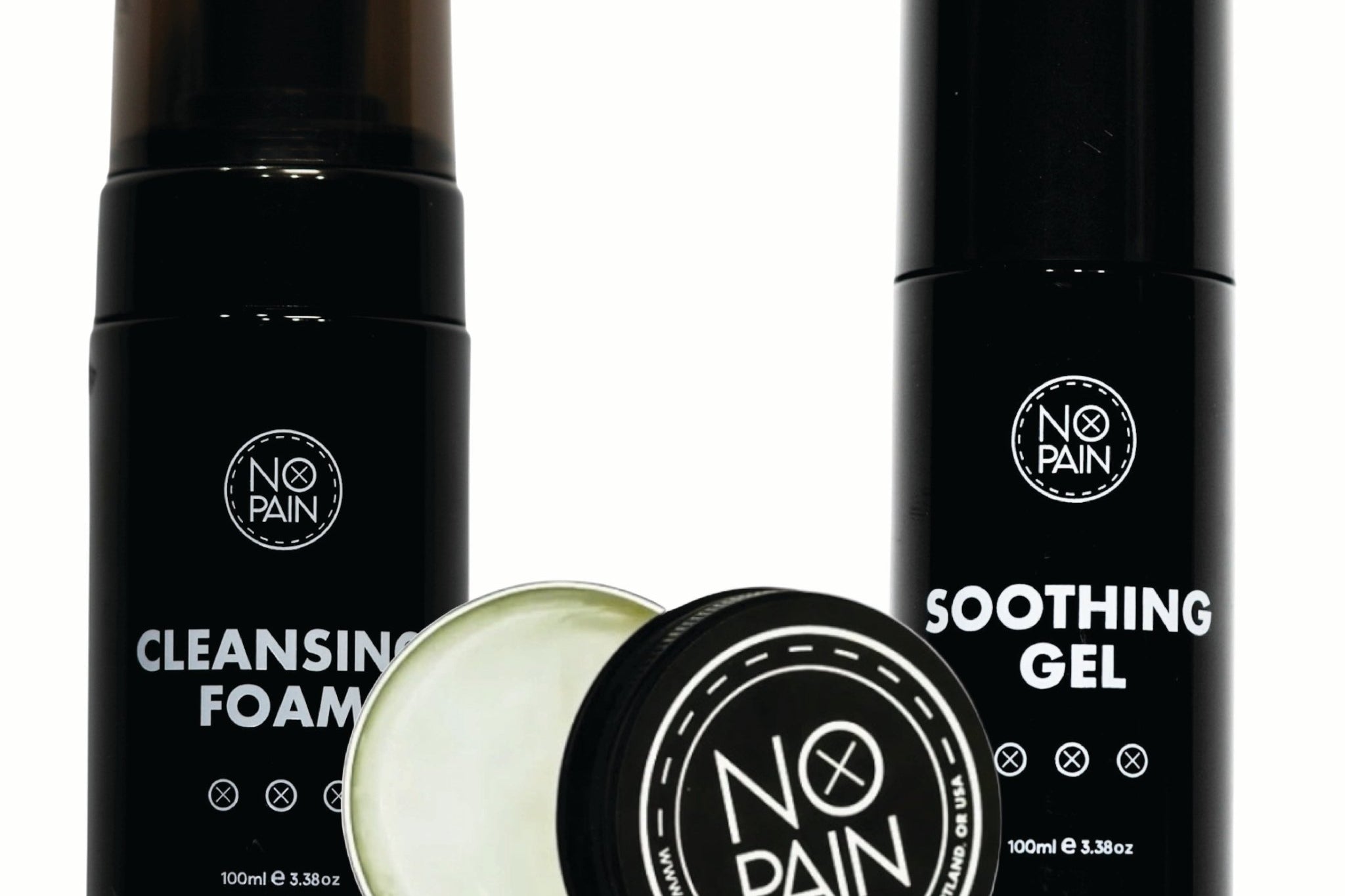
The Aftercare Bundle includes cleansing foam for gentle daily washing, soothing gel for the first few days, and a concentrated aftercare balm from day three onward that holds up against dry winter air. Everything your heal needs, no sourcing required.
Shop the Aftercare Bundle →Formulated at Historic Tattoo in Portland, Oregon. 100% money-back guarantee.
Clothing and protection
Winter layers protect a healing tattoo from sun exposure without you having to do anything extra. But they introduce their own issue: friction. Rough fabrics — wool, textured synthetics — rubbing repeatedly against fresh skin can irritate the healing area and disrupt scabs.
For the first two to three weeks, try to have the layer in direct contact with the tattoo be a soft, smooth fabric: cotton or a soft thermal layer. This is especially relevant for tattoos on the back, ribs, or anywhere clothing fits closely. If you're wearing a coat or heavy sweater, a lightweight cotton underlayer between the skin and the rough fabric makes a meaningful difference.
Indoor heating and humidity
Forced-air heating and wood stoves dry out indoor air significantly. If you're in a centrally heated space for most of the day — an office, your home — the air you're in can be drier than outdoor winter air.
A room humidifier near where you sleep is the most effective simple intervention. Even a small increase in indoor humidity reduces the moisture your skin has to maintain on its own. It also just makes winter more comfortable generally. This isn't a tattoo-specific purchase — it pays off across the whole season — but it's particularly useful during the two to three weeks of healing.
FAQ
Is winter a good time to get a tattoo?
Yes — for most people, fall and winter are genuinely good seasons for getting tattooed. Reduced sun exposure, natural clothing coverage, and no swimming temptations make the external healing environment more manageable. The one consideration to prepare for is increased dryness, which requires more attentive moisturizing than summer healing.
Does cold weather affect tattoo healing?
Cold weather itself doesn't slow healing — but the dryness that comes with cold weather does if you don't compensate. Dry air pulls moisture from healing skin, which can lead to heavy scabbing and cracking. The fix is consistent, adequate moisturizing: more frequent balm application and gentle cleansing that doesn't strip the skin's natural oils.
How often should I moisturize a tattoo in winter?
More often than in summer. In summer, once or twice a day is often enough. In a dry winter environment, applying balm two to three times daily is appropriate. The indicator is simple: if the skin feels tight, dry, or uncomfortable, it needs moisture. Apply enough to keep it feeling flexible and comfortable throughout the day.
What should I put on a tattoo in cold weather?
A concentrated, fragrance-free balm or butter formula performs better in cold, dry conditions than a thin water-based lotion. Lighter lotions evaporate too quickly to maintain moisture through the day when the air is dry. After the first few days, an aftercare balm applied generously two to three times a day is the appropriate winter approach.
Can you get a tattoo in winter if you'll be wearing heavy clothing over it?
Yes, with one adjustment: make sure the layer in direct contact with the healing tattoo is a soft, smooth fabric. Rough wool or heavy textured synthetics rubbing repeatedly against fresh skin can cause irritation and disrupt healing scabs. A soft cotton underlayer between the tattoo and any rough outer layer solves this.