


Most tattoo regrets are not about the tattoo itself. They are about the decisions made before sitting in the chair: choosing the wrong artist, rushing the design, picking the wrong placement, or skipping the prep steps that would have made the session and the heal go smoothly. Here are the ten regrets that come up most often, and what to do about each one before you book.
In this article
Before You Book
1. Not researching the artist enough
This is the most common regret in tattooing, and the most preventable. A great design executed by the wrong artist produces a bad tattoo. Artists specialize. A realism artist and a traditional artist have almost nothing in common technically. Booking whoever has the earliest availability, or whoever came up first in a search, is the fastest route to a piece you will want to cover up in five years.
The right process: identify the style you want first, then search for artists who specialize in that style. Look at healed work, not just fresh tattoos fresh from the session look their best. Ask for healed photos before committing. Read reviews that mention how the artist communicated, not just the end result. Take time on this step. The design can be refined in the consultation. The artist cannot be changed once you are in the chair.
2. Going cheap
"Good tattoos aren't cheap, and cheap tattoos aren't good" has been repeated in every tattoo shop for decades because it is accurate. A tattoo is a permanent piece of custom artwork produced by a skilled professional. The price difference between a $200 and a $500 tattoo is real, and it shows in the quality of the linework, the saturation of the ink, and how the piece holds up over time.
Bargain hunting for a tattoo is the equivalent of bargain hunting for surgery. It is on your body forever. Save the money, wait until you can afford the artist you actually want, and book that person.
3. Rushing the decision
Walk-in appointments and impulse tattoos occasionally produce great results, but they produce more regrets than any other category of tattoo decision. The design you are certain about on a Saturday afternoon is sometimes the one you are uncertain about by Wednesday. A design you have wanted for two years is rarely the one you regret.
If you are considering a tattoo on impulse, put it in a folder on your phone. Come back to it in three months. If you still want it exactly as you pictured it, book the consultation. If you have changed it twelve times in your head, keep thinking.
Design and Placement
4. Choosing a trendy design
Every decade produces tattoo trends that look dated ten years later. Tribal armbands, lower back pieces, infinity symbols, ultra-fine-line minimalism: each had its moment, and each now reads as a product of a specific era rather than an individual statement. This does not mean avoiding any style that happens to be popular, but it does mean asking whether you are drawn to a design because it speaks to you or because you have seen it constantly in the past year.
Designs rooted in personal meaning, specific artistic styles you have genuinely loved for years, or references to things that matter to you personally tend to age better than designs you chose because they were everywhere at the time.
5. Ignoring placement implications
Placement affects more than visibility. It affects pain level, how well the tattoo heals, how the design ages, and in some cases, professional and social implications you may not have fully considered at the time of booking.
Hands, necks, and faces remain challenging placements for professional contexts in many industries. High-friction areas like fingers and feet produce faster fading and require more frequent touch-ups. Highly visible placements mean people will ask about your tattoo in every social context for the rest of your life. These are not reasons to avoid any particular placement, but they are factors worth thinking through before committing. Placement decisions are much harder to change than design decisions.
6. Getting the size wrong
Size is the most common design regret after choice of artist. Tattoos that are too small for the detail in the design heal poorly as the fine lines bleed together over time, and the piece often needs a rework within a few years. Tattoos that are too large for what was intended can feel overwhelming on the body.
Trust your artist's size recommendation. A good artist will tell you when a design will not hold at the scale you are requesting. If they say the fine lettering will bleed at 2 inches, they are right. The consultation is the time to have that conversation, not after the stencil is applied.
The Session
7. Not eating before the appointment
Tattooing puts the body under real physical stress. Without adequate fuel, blood sugar drops during the session, and the result can be dizziness, lightheadedness, nausea, or fainting. These are not rare events in tattoo shops. They happen regularly, especially during longer sessions or when the client skipped a meal and had only coffee.
Eat a full, balanced meal one to two hours before your appointment. Bring a snack for sessions longer than two hours. Avoid alcohol the night before. The difference in how you feel during a session with proper fuel vs. without it is substantial, and it affects how well you sit, which in turn affects the quality of the work.
8. Not using numbing cream
Most people who skip numbing cream do so because they did not know it was an option, or they assumed it would not work, or they felt like "toughing it out" was part of the experience. None of these reasons hold up well in retrospect when you are eight hours into a large piece and the adrenaline wore off three hours ago.
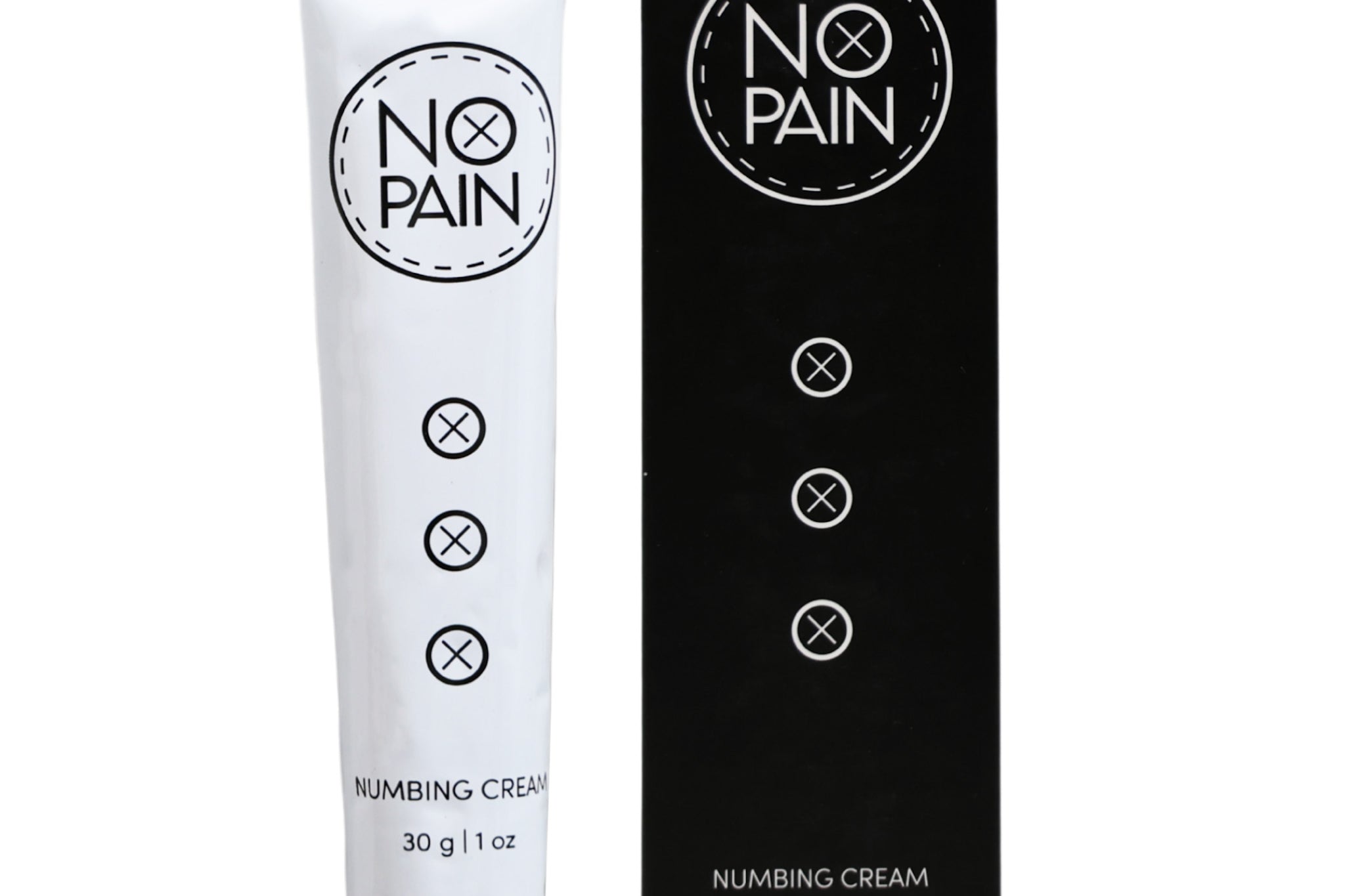
Maximum strength numbing cream applied correctly, with a two-coat method under cling film for 90 to 120 minutes before your appointment, takes the sharp edge off the pain without affecting how the ink goes in. It does not make the session painless, but it makes it manageable. For longer sessions, having a numbing spray the artist can apply between passes extends the window further. More comfortable clients sit better, which means the artist can do better work.

A thick, slow-absorbing formula that stays active longer than thin creams. Apply two coats under cling film 90 to 120 minutes before your appointment. Works on intact skin before the session starts.
The Heal
9. Using the wrong products for aftercare
The tattoo artist's job ends when you walk out the door. What happens to the ink over the next four to six weeks depends entirely on how you treat the skin. A heavily fragranced body lotion irritates the healing epidermis and can pull ink during the peeling phase. Petroleum-based ointments applied too thickly suffocate the skin and cause bubbling. Picking at the peel removes ink that has not yet set in the dermis.
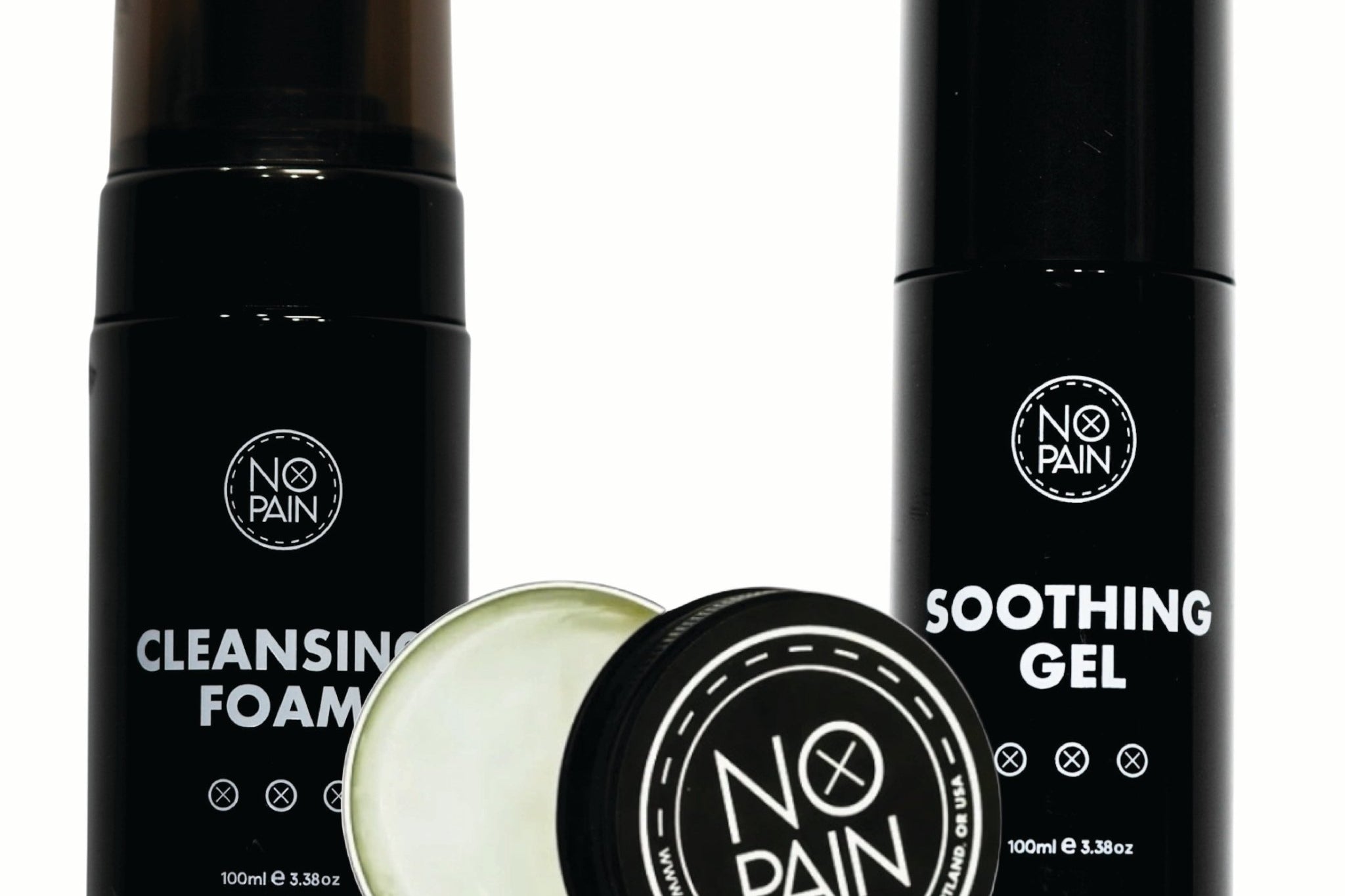
A proper two-phase protocol: a lightweight soothing gel for the first two to three days while the wound is still closing, then a nourishing balm from day two or three onward through the full four to six week heal. No petroleum products. No fragrances. No scrubbing. No soaking. These are not complex rules, but skipping them leads to thick scabbing, ink loss, and a healed piece that looks worse than it should.
10. Panicking during the milky phase
Around week two, a freshly healed tattoo goes through what artists call the milky phase. The new layer of epidermis forming over the ink scatters light differently than mature skin, making the tattoo look cloudy, washed-out, or faded. This is not fading. The ink in the dermis has not moved. It is a visual effect of the healing skin, and it resolves as the new epidermis matures over the following two to four weeks.
The regret this causes comes from people who see their tattoo looking dull at week two and assume the artist did something wrong, or that the aftercare failed, or that they need a touch-up. Most touch-up requests made at the two-week mark are premature. Wait until the tattoo has been fully healed for at least four to six weeks before assessing whether it needs work, and three months for complex or colored pieces.
Frequently asked questions
What is the most common tattoo regret?
Choice of artist is the most commonly cited regret across tattoo communities. Followed closely by placement decisions (usually too visible or too high-friction for the design), size errors (too small for the detail level), and rushing the design without giving it enough time to be certain. Aftercare failures come up frequently as well, usually from using the wrong products in the first two weeks of healing.
How do you avoid regretting a tattoo design?
Time is the most reliable filter. If you have wanted the same design in the same placement for a year or more, you are unlikely to regret it. If the idea came to you recently and you feel urgency to get it done immediately, wait three months and see how you feel. Designs that feel just as right three months later were probably right. Designs you have already revised multiple times in your head may need more time. Consulting with a skilled artist during that waiting period also helps: a good artist will tell you if the design works at the scale and placement you want.
Can you fix a tattoo you regret?
Often yes, depending on what went wrong. Design regrets can be addressed with a rework (artist redesigns sections) or a cover-up (new design over the old). Color corrections are possible in some cases. Laser lightening can reduce a dark or dense tattoo enough to make cover-up options viable. Placement regrets are harder to address since the tattoo cannot be moved, though lightening and cover-ups apply. The earlier you address a regret, the more options are available before the piece has accumulated more ink through touch-ups.
Is it normal to regret a tattoo right after getting it?
Mild post-session anxiety is common and has a name in tattoo communities: tattoo regret drop. The adrenaline and excitement of the session wears off, the design looks raw and swollen rather than polished, and the permanence of the decision can feel overwhelming in a way it did not before. This usually resolves within a few days as the tattoo begins to settle and the initial rawness fades. True regret, rather than post-session anxiety, tends to persist and grow over weeks and months, not decrease.
Does it matter what numbing cream you use?
The active ingredient in over-the-counter numbing creams (lidocaine) is capped at the same concentration for all compliant products, so the key difference is the base formula. Thin, water-heavy creams absorb and clear quickly, leaving a short window. A thick, slow-absorbing base keeps the lidocaine in contact with the skin longer and extends the active period. Apply two coats: a thin rub-in layer first, then a thick frosting coat on top, cover with cling film, and leave for 90 to 120 minutes before your appointment starts.
What should I tell my tattoo artist before the session?
Tell them if you have used numbing cream and when you applied it, so they know the skin's current state. Tell them if you have any skin conditions, allergies to topical products, or a history of keloid scarring. Tell them your pain tolerance is low if it is, since experienced artists adjust their approach and offer more frequent breaks. Tell them if you have eaten, and if not, ask if there is a vending machine or somewhere to grab food nearby before starting. Honest communication before the session starts prevents most mid-session problems.
Handle the Heal Right
The Aftercare Bundle covers both phases of healing: a lightweight soothing gel for the first few days while the wound is still closing, and a nourishing balm for the weeks that follow. Takes the guesswork out of aftercare so the ink you paid for heals the way it should.
Shop the Aftercare Bundle →Formulated at Historic Tattoo in Portland, Oregon. 100% money-back guarantee.