


Yes, you can tattoo over stretch marks. It is done regularly and the results can be excellent. The two things that determine whether it goes well are timing and artist selection. Stretch marks must be fully matured before a needle touches them, and the artist needs real experience working on scar tissue. Get those two things right, go in with realistic expectations about what a tattoo can and cannot do to the texture, and there is no reason this cannot work.
In this article
- Two types of stretch marks
- What actually happens when you tattoo over them
- Timing: how long to wait
- Finding the right artist
- Design considerations
- Preparing for the session
- Aftercare on compromised skin
- Frequently asked questions
Two Types of Stretch Marks
Not all stretch marks are the same, and the distinction matters for tattooing. Fresh stretch marks (striae rubrae) are red, pink, or purple, sometimes slightly raised, and still actively changing. The dermis is remodeling and the skin is fragile. Tattooing over fresh stretch marks is not advisable: the tissue is too unstable, ink retention will be unpredictable, and the process will be more painful than it needs to be.
Matured stretch marks (striae albae) have faded from their initial red or purple to white, silver, or skin-toned, and have stopped changing. They are a stable form of scar tissue. These are the marks that can be tattooed over. The key question before booking is not whether you have stretch marks, but whether they have fully finished maturing.
What Actually Happens When You Tattoo Over Them
Three things are worth understanding before you sit in the chair.
Ink absorption is different on scar tissue. The dermis of a stretch mark has a different collagen structure than undamaged skin. Ink does not always absorb as evenly, and some areas may heal lighter or show minor blurring. A skilled artist who works on scar tissue regularly knows how to adjust needle depth and pressure to compensate. An artist without that experience will struggle.
The texture will still be there. This is the most important expectation to set correctly. A tattoo is ink placed inside the skin, not a layer of pigment on top of it. The physical indentation or raised texture of the stretch marks will not disappear. If the marks are indented, the tattoo over them will be indented too. What a well-designed tattoo can do is redirect the eye. The visual weight of the design draws attention away from the texture beneath it. But erasing the texture is not what tattooing does.
It will likely hurt more. Scar tissue is denser and can be more sensitive than surrounding skin. Most people find tattooing directly over stretch marks more uncomfortable than tattooing adjacent areas. Numbing cream applied correctly beforehand makes a real difference, particularly if the stretch marks cover a larger area.
Timing: How Long to Wait
The standard guidance is to wait until the stretch marks have fully faded from their initial color to white or silver. This typically takes one to two years, though the timeline varies by skin type, the depth of the marks, and how they formed. Pregnancy-related stretch marks on the abdomen often take longer to mature than stretch marks from a growth spurt.
The practical test is whether the marks are still changing. If they are still pink or reddish, they are not ready. If they have reached a stable, light color and no longer itch or feel raised, they are likely mature. When in doubt, ask a tattoo artist with specific experience in scar tissue; they can assess in person and give you a straightforward answer.
Finding the Right Artist
This is the most important decision you will make in this process. Working on stretch marks requires a specific skill set. Not every artist has it, and not every artist who says they do has done it well. The only reliable way to evaluate an artist for this work is to look at healed photos of their scar tissue tattoos specifically. Fresh tattoos on scar tissue look very different from healed ones. Ask for healed work before committing.
During the consultation, a good artist will examine the marks directly, ask how old they are, assess the skin texture, and give you an honest read on what is achievable. If an artist skips this assessment or promises results that sound too good, find someone else.
Design Considerations
The design choice affects how well the finished tattoo looks and how well it holds up over time. Some styles work much better on stretch-marked skin than others.
Organic, flowing designs with built-in texture are ideal. Florals, vines, flowing water, animal fur, feathers, fish scales, and detailed patterns all use the visual complexity of the design to absorb the underlying texture rather than fight it. A stretch mark line running through a field of fine florals becomes invisible in a way it never would in a flat geometric design.
Geometric designs, precise linework, and minimalist work with a lot of negative space are harder to execute well on stretch-marked skin. Fine lines can spread or blur slightly over scar tissue. Clean symmetry in a design will show any unevenness in ink retention more obviously. These styles are not impossible, but they are less forgiving, and the artist needs to be very experienced to pull them off.
Bold, solid black fills and neo-traditional or traditional styles with strong outlines can work well because the weight of the design overwhelms any minor inconsistency in ink absorption.
Preparing for the Session
Because stretch marks are more sensitive than surrounding skin, preparation matters more than it does for a standard placement. Keep the area well-moisturized in the weeks leading up to the appointment. Well-hydrated skin holds ink more consistently and heals more smoothly than dry, neglected skin.
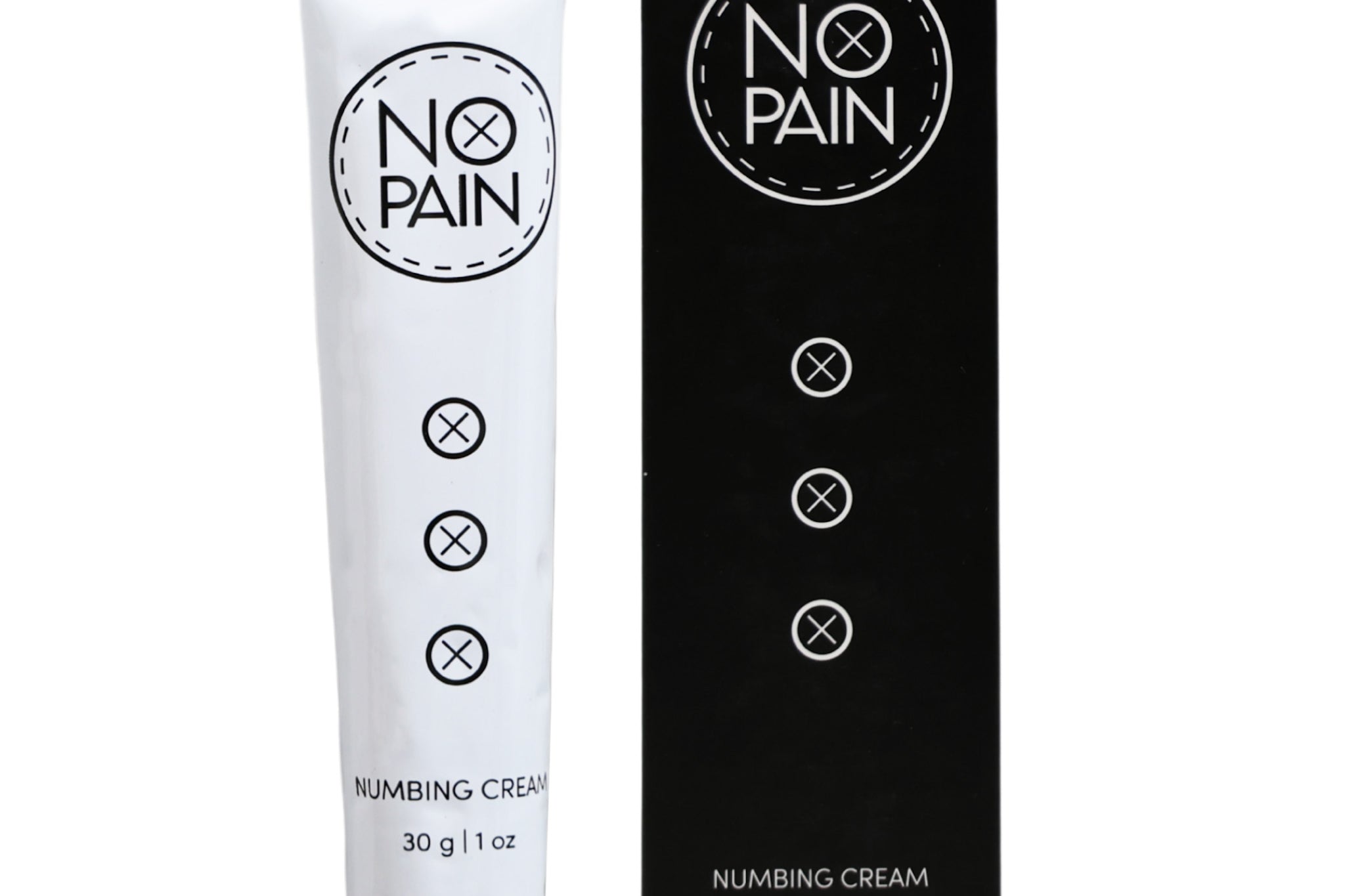
For pain management, numbing cream applied correctly makes a genuine difference on stretch-marked skin. Apply two coats under cling film for 90 to 120 minutes before your appointment. The thick, slow-absorbing formula allows the lidocaine to work deeper into the dermis during the full application window, which matters particularly on scar tissue where absorption can be less predictable than intact skin. Tell your artist you have applied numbing cream before the session begins.

A thick, slow-absorbing formula that builds deeper saturation than thinner creams at the same lidocaine concentration. Apply two coats under cling film for 90 to 120 minutes. Especially useful on stretch-marked skin where sensitivity is higher than surrounding areas.
Aftercare on Compromised Skin
Scar tissue heals differently from undamaged skin, which means aftercare on a stretch mark tattoo requires more attention, not less. The skin has already been through one round of structural change and does not have the same resilience as intact dermis.
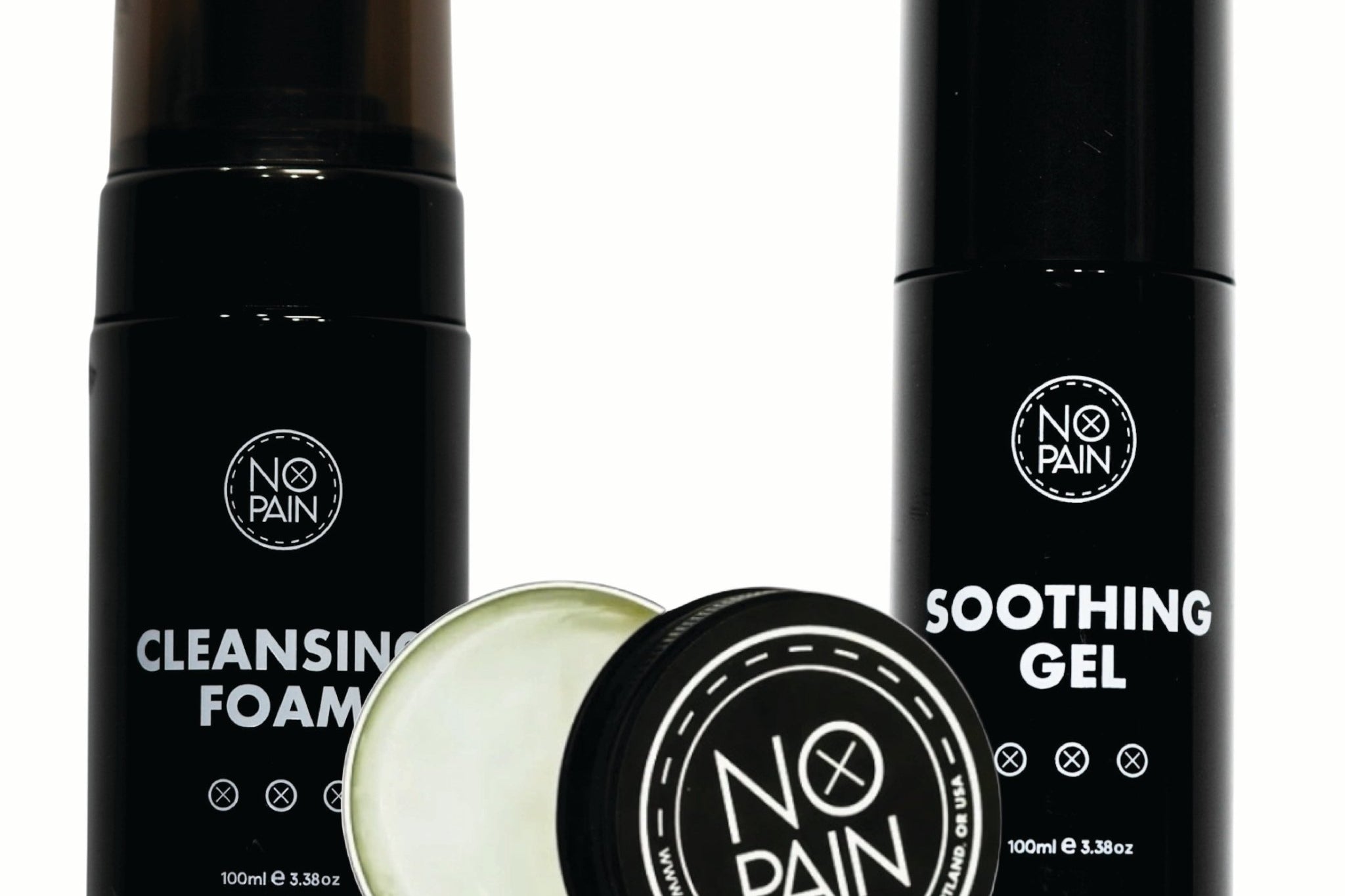
For the first two to three days, use a lightweight soothing gel to keep the wound environment clean and lightly hydrated without smothering it. From day two or three onward, transition to a nourishing balm that supports the healing layers without petroleum-based ingredients that block breathability. Keep the area out of the sun during the heal. Do not soak it. Do not pick at the peel, which on scar tissue can lift ink more readily than it would on standard skin.
Expect the healed result to take longer to assess than a standard tattoo. Scar tissue can take months longer to fully settle, and what looks uneven at six weeks may look considerably better at three to four months. Wait a full three months before deciding whether the piece needs a touch-up.
Frequently asked questions
Can you tattoo over stretch marks?
Yes, once they have fully matured. Fresh, red or pink stretch marks are still actively changing and should not be tattooed over. Matured stretch marks that have faded to white or silver are stable scar tissue and can be tattooed, though the process requires an artist with specific experience working on scar tissue. The physical texture of the marks will not be erased by the tattoo, but a well-designed piece can effectively redirect the eye away from it.
How long do I have to wait before tattooing over stretch marks?
Typically one to two years, until the marks have fully faded from their initial red or purple color to white or silver. The timeline varies by individual. The practical test is whether the marks are still changing: if they are still pinkish or are itching and shifting in color, they are not ready. When in doubt, have an artist with scar tissue experience assess them in person before booking.
Will a tattoo cover up stretch marks completely?
The ink will cover the color of the stretch marks, but the physical texture will still be there. A tattoo cannot erase indentations in the skin. What a well-designed tattoo can do is draw the eye into the design rather than to the texture beneath it. Organic, flowing designs with built-in visual complexity do this most effectively. Minimalist designs with a lot of negative space are less forgiving.
Does tattooing over stretch marks hurt more?
Usually yes. Scar tissue tends to be denser and more sensitive than surrounding skin, and most people find tattooing directly over stretch marks more uncomfortable than tattooing adjacent areas. Numbing cream applied correctly beforehand helps considerably. Apply two coats under cling film for 90 to 120 minutes before the session. Tell your artist you have used it before they start.
What tattoo designs work best over stretch marks?
Organic, textured designs: florals, vines, flowing water, animal fur, feathers, fish scales, and intricate patterns. These use visual complexity to absorb the underlying texture rather than drawing attention to it. Bold, heavy black fills and traditional or neo-traditional styles with strong outlines also work well. Geometric designs, precise symmetry, and fine-line minimalist work are harder to execute cleanly on scar tissue and require a very experienced artist.
How do I find an artist who can tattoo over stretch marks?
Ask specifically for healed photos of their scar tissue work, not fresh photos. Fresh tattoos on any skin look better than healed ones; the real test is how the work holds up. Look for consistent ink saturation across the scar tissue areas and clean healing with no notable blowout. During the consultation, a good artist will examine the marks directly, ask how old they are, and give you an honest assessment of what is achievable. An artist who gives you a confident answer without examining the skin is a warning sign.
Give the Skin Its Best Chance to Heal
Scar tissue heals differently and needs more support. The Aftercare Bundle covers both phases: a lightweight soothing gel for the first few days while the wound is closing, and a nourishing balm through the weeks that follow. Formulated without petroleum or fragrance, so the skin can breathe through the heal.
Shop the Aftercare Bundle →Formulated at Historic Tattoo in Portland, Oregon. 100% money-back guarantee.