
Where you put a tattoo shapes how it reads, how much it hurts, how easily it heals, and how long it stays visible. Placement is a design decision, not just a logistics one. This guide covers what different placements mean culturally and symbolically, what they feel like to get, and what practical considerations you need to know before you commit.
In this article
Arms and Hands
Outer forearm
One of the most popular placements for a reason. The outer forearm is low-pain, heals well, ages gracefully, and is visible to both the wearer and others. In terms of symbolism, forearm tattoos are typically read as confident declarations — things the wearer wants to see every day and is comfortable having visible in most social and professional settings. The long, flat surface works well for botanical pieces, text, animals, and medium-scale illustration work.
Inner forearm
More personal and intimate than the outer forearm because it faces inward toward the wearer. A common placement for things meant as a reminder to yourself rather than a statement to the world. Pain level is slightly higher than the outer forearm due to thinner skin, but still manageable.
Outer upper arm / bicep
Classic and versatile. The outer bicep is a large, workable canvas with a low pain level, good ink retention, and natural coverage when wearing a t-shirt. Culturally associated with strength and identity — the placement where bold, emblematic designs have lived for generations across cultures and traditions.
Inner bicep
More private, often reserved for personal or meaningful pieces. The inner bicep is significantly more sensitive than the outer bicep, with a nerve trunk running through the area that can produce a radiating sensation. Pain level: moderate to high. The placement heals well despite the sensitivity.
Elbow ditch / inner elbow
One of the more painful areas on the arm. The antecubital fossa (inner elbow) sits directly over a major nerve bundle, which creates sharp, electric sensation during tattooing. Designs placed here need to account for the crease and how the skin folds. A skilled artist can create striking results, but this is not a first-tattoo placement.
Hands and fingers
High visibility, high symbolism. Hand and finger tattoos signal a strong public commitment to the tattoo lifestyle — they can't be hidden easily in most professional settings. They also carry cultural weight as markers of identity, devotion, or affiliation. Practically: hands and fingers are the hardest placement to heal and the most prone to ink loss. Expect one or more touch-up sessions. The skin here regenerates rapidly and doesn't retain ink as reliably as other areas.
Torso
Chest
A powerful placement, especially over the heart. Chest pieces often symbolize what a person holds most important — love, family, beliefs, identity. The sternum area is a high-pain zone due to bone vibration. The outer pec areas are more manageable. Large chest pieces require multiple sessions and produce some of the most visually impactful tattoos because of how they interact with the body's anatomy when worn or displayed.
Ribs and sternum
Known as some of the most painful placements because the needle contacts bone through very thin skin with minimal cushioning. The ribcage produces a rattling, deep vibration during tattooing. Despite the difficulty, rib placement carries strong symbolic resonance — proximity to the lungs and heart, and the intimacy of a placement only visible when you choose to reveal it. Often associated with things tied to breathing, life, and vulnerability.
Back
The largest canvas on the body. The back accommodates large-scale compositions that flow with the body's natural lines — perfect for Japanese-influenced work, black and grey realism, or large botanical and illustrative pieces. The mid-back is among the more manageable areas; the spine is one of the most difficult. A full back piece is a multi-year project that carries significant symbolic weight — often associated with foundation, identity, and personal history.
Stomach
High pain, difficult healing. The abdomen has a deep, burning sensation from soft tissue tattooing, and involuntary core muscle contractions during painful passes can disrupt linework. The healing process is also complicated by clothing and waistbands. Stomach tattoos often carry personal, even secret symbolism — they're hidden by default and rarely displayed casually.
Legs and Feet
Outer thigh
A large, low-pain canvas that has become increasingly popular for detailed, large-scale work. The outer thigh heals well, holds ink consistently, and is easily covered by pants or shorts depending on preference. Often used for statement pieces the wearer wants to be able to show off selectively.
Inner thigh
More intimate than the outer thigh, significantly more painful. The inner thigh is soft tissue with high nerve sensitivity, especially toward the groin area. Inner thigh tattoos tend to carry personal, private symbolism — visible on your own terms, rarely seen accidentally.
Calf and shin
The fleshy back of the calf is a solid placement with manageable pain and good ink retention. The front of the shin, by contrast, is one of the most painful spots on the body — the bone sits directly under thin skin with almost no tissue cushioning. Shin and calf tattoos are often visible with shorts and summer wear, which can make them a practical choice for people who want work they can display without a sleeve or formal exposure of the arm.
Ankle and foot
Small, symbolic, and difficult to heal. Foot and ankle tattoos have a reputation for fading and requiring touch-ups because the skin there regenerates rapidly and takes constant friction from footwear. Symbolically, foot placement is often associated with movement, journey, and foundation. The bone proximity and limited soft tissue make them high-pain for their size.
Neck
The neck is the most visible and committed placement you can choose. A neck tattoo signals that you've built your collection to a point where visible placement is a natural next step, or that identity and self-expression take clear priority over concealment. Pain level depends on placement: the back of the neck over the spine is intense; the side of the neck over the muscle is more manageable. All neck placements are considered serious in professional and social contexts, though this has shifted significantly over the past decade as tattoos have become more normalized.
Pain by Placement: Quick Reference
Low pain (3 to 4 out of 10): outer forearm, outer upper arm/bicep, outer calf, outer thigh.
Moderate pain (5 to 6 out of 10): inner forearm, shoulder blade, mid-back, inner bicep.
High pain (7 to 8 out of 10): ribs, sternum, upper chest, stomach, inner thigh, ankle, foot.
Very high pain (8 to 10 out of 10): spine, shin, inner elbow, back of knee, hands and fingers, neck over the spine.

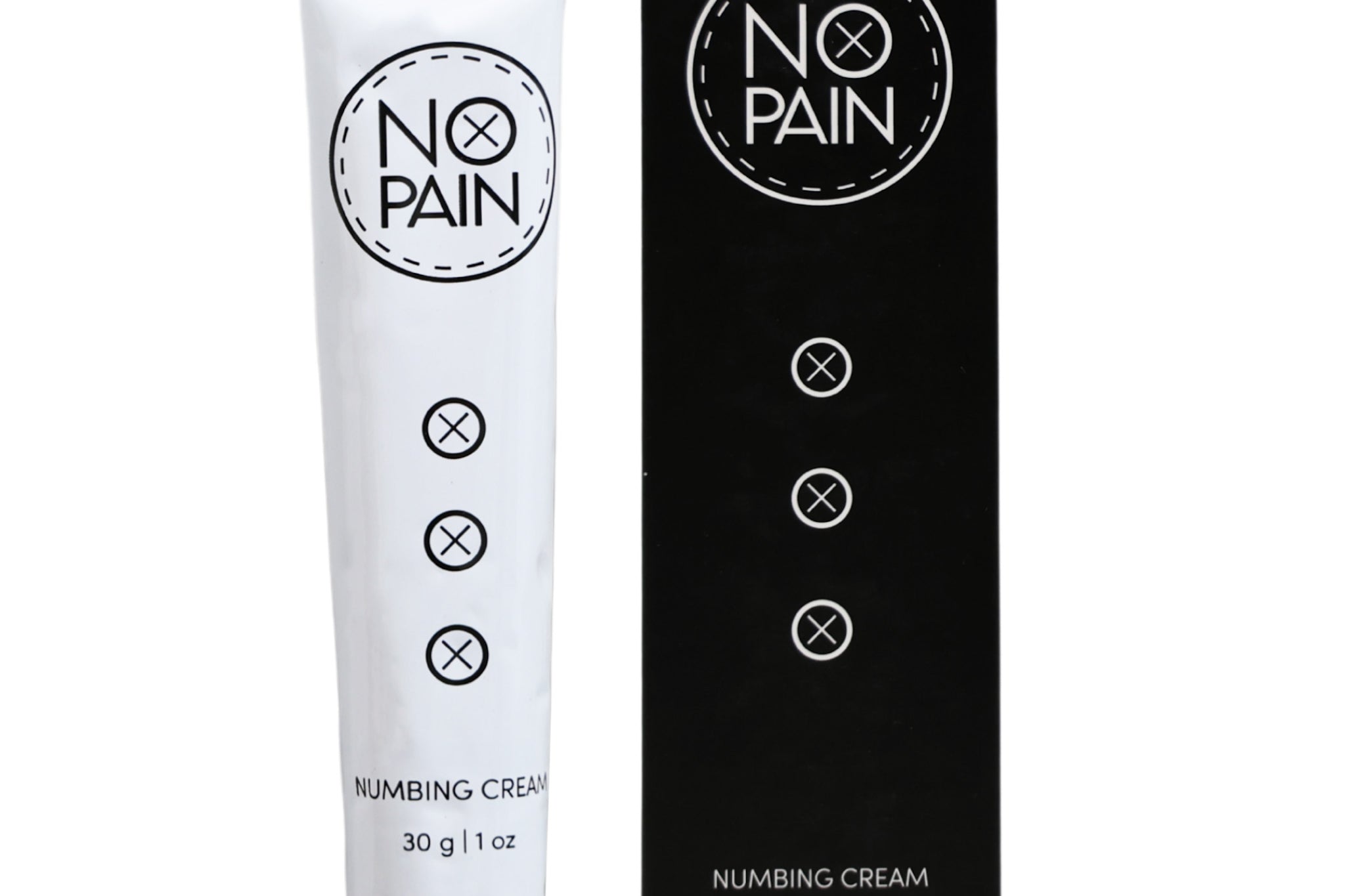
Maximum-strength numbing cream applied 90 to 120 minutes before your session. Most effective on the high-pain placements — ribs, sternum, spine, inner elbow — where the placement you want and the pain level are hard to reconcile without help.
FAQ
Does tattoo placement affect how long the tattoo lasts?
Yes, significantly. Placements that receive constant friction (hands, fingers, feet, inner elbow, back of knee) fade faster and need touch-ups more often because the skin in those areas regenerates rapidly and takes ongoing physical wear. Placements that stay covered and don't flex constantly (outer upper arm, calf, shoulder blade) tend to hold ink longer. UV exposure is also placement-dependent: a forearm tattoo in someone who works outdoors fades faster than a rib piece that's always covered.
What's the best placement for a first tattoo?
The outer upper arm, outer forearm, and outer calf are the most recommended first placements. All three have manageable pain levels, good ink retention, and heal reliably because they're not constantly flexed or in contact with surfaces. They're also visible enough to enjoy the work without requiring you to commit to a high-visibility placement you might feel differently about later.
Do tattoo placements mean specific things?
Cultural meaning varies by tradition, community, and individual intent. In some tattoo traditions (Japanese, Polynesian, Indigenous American, among others), specific placements carry distinct significance. In the broader Western tattoo culture, meaning is largely personal. What holds more consistently is the practical social dimension: a hand tattoo reads differently in a job interview than a forearm tattoo, and both read differently than a rib piece that no one sees unless you choose to show it.
Can placement change how a design looks?
Yes. The curves, angles, and movement of the body affect how a flat design reads in three-dimensional space. A design that works on paper may not translate well to a curved surface like the bicep or shoulder. Artists who specialize in placement-aware design consider how the tattoo interacts with the body's natural lines, how it reads at different angles, and how it will change with movement. This is one reason a consultation with the right artist matters more than having a finished design before you arrive.
Does placement affect tattoo removal?
Yes. Tattoo removal via laser works by breaking down ink particles so the immune system can flush them away. Placements with better lymphatic drainage and blood circulation (chest, upper arm, back) tend to respond more quickly to laser treatment. Extremity placements (hands, feet, ankles) tend to respond more slowly. Ink color also matters: black absorbs laser energy most effectively; light colors like white, yellow, and light green are hardest to remove regardless of placement.
What placements are hardest to cover up?
Neck, face, hands, and fingers are the hardest to cover with clothing and the most limiting in professional settings where visible tattoos are still restricted. Inner wrist and inner forearm are fully visible in short sleeves and can't be concealed without a watch or long sleeves. If concealment in professional environments matters, placements that fall under most work attire — upper arm, shoulder, ribs, back, thigh — give you the most flexibility to control visibility.
Ready for the Placement You've Chosen?
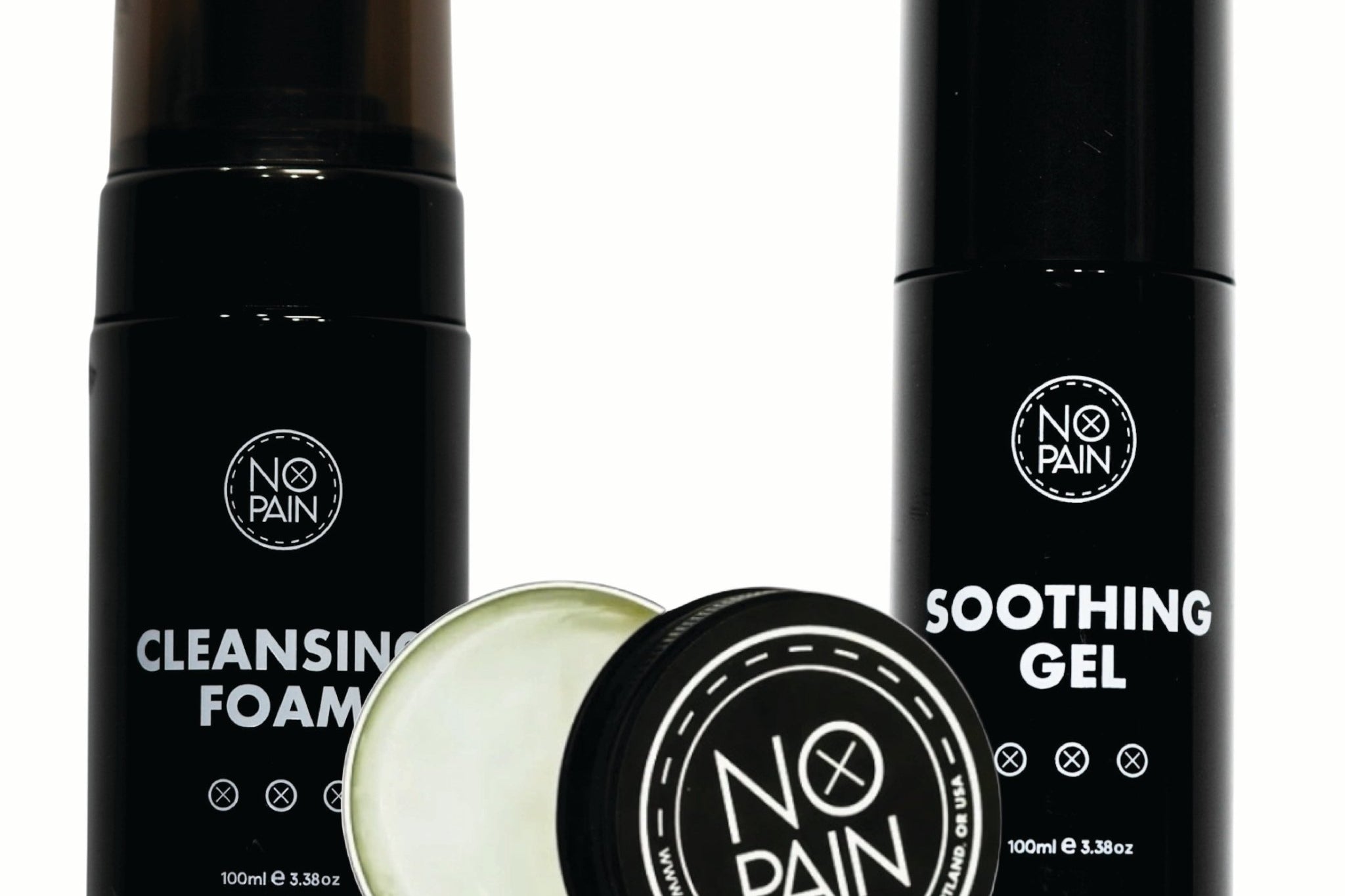
Soothing gel for the first few days, nourishing balm from day three onward. The right aftercare for any placement.
Shop the Aftercare Bundle →Formulated at Historic Tattoo in Portland, Oregon. 100% money-back guarantee.