
Most people reach for a lotion because that's what they keep in the bathroom. For a healing tattoo, it's usually the wrong call. The ingredients that make a standard body lotion pleasant to use on normal skin (high water content, fragrance, light-absorbing alcohols) are the same things that cause problems on a fresh wound. Here's what to look for, what to avoid, and why a balm does the job better during the healing phase.
In this article
- What's in a standard body lotion
- What's in a tattoo balm
- Why the difference matters on a healing tattoo
- If you need to use a lotion
- After the tattoo is healed
- Frequently asked questions
What's in a Standard Body Lotion
A standard body lotion is an emulsion: oil droplets suspended in water, held together by emulsifiers. Water makes up the majority of the formula: often 70 to 80 percent. That's what gives lotion its light, thin texture and makes it absorb quickly.
The practical result: lotion provides a light, fast-evaporating layer of surface hydration. For dry elbows or hands, that's fine. For a healing tattoo wound, it falls short on two fronts.
It doesn't last. Because the water evaporates, the moisture effect is short-lived. Healing skin needs sustained hydration to prevent the dryness that leads to heavy scabbing and cracking. A lotion applied in the morning may be gone within the hour.
It often contains problem ingredients. Fragrance is the most common culprit. Most body lotions are scented, and fragrance is a known irritant on compromised skin. The same goes for added dyes. Some lotions contain alcohols (listed as "alcohol," "isopropyl alcohol," or "ethanol" on the ingredient list) that cause stinging and strip moisture. And many contain preservatives that are fine for intact skin but can trigger reactions on a wound.
None of this is a problem when you're moisturizing normal, healed skin. On a tattoo in the first one to two weeks, these ingredients are a consistent source of irritation, itching, and slowed healing.
What's in a Tattoo Balm
A balm is oil and butter-based, with little or no water content. Instead of an emulsion, it's a blend of natural fats (typically shea butter, mango butter, plant waxes, and nourishing oils) that stay on the skin surface rather than evaporating.
Because there's no water to evaporate, the moisture effect lasts longer. A thin application of balm in the morning is still working hours later. It creates a breathable barrier over the healing skin that protects it from environmental irritants (dust, clothing friction, bacteria on surfaces) while still letting the wound breathe. Unlike heavy petroleum ointments, a well-formulated balm doesn't occlude the skin completely; it protects without trapping heat and moisture against the wound.
A dedicated tattoo balm is also formulated without the ingredients that cause issues: no added fragrance, no dyes, no harsh alcohols. The ingredient list is shorter and simpler because that's what healing skin needs.
Why the Difference Matters on a Healing Tattoo
The skin during tattoo healing is doing specific things: closing the wound surface, replacing the damaged epidermis, and incorporating the ink into the dermis. The environment you create for that process directly affects the outcome.
Dryness is the main enemy in the first two weeks. Dry skin forms thicker scabs, and thick scabs pull ink out of the dermis when they shed. They also crack, which creates pathways for bacteria and extends the healing timeline. A moisturizer that lasts and actually nourishes the skin prevents this. A lotion that evaporates in an hour doesn't. For a full breakdown of what the skin is doing during this period, see the healing process guide.
Irritation is the other main risk. Scented lotions on a fresh wound cause stinging and itching that most people mistake for normal healing. It's not; it's a reaction to fragrance. Scratching or rubbing an itchy wound disrupts the surface and can pull ink. Using a fragrance-free product from the start eliminates this variable entirely. For what happens when moisturizing goes wrong in other ways, see the aftercare mistakes guide.
The practical difference between choosing the right and wrong moisturizer shows up most clearly in the scabbing phase. Skin that's been consistently well-moisturized with the right product tends to peel lightly, in thin flakes, without thick scab formation. Skin that's been under-moisturized, or moisturized with an irritating product, scabs heavier and takes longer. For more on managing scabbing correctly, see the scabbing guide.
If You Need to Use a Lotion
If a dedicated tattoo balm isn't available and you need to moisturize, use the most stripped-down, fragrance-free lotion you can find. Unscented versions of common pharmacy brands (look for "fragrance-free," not just "unscented"; "unscented" can still contain masking fragrances) are the least problematic option among lotions.
Check the ingredient list for: no added fragrance or parfum, no added dye or colorant, no alcohol listed in the first several ingredients, and no antibacterial agents that aren't needed. The fewer ingredients, the better. Apply only a thin layer; lotion over-application on a healing tattoo contributes to the kind of moisture-trapping that causes milia and slows healing.
This is a workable short-term solution. It's not ideal. The water content still evaporates, the protection still wears off faster, and most pharmacy lotions still contain at least some ingredients that aren't optimal for a wound. Switch to a proper aftercare product as soon as you can.
After the Tattoo Is Healed
Once the tattoo is fully healed, the calculus changes. Surface has closed, peeling is done, texture feels normal. Intact, healed skin can tolerate a wider range of products. A quality fragrance-free lotion is fine for daily maintenance on a healed tattoo.
That said, continuing to use a nourishing balm on healed tattoos has a long-term benefit: well-moisturized skin holds ink better than dry, flaking skin. Hydrated dermis is a more stable environment for tattoo pigment. Over years of consistent use, the difference in how vibrant a tattoo looks shows up in the skin condition as much as in sun protection habits.

No fragrance, no dyes, no harsh alcohols. A concentrated blend of shea butter and nourishing oils that stays on the skin longer than any lotion, creating a breathable barrier that keeps healing skin hydrated without trapping heat. The right product from day three onward, and for keeping healed tattoos looking sharp long-term.
Frequently asked questions
Can I use regular lotion on a new tattoo?
Most regular body lotions are not ideal for a healing tattoo. The main problems are fragrance (a common irritant on fresh wounds), short-lived moisture that evaporates within an hour, and in some cases alcohols or dyes that sting or cause reactions. If a dedicated tattoo aftercare product isn't available, use the most stripped-down, fragrance-free lotion you can find, but switch to a proper balm as soon as possible. In the first two weeks, what you moisturize with matters more than most people expect.
What should I look for in a tattoo aftercare lotion?
If you're choosing a lotion rather than a balm, look for: no added fragrance or parfum, no added dye, no alcohol listed prominently in the ingredients, and a short, simple ingredient list overall. Fragrance-free is different from unscented; unscented products can contain masking fragrances, so look specifically for "fragrance-free" on the label. Avoid anything labeled "antibacterial"; those active ingredients aren't needed and can be irritating on healing skin.
Is Lubriderm or Lubriderm Unscented good for tattoo aftercare?
Lubriderm Unscented is one of the more commonly recommended over-the-counter options when a dedicated aftercare product isn't available. It's relatively simple in formulation and doesn't contain fragrance. It's not ideal; it's still water-heavy, so the moisture doesn't last as long as a balm, but it's a workable short-term option. The scented versions of Lubriderm are not appropriate for a healing tattoo.
Why is tattoo balm better than lotion for healing?
Balm is oil and butter-based rather than water-heavy, so it doesn't evaporate. It stays on the skin longer, providing sustained hydration through the healing phase. It also typically contains no fragrance, dyes, or harsh alcohols: the ingredients in standard lotions that cause irritation, stinging, and itching on open wounds. For the first two weeks of healing, longer-lasting moisture and a cleaner ingredient list both matter. A balm also creates a breathable barrier that protects the wound from environmental irritants without occluding it the way petroleum ointments do.
When can I switch from balm to regular lotion?
Once the tattoo is fully healed (surface skin completely closed, all peeling done, texture normal, typically three to four weeks), intact skin can tolerate a wider range of products including fragrance-free lotions. Before that point, stick with a dedicated aftercare product. Once it's healed, a quality balm is still the best long-term option for keeping skin healthy and ink vibrant, but a fragrance-free lotion works fine for daily maintenance.
What's the difference between a tattoo balm and a tattoo ointment?
Ointments (like petroleum jelly or Aquaphor) are petroleum-based and create a very heavy, occlusive barrier that seals the skin surface almost completely. This prevents the skin from breathing and can trap heat and moisture against the wound, which can cause problems during active healing (over-hydration, milia, slowed healing). Balms use natural oils and butters rather than petroleum and create a breathable barrier instead of a sealed one. For the first few days, the gel phase of aftercare is better than either ointment; from day three onward, a balm is the right call. Ointments are most useful for very short-term moisture protection in the first 24 hours post-session, if your artist recommends them.
The Right Product for Every Phase
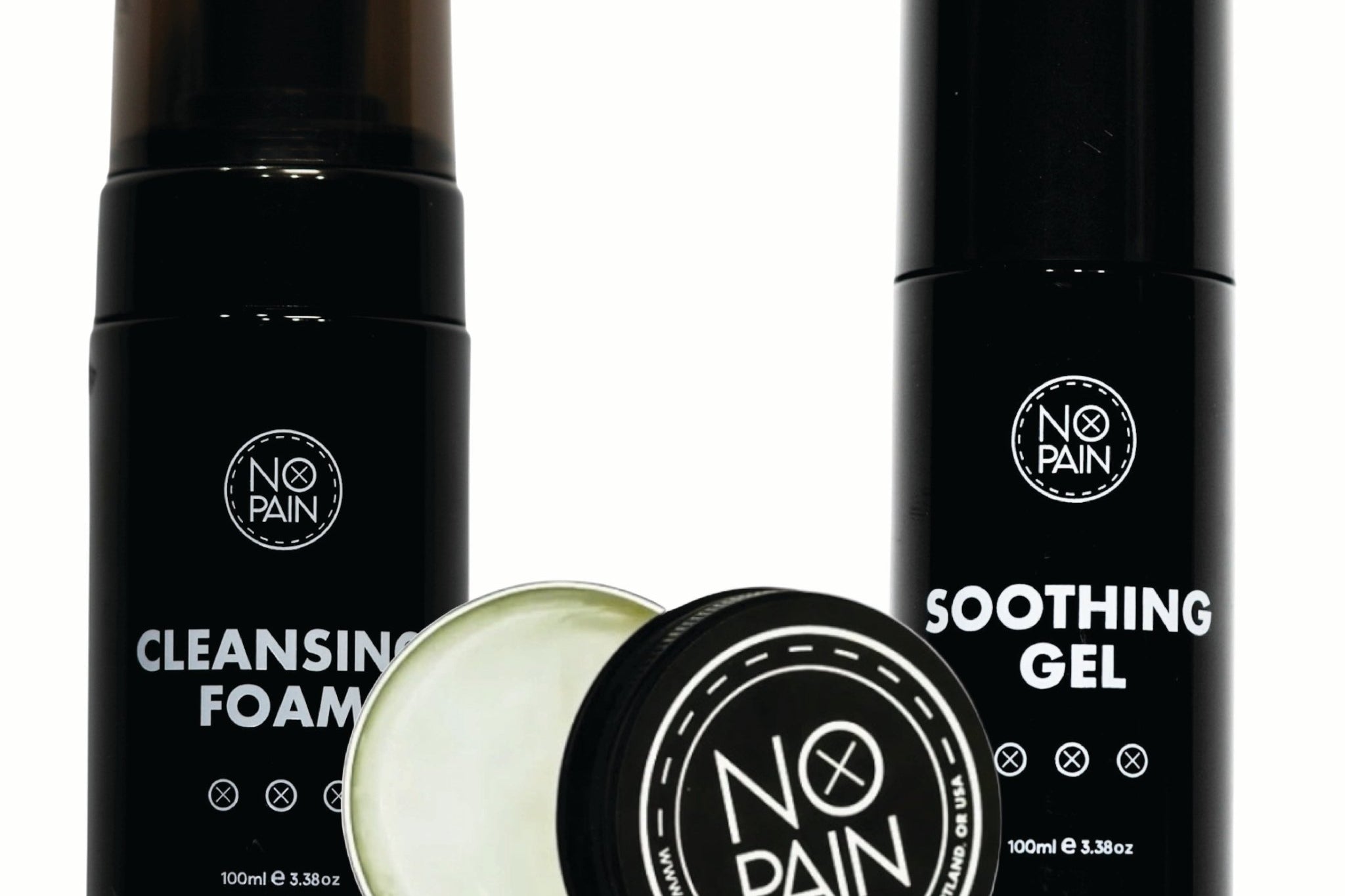
The Aftercare Bundle pairs a lightweight soothing gel for the first few days (when the wound needs to breathe) with the nourishing balm from day three onward (when the skin needs deeper hydration as it finishes closing). Two products, two phases, formulated to work together.
Shop the Aftercare Bundle →Formulated at Historic Tattoo in Portland, Oregon. 100% money-back guarantee.