
The shoulder blade is one of those placements that can go two completely different ways in the same session. The muscle around the scapula (the trapezius, the rhomboids, the rear deltoid) is well-padded and relatively forgiving. The bone itself is a different experience. The scapula sits close to the surface, and when the needle works directly over it, there's not much between skin and bone. The result is a sharp, rattling pain that's hard to ignore.
Most people find the shoulder blade manageable overall, but that's because most designs spend more time on muscle than on bone. If your piece is centered on the scapula itself, expect the harder sections to be genuinely demanding.
In this guide
- Why the shoulder blade has two pain zones
- Zone-by-zone pain breakdown
- What the session feels like
- Preparing for the session
- Healing a shoulder blade tattoo
- FAQ
Why the shoulder blade has two pain zones
The scapula is a large, flat, wing-shaped bone that sits against the back of the rib cage. On the surface it's covered by a relatively thin layer of skin, with the underlying bone often visible as a ridge on leaner individuals. There's minimal tissue between the skin and the bone across much of the blade's surface, which means the needle has very little to work through before it's effectively working against something solid.
Surrounding the scapula is a different story. The trapezius muscle covers the upper and inner portion of the upper back; the rhomboids run along the medial (spine-side) edge; the rear deltoid wraps around the outer shoulder. These muscles are thick and well-developed in most people, and tattooing over them produces a much more muted, manageable sensation. The depth of tissue absorbs the needle's force and reduces the vibration that makes bony areas so uncomfortable.
A shoulder blade piece almost always crosses both zones. The bone-heavy center of the scapula, the softer muscle around the edges, and the spine-adjacent zone along the inner edge each feel meaningfully different within the same session.
Zone-by-zone pain breakdown
Over the scapula (bone surface): 7 to 9 out of 10
This is the hardest part of the placement. The scapula is a flat, thin bone sitting just below a thin skin layer, and when the needle is working over it, the sensation is sharp and accompanied by a deep vibration that radiates across the upper back. It doesn't adapt the way surface pain sometimes does. It stays sharp for as long as the artist is working that zone. Most people describe it as grinding, rattling, and more intense than they expected from what looks like a fleshy placement.
Surrounding muscle (trapezius, rear deltoid): 4 to 6 out of 10
The moment the artist moves off the bone and onto the muscle, the pain drops noticeably. The thick trapezius and rear deltoid absorb the needle's impact well, and the sensation becomes a dull, low-level burning or scratching. It's consistent and steady but easy to manage. Most people find this part of the session surprisingly comfortable given what the bony section felt like.
Spine-side edge (medial border of the scapula): 8 to 9 out of 10
The inner edge of the shoulder blade, where the scapula runs parallel to the spine, tends to be the most uncomfortable zone. The bone ridge is close to the surface, the skin is thinner here, and designs that extend inward toward the spine approach the thoracic vertebrae. If the piece connects across both shoulder blades toward the spine, that center strip is the hardest section of the whole design.
What the session feels like
Shoulder blade sessions are rarely a uniform experience. Artists typically start with the outline and work from muscle zones toward bone, so the first part of the session often feels more manageable than what comes later. When the needle moves onto the scapula surface, the intensity jumps quickly and without much transition.
The vibration is the part most people find unexpected. It travels into the ribs and across the upper back, and it has a rattling quality that softer placements don't produce. Staying still through it is harder than staying still through surface pain, because the body's instinct is to shift away from the vibration source. That involuntary movement is what compromises lines on shoulder blade pieces more than anything else.
Position matters too. Most artists work with the client sitting backward on a chair or lying face-down. Face-down sessions for large pieces are comfortable enough to start but fatiguing over a few hours. Breathing deeply and keeping your upper back relaxed (rather than bracing) produces a better result: bracing tightens the skin and changes how the needle moves through it.
Preparing for the session
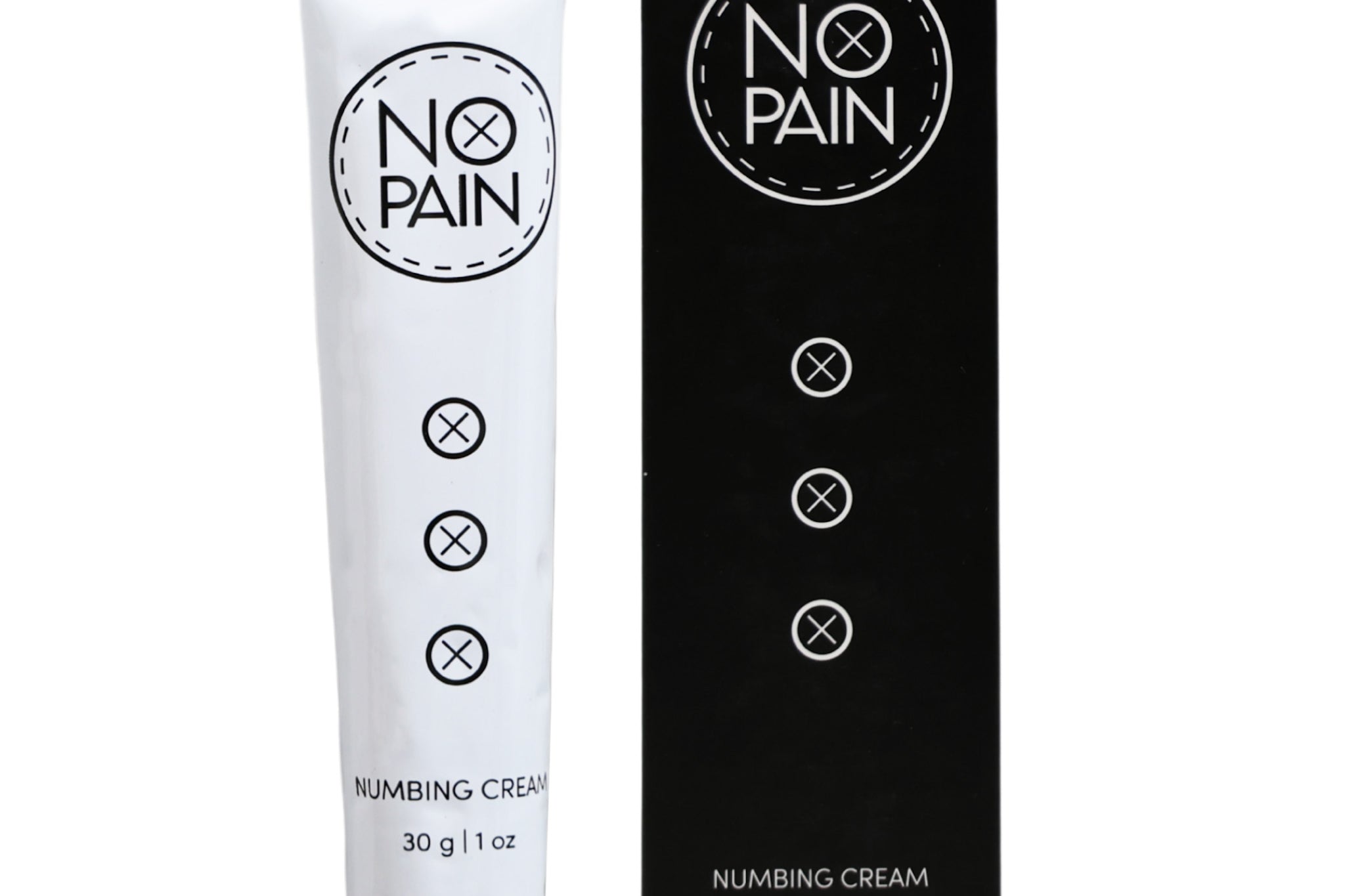
For smaller pieces centered on the muscle zones, numbing cream alone handles the session well. For anything that covers the scapula surface or runs a long session across both zones, the Comfort Bundle gives you the cream for pre-session application and the spray for mid-session top-ups on broken skin, which matters when a large back piece runs three or four hours.
Apply cream to the full area 90 to 120 minutes before the session under plastic wrap. The flat back surface wraps easily and produces consistent contact across the entire zone, so you get reliable coverage even over the bony areas where the skin is thinner.

Numbing cream for pre-session application (90 to 120 minutes before, under wrap) plus numbing spray for mid-session use on broken skin. The combination that lets you sit all day. Thick, slow-absorbing formula that penetrates deeper and lasts longer. Backed by a money-back guarantee.
Healing a shoulder blade tattoo
The shoulder blade heals well compared to many placements, but there are a few friction points worth planning around. Backpack straps, bra straps, and seatbelts all run directly over the shoulder blade area. In the first two weeks, any repeated pressure or friction against the healing skin can disturb the surface before it's ready. Loose clothing that doesn't contact the area is the simplest solution for the first week. If you wear a backpack daily, a crossbody bag for the first ten days is worth the inconvenience.
Sleeping is less of an issue than it is for chest or rib pieces, but sleeping directly on the tattooed side puts sustained pressure on fresh skin. Side-sleeping with the tattooed shoulder up, or sleeping face-down with a pillow arrangement that keeps weight off the blade, is the practical approach for the first few nights.
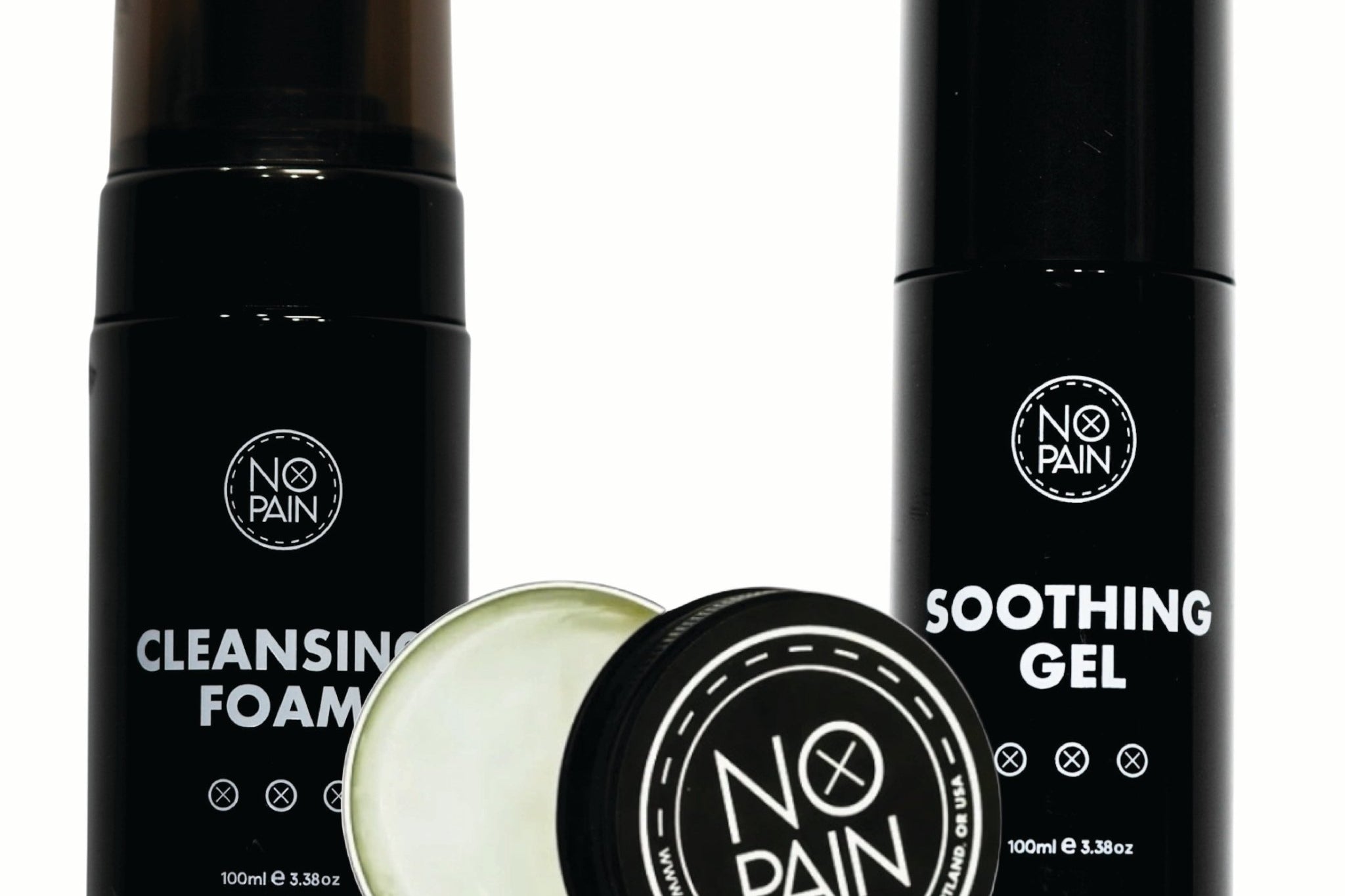
Keep the area clean, wash twice a day with a fragrance-free soap, apply soothing gel after washing for the first days, and transition to aftercare balm around day two or three as the surface begins to peel. The back tends to heal cleanly and with less friction risk than placements at joints or high-movement areas, so most shoulder blade pieces settle well within the standard two-to-four week surface healing window.

No Pain Tattoo Aftercare Bundle
Soothing gel for the first days, aftercare balm from day two or three, and cleansing foam for daily washing. Everything you need from day one. Backed by a money-back guarantee.
Shop Aftercare Bundle: $33.60FAQ
How painful is a shoulder blade tattoo?
It depends on which part of the blade the needle is working. The surrounding muscle (trapezius, rear deltoid) typically rates a 4 to 6 out of 10: dull, manageable, and consistent. The scapula bone surface rates a 7 to 9 out of 10, with a sharp, vibrating quality that's harder to sit through. The spine-side edge of the blade tends to be the most uncomfortable zone. A piece that covers the full blade will move through all of these ranges in a single session.
Is the shoulder blade a good placement for a first tattoo?
For a medium-sized piece that stays mostly on the muscle zones, yes. The trapezius and rear deltoid are forgiving, the canvas is large enough for a design with real presence, and the placement is easy to show or cover. For a large piece that sits on the scapula bone surface, the bony sections are challenging enough that most artists would consider it a moderate-to-difficult first experience. Numbing cream takes the edge off considerably either way.
Does a shoulder blade tattoo vibrate?
Yes, and it's one of the defining characteristics of the placement. The scapula is a flat bone sitting close to the surface, and when the needle works over it, the vibration transmits across the upper back and into the ribs. It's similar to what people describe from spine, shin, and knee work: the sensation goes deeper than the skin. Most people find the vibration harder to manage than plain surface pain.
How does shoulder blade pain compare to other back placements?
The shoulder blade bone surface is harder than the upper back muscle zone but comparable to the spine and lower back near the sacrum. The surrounding muscle is easier than most back placements. The full back moves through similar terrain: high-pain bony zones and lower-pain muscle zones, with the spine column being consistently the hardest section regardless of where else the design goes.
Can you numb the shoulder blade for a tattoo?
Yes. The flat back surface wraps easily with plastic wrap, and because the scapula zone has relatively thin skin, the numbing effect penetrates well. Apply maximum strength cream in two coats 90 to 120 minutes before the session, wrap with cling film, and leave it on until you're in the artist's chair. For sessions longer than two hours, a numbing spray extends the relief on broken skin through the later part of the sitting.
How long does a shoulder blade tattoo take to heal?
Surface healing takes two to four weeks. The back tends to heal cleanly because it's not a high-movement joint and skin tension is relatively low. The main healing challenge is friction from straps and clothing rather than the placement itself. Keeping backpack straps and bra straps off the fresh work for the first two weeks and staying consistent with aftercare (gel in the first days, balm from day two or three onward) keeps the heal on track.