


How to Heal a Rib or Side Tattoo
Rib and side tattoos are among the most sought-after placements in tattooing, and among the most challenging to heal. The skin stretches with every breath, clothing rubs across the area constantly, and the initial soreness can make the first few days genuinely uncomfortable. This guide breaks down the specific healing demands of rib tattoos and gives you a practical routine for getting through them.
The short answer: rib tattoos heal in two to four weeks on the surface, with deeper healing continuing up to three months. The main variables are breathing movement, clothing friction, and the initial inflammatory response, which is often more intense here than at other placements because the session is more painful. Managing all three is what separates a clean heal from a patchy one.
Why Rib Tattoos Are Hard to Heal
Breathing movement
The rib cage expands and contracts with every breath. This constant motion puts mechanical stress on the healing skin that simply does not exist with a tattoo on the arm or thigh. The stress is low-level but relentless, which can slow the formation of the healing layer and make the skin more prone to irritation in the early days.
Clothing friction
The sides of the torso are in constant contact with shirts, bras, waistbands, and sleeve edges. Unlike the back or stomach, the side of the body moves against clothing with almost every upper-body motion you make. This friction is the main cause of premature flake removal and patchy linework in healed rib tattoos.
Intense initial soreness
Rib tattoos rank among the most painful placements. Thin skin over bone with minimal cushioning, plus the ticklish sensitivity of the side body, makes the session intense. A more painful session typically results in a stronger initial inflammatory response, which means more swelling, more redness, and a more tender first week than you might expect from a similar-sized tattoo on the arm.
Week 1: Managing Swelling and Soreness
What to expect
Days one through three will be the most uncomfortable. The skin is red, swollen, and sore. You will feel every breath as a slight stretch of the tattooed area. The weeping of plasma is normal. Sleeping can be difficult because lying on that side is uncomfortable and the skin may stick to bedsheets.
What to do
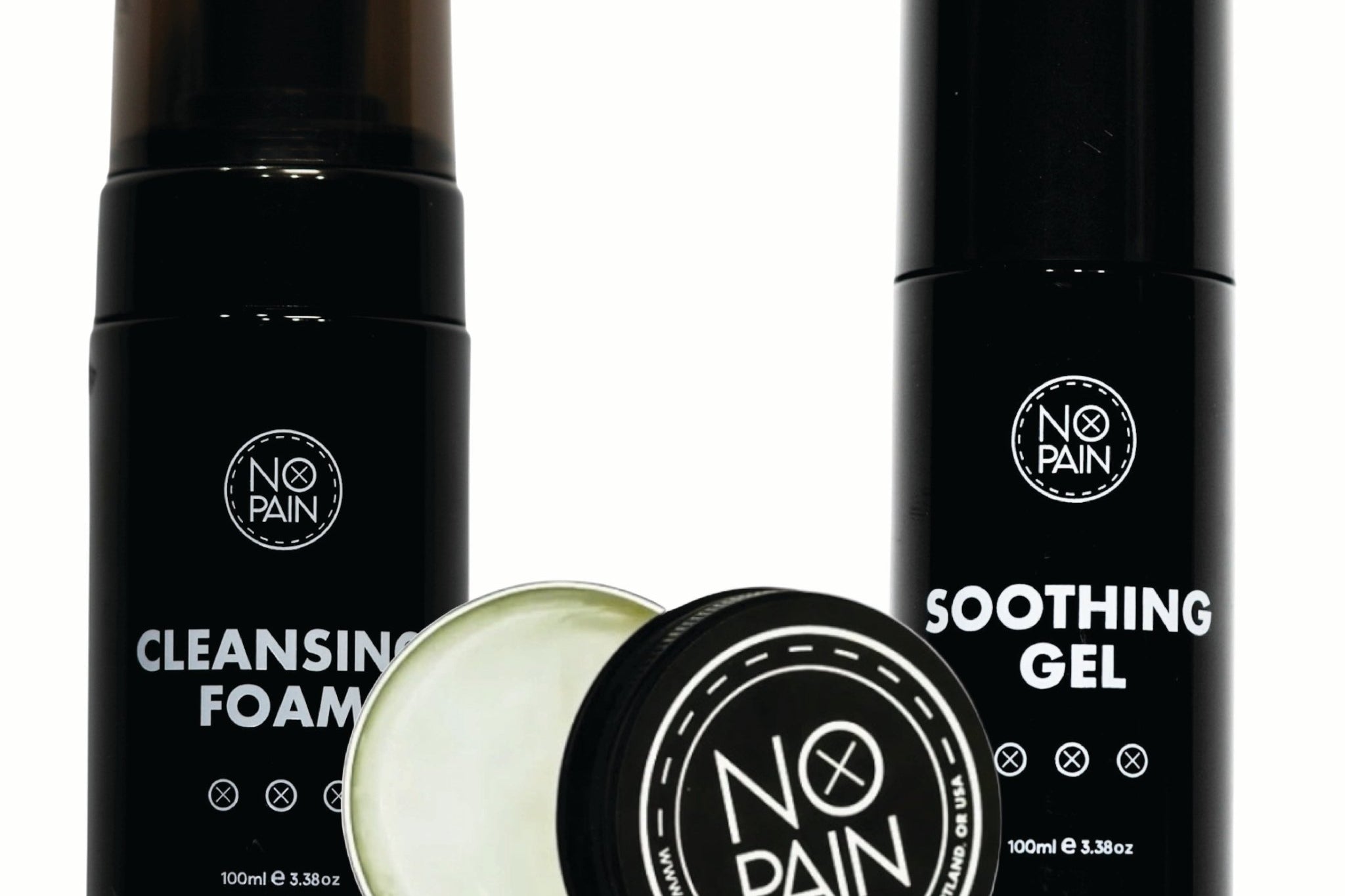
Clean the tattoo two to three times per day. After each clean, apply a soothing gel immediately to calm the inflammation. The cooling effect of a good aftercare gel reduces the intensity of the burning sensation and helps bring down the reactive swelling faster than leaving the skin dry and uncovered.

Wear the loosest, softest top you own. Avoid anything with a tight waistband that presses on the tattooed area. Sleep on your opposite side or on your back.
Weeks 2 to 3: The Friction and Peeling Phase
What to expect
Peeling starts around day five to seven. The itch during this phase is amplified at the rib location because clothing constantly brushes against the itchy surface. The combination of movement, friction, and itch makes this phase harder to get through than the initial soreness.
What to do
Moisturize consistently. A dry, peeling tattoo on the ribs is at risk of cracking when you breathe deeply, stretch, or bend. Keeping the skin hydrated prevents cracking and reduces the itch signal. Apply balm after each cleaning and any time the skin feels tight or dry.

Clothing Strategy for Rib Tattoo Healing
The single most impactful non-product decision you can make is what you wear. Follow this progression:
- Days 1 to 7: Loose cotton t-shirts or breezy tops with nothing tight against the tattooed side. Avoid anything with an elastic band, seam, or strap that crosses the tattoo.
- Weeks 2 to 3: Continue with loose tops. If a bra strap or waistband must cross the area, apply balm to the skin first to reduce friction damage.
- Week 4 onward: Normal clothing is fine. The skin is healed at the surface. Continue daily moisturizing.
How to Sleep With a Rib Tattoo
Sleep on your opposite side or on your back for the first week. Lying directly on the tattoo presses it against the bedsheet, which causes sticking, friction, and moisture buildup. Use a clean, soft cotton pillowcase on any surface that might contact the tattoo area. Change your bedsheets at the start of healing to ensure a clean surface.

Frequently Asked Questions
How long do rib tattoos take to heal?
Surface healing completes in two to four weeks. The deeper layers settle over up to three months. The soreness and tight feeling from swelling resolves much faster, usually within the first week.
Why does my rib tattoo hurt when I breathe?
The rib cage expands with each breath, stretching the healing skin. This is expected in the first few days and is not a sign of a problem. It resolves as swelling decreases and the initial soreness fades. Deep breathing and coughing will be the most noticeable triggers in the first 48 to 72 hours.
Can I wear a bra during rib tattoo healing?
If the bra strap or band crosses the tattooed area, friction from the elastic is a real concern during the peeling phase. Where possible, wear a loose sports bra or bandeau with no tight elastic over the tattoo. If a regular bra is necessary, apply balm under the strap to reduce friction.
Is it normal for a rib tattoo to swell a lot?
Yes. The initial inflammatory response for a rib tattoo is often more pronounced than for placements with more cushioning. The swelling is concentrated in a small area over bone, which makes it feel more significant. It typically peaks in the first 24 to 48 hours and resolves within the first week.
Why is my rib tattoo itching so intensely?
Itching during the peeling phase is universal across all tattoo placements. At the ribs, it feels more intense because clothing brushes against the itchy surface constantly. Keeping the skin well moisturized with aftercare balm reduces the sensation noticeably. Do not scratch.
Can I do yoga or stretching after a rib tattoo?
Wait two weeks before returning to yoga or deep stretching routines. These movements put significant mechanical stress on the healing skin through twisting and lateral bending. Light activity and gentle walking are fine. Resume full range-of-motion exercises after the surface has fully healed.