


Yes, you can over-moisturize a new tattoo. It's one of the more common mistakes in the first week, and it almost always comes down to product choice, not how often you're applying. Heavy ointments and thick products used during the first few days create a seal over a wound that still needs to breathe. The result is a waterlogged surface that heals poorly and gives bacteria exactly the warm, wet environment you were trying to avoid.
Here's what over-moisturizing actually looks like, what causes it, how to fix it, and which products to use at each healing stage.
In this article
- What over-moisturizing actually means
- Signs of an over-moisturized tattoo
- How to fix it
- The right products at each stage
- Frequently asked questions
What Over-Moisturizing Actually Means
A new tattoo is an open wound. For the first two to three days, it weeps plasma, the clear fluid the body uses to begin the repair process. That plasma needs somewhere to go. When you apply a heavy, occlusive product (petroleum jelly, thick ointments, or a rich balm before the wound has closed), you seal the plasma against the skin surface. The result is a warm, wet, low-oxygen environment trapped under the product layer. Not ideal for healing, and exactly the conditions that allow bacterial growth.
The issue is almost never how often you're applying moisturizer. It's using a product that doesn't allow the wound to drain and breathe at a stage when it still needs to. A lightweight gel that absorbs rapidly doesn't create this problem. A heavy product that sits on the surface does.
Signs of an Over-Moisturized Tattoo
Tattoo bubbling
The most recognizable sign. The skin looks soft, puffy, and waterlogged, with small raised bubbles across the surface. This happens when a thick product traps plasma and heat against the wound instead of letting them clear. The bubbles are the skin pushing back against a layer that's sealing it in.
Small pimples or bumps
Trapped moisture can block pores along the tattoo and in the surrounding skin, producing small red or white bumps. These are typically not infection, but they're a sign the surface isn't breathing. If the bumps are accompanied by colored discharge, spreading redness, or a fever, see a doctor rather than treating it yourself.
Soggy or gummy texture
A properly moisturized healing tattoo feels lightly hydrated but not sticky. If the skin feels waterlogged or tacky for hours after applying aftercare, the product is sitting on the surface rather than absorbing into it. That's the sign to switch products, not to apply less of the same thing.
How to Fix It
Stop using the product that's causing the problem. Wash the area gently with fragrance-free liquid soap, rinse with lukewarm water, and pat dry with a clean paper towel. Then let it air dry fully (at least 15 to 20 minutes) before applying anything.
If the surface is visibly bubbling, skip product entirely for a few hours and let it air out. The bubbling resolves once the wound surface is no longer sealed and the trapped moisture can evaporate. Once the skin looks calm and dry, switch to a product that absorbs completely rather than sitting on top.
The Right Products at Each Stage
Product choice is the main variable. Using the right product for the phase you're in eliminates the risk entirely.
Days 1 to 3: lightweight gel
The wound is still open and weeping. This is the highest-risk window for over-moisturizing. What you need is something that keeps the surface hydrated without creating an occlusive layer. A lightweight, fast-absorbing gel delivers hydration into the tissue and then clears, leaving no thick residue behind. It can't build up on the surface the way heavy ointments do, which makes it the right product for this phase.

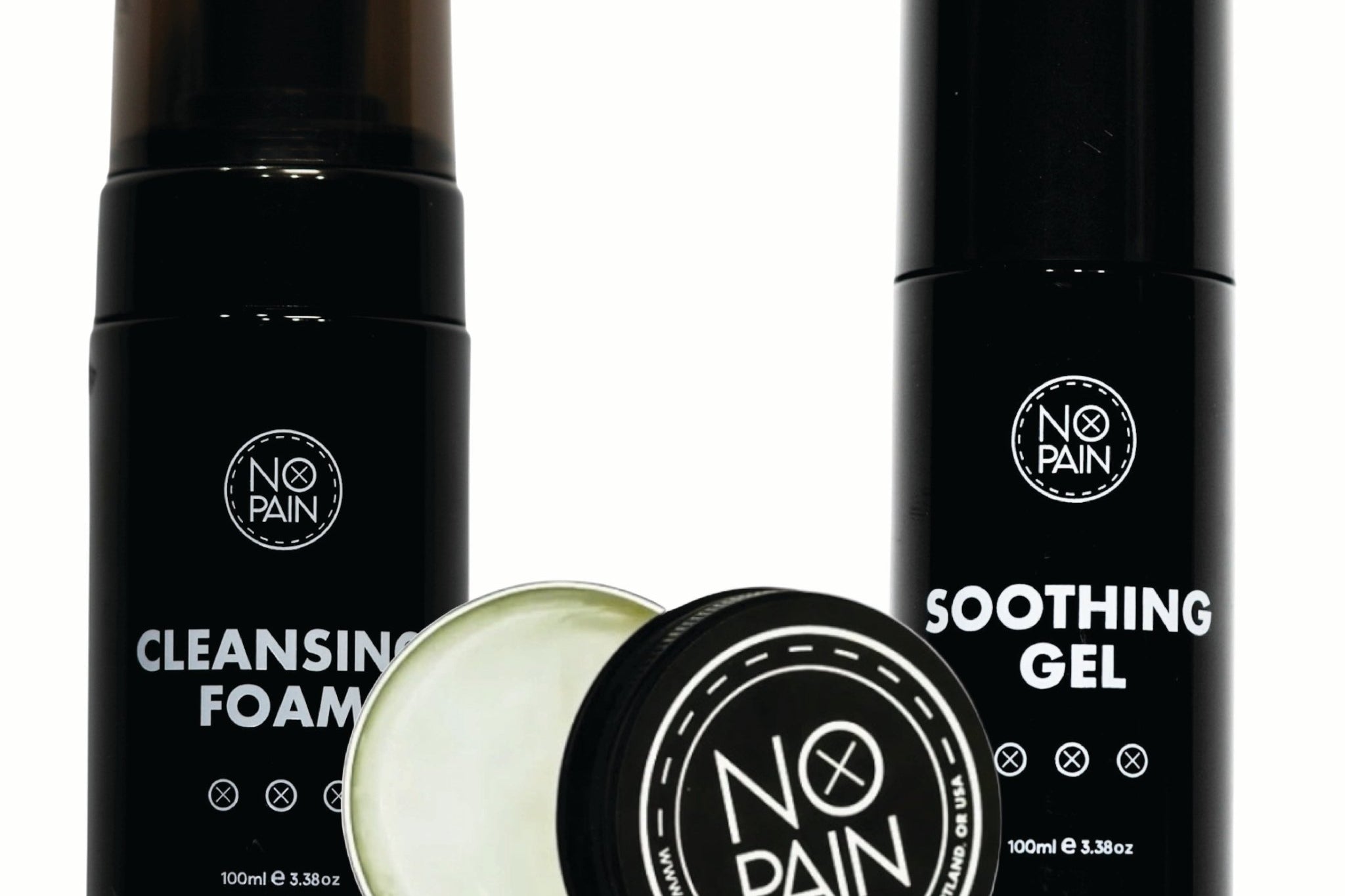
Lightweight cooling gel for the raw first days of healing. Absorbs rapidly and leaves no occlusive layer, so it won't trap plasma or seal a wound that still needs to breathe. Apply a thin layer after each wash. 100% money-back guarantee.
Day 3 onward: nourishing balm
Once the weeping stops and the surface starts to close and peel, the wound's needs change. A nourishing balm supports the new skin forming underneath and provides the richer moisture the peeling phase requires. Applying balm during the first two to three days (before the wound has closed) is one of the primary routes to the bubbling and congestion described above. Getting the timing right is the fix.

Shea butter balm for the peeling and milky phase. Richer than the gel, designed for skin that has already closed at the surface. Nourishes the new skin forming underneath without congesting a wound that's still open. 100% money-back guarantee.
At either stage, apply a thin, barely-visible layer. Not a thick coat, not a shine. The product keeps the surface from drying out between washes. It doesn't need to build up to do that job.
The Right Product at the Right Stage
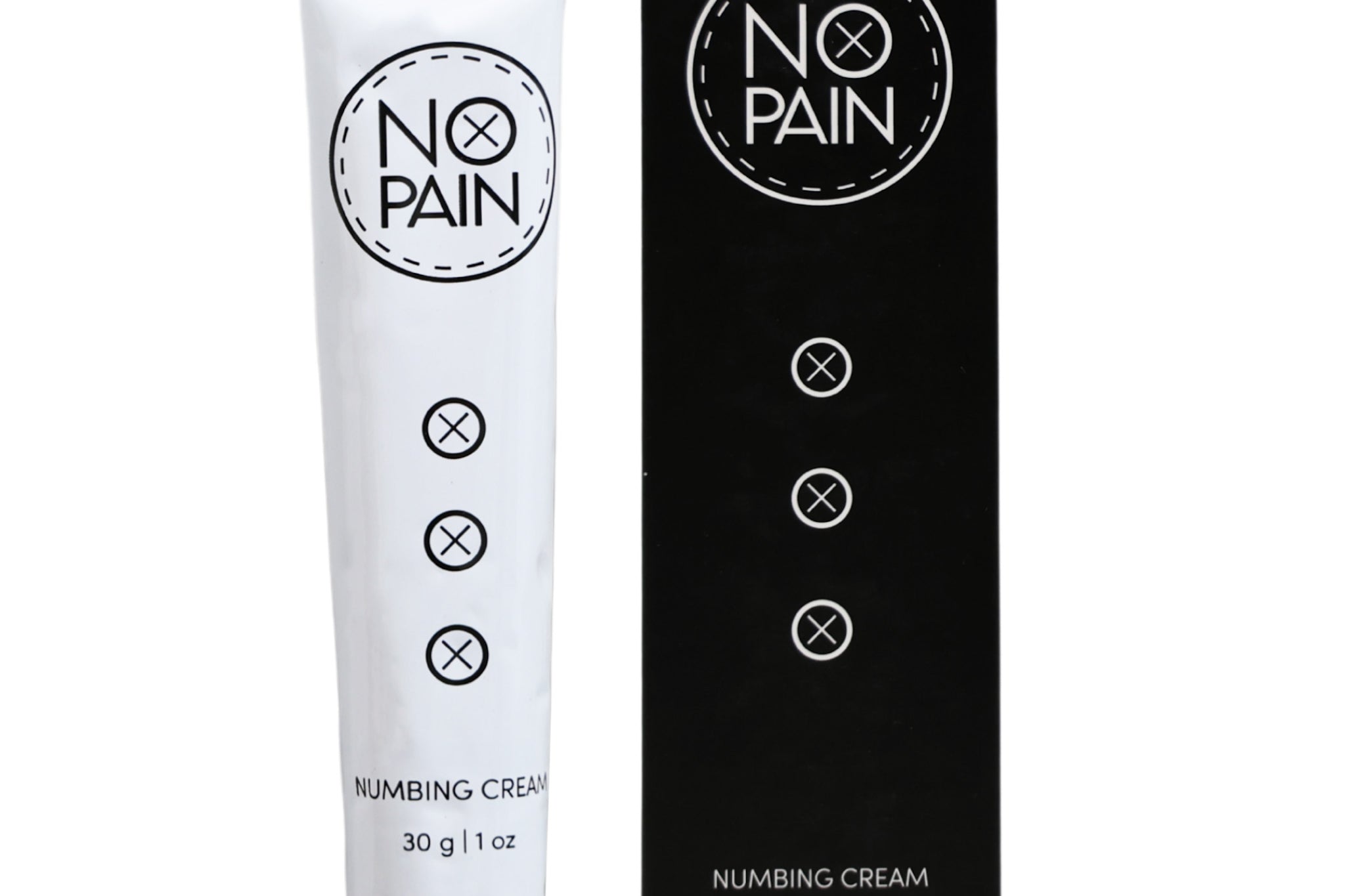
The Aftercare Bundle covers both phases: soothing gel for the first few days while the wound is open, nourishing balm from day three onward. No petroleum, no fragrance, nothing that will occlude a wound that still needs to breathe.
Shop the Aftercare Bundle →Formulated at Historic Tattoo in Portland, Oregon. 100% money-back guarantee.
Frequently asked questions
Can you over-moisturize a tattoo?
Yes. The problem almost always comes from product selection rather than application frequency. Heavy ointments, petroleum-based products, and thick balms used during the first few days create an occlusive seal that traps plasma and prevents the wound from breathing. A lightweight gel in the first two to three days, followed by a nourishing balm from day three onward, gives the skin what it needs at each stage without over-saturating it.
What does an over-moisturized tattoo look like?
The clearest sign is tattoo bubbling: a soft, puffy, waterlogged appearance with small raised bubbles across the surface. You may also see small pimple-like bumps where pores have clogged, or the skin may feel gummy or tacky long after applying aftercare. All of these indicate the surface isn't breathing properly. Wash gently, air dry fully, and switch products before applying anything else.
How often should you moisturize a new tattoo?
After each wash during the first two weeks, and any time the tattoo feels uncomfortably tight or dry between washes. That typically means two to three applications per day in the first few days, dropping to once or twice daily once weeping has stopped. With a fast-absorbing gel, frequency isn't the variable to worry about. Product type is.
Can too much Aquaphor or Vaseline cause tattoo bubbling?
Yes. Both are occlusive products: they form a surface seal rather than absorbing into the skin. Applied during the first few days when the wound is still weeping plasma, they trap fluid and heat against the surface. Bubbling and a soggy, gummy texture are the common result. If you've been using either and the tattoo looks waterlogged, stop, wash gently, let it air out for at least 20 minutes, and switch to a lightweight gel.
What's the difference between over-moisturizing and using the wrong product?
They're related but not the same. Applying the right product frequently is unlikely to cause problems because a fast-absorbing gel doesn't build up on the surface. The real issue is almost always product type: something that creates an occlusive layer over a wound that's still open. You can apply a lightweight gel multiple times a day without consequence. A single heavy application of a thick ointment at day one can be enough to cause bubbling.
Should I stop moisturizing if my tattoo is bubbling?
Yes, temporarily. Wash gently, dry fully, and let the area air out for 20 to 30 minutes. If the bubbling settles, apply a very thin layer of lightweight gel and monitor. If the bubbling returns, the product is the issue. Switch before applying anything else. Persistent bubbling after switching products, or bubbling accompanied by colored discharge, spreading redness, or a fever, needs a doctor's assessment rather than more aftercare adjustments.