


A new tattoo weeps. This is normal, expected, and part of how healing works. Your body treats the tattooed area as an open wound—because that's what it is—and plasma, lymph fluid, and trace amounts of excess ink are pushed to the surface as the skin begins its repair process.
What's normal: weeping that starts within hours of the session and tapers off significantly within the first 48 hours. What's not normal: active, ongoing oozing past day two or three.
If you're at the 72-hour mark and your tattoo is still producing fluid, something in the healing environment is off. Here's what's likely causing it and what to do.
The most common cause: you're over-moisturizing
This is responsible for the majority of extended-oozing situations. The instinct to keep a new tattoo heavily moisturized is well-intentioned, but a healing wound needs oxygen as much as it needs hydration. When you apply a thick, occlusive product—petroleum jelly, shea butter, heavy ointments—or apply any product in too large a quantity, you're sealing the wound and preventing it from drying and closing.
What happens next looks like continued oozing: plasma and fluid that would otherwise evaporate are trapped against the surface, constantly refreshing.
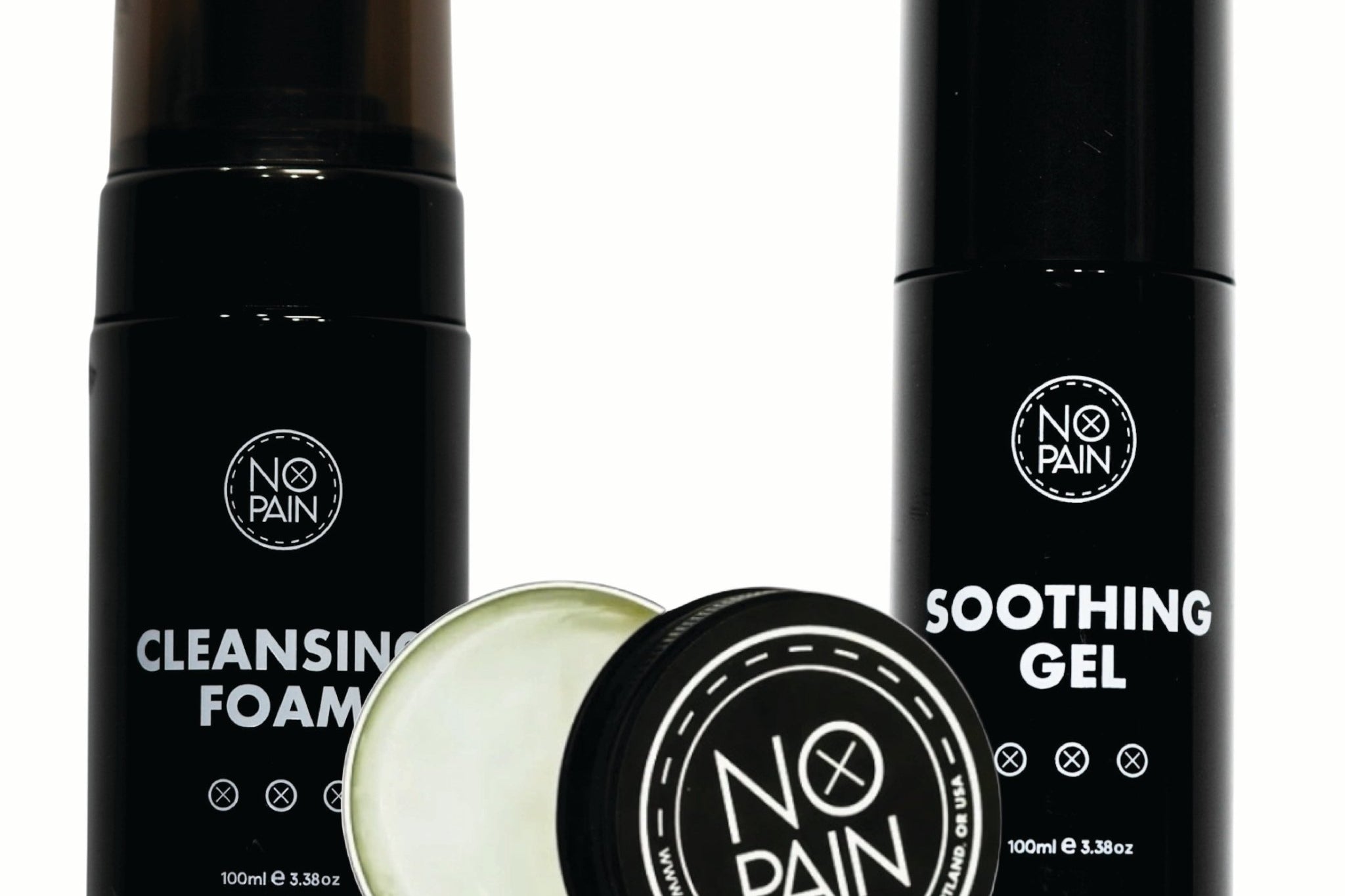
The fix: stop the heavy product immediately. Let the tattoo air dry after washing for 30 to 60 minutes rather than applying moisturizer right away. When you do moisturize, use a thin layer of a water-based, fast-absorbing product rather than an occlusive one. The No Pain Tattoo Soothing Gel is well-suited to this situation—it hydrates the skin without creating a barrier, allowing the wound to breathe while reducing inflammation and irritation at the same time.
The other possibility: infection
If you've already been using a light touch with aftercare and the oozing is still continuing past 48 hours, it's worth ruling out infection.
Normal healing produces clear or very lightly tinted fluid that's watery and doesn't smell. Infected tissue produces fluid that's opaque—thick, white, yellow, or green—with an odor. An infected tattoo will also typically show escalating redness and swelling (rather than decreasing), and the area may feel noticeably warmer than surrounding skin.
If any of those signs are present, stop self-treating and see a physician. Tattoo infections are genuinely serious and need medical attention, not a different aftercare product.
The corrective routine for over-oozing
Once you've identified the cause as over-moisturizing, address it directly. Wash gently two to three times daily with a foam cleanser that removes debris without stripping the skin. The No Pain Tattoo Cleansing Foam works well here—it cleans thoroughly and rinses off completely without leaving residue. Pat dry with a clean cloth or paper towel, then let the tattoo air out for at least 30 minutes before applying anything.
Apply a very thin layer of water-based gel—not an ointment, not a thick balm. Thin and breathable. Within 24 to 48 hours of switching to this approach, you should see the surface begin to dry and the weeping stop. If it doesn't improve within that window or worsens, medical review is the right call.
One useful distinction
If your tattoo looks like it's still damp but doesn't produce visible fluid when pressed or touched, that's likely just the ink-sac phase—a normal healing stage where the skin appears shiny and slightly raised due to fluid consolidating under the surface. This looks alarming but resolves on its own. True oozing produces fluid you can see or feel on the surface.
Oozing is normal for the first 48 hours, but not after day three. If yours is still weeping, the fix is almost always simpler than you think: less product, more air, and a lighter hand going forward.