
Yes. This is precisely what high-quality numbing cream was designed for. The painful placements — ribs, sternum, spine, feet, inner bicep, back of the knee — are exactly where a proper numbing cream makes the biggest difference, both for your comfort and for the quality of the tattoo itself.
In this article
- What makes a placement sensitive
- Why numbing matters beyond just comfort
- How to apply numbing cream for a sensitive placement
- Longer sessions: using spray mid-session
- FAQ
What Makes a Placement Sensitive
The body's most painful tattoo placements share a few characteristics. Thin skin with little fat or muscle beneath it offers minimal cushioning between the needle and the nerve endings below. Bone proximity means the vibration of the machine transmits through the skeletal structure rather than being absorbed by soft tissue. High nerve density — particularly from major nerve trunks — produces the radiating, electric quality that makes certain spots dramatically more intense than others.
The classic high-sensitivity placements: ribs and sternum, spine, ankles and feet, shins, kneecap and knee ditch, inner bicep and inner elbow, inner thigh, fingers and toes, and the area directly above the hip bone. These aren't arbitrary rankings. Each has a specific anatomical reason for its rating, and numbing cream addresses the surface nerve mechanism that makes all of them painful.
Why Numbing Matters Beyond Just Comfort
Pain tolerance is personal, but flinching is involuntary. When a sudden spike of pain hits — the first pass over a rib, the vibration against the ankle bone — the body's response is a micro-movement. A flinch, a muscle contraction, a shift in position. This is the part that matters for the tattoo itself.
An artist doing detailed linework on the sternum needs you to stay still. Even a small, involuntary movement mid-pass can affect the quality of a line. This is especially true in high-pain placements where the intensity tends to be unpredictable and spiking rather than consistent. Numbing cream doesn't just make the experience better for you. It gives your artist a calmer, more predictable surface to work on, which directly affects the precision of the result.
How to Apply Numbing Cream for a Sensitive Placement
Apply two coats under cling film, 90 to 120 minutes before your session. The first coat goes on the clean, dry skin. Spread it in a thick, even layer. Cover it with cling film to create an occlusive seal that drives the active ingredient deeper into the skin. Let this sit for 45 minutes. Then apply a second coat on top of the first (without removing it), reseal, and let it absorb for the remaining time.
Tell your artist you've applied numbing cream. This is not optional. Numbing cream can slightly change the surface texture of the skin. Artists who know about it can adjust their pressure and technique accordingly. Hiding it is unfair to them and can produce inconsistent results.
Remove the cream just before the session starts. Wipe off the product cleanly with a dry cloth. The numbness is in the tissue, not in the cream itself, so removing it doesn't undo the effect.

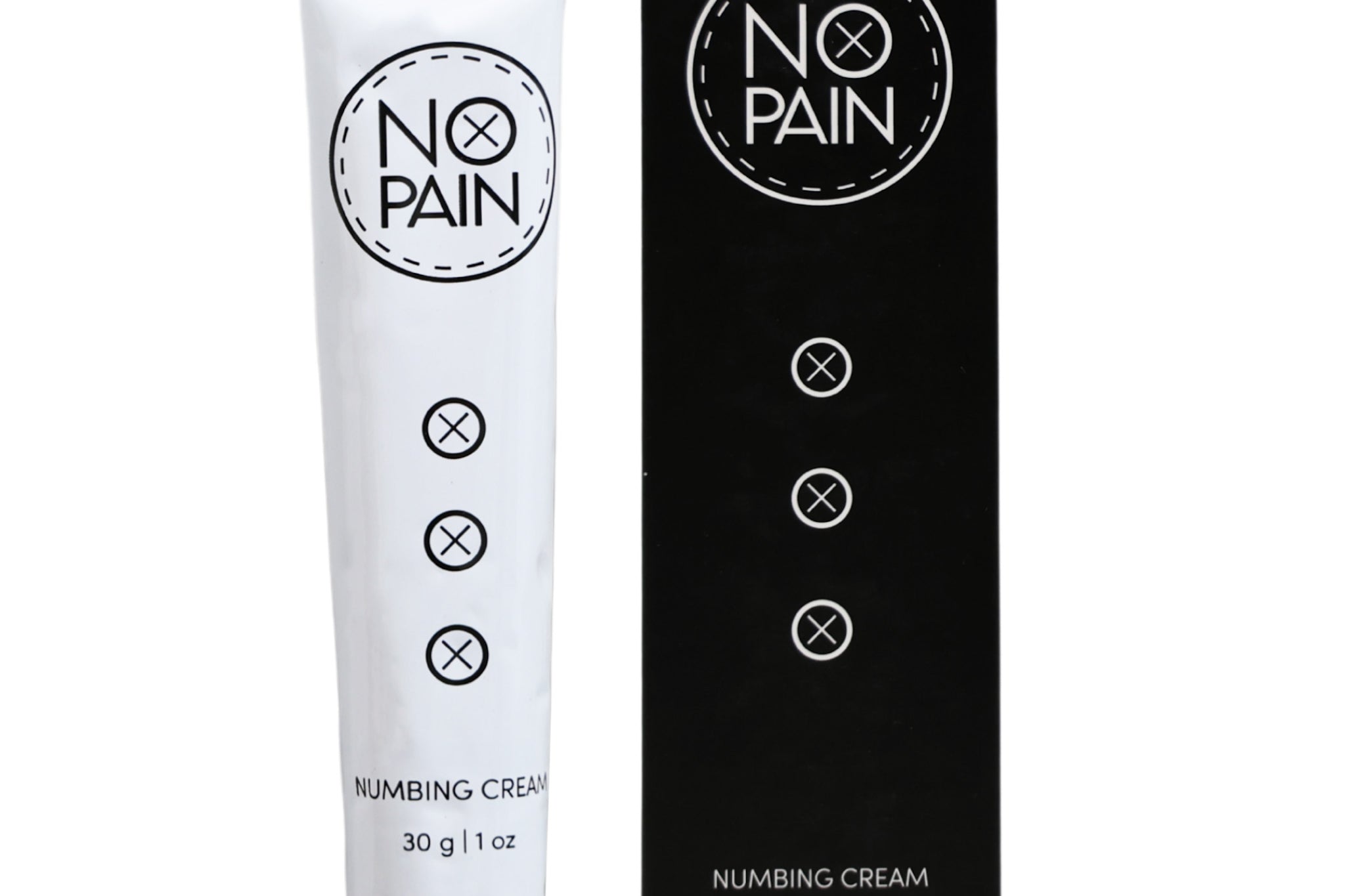
Maximum-strength formula in a thick, slow-absorbing base. Designed specifically for the high-pain placements where staying still matters most. Two coats under cling film 90 to 120 minutes before your session. Tell your artist you've applied it.
Longer Sessions: Using Spray Mid-Session
The cream's initial effect typically covers two to three hours of tattooing. For large pieces on sensitive placements — a full rib panel, a sternum piece, a detailed back section — sessions can run four to six hours or more. When the initial numbness fades, the remaining time is often the hardest to push through.
A mid-session numbing spray addresses this. Unlike cream (which must be applied to intact skin before the session), spray can be applied to broken skin during a break without disrupting the work. Your artist applies it, lets it take effect for a few minutes, and the remaining hours become manageable again. The combination of pre-session cream and mid-session spray is the approach for any long sitting on a painful placement.

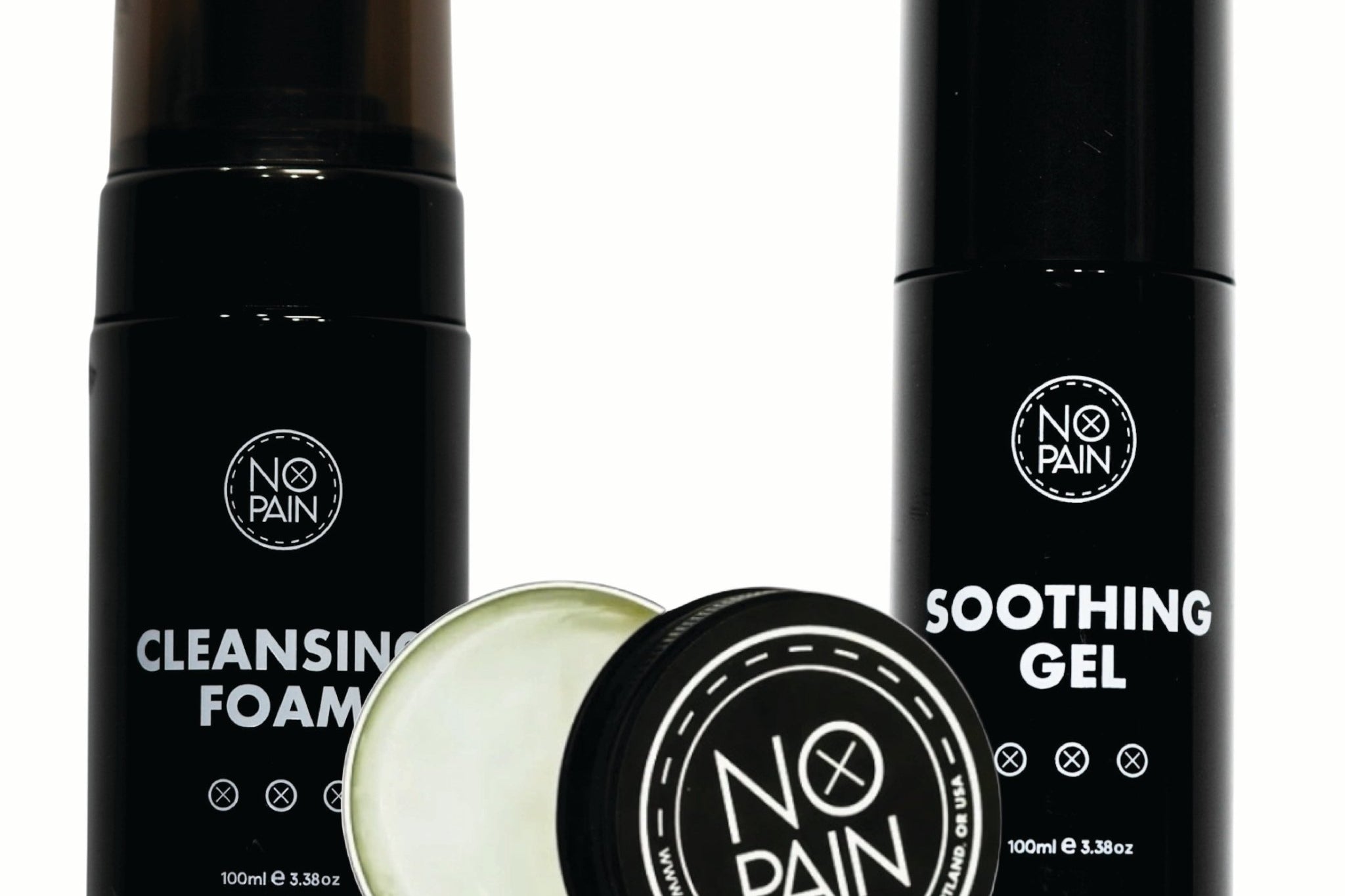
Cream before the session, spray mid-session on broken skin. The complete two-part system for getting through a long sitting on a sensitive placement from start to finish.
FAQ
Does numbing cream actually work on sensitive placements like the ribs?
Yes. The mechanism is the same regardless of placement: the active ingredient (typically lidocaine at maximum strength) blocks sodium channels in the surface nerve endings, reducing how much signal reaches your brain. High-pain placements have more nerve endings near the surface, which means you feel more without numbing. With cream applied correctly, that same placement still produces the most sensation relative to your other tattoo experiences, but it's a manageable pressure rather than an overwhelming pain. Most people rate their most feared painful placements as a 3 to 5 out of 10 with proper numbing versus a 9 or 10 without it.
How long does numbing cream last during a tattoo session?
A proper application with two coats under cling film for 90 to 120 minutes produces numbness that lasts approximately two to three hours of tattooing. The exact duration depends on the individual, how well the cream was applied, and the placement. For sessions running longer than three hours, a mid-session numbing spray applied by the artist to the broken skin extends coverage through the rest of the sitting.
Will numbing cream affect how my tattoo heals?
No, not meaningfully. Numbing cream affects the surface nerve endings during the session. Once it wears off and you begin your aftercare routine, the healing process is the same as any tattoo. The cream does not interfere with how the ink was placed in the dermis or with the skin's healing response.
Can my artist apply numbing cream in the studio?
Some do, some don't. The issue is timing: effective numbing requires 90 to 120 minutes of contact time before the session. Most studios don't build that wait into their booking schedule. Applying it yourself before you arrive is the reliable approach. Inform your artist when you book and confirm they're comfortable working on pre-numbed skin. Most experienced artists have no objection.
What's the most painful tattoo placement numbing cream helps with the most?
The placements where it makes the biggest difference are the ones with the most unpredictable, spiking pain: the ribs (bone vibration is hard to sit through consistently), the sternum and solar plexus area (the deep pressure can produce a nauseous quality), the spine (bone conduction throughout the session), and the inner elbow and knee ditch (the electric, radiating sensation from the nerve trunks running through those spots). At these placements, numbing cream is less about making a tolerable session more comfortable and more about making a session you might not be able to sit through possible to complete.
Does numbing cream let any skin type or anyone get tattooed on sensitive areas?
For most people, yes. The main contraindications for numbing cream are a known allergy to lidocaine or other amide-type local anesthetics. If you've had a reaction to dental anesthesia or local numbing agents in a medical setting, check with your doctor before using topical lidocaine. Outside of that specific situation, maximum-strength topical numbing cream is safe for most healthy adults and appropriate for any skin type on any placement.
Get the Tattoo You Actually Want
Maximum-strength numbing cream for pre-session, numbing spray for mid-session. Don't let a difficult placement stop you from the tattoo you've been planning.
Shop the Comfort Bundle →Backed by our money-back guarantee.