

The chest is not one pain level - it is several, depending on exactly where the needle lands. For men, the outer pectoral muscle is one of the more manageable spots on the upper body at 4 to 6 out of 10, but the sternum and collarbone push that to 8 to 9. For women, the experience runs more uniformly high across the whole placement because most chest designs sit closer to the bone and the ribs rather than over thick muscle mass. The sternum is an 8 to 9 for everyone regardless of anatomy.
What makes the chest distinctive beyond the pain rating is the session itself. A chest piece demands that you lie still and breathe evenly while an artist works on bone, and that combination is harder to manage than most placements of equivalent pain level. This guide covers the anatomy zone by zone, what the session arc actually feels like, and what makes a real difference in getting through it.
In this article
- Why the chest hurts
- Zone breakdown for men
- Zone breakdown for women
- What the session feels like
- How to manage chest tattoo pain
- Healing a chest tattoo
- Frequently asked questions
Why the Chest Hurts
The chest is a study in contrast. The pectoral muscle - when it is the actual canvas - is large, thick, and provides real cushioning between the skin and the structures beneath. But most chest tattoos are not limited to the pec. They run toward the sternum, up to the collarbone, or down toward the ribs, and all of those areas are an entirely different proposition.
The sternum (breastbone) is a long flat bone that runs down the center of the chest with almost no soft tissue between the skin surface and the bone itself. The anterior cutaneous branches of the intercostal nerves perforate the chest wall right along the sternum and spread laterally across the chest - these are superficial nerves sitting very close to the skin surface. When the needle hits the sternal skin, the pain is both sharp and bone-deep, with a rattling quality because the bone conducts the machine's vibration through a wide area. For a detailed breakdown of the sternum specifically, the sternum tattoo pain guide covers it in full.
The collarbone (clavicle) adds a second bony ridge along the top of any chest piece. The skin over the clavicle is thin and the bone is close to the surface, particularly in the medial third nearest the sternum. Any design that runs up toward the shoulder crosses this zone.
Zone Breakdown for Men
Outer pectoral muscle is the most comfortable zone on the male chest, coming in at 4 to 6 out of 10. The pec major is one of the thicker muscle groups in the upper body, and that mass gives the skin over it real padding. The sensation here is a consistent burn or scratch - present but not demanding. Large chest pieces often start here because it lets you settle in before the artist moves toward the harder zones.
Upper chest toward the collarbone steps up to 6 to 8 out of 10. As the pec thins out approaching the clavicular head, there is less muscle and the skin lies closer to the bone. Artists working this zone will feel clients tighten up noticeably. The collarbone itself is an 8 for most men, with a rattling quality similar to the sternum.
Sternum and center chest is the hardest zone at 8 to 9 out of 10. The cartilage and bone are directly beneath the skin with almost no buffer. The intercostal nerve branches are right at the surface. This is where bone vibration is most pronounced and where most men hit their limit during a longer session. Bold symmetrical chest pieces that cross the sternum require time in this zone, and it is the part that gets harder, not easier, as the session progresses.
Inner chest toward the armpit follows a similar pattern: the skin thins and the nerve density increases as you approach the axilla. That inner-upper corner of the chest, where the pec inserts near the armpit, can reach 8 to 9 for work that goes into that area.
Zone Breakdown for Women
For women, the most common chest tattoo placements - sternum, upper chest, and underboob - sit over bone and ribs rather than over thick muscle. This means there is no equivalent to the male outer pec "easy zone" that anchors the low end of the experience. The result is a more consistently high pain level across the placement.
Sternum / cleavage area is 8 to 9 out of 10, the same as for men. The anatomy here is identical - thin skin over the breastbone with intercostal nerve branches at the surface. This is the centerpiece of many women's chest designs, and it is the hardest part of the session.
Upper chest / décolletage (the area above the breast tissue toward the collarbone) rates 6 to 8 out of 10. The skin in this zone is thinner and more delicate than skin over a padded area, and it sits over the clavicular region. Some women find this slightly more tolerable than the sternum proper; others find the thin, reactive skin here just as difficult.
Underboob is 8 to 9 out of 10 and rivals the sternum for intensity. The skin sits directly over the lower ribs, the anatomy is similar to a rib tattoo, and every breath moves it. Fine-line underboob designs that require precision passes over the rib cage can be among the most demanding sessions in this placement category. The rib tattoo pain guide covers the breathing and movement challenge in more detail.
Side chest / lateral placement varies from 5 to 8 depending on how far toward the ribs or armpit the design extends. Work that stays on the lateral chest wall without dipping into the rib cage or axilla is more manageable than central or underboob placements.
What the Session Feels Like
Chest sessions have a structural challenge that goes beyond the pain level: symmetry. Most large chest pieces are symmetrical across the sternum, and the lines must match precisely on both sides. This requires the artist to work slowly and deliberately, and it requires the client to lie still and breathe evenly the entire time. A flinch at the wrong moment during the sternal line work can pull a line and create an asymmetry that is very difficult to correct. The chest is a placement where the stakes of staying still are higher than most.
Position matters too. You are lying on your back for the whole session, which sounds comfortable but becomes its own source of fatigue for longer pieces. The back of the head gets sore against the headrest, the shoulders tighten from holding still, and the effort of controlling your breathing while your body wants to react to the needle adds up over two to three hours.
The session arc on a chest piece typically starts on whatever the most padded zone is - outer pec for men, upper lateral chest for women - before moving to the harder central and sternal zones. Most people find the second half noticeably harder than the first, as the skin becomes sensitized from passes and the bone work continues. Shorter sessions with a break or two are worth asking your artist about if the piece is large.
How to Manage Chest Tattoo Pain
The chest is one of the better placements for topical numbing from a practical standpoint. The sternum, collarbone zone, and outer pec are flat and accessible - you can cover them in a few minutes with cling film and tape, and the skin lies flat so the occlusion is even. Underboob placements are the exception: wrapping around and under the breast to reach the lower rib cage is more like wrapping the ribs than wrapping the sternum, and takes more care to get full coverage without gaps.
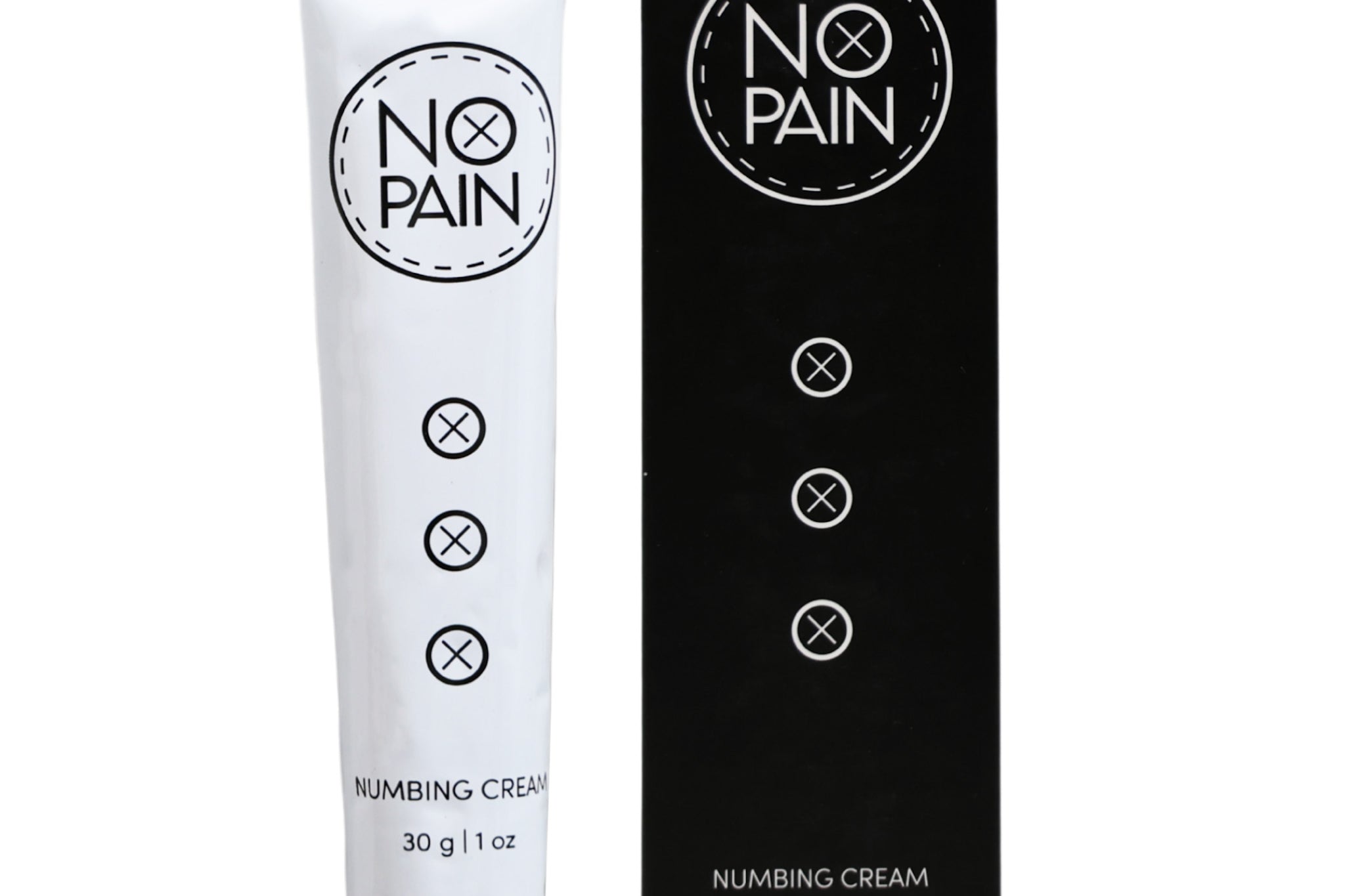
Apply to clean, dry skin 90 minutes before your session. The sternal skin absorbs lidocaine well because it is thin - the same property that makes it hurt is what makes it respond to numbing. A thick, slow-absorbing formula matters specifically because chest sessions are long. A thin cream that peaks in 20 minutes leaves you raw through most of the detail and shading work; a thicker base that holds the active ingredient in the skin carries you through the session properly.

Maximum strength formula in a thick, slow-absorbing base. The chest is flat and easy to cover - apply to the sternum, collarbone zone, and pec under cling film 90 minutes before your session. The thin sternal skin absorbs lidocaine well, and the thicker base holds it active through the full session rather than peaking during the outline and fading before the shading. Formulated at Historic Tattoo in Portland.
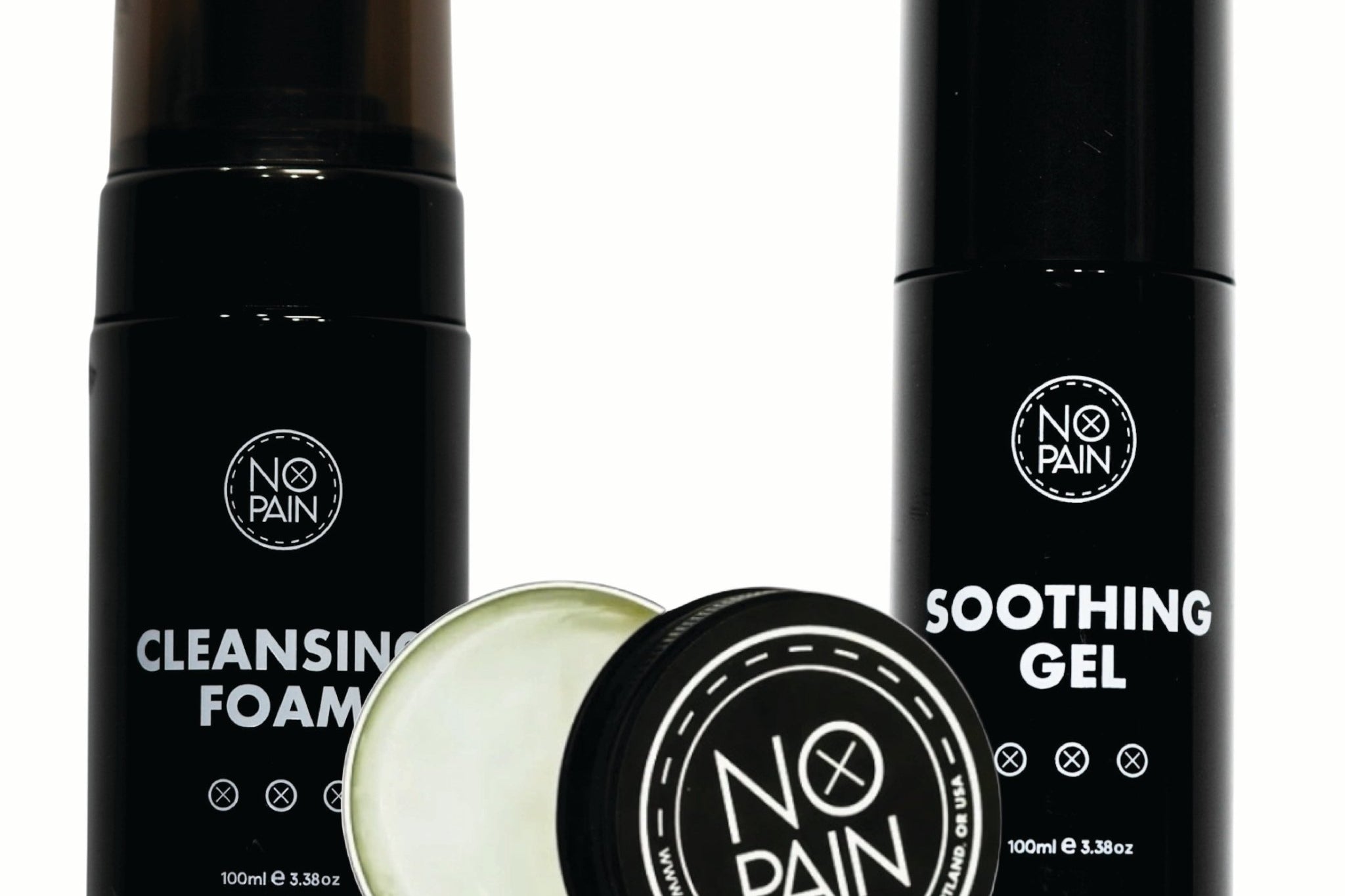
For large chest panels - full-panel pieces, bilateral designs, or anything covering the sternum and both sides - the first application will wear off before the session ends. Secondary numbing gel applied mid-session to broken skin extends coverage through the shading and detail passes when the skin is already reactive. For a chest piece of any real size, the combination is the right call.

Pre-session numbing cream plus secondary numbing gel your artist applies mid-session on broken skin. For full chest panels covering the sternum and both sides, the re-numb carries you through the shading passes when the skin is already worked. Symmetrical chest pieces require the artist to take time with precision - the combination keeps you covered and still through all of it. Formulated at Historic Tattoo in Portland.
Healing a Chest Tattoo
Chest tattoos are moderately challenging to heal. The skin is not under the constant mechanical stress of a foot or knee, but there are specific friction sources that matter.
For women, bra straps and underwire are the primary issue. Any band or strap that sits over or near the healing tattoo will rub constantly with daily movement. Soft bralettes without underwire, bandeau styles, or going without entirely are worth doing for at least the first week if the tattoo placement allows. A breathable, non-stick dressing over the healing area can reduce strap contact during the early days.
For everyone, collared shirts, crew necks, and anything with a neckline seam that crosses the upper chest or collarbone zone will create friction. Loose V-necks and open-collar shirts minimize contact. Sleep position is also a factor - lying face down puts direct pressure on a healing chest tattoo and can cause ink disruption and discomfort for the first week. Back sleeping is easier on the piece.
Sun exposure is a specific risk for chest tattoos, particularly for placements in the upper chest and sternum area. V-neck shirts and open-collar styles leave this zone exposed constantly. Fresh work needs complete shade for the first two to four weeks, and SPF 30 or higher once fully healed protects the work from fading over time. The placement and healing guide covers the general healing arc across placements.
Frequently asked questions
How bad does a chest tattoo hurt?
It depends on where on the chest. The sternum is 8 to 9 out of 10 for both men and women - thin skin directly over the breastbone with intercostal nerve branches at the surface, plus bone vibration from the machine. The outer pectoral muscle is 4 to 6 for men with developed pec mass, which is considerably more manageable. For women, most common chest placements (sternum, upper chest, underboob) run 6 to 9 across the board because they sit over bone and ribs rather than thick muscle. The collarbone zone is 7 to 8 regardless of anatomy.
Do chest tattoos hurt more for women than men?
Not because of any fundamental difference in pain sensitivity, but because of anatomy. Men with developed pectoral muscles have a large, well-padded zone on the outer chest that cushions the needle and keeps pain relatively low. Most women's chest placements - sternum, cleavage, upper chest, underboob - sit over the breastbone and lower ribs rather than over that kind of muscle mass, so the pain tends to run higher across the full placement. Both men and women rate the sternum itself identically. The difference is in what sits around it.
Can you numb a chest tattoo?
Yes, and the chest is actually one of the better placements for it. The surface is flat and easy to cover with cling film evenly, which is the key to getting a full, consistent numb. Apply a maximum strength formula to the areas being worked - sternum, collarbone, outer pec - under cling film 90 minutes before your session. The thin sternal skin absorbs lidocaine well. A thick formula that holds the active ingredient in the skin is worth choosing over a thin cream, because chest sessions are long and you want coverage through the full sitting, not just the outline.
How long does a chest tattoo session take?
A small chest piece can be done in one to two hours. A full chest panel covering both sides and the sternum is typically three to five hours minimum, often split across multiple sessions. The sternum and symmetrical linework take time because the artist needs to work carefully on both sides. Most people find it worth splitting a large chest piece into at least two sessions rather than pushing through a single long sit - the skin and your pain tolerance hold better across shorter sessions.
Why does the sternum hurt so much for a chest tattoo?
Three factors combine at the sternum. The skin is thin with almost no fat or muscle between the surface and the bone. The anterior cutaneous branches of the intercostal nerves perforate the chest wall right along the sternum, putting active nerve tissue very close to the surface. And the flat bone conducts the machine's vibration through a wide area rather than absorbing it. The result is sharp surface pain plus deep bone vibration at once, which is the combination most people find hardest to sit through. The sternum tattoo pain guide goes into this in more detail.
Is a chest tattoo a good first tattoo?
For most people, no - not as a first tattoo. The sternum and collarbone zones are among the more painful spots on the body, and a large chest piece is a long session. Without a reference point for how you handle tattoo pain, committing to a multi-hour chest piece is high risk. A better approach is to get a first tattoo somewhere more forgiving - outer forearm, outer thigh, upper arm - to understand your pain response and session fatigue before booking the chest. If you are set on the chest specifically, a smaller piece placed on the outer pec rather than the sternum is a lower-intensity starting point.
Get Through the Sternum Without Tapping Out
Maximum strength numbing cream in a thick, slow-absorbing base. The chest is flat and wraps easily - apply under cling film 90 minutes before your session. For full panels, the bundle adds a mid-session re-numb for the shading passes when the skin is already worked.
Shop the Comfort Bundle →Formulated at Historic Tattoo in Portland, Oregon.