

Yes, you can get a tattoo if you have keratosis pilaris. KP is a very common, harmless skin condition that doesn't prevent tattooing, but it does affect how the tattoo looks on the skin and what to expect during the process and after healing. The considerations are worth knowing before you book.
In this article
- What keratosis pilaris is
- How KP affects the tattooing process
- What healed tattoos look like on KP skin
- Pre-appointment preparation
- Design choices for KP skin
- Aftercare for KP-prone skin
- FAQ
What Keratosis Pilaris Is
Keratosis pilaris (KP, often called "chicken skin") is a genetic condition affecting around 40% of adults. Keratin, the protein that protects the skin surface, builds up in excess inside hair follicles and forms small, rough plugs. The result is a bumpy, sandpaper-like texture most commonly on the upper arms, thighs, and cheeks. KP is not an infection, is not contagious, and carries no health risk. Many people manage it with regular gentle exfoliation and moisturizing; others leave it entirely alone.
How KP Affects the Tattooing Process
Texture. The most significant consideration. An artist tattooing over KP-affected skin is working on a textured surface rather than a smooth one. The needle will pass through the keratin plugs and deposit ink into the dermis below, but the physical bumps themselves are unaffected by the tattooing process. The healed tattoo will sit on skin that still has the KP texture.
Sensitivity. KP skin tends to be more reactive than unaffected skin. The tattooing process may produce more redness and inflammation than you'd see on smooth skin, and the healing period may feel more irritated. This isn't a reason to avoid getting tattooed; it's worth knowing so you're not alarmed by a more inflamed-looking first few days.
Ink saturation. In some cases, ink may not saturate as evenly in the dense keratin plugs as in the surrounding skin. This can produce a subtly speckled or less solid result in those areas after healing. An experienced artist will adjust their technique (additional passes, adjusted pressure) to minimize this, but some variation is inherent to the texture of KP skin.
What Healed Tattoos Look Like on KP Skin
A healed tattoo on KP-affected skin will have the design clearly visible, but the underlying KP texture will still be present. The ink is in the dermis; the KP bumps are on the epidermis above. Looking at the tattooed skin, you'll see the design, but the surface will feel and look textured rather than smooth. This is not a defect in the tattoo. It's the tattoo on your skin, which has its own texture.
Many people find their results completely satisfying. Others find that bold, high-contrast designs read better on textured skin than fine-line or photorealistic work, because they don't depend on a smooth surface for their visual impact.
Pre-Appointment Preparation
Get the KP as settled as possible before your appointment. Don't book during a flare-up when the area is actively red or irritated. In the weeks before your appointment, maintain your regular KP routine (gentle exfoliation, consistent moisturizing) to get the skin as calm and smooth as you can going in.
Tell your artist about the KP at the consultation. Being upfront allows the artist to assess the specific area, give you realistic expectations for the healed result on your skin, and adjust their technique accordingly. An experienced artist will have tattooed over KP before. If an artist seems unfamiliar with the condition, finding someone with more experience with varied skin types is reasonable.
Don't over-exfoliate or shave aggressively right before the session. Your artist will prepare the skin. Coming in with freshly irritated skin complicates the process unnecessarily.
Design Choices for KP Skin
Not all tattoo styles translate equally well to KP-affected skin. Designs with organic shapes, flowing lines, shading, and natural subjects (botanical, animal, abstract) are generally more forgiving on textured skin. The visual reads naturally even when the skin beneath isn't perfectly smooth. Blackwork, neo-traditional, and Japanese styles all tend to hold up well.
Large flat fills of solid color and designs requiring precise geometric lines can be more challenging. The texture affects how solidly the fill settles and how evenly straight lines read on an uneven surface. This doesn't make these styles impossible, but it's worth discussing with your artist and asking to see healed examples they've done on similar skin types.
Aftercare for KP-Prone Skin
The most important consideration: avoid products that further clog hair follicles. KP is caused by keratin buildup inside follicles. Using a thick, occlusive product like petroleum jelly (Vaseline, Aquaphor) during healing adds to the problem by blocking follicle drainage. Stick to non-comedogenic products.
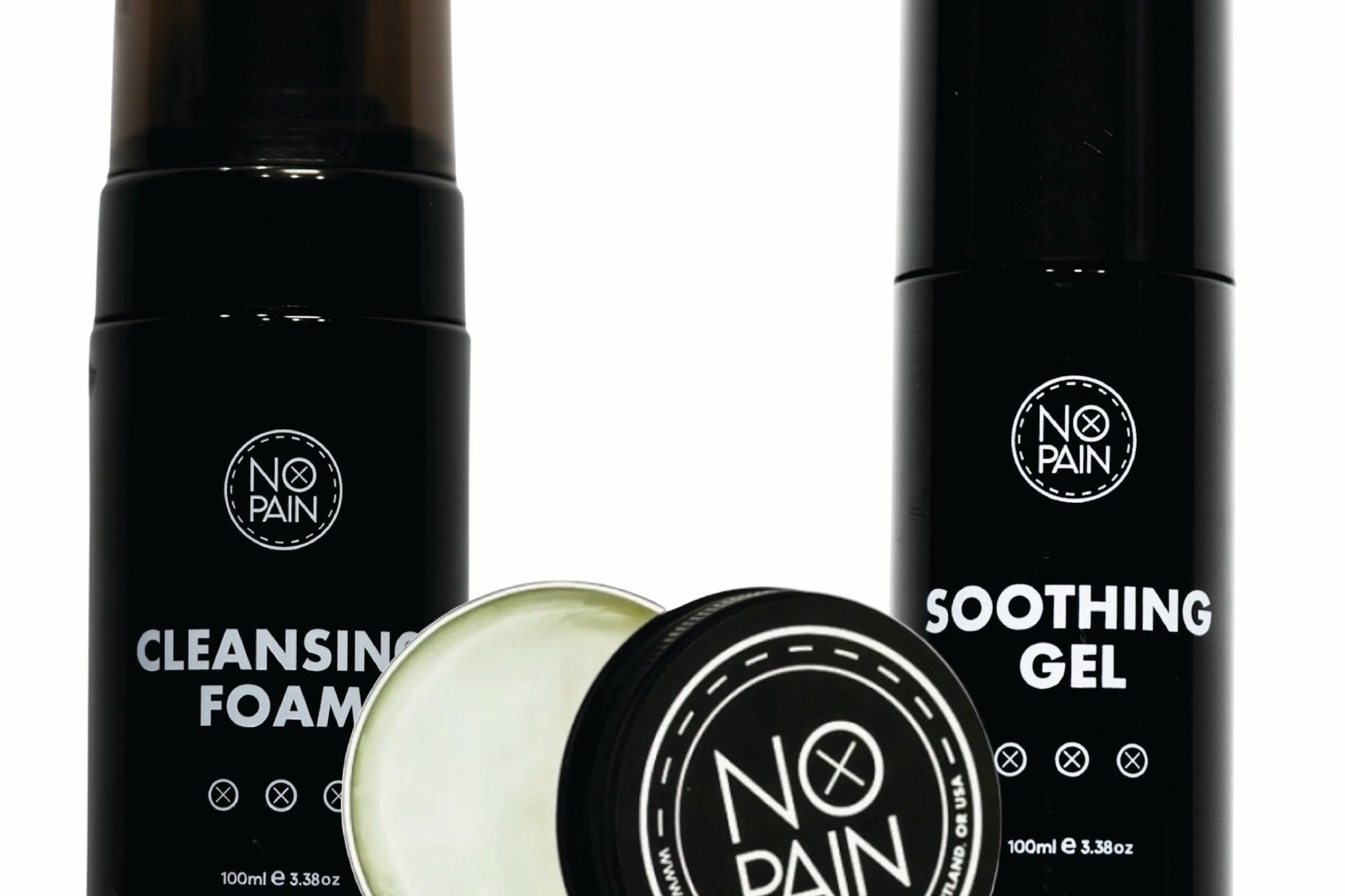
The standard two-phase protocol works well for KP skin: a lightweight soothing gel in the first few days delivers moisture without occluding the follicles, then a nourishing, non-comedogenic balm from day three onward. Wash twice daily with a gentle, fragrance-free liquid soap and pat (don't rub) dry after each wash.
Once the tattoo is fully healed, your regular KP management routine (gentle exfoliation, consistent moisture) can resume. Keeping the skin well-maintained benefits both the KP and the tattoo's long-term appearance.

A lightweight, non-comedogenic gel that delivers moisture without clogging follicles. The right aftercare choice for KP-prone skin in the first few days, when avoiding pore-occluding products matters most.
FAQ
Can you get a tattoo if you have keratosis pilaris?
Yes. KP is not a contraindication for tattooing. The condition affects how the healed tattoo looks on the skin (the KP texture remains visible through and around the ink) and may increase sensitivity and inflammation during healing, but it doesn't prevent a good result. Working with an experienced artist, getting the KP settled before your appointment, and using non-comedogenic aftercare products are the key steps for a successful outcome.
Will a tattoo look bad on keratosis pilaris?
It depends on the design, the artist, and the specific area. Tattoos on KP skin don't look like tattoos on smooth skin, because the underlying texture is still there. Many people find the result beautiful and exactly what they wanted. Others find that designs requiring large smooth fills or fine precise lines are less satisfying on KP skin than on smoother placements. Organic, bold, high-contrast designs tend to translate most naturally to textured skin. Ask your artist to show you healed examples on similar skin types before committing to a design.
Does tattooing over KP hurt more?
Possibly slightly. KP skin is generally more reactive and sensitive than unaffected skin, which may translate to more inflammation and discomfort during the session. The pain level also depends on placement and how active the KP is at the time of the session. Getting tattooed when the area is in a flare-up (red and irritated) will be more uncomfortable and more prone to complications than getting tattooed when the skin is calm. Time your appointment for when the area is as settled as possible.
What aftercare should I use on a tattoo over KP?
Use only non-comedogenic products. KP is caused by keratin building up inside hair follicles, and using thick, occlusive products like Vaseline or Aquaphor can worsen this by blocking follicle drainage. A lightweight, fragrance-free, non-comedogenic gel in the first few days and a non-comedogenic nourishing balm from day three onward are the right choices. Wash twice daily with a gentle fragrance-free soap, pat dry, and apply a thin layer of aftercare. Keep the applications thin; thick layers trap heat and increase occlusion.
Will KP go away after getting tattooed on that area?
No. The tattooing process does not affect the underlying keratin plugs causing KP. The condition is genetic and will continue as normal regardless of whether the area is tattooed. Some people find that the moisturizing routine required for tattoo aftercare temporarily improves the feel of the KP in that area, but this is a side effect of consistent hydration, not of the tattoo itself.
Should I tell my tattoo artist I have KP?
Yes, before booking and at the consultation. Being upfront lets the artist assess the specific area, explain what to expect for the healed result on your skin type, and adjust their technique accordingly. Artists who have worked with KP skin before will have useful experience to share. Artists who are unfamiliar with it may benefit from the heads-up, and it's fair information for them to have before the session.
Non-Comedogenic Aftercare for KP-Prone Skin
Soothing gel for the first few days, nourishing balm from day three onward. Both formulated to provide moisture without the occlusion that worsens KP.
Shop the Aftercare Bundle →Formulated at Historic Tattoo in Portland, Oregon. 100% money-back guarantee.