

Matching tattoos work best when both people would love the design even if they were getting it alone. That's the most important thing to settle before any conversation about style, placement, or artist. A tattoo that only makes sense as one half of a pair is a tattoo that depends entirely on the relationship staying the same. A tattoo that each person genuinely loves as a standalone piece, that also happens to connect to a partner's work, is the version people don't regret.
In this guide
- Types of matching tattoos
- Matching tattoo ideas
- How to choose a design together
- Finding the right artist
- Session logistics
- Healing together
- FAQ
Types of Matching Tattoos
Identical
Both people get the exact same design, in the same size, on the same placement. This is the most literal interpretation of a matching tattoo. It works well for simple, bold designs (a date, a symbol, a small illustration) where the identical nature of the work is part of the statement. The risk is that identical tattoos can feel limiting if one person's aesthetic evolves and the other's doesn't.
Complementary
The designs are different but related. A sun and a moon. A lock and a key. A flower and a bee. Two halves of a phrase. The tattoos tell a complete story together but each person wears one part of it. This approach tends to age better than identical designs because each piece stands as a complete work of art on its own. It also allows each person to get something that fits their individual aesthetic more naturally.
Hidden matching
The tattoos look unrelated to everyone else but have a private connection that only the two people know about. The same hidden date worked into two different designs. A specific symbol from a private reference embedded in otherwise unrelated art. This is a popular option for people who want the meaning without advertising it to the world, and it gives each person complete creative freedom over their own design.
Same style, different designs
Both people get tattooed by the same artist in the same style (fine line, neo-traditional, Japanese, blackwork) but with completely different subjects. The cohesion comes from the artistic voice rather than the literal imagery. When seen together, the work reads as coming from the same world. This is often the best approach when two people have different tastes in subject matter but share a love of a particular aesthetic.
Matching Tattoo Ideas
Celestial. Sun and moon pairings are one of the most popular couple tattoo choices for a reason: they're symbolically rich, read well at a wide range of sizes, and translate beautifully across multiple styles (fine line, illustrative, blackwork). Related options include star and crescent, day and night, or eclipse imagery.
Nature. Complementary natural subjects work at any scale: a wolf and a raven, a bee and a honeycomb, a whale and an anchor, a mountain and a river. The subjects don't need to be literal counterparts. They can simply be two things from a shared natural world that both people love independently.
Flora and fauna pairs. A specific flower and a specific bird that one or both people connect to. A fruit and its tree. A moth and a candle. These pairings offer a lot of design flexibility and look particularly strong in fine line or neo-traditional styles.
Coordinates. The latitude and longitude of a meaningful location (where you met, a first trip, a place that matters to you both). This works as an identical design or as two separate locations from the same relationship story placed on each person.
Literary or cultural reference. A shared book, film, or piece of music that you both connect with independently of each other. This tends to produce the strongest matching tattoos because the design emerges from something you both already love on its own terms.
Abstract or geometric. Two complementary shapes, a pattern that fits together, or two halves of a larger geometric composition. Abstract designs are particularly forgiving if tastes diverge over time, since their meaning is private by nature.
A date or phrase. Simple and direct: a date written in a consistent style, or a phrase split across both people. These require less artistic collaboration but tend to be the most contingency-dependent of the options (a split phrase is the clearest example of a tattoo that only makes sense if the relationship continues).
How to Choose a Design Together
The most important filter: each person should be able to say, honestly, that they would get their half of the tattoo regardless of the relationship. If one person's answer is no, the design needs more work.
Start by collecting references separately rather than together. Each person finds images and ideas they genuinely love, then the two of you look for overlap or complementary directions. This surfaces genuine shared taste rather than one person deferring to the other.
Avoid names and portraits. A partner's name or face on skin is a statistically poor bet, not because of pessimism about the relationship, but because even long, successful relationships change over time, and so do people's aesthetics. A symbolic design carries the same meaning without the literal dependency.
Give the idea time. The designs you love three months from now will tell you more than the ones you're excited about today. Most good matching tattoos come from an idea that both people kept returning to over time, not from an impulse decision made together on a Saturday.
Finding the Right Artist
For a matching or complementary set, both tattoos should ideally come from the same artist in the same session (or back-to-back sessions). This ensures the style is consistent and the two pieces feel connected rather than coincidental.
Find an artist whose portfolio you both love before you start talking about designs. The artist should come first. If you pick the design first and then search for an artist to execute it, you narrow your options and may end up with work that's technically accurate but missing the voice that would make it memorable.
Book a joint consultation. Bring your references, explain the connection between the two designs, and let the artist weigh in on whether the concept translates well to their style. A good artist will have ideas that improve on what you brought in.
Session Logistics
For two people being tattooed together, the most common approach is a same-day booking with one artist doing both pieces back to back, or two artists working simultaneously if the studio can accommodate it.
Same-day simultaneous work is a better experience. You finish together and can be present for each other throughout the session. If it's not possible logistically, staggered same-day appointments still work well.
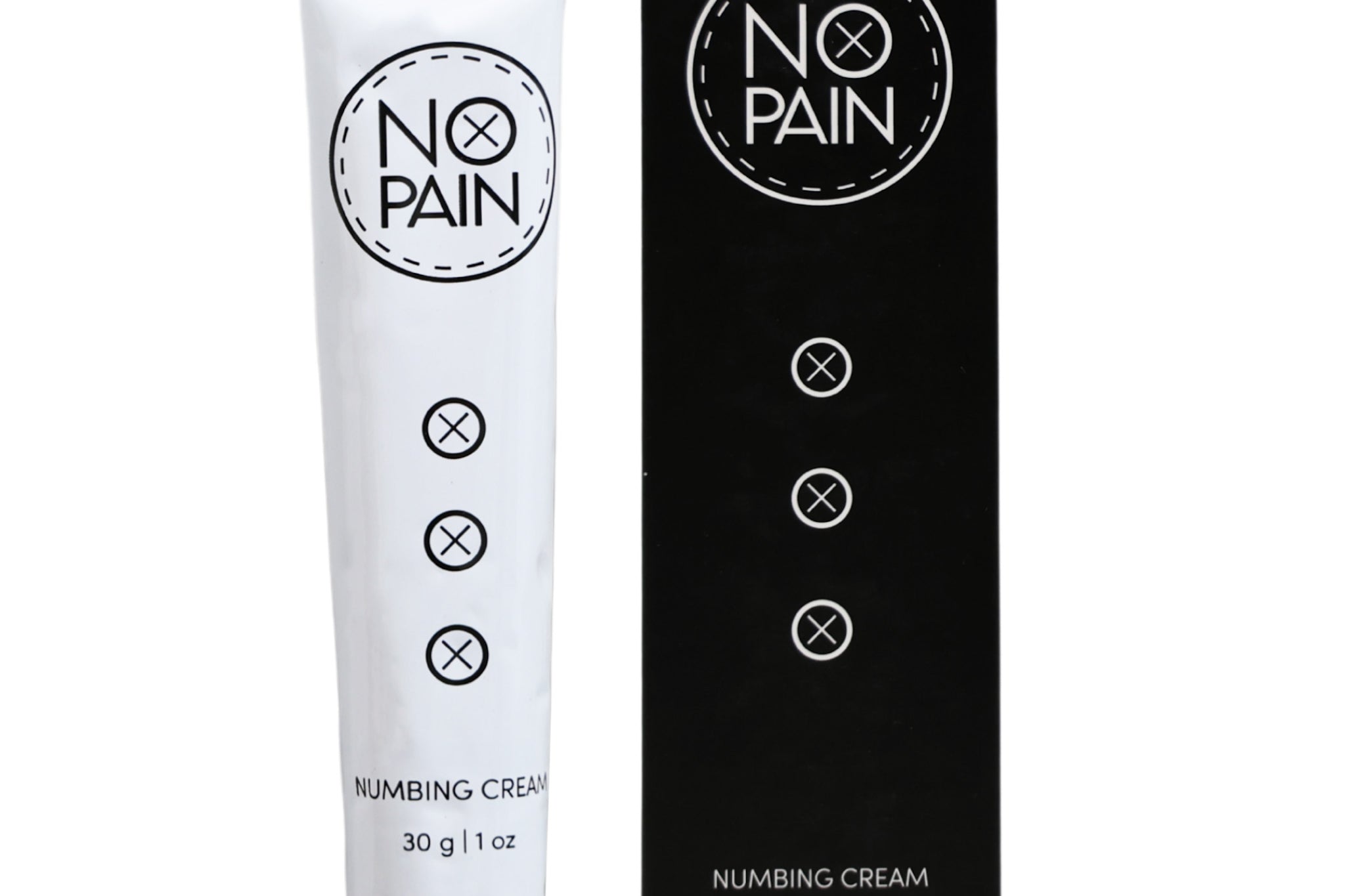
Pain management matters more in a couple's session than a solo one, because the experience of one person affects the other. If one of you has a significantly lower pain tolerance or a more sensitive placement, numbing cream helps keep the energy in the room positive rather than one person white-knuckling it while the other is fine.

Maximum-strength numbing, applied before the session. Useful for anyone with a lower pain tolerance or a sensitive placement, and a practical way to make a shared experience more comfortable for both people. Apply in two coats under cling film 90 to 120 minutes before your appointment.
Healing Together
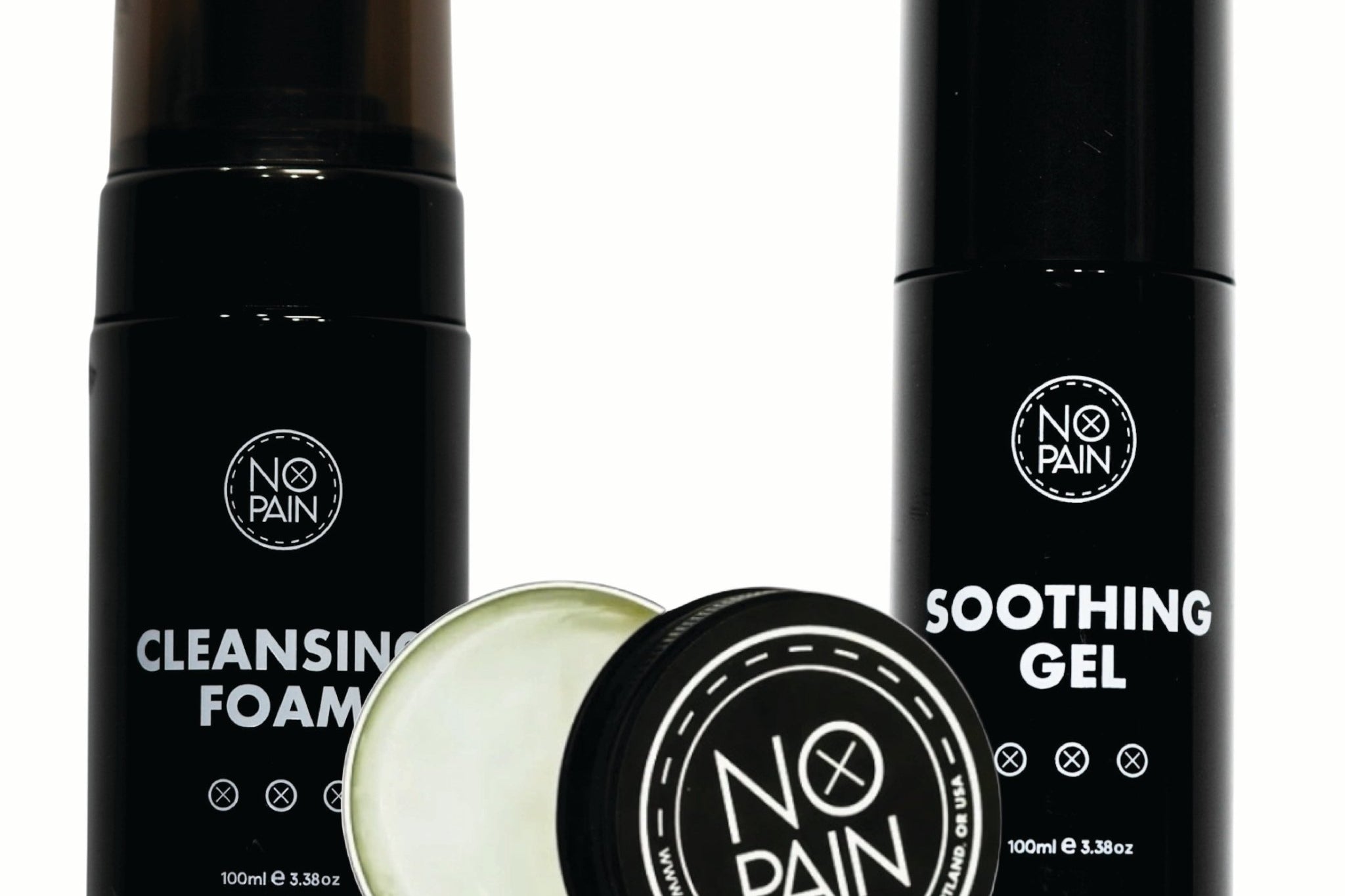
Two fresh tattoos in the same household means both people need to be on the same aftercare protocol. Wash twice daily with a fragrance-free liquid soap, apply a thin layer of soothing gel in the first few days, then switch to a nourishing balm from day three onward. Don't share applicators or product containers if one person's tattoo is healing at a different stage.
The bonding element here is real: reminding each other to wash, not picking at the peeling skin, both resisting the temptation to soak in a bath during weeks one and two. People who heal tattoos together consistently report it as part of the shared memory of the experience.
Heal Them Right, Together
Soothing gel for the first few days, nourishing balm from day three onward. The complete two-phase system for both tattoos, so neither piece heals patchy.
Shop the Aftercare Bundle →Formulated at Historic Tattoo in Portland, Oregon. 100% money-back guarantee.
FAQ
Should matching tattoos be identical?
Not necessarily. Identical matching tattoos are one option, but complementary designs (two related but different images) or same-style different-subject tattoos often age better. The best matching tattoos are the ones each person would genuinely want as a solo piece, that also happen to tell a connected story when seen together. If the tattoo only makes sense as one half of a pair, it depends entirely on the relationship staying static, which is a bigger ask for a permanent decision.
Can we get matching tattoos at different times?
Yes, but it's worth getting both done by the same artist if possible. When you go at different times, there's a risk of slight stylistic drift between the sessions, especially if the artist hasn't done the second piece recently enough to have the exact same hand for it. Same-day or same-week is better than months apart for consistency.
What if we break up?
This is worth thinking about honestly before committing. Designs that each person loves independently of the relationship hold up better to life changes. A tattoo with your partner's name or face depends entirely on how you feel about that person forever. A symbol that had meaning before the relationship, or that you'd still love as a standalone piece, is less contingency-dependent. Laser removal is an option but an expensive and slow one. The better plan is choosing a design you'd be comfortable with regardless of what changes.
What if one of us has a much lower pain tolerance?
Numbing cream helps significantly. Applied to the area being tattooed under cling film 90 to 120 minutes before the session, it reduces the acute surface sensation for most people. If there's a significant difference in pain tolerance between you (or a significant difference in placement sensitivity), one person using numbing cream while the other doesn't is a reasonable approach. It keeps the energy in the room positive and makes the experience enjoyable for both of you rather than one person managing while the other is distressed.
Should we use the same artist for both tattoos?
Yes, if you want the pieces to feel cohesive. The same artist's hand produces a stylistic consistency that's hard to replicate by having two different artists try to match each other. The ideal is one artist working on both people in the same session (or same day). If the artist can only take one of you, ask them to recommend a studio colleague whose style complements theirs closely.
What are the best placements for matching tattoos?
Placements that are easy to display together when you want to: inner forearms, wrists, hands, ankles, and shoulders all work for side-by-side display. If display isn't a priority and the meaning is more private, calves, upper arms, and ribs give more real estate for a larger design with less daily visibility. For first tattoos, the outer forearm and upper arm are the most comfortable placements to start with. Hands and fingers are popular for matching tattoos but heal poorly and fade faster than other placements.