

Most people white-knuckle through tattoo pain without saying a word. They assume the artist will judge them, that asking to stop is embarrassing, or that discomfort is just the price of the work. None of that is true. Knowing how and when to speak up is one of the most practical things you can do for both yourself and the result.
Good Artists Want to Know
Experienced tattoo artists have a direct interest in you being comfortable enough to sit still. Tensed muscles, involuntary flinching, and holding your breath all make their job harder. An artist working on a client who is in real distress is also working on a client who might move at the wrong moment. Pausing for 5 minutes is far better for both the session and the outcome than pushing through and producing worse work.
Most artists will check in periodically, especially on longer sessions or painful placements. But not all do, and the onus is on you to say something if you need to.
How to Tell When to Speak Up
There is a difference between normal tattoo discomfort and pain that warrants stopping or pausing. Normal discomfort is the baseline level of sensation you feel throughout most of a session: the scratch, burn, or sting that you knew would be there going in. This is what you work through with breathing and distraction.
The time to say something is when:
- The pain level has increased noticeably beyond what it was at the start
- You feel lightheaded, cold-sweaty, or nauseous
- You are fighting the urge to move or pull away
- You notice yourself holding your breath continuously
- You are in genuine distress rather than normal discomfort
- You need water, food, or a restroom break
Any of these is sufficient reason to say something. You do not need to be at a 10 out of 10 to take a break.
What to Actually Say
Keep it simple and direct. You do not owe an apology or a long explanation. A few options that work well:
- "Can we take a quick break?"
- "I need a minute."
- "I need to stop for a moment, I am feeling a bit lightheaded."
- "Can we pause? I need some water and a snack."
If you need to stop for the day and come back, that is also a legitimate choice and a good artist will work with you to reschedule the remainder without making you feel bad about it.
What Not to Do
Do not wait until you are about to faint before saying something. The window between early warning signs and actually passing out is short, and it is much easier to recover from early lightheadedness with a break and some sugar than to recover from a full episode in the chair.
Do not apologize excessively. One brief acknowledgment is fine. Beyond that, it slows things down and artists find it more awkward, not less. Say what you need, take the break, and get back to it.
Do not suffer through a session to the point where you leave feeling terrible. Tattoos done on people who are visibly suffering often do not come out as well, because the skin responds differently and the artist is working under pressure.
Before the Session: Remove the Need
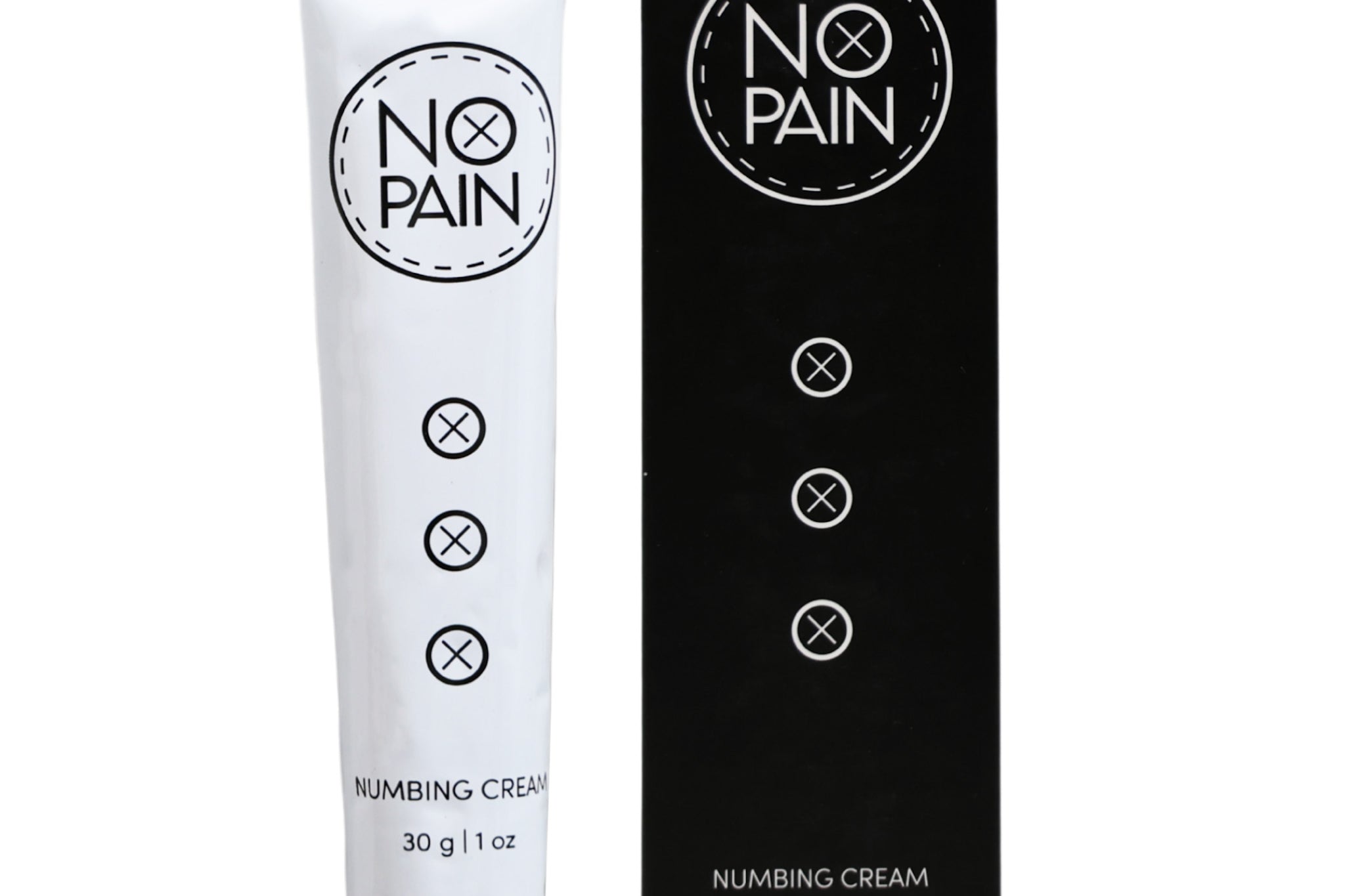
The best version of this situation is one where you rarely have to ask for a break because the session is manageable throughout. Preparation matters: eat a full meal beforehand, hydrate, sleep well, and keep anxiety in check. For placements that are inherently painful, a numbing cream applied before the session can lower the baseline enough that you spend less of the session in the uncomfortable zone.

No Pain Tattoo Numbing Cream
Lower the baseline before you sit down. Apply 45 minutes before your session for up to 90 minutes of relief.
Shop Numbing Cream →A Note on Artist Response
If an artist ever makes you feel genuinely bad for asking to take a break, that is a reflection of them, not you. The vast majority will not. Most have been in the chair themselves and know what it is like. Asking for what you need is not weakness. It is a normal part of getting tattooed, especially on harder placements or in longer sessions.
The Short Version
Speak up early, before you need to. A simple "can we take a break" is all you need. Good artists would rather pause than push through. And if you prepare well beforehand, you may find you need to ask far less often than you expected.