
The short answer most experienced artists give is: skip the coffee. A moderate amount of caffeine before a tattoo session does not automatically ruin the sitting, but it stacks against you in three specific ways that make the experience harder than it needs to be. Here is what is actually happening physiologically, and what to do instead.
In this article
- How caffeine affects the tattoo experience
- What to do instead: a real pre-session routine
- Frequently asked questions
How Caffeine Affects the Tattoo Experience
It raises nerve sensitivity
Caffeine works primarily by blocking adenosine, a neurotransmitter that promotes calm and reduces pain signaling. When adenosine is blocked, your central nervous system stays on high alert. The practical result for a tattoo session: nerve endings that would otherwise dampen their response to repetitive stimulation stay reactive. The “hot scratch” sensation of the needle can feel sharper, more persistent, and harder to tune out than it would in a calm, rested state.
This effect is dose-dependent. A light coffee several hours before the appointment probably does not shift the experience much. A large energy drink or multiple espressos close to the session start is a different situation.
It amplifies anxiety
Caffeine raises cortisol and adrenaline levels — the same hormones your body releases in response to stress. If you are already nervous about the appointment, particularly common with first-timers or people getting work done on a sensitive spot, caffeine adds fuel to that response. The result is jitters, a racing heart, difficulty relaxing, and general restlessness that makes sitting still for hours much harder than it needs to be.
This matters beyond comfort. Muscle tension from anxiety makes skin harder to work, and a client who is flinching or shifting makes it harder for the artist to pull clean lines. A calm, still client produces a better result.
It affects circulation
Caffeine is a mild vasoconstrictor — it narrows blood vessels, which temporarily reduces blood flow to peripheral areas. This is distinct from alcohol (a blood thinner) but affects the tattooing process in its own way. The effect is typically minor on its own, but it compounds with the sensitivity and anxiety factors above to make the overall session harder than it needs to be.
What to Do Instead: A Real Pre-Session Routine
The goal going into a tattoo session is a body that is calm, stable, and well-fueled — the opposite of what a large caffeine dose tends to produce. Here is what actually helps.
Eat a real meal beforehand
Eat a substantial meal rich in complex carbohydrates and protein one to two hours before your session. Low blood sugar is one of the most common reasons people feel lightheaded, shaky, or suddenly overwhelmed mid-session. What often gets misread as an extreme pain response is actually a blood sugar drop. A proper meal prevents this entirely.
Stay hydrated
Drink plenty of water in the 24 hours leading up to your appointment. Well-hydrated skin is more supple, easier to work on, and holds ink better. Dehydrated skin is tighter, more prone to irritation, and more sensitive during the session.
Use a numbing cream for the session itself
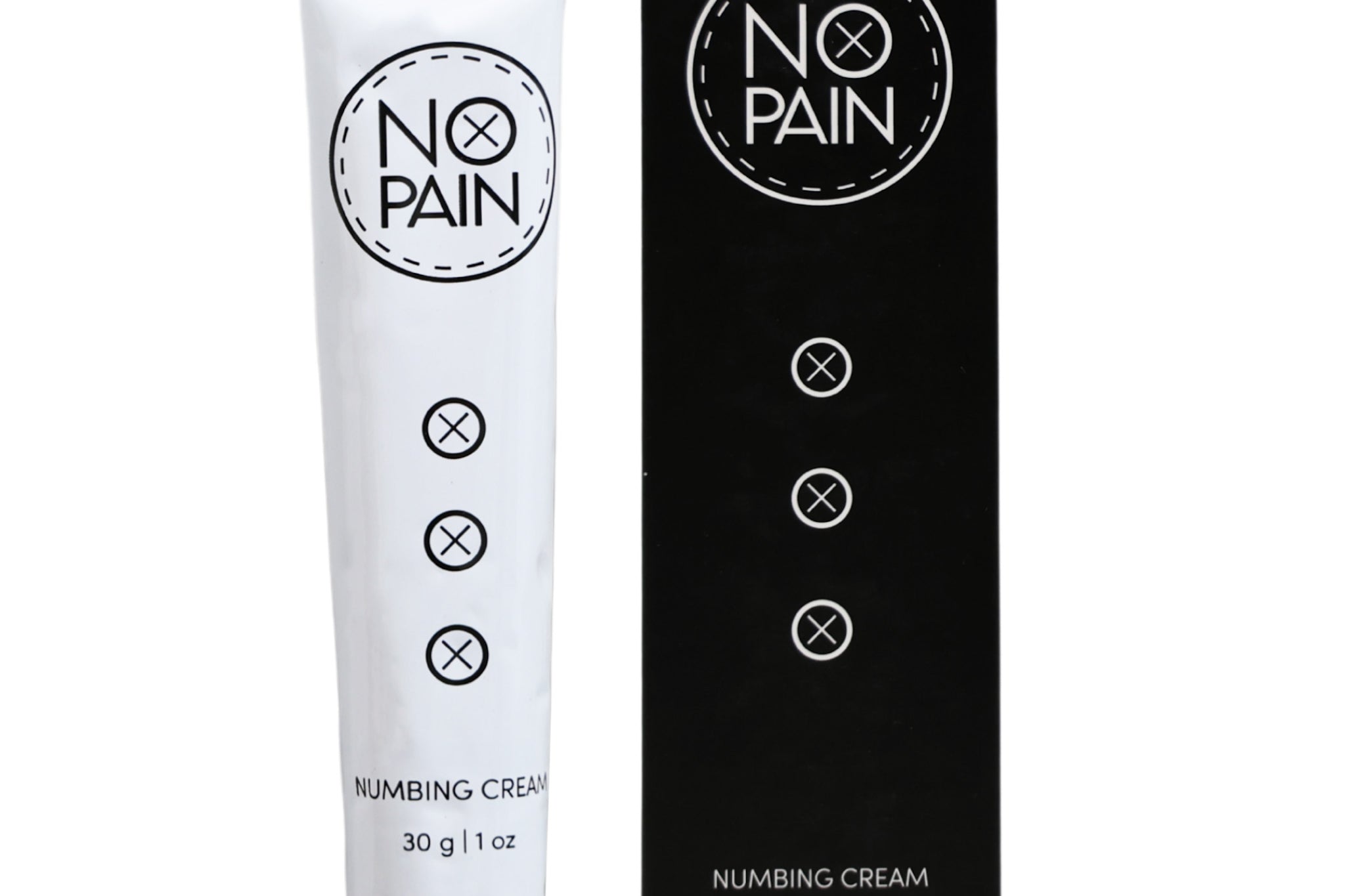
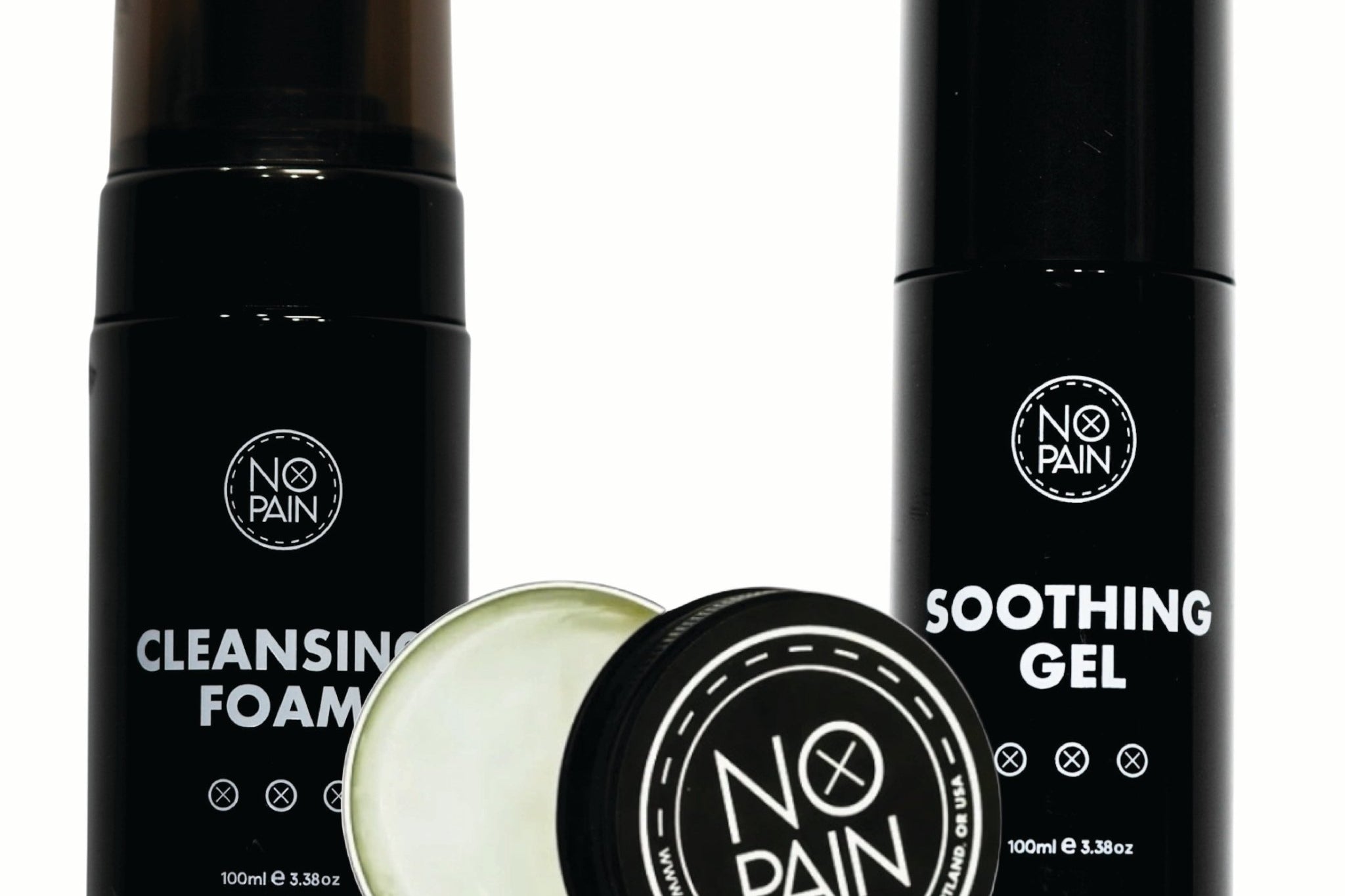
The most direct way to manage tattoo pain is a topical anesthetic. Applied 90 to 120 minutes before the session under cling film, a maximum-strength numbing cream delivers deep, consistent numbness from the first line through the first few hours of work. Unlike skipping caffeine, which removes a negative factor, numbing cream actively reduces the pain signal at the source.


Frequently asked questions
Can I drink coffee before a tattoo?
A small amount of coffee several hours before the session is unlikely to cause a significant problem. A large coffee or energy drink close to your appointment is a different situation. Caffeine raises nerve sensitivity, amplifies anxiety, and affects circulation — none of which helps. Skipping caffeine on session day is a small trade-off for a meaningfully more comfortable experience.
What should I drink before a tattoo?
Water. Staying well-hydrated in the 24 hours leading up to your session makes your skin more supple and easier to work on. Avoid alcohol as well — it thins the blood, which increases bleeding and can affect how ink settles.
Why do artists tell you to avoid caffeine before a tattoo?
Because caffeine blocks adenosine (which reduces pain signaling), increases anxiety hormones, and affects circulation — all of which make the sitting harder. A client who is calm, still, and not flinching is easier to tattoo well. Artists who ask you to skip caffeine are giving advice that benefits both of you.
Can caffeine make tattoo pain feel worse?
Yes. Caffeine keeps nerve endings in a heightened state of reactivity. The same needle sensation that is manageable in a calm, rested state can register more sharply after a significant amount of caffeine. The effect varies by tolerance and dose, but the physiological mechanism is consistent: more caffeine, more nerve sensitivity.
Is it OK to have one cup of coffee before a tattoo?
A single cup several hours before the appointment, for someone with a well-established caffeine tolerance, is unlikely to cause a noticeable problem. The risk scales with dose and timing — a large amount close to the session is where it becomes a real factor. When in doubt, skip it on session day and have a proper meal instead.
What should I eat before a tattoo?
A substantial meal with complex carbohydrates and protein, one to two hours before the session. This stabilizes blood sugar through the sitting and prevents the lightheadedness that often gets misread as a pain response. Do not arrive fasted — it is one of the most common sources of problems mid-session.
Take the Pain Variable Off the Table
Eat well, hydrate, skip the caffeine — and apply numbing cream 90 minutes before your session. Maximum-strength relief from the first line.
Shop Numbing Cream →