
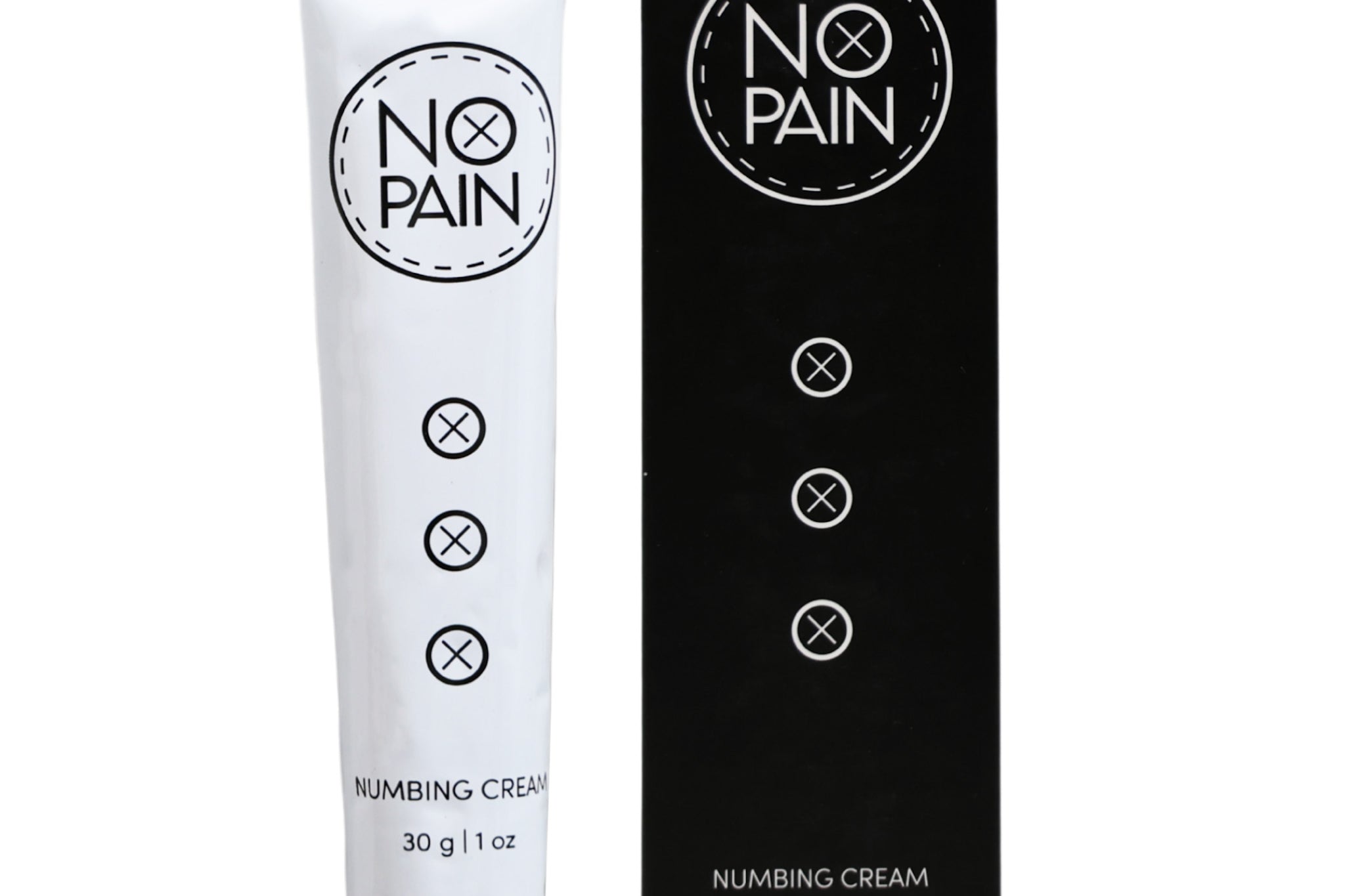


To clean a new tattoo: wash your hands first, then use a small amount of gentle fragrance-free liquid soap on your fingertips, work it gently over the tattoo in small circles, rinse with lukewarm water, and pat dry with a clean paper towel. Do this two to three times a day for the first few days, then drop to once or twice a day once the weeping stops. That's the whole method. The mistakes people make are in the details: the wrong soap, water that's too hot, a washcloth that's too rough, or not washing at all.
In this article
- Why washing matters more than people think
- How often to wash at each stage
- Step-by-step washing technique
- What soap to use
- What to apply after washing
- Common washing mistakes
- Frequently asked questions
Why Washing Matters More Than People Think
A fresh tattoo weeps. In the first 24 to 48 hours, the wound surface produces plasma, the clear fluid your body uses to begin healing. Mixed with ink residue and some blood, this plasma sits on the surface of your skin. If it dries without being rinsed off, it forms a crust. That crust becomes a scab. Thick scabs pull ink out when they eventually shed.
Washing your tattoo before the plasma hardens is the single best thing you can do to prevent heavy scabbing. Clean skin also means bacteria have fewer places to establish, which matters when you're healing an open wound that will take two to three weeks to fully close at the surface.
Washing correctly also means your aftercare products actually work. A layer of dried plasma sitting between your healing skin and a soothing gel does nothing. Clean skin, then product. In that order, every time.
How Often to Wash at Each Stage
Days 1 to 3 (the weeping phase). Your tattoo is actively producing plasma. Wash two to three times a day during this window. A workable schedule is morning, mid-afternoon, and before bed. The goal is to clear the plasma before it gets a chance to dry and harden into crust.
Days 4 to 14 (the peeling phase). The weeping stops and the tattoo enters the dry peeling and flaking phase. Once or twice a day is enough. Morning and night works well. You're no longer racing against drying plasma; you're just keeping the area clean from daily contact and bacteria.
After day 14. By week two to three, the surface is closed and the skin is peeling off its last thin layer. Continue washing once a day until the tattoo looks and feels fully healed. After that, treat it like the rest of your skin.
Step-by-Step Washing Technique
Step 1: Wash your hands. Before you touch your tattoo at any point in the healing process, wash your hands with soap and warm water for at least 20 seconds. Your hands carry more bacteria than almost anything else you'll encounter, and you're about to put them directly on an open wound.
Step 2: Wet the tattoo with lukewarm water. Use your clean hand to splash lukewarm water over the tattoo. The temperature matters: hot water increases swelling and hurts on raw skin; cold water constricts pores without adding value. Lukewarm is the target.
Step 3: Apply soap to your fingertips, not directly to the tattoo. Dispense a small amount of gentle liquid soap onto your fingertips. Never squeeze soap or pour cleanser directly onto the tattoo; the direct pressure can be too abrasive on tender, fresh skin.
Step 4: Wash with light circular strokes. Using only your fingertips (no washcloth, no loofah, no sponge), work the soap gently over the entire tattoo using small, light circular motions. You're removing plasma and surface residue, not scrubbing. Light pressure is all you need.
Step 5: Rinse completely. Cup water in your hands or hold the area under a gentle stream and rinse until the skin no longer feels slick or slippery. Soap residue left on healing skin can irritate it.
Step 6: Pat dry with a paper towel. This step is where a lot of people go wrong. Your regular bath towel is too rough on fresh skin and carries bacteria from repeated use. Use a clean, single-use paper towel and pat gently. Don't rub. Leave the area slightly damp and let it air dry for five to ten minutes before applying any aftercare product.
What Soap to Use
The requirement is simple: gentle, fragrance-free liquid soap. That's it. You don't need a tattoo-specific cleanser. Any unscented, dye-free liquid soap (the kind you'd use for sensitive or reactive skin) does the job.
What to avoid:
Bar soap. Bar soap sits in a pool of water between uses and accumulates bacteria. The bar itself can also be too abrasive for fresh, tender skin.
Scented or dyed body wash. Fragrance is the most common contact irritant in skincare. On healing skin, it can cause redness, itching, and a reaction that looks alarmingly similar to early infection. Dyes carry the same risk.
Alcohol-based cleansers or hand sanitizer. Alcohol strips the skin's moisture barrier and kills the new cells forming at the wound surface. Never use it on a fresh tattoo.
Exfoliating washes or anything with microbeads. Physical exfoliants will lift the delicate new skin along with whatever else they're scrubbing away. Keep them away from healing tattoos entirely.
Simple, boring, fragrance-free liquid soap is the right call. Dove Sensitive Skin, Vanicream Gentle Cleanser, or any equivalent unscented option works well.
What to Apply After Washing
Washing is step one. Clean skin is a blank slate, but healing skin also needs moisture to prevent thick scabbing and relieve the inflammation that comes with a fresh wound. Apply your aftercare product once the skin is fully dry after washing.
In the first few days while the skin is raw and inflamed, a lightweight cooling gel applied in a thin layer does more than a thick balm. The gel calms the inflammation, sits lightly on the wound, and doesn't occlude it the way a heavy product would.

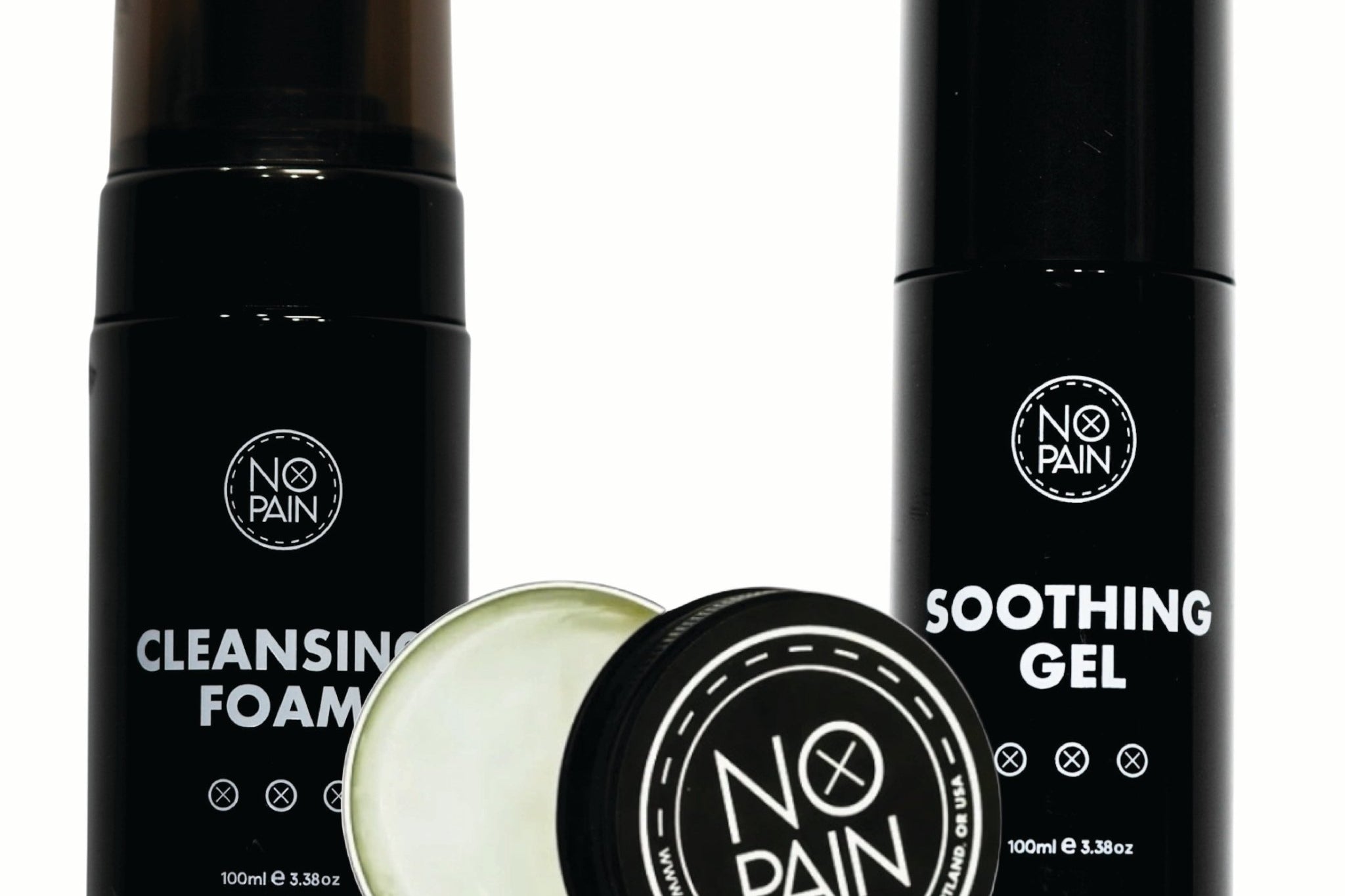
Lightweight cooling gel for the first days of healing. Calms inflammation, cools on contact, and sits lightly on raw skin without occluding the wound. Apply a thin layer after each wash while the skin is still weeping and tender.
Around day two to three, as the weeping stops and the skin moves into the peeling phase, switch to a nourishing balm. Balm provides the deeper, longer-lasting moisture the peeling phase needs, keeping the shed layer hydrated so it comes off as thin flaking rather than thick crust that pulls ink with it.
Common Washing Mistakes
Using water that's too hot. Hot showers feel good but inflame healing skin, increase swelling, and open pores in a way that can push out ink that hasn't fully settled yet. Keep the temperature lukewarm.
Using a washcloth or sponge. Any textured surface is too abrasive for fresh tattoo skin. Fingertips only. The mechanical action of fabric on a wound surface can lift new skin and disturb the ink underneath.
Not washing at all. Some people worry that washing will hurt the tattoo or pull out ink. The opposite is true: plasma allowed to dry and crust is what pulls ink out. Washing gently and consistently is protective, not harmful.
Washing too many times. More than three times a day is excessive in the early phase and drying in the later phase. Over-washing strips the skin's moisture barrier and can cause the kind of dryness that makes itching and peeling worse.
Rubbing dry with a towel. The rubbing motion and the texture of a bath towel can catch on fragile healing skin and cause micro-tears. Pat with a clean paper towel, then air dry.
Skipping the hand wash. Your hands carry bacteria that can cause infection in an open wound. Washing your hands before touching your tattoo should happen at every point during healing, without exception.
The Right Products for Every Phase
The Aftercare Bundle covers the full heal: soothing gel for the raw first days, and a nourishing balm for the peeling phase and beyond. No petroleum, no fragrance, and nothing that will undo the work you're putting into washing it right.
Shop the Aftercare Bundle →Formulated at Historic Tattoo in Portland, Oregon. 100% money-back guarantee.
Frequently asked questions
How do I clean a new tattoo?
Wash your hands first, then apply a small amount of gentle fragrance-free liquid soap to your fingertips and work it lightly over the tattoo in small circular motions. Rinse with lukewarm water until the skin no longer feels slippery, then pat dry with a clean paper towel and let it air dry for five to ten minutes before applying aftercare. Repeat two to three times a day for the first few days, then once or twice daily as healing progresses.
How often should I wash my new tattoo?
Two to three times a day for the first two to three days while the tattoo is still weeping plasma. After that, once or twice daily is enough for the peeling phase. More than three washes a day in the early stage is excessive and can dry out the healing skin.
What soap should I use on a new tattoo?
Any gentle, fragrance-free liquid soap. Unscented options like Dove Sensitive Skin or Vanicream Gentle Cleanser work well. Avoid scented body wash, bar soap, exfoliating washes, and anything with alcohol. The goal is something mild enough for sensitive skin; you don't need a tattoo-specific product.
Can I use a washcloth to wash my tattoo?
No. Any textured material (washcloth, loofah, sponge) is too abrasive for fresh tattoo skin. Use your fingertips only. The texture of fabric against a healing wound can lift new skin and disturb ink that hasn't fully settled in the dermis.
What should I put on my tattoo after washing?
A thin layer of aftercare product after each wash, once the skin is fully dry. In the first two to three days, a lightweight cooling gel works best on raw, inflamed skin. From day two to three onward, switch to a nourishing balm that provides deeper moisture for the peeling phase. Never skip the moisturizing step after washing: clean dry skin will scab harder than clean moisturized skin.
Is it okay to let my tattoo dry out between washes?
Brief air-drying after washing (five to ten minutes) is fine and recommended before applying aftercare. But leaving a healing tattoo completely dry for extended periods without moisturizer isn't ideal: dry healing leads to thicker scabs, more itching, and a higher risk of ink loss during the peel. Clean and moisturized is the target state.